


This posts What a Small-Town Festival Can Teach Us About Keeping Family Traditions Alive first appeared on Crafting Your Home.
Every October, Circleville, Ohio, a town of roughly 12,000 people, welcomes more than 400,000 visitors over four days for its annual Pumpkin Show. Many of those visitors are not first-timers. They are the same families, returning year after year, some for generations, to the same parade route, the same food stands, the same volunteer-run committees their grandparents once served on.
According to psychologists who study family life, that kind of recurring, structured tradition is not incidental to why families keep coming back. It may be exactly the mechanism that makes a shared tradition meaningful in the first place.
The Research Behind Why Traditions Actually Matter

Barbara H. Fiese, a clinical and developmental psychologist who has spent more than three decades studying family routines and rituals, has built one of the most extensive bodies of research on this exact question. In a review published in the Journal of Family Psychology examining 50 years of research on the topic, Fiese and her colleagues drew a specific and useful distinction: family routines are observable, repeated practices. In contrast, family rituals carry deeper symbolic meaning tied to a family’s identity and shared beliefs.
According to that review, family routines and rituals were consistently linked across decades of research to parenting competence, child adjustment, and marital satisfaction. In other words, the specific act of returning to the same tradition, in a form specific and recognizable enough to carry symbolic weight, appears to do real psychological work for the people participating in it.
A Simple Trip Can Function the Same Way as a Family Holiday
One detail from Fiese’s research is especially relevant to something like a recurring small-town festival. In comments to Syracuse University’s news service, where she served as professor and chair of the psychology department, Fiese explained that even something as simple as taking a regular trip together can help establish a lasting family tradition. “My research has found that family rituals such as this may provide feelings of belonging and closeness related to mental and physical health,” she said.
That framing matters because it removes any requirement that a meaningful tradition be grand or elaborate. A family that attends the same small-town festival every fall, year after year, engages in exactly the kind of recurring, emotionally invested activity Fiese’s research identifies as protective, regardless of whether the event makes national headlines.
Related: High-Paying ‘Boring’ Jobs in Demand (Earning $95,000 or More)
Identity Gets Passed Down Through Repetition
Fiese’s earlier research, published in the journal Family Process, examined how family rituals function across generations specifically, finding that they help foster a sense of identity for individual family members while reflecting the family’s broader, shared belief system. According to that research, the symbolic weight attached to a ritual, not simply the activity itself, is what gives it lasting force within a family.
This helps explain something that shows up clearly in towns with long-running festivals like Circleville’s Pumpkin Show, which has run continuously since 1903. Families who return decade after decade are not simply repeating a fun outing. According to Fiese’s framework, they are actively transmitting something intangible, a sense of belonging, a shared identity tied to a place and a tradition, from one generation to the next, often without consciously framing it that way.
What Small Towns Get Right Almost by Accident
Small town festivals tend to build in exactly the conditions Fiese’s research identifies as important, sometimes without anyone designing them that way. They occur on a fixed, predictable schedule. They involve the same physical location, the same core activities, and often the same families volunteering or participating year after year. According to Fiese’s broader body of work, that combination of predictability and emotional investment is precisely what separates a meaningful ritual from a random one-time outing.
Fiese’s research also emphasizes something important for families trying to apply this lesson deliberately: emotional investment matters more than the sheer amount of time spent on a tradition. A single, meaningful weekend built around a beloved local festival can carry as much psychological weight as a much larger annual commitment, as long as the family genuinely values it and looks forward to it.
Related:5 High-Paying Jobs People Are Avoiding
The Lesson for Families Beyond the Festival Itself
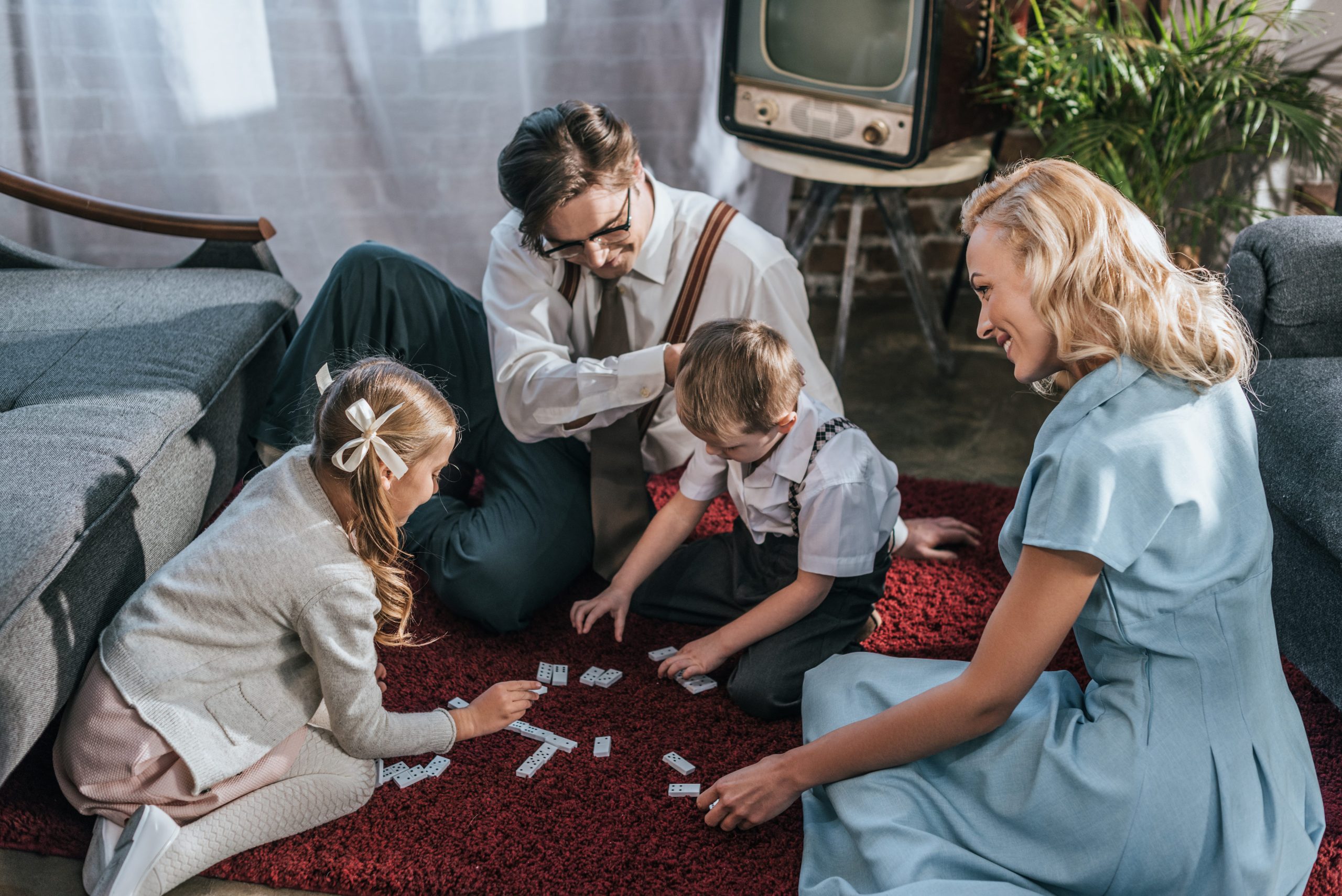
None of this means every family needs a local pumpkin show or hometown parade to build strong traditions. What Fiese’s research suggests is more transferable: pick something recurring, give it a fixed and predictable form, and let it carry real emotional meaning rather than treating it as just another activity on the calendar.
Small town festivals are a particularly visible example of this principle at scale, since an entire community effectively builds the same kind of ritual structure Fiese describes at the family level, multiplied across hundreds or thousands of households at once. The same repetition that turns a random Saturday into an anticipated tradition for one family is what turns a modest local festival into a genuine institution for an entire town.
Related: The U.S. Presidential Candidate Who Took Erectile Dysfunction Out of the Shadows
What This Means Going Forward
According to decades of research compiled by Fiese and her colleagues, family traditions do not require grand budgets or elaborate planning to matter. They require consistency, a fixed place in the calendar, and enough genuine emotional investment that family members come to expect and look forward to them.
A small-town festival, returned year after year, offers a clear, real-world example of that principle in action. The families who keep showing up are not simply attending an event. According to the research, they are quietly building exactly the kind of identity and belonging that traditions are designed to provide, one recurring Saturday at a time.
Other post you might like:
- America’s Good Jobs Are No Longer Enough: Why Millions Feel Financially Trapped.
- 10 Higher-Paying Jobs Workers Are Quitting Despite Strong Demand.
- The 8 Most Dangerous Jobs That Pay Well .


