A quiet early-morning drive in Montgomery County turned deadly Wednesday when a vehicle lost control on Interstate 69 in New Caney, struck a median, spun into the path of traffic, and was hit by two other vehicles, officials said.
The crash happened around 5:45 a.m. on I-69, also known as the Eastex Freeway, just south of FM 1485. At that hour, the roadway was likely carrying early commuters, work crews, delivery drivers, and residents beginning their day before sunrise fully settled over the area. But the morning conditions were far from ideal. Officials said the pavement was wet, creating the kind of slick surface that can quickly reduce a driver’s control, especially on a busy freeway.
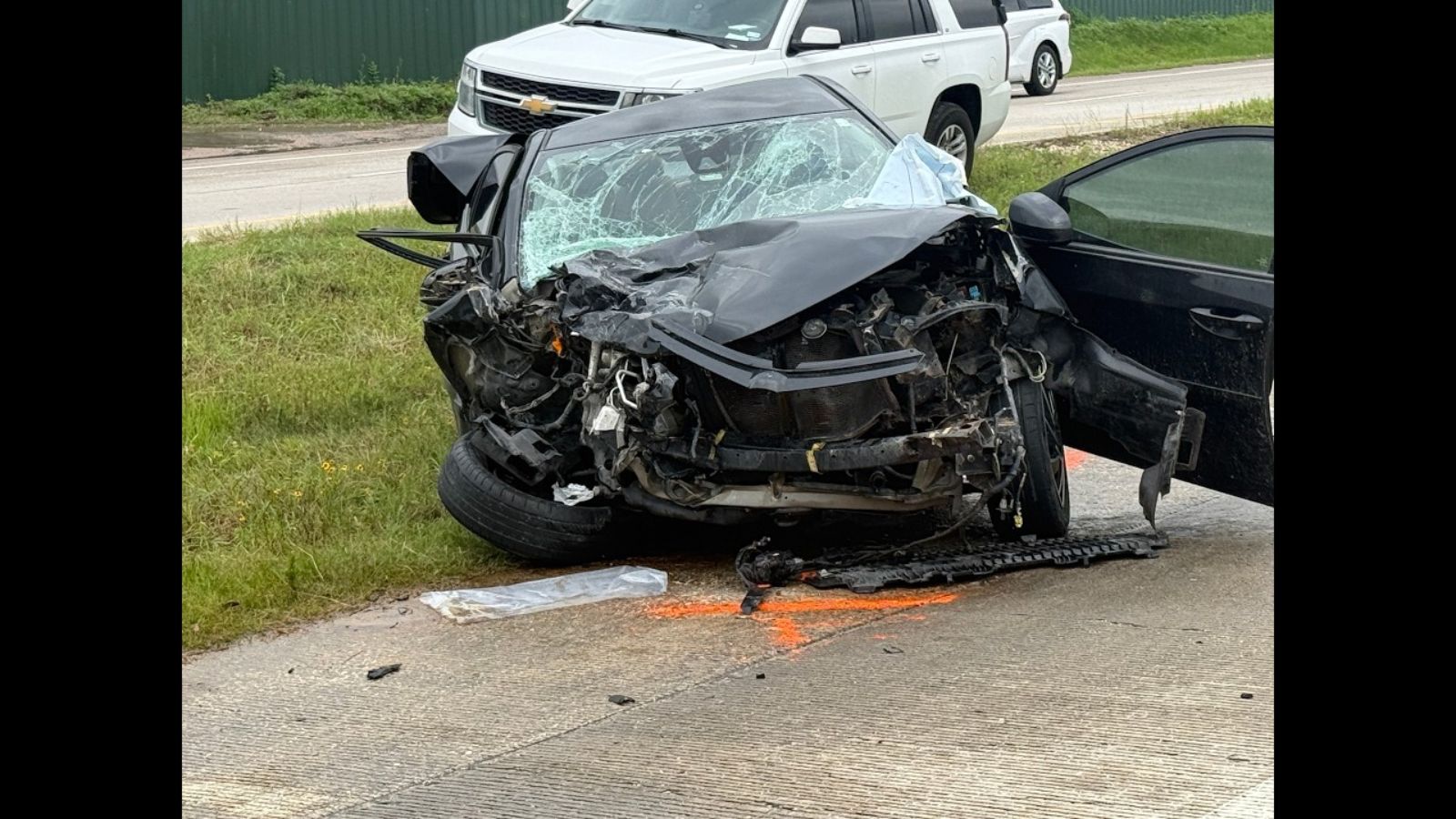
According to the Texas Department of Public Safety, the crash began with a Toyota passenger vehicle. Officials said the driver lost control while traveling on the wet road. After losing traction, the vehicle hit the median, then spun into oncoming traffic. That sudden movement placed the Toyota directly in the path of other vehicles, leaving little time for nearby drivers to avoid a collision.
The Toyota passenger vehicle was then struck by a Toyota pickup truck and a Ford F-150. The driver of the Toyota passenger vehicle died at the scene. Two other people were taken to hospitals, though officials said both are expected to recover. Authorities had not released the names of the people involved at the time of the initial report.
The Crash Started with a Loss of Control
The first critical moment happened when the Toyota passenger vehicle lost stability on the wet freeway. A vehicle can lose control for several reasons during rainy conditions, including reduced tire grip, standing water, sudden braking, sharp steering, or a slick patch of pavement. Officials have not said exactly what caused the driver to lose control beyond the wet road conditions, but they confirmed the vehicle left its normal path of travel.
On a freeway like I-69, that type of loss of control can become dangerous almost instantly. Vehicles are usually moving at higher speeds than they would on a neighborhood street or city road. That means a driver has less time to correct a slide, and other motorists have fewer seconds to react when a vehicle suddenly moves across lanes.
Once the Toyota passenger vehicle began to lose control, the driver appeared to have been unable to bring it safely back into the lane. The vehicle struck the median, which marked the next major point in the crash sequence.
The Median Impact Changed the Direction of the Vehicle
The median strike was a turning point in the crash. When a vehicle hits a median, barrier, or divider, the force of the impact can push it in a new direction. Instead of continuing forward in a predictable line, the vehicle may bounce, rotate, or spin sideways.
That is what officials said happened in New Caney. After striking the median, the Toyota passenger vehicle spun into oncoming traffic. This detail helps explain why the crash became so severe. The vehicle was no longer moving normally with the flow of traffic. It had become an unpredictable hazard in the roadway.
For other drivers, this kind of situation is extremely difficult to avoid. A vehicle spinning from a median into traffic can appear suddenly, especially in dark or rainy conditions. Even if another driver sees the danger, stopping distance is longer on a wet road. Swerving can also create another risk because a sudden lane change might cause a second driver to lose control or hit another vehicle. In this case, the Toyota passenger vehicle entered the path of at least two other vehicles before the situation could be avoided.
Two Vehicles Then Struck the Toyota Passenger Car
After spinning into traffic, the Toyota passenger vehicle was hit by a Toyota pickup truck and a Ford F-150, officials said. Those two impacts turned the wreck into a three-vehicle crash. Pickup trucks are larger and heavier than most passenger cars, which can make a collision especially serious depending on the angle and speed of impact. Officials have not released the exact points of impact, the speeds involved, or where each vehicle came to rest after the crash.
Still, the confirmed sequence shows that the passenger vehicle was in an extremely vulnerable position after it spun from the median. The crash likely unfolded within seconds. First, the driver lost control. Then the vehicle hit the median. Then it spun into the path of traffic. Then two separate vehicles struck it. What began as a single-vehicle loss of control quickly became a multi-vehicle emergency.
This is one reason freeway crashes are often so dangerous. There is little room for error. A moment of lost traction can place multiple drivers in danger before anyone has time to fully understand what is happening.
One Person Died Before Help Could Save Them
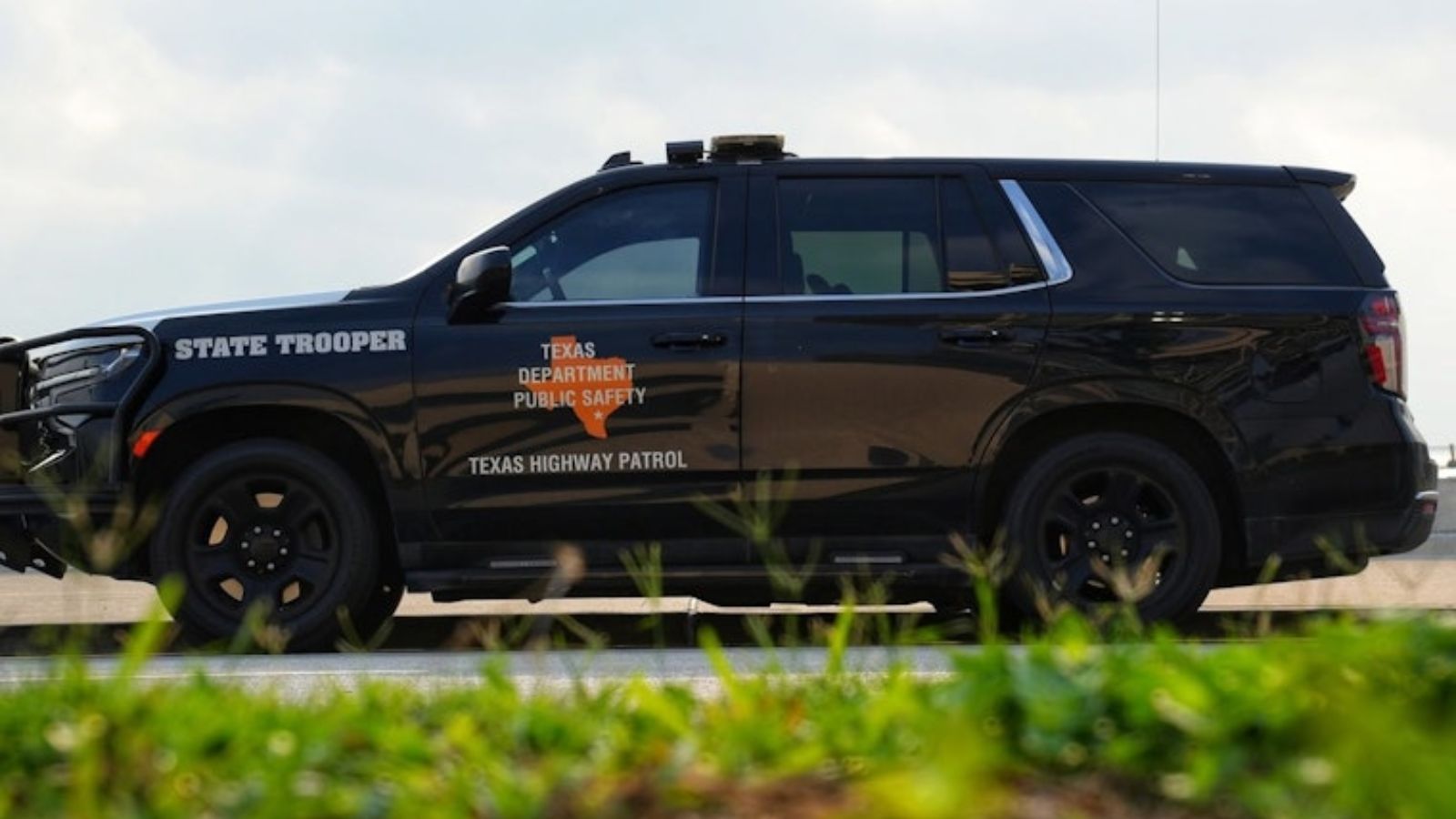
Texas DPS and the Montgomery County Hospital District confirmed that one person was pronounced dead at the scene. Officials said the person who died was the driver of the Toyota passenger vehicle. Being pronounced dead at the scene means the injuries were too severe for emergency crews to transport the victim for lifesaving treatment. Although officials did not describe the driver’s injuries, the outcome shows how violent the collision was.
The victim’s name was not immediately released. In fatal crashes, authorities usually wait until relatives have been notified before making a person’s identity public. That process can take time, especially when investigators must confirm personal information and contact family members.
Behind every fatal crash report is a family receiving devastating news. For the public, the report may appear as a traffic alert or a brief update. For the people connected to the victim, it marks the sudden loss of a loved one who never made it home from a routine trip.
Two Other People Were Taken to Hospitals
Two other people involved in the wreck were transported to hospitals. Officials said both are expected to recover, which offers a measure of relief after such a serious collision. Authorities did not immediately say which vehicles the injured people were in, whether they were drivers or passengers, or what types of injuries they suffered. In crashes involving multiple vehicles, emergency responders usually assess everyone at the scene before deciding who needs hospital care.
Some injuries are visible right away, while others may require medical checks because shock and adrenaline can hide pain in the first minutes after impact. Even when patients are expected to survive, a crash can still leave lasting physical and emotional effects. People involved may deal with pain, anxiety, vehicle loss, medical bills, or the trauma of witnessing a fatal wreck. A short official update rarely captures the full weight of what survivors may experience after leaving the scene.
Emergency Crews Responded to a Complex Scene
A crash involving three vehicles, one fatality, and two hospital transports would have required a coordinated response. Law enforcement had to secure the area, emergency medical personnel had to evaluate and treat the injured, and investigators had to begin piecing together how the collision happened.
On a freeway, responders must also protect the crash scene from approaching traffic. That can mean blocking lanes, directing drivers away from debris, and making sure paramedics and officers can work safely. In wet conditions, that job becomes even harder because other vehicles may also struggle to slow down or stop.
Investigators likely focused on the vehicle positions, damage patterns, road conditions, witness statements, and any physical evidence left on the pavement. Skid marks, debris fields, and impact locations can help officials understand the direction each vehicle was traveling and how the crash developed. At the time of the report, officials had only released the main timeline. More detailed findings could come later if authorities provide updates.
What Officials Still Have Not Released
Several key details remain unknown. Authorities have not publicly identified the driver who died. They have not named the two injured people. They also have not said whether any passengers were inside the vehicles. Officials have not released information about speed, seat belt use, driver impairment, mechanical problems, visibility, or whether standing water played a role. They also have not said whether any citations are expected.
Because those details have not been confirmed, it would be wrong to blame any driver beyond what officials have stated. The confirmed information is that the road was wet, the Toyota passenger vehicle lost control, struck the median, spun into traffic, and was hit by two other vehicles. That careful distinction matters. In the early hours after a deadly crash, investigators are still gathering facts. The first official account explains what is known, but it does not always answer every question about why the crash happened.
Why This Crash Became So Dangerous So Quickly
The danger in this crash came from timing, weather, speed, and position. The wet roadway reduced control. The freeway setting increased the risk because vehicles were likely moving faster than they would on smaller roads. The median strike caused the Toyota passenger vehicle to change direction. The spin placed the vehicle into traffic where other drivers had very little time to react. Each step made the situation worse.
If the vehicle had only slid but stayed in its lane, the outcome might have been different. If it had struck the median and stopped, other vehicles may have had more space to avoid it. But once it spun into the path of traffic, the crash became much harder for anyone to escape. That is what makes wet-weather freeway crashes so unforgiving. The difference between a close call and a fatal collision can be a matter of seconds.
A Serious Warning for Drivers in Rainy Conditions
The deadly New Caney crash is a reminder that wet pavement should never be treated like dry pavement. Rain changes how a vehicle responds. Braking takes longer. Tires can lose grip. Steering corrections become less reliable. A driver who reacts too sharply may make the slide worse. Drivers can reduce their risk by slowing down, increasing the distance between vehicles, avoiding sudden braking, and keeping both hands steady on the wheel. It is also important to check tire condition because worn tires are less effective at moving water away from the road surface.
On major roads like I-69, patience can be lifesaving during wet weather. A few extra minutes of slower driving can make the difference between staying in control and becoming part of a chain-reaction crash. Wednesday morning’s wreck left one person dead, two people hospitalized, and a major Texas freeway marked by tragedy. Officials are still investigating, but the basic sequence already shows how quickly a normal drive can turn fatal when a vehicle loses control in bad road conditions.