


The post 9 Ways Your Home Is Wasting Electricity and What to Do Instead first appeared on Crafting Your Home.
You open your electricity bill, glance at the total, and wonder what happened. You haven’t bought any new appliances, and your daily routine hasn’t changed much. So why does keeping the lights on seem more expensive?
Part of the answer could be rising electricity prices. According to the U.S. Energy Information Administration, residential electricity averaged 18.31 cents per kilowatt-hour in July 2026, compared with 17.45 cents a year earlier. But your everyday habits could also be contributing to the problem.
From forgotten electronics to inefficient cooling, here are nine ways your home may be wasting electricity, plus simple changes that could lower your bills.
Leaving Electronics Plugged In When Nobody Is Using Them
Your television is off, your gaming console is idle, and your printer hasn’t been touched all week. Unfortunately, some of these devices may still be using electricity. This is commonly called standby or phantom power.
Certain electronics continue drawing electricity to maintain displays, network connections, remote-control functions, or other background features. A device drawing 10 watts continuously would consume approximately 87.6 kilowatt-hours annually. At July 2026’s national average residential electricity price, that represents roughly $16 in yearly electricity costs.
Of course, not every device consumes that much standby power. What to do instead: Use built-in power-saving settings and switch off unnecessary electronics when they’re not needed. Unplug nonessential devices to help, but leave refrigerators, security equipment, and other essential systems connected.
Using Old Light Bulbs That Consume More Electricity
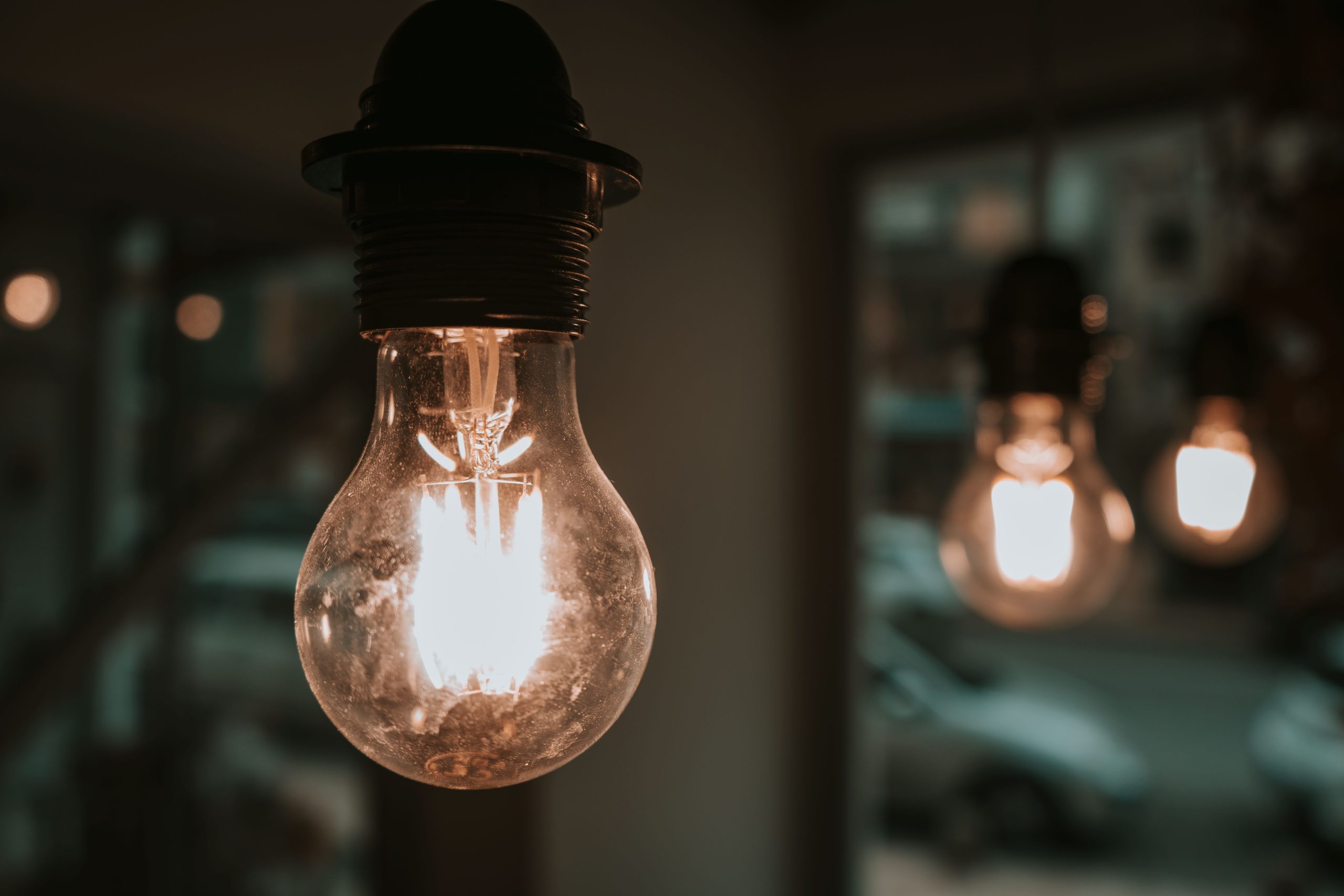
That old incandescent bulb might still work perfectly, but it’s probably using more electricity than necessary. Traditional incandescent bulbs produce light by heating a filament. Much of the electricity they consume becomes heat rather than visible light.
According to ENERGY STAR, LED lighting can be up to 90% more efficient than incandescent technology. Consider a 60-watt incandescent bulb replaced with a 9-watt LED offering comparable brightness. If used three hours daily, the LED would save about 56 kilowatt-hours annually.
What to do instead: Replace frequently used incandescent bulbs with compatible LEDs. Start with kitchen lights, living room lamps, and other fixtures that operate for several hours daily. Also, remember the simplest solution: turn off lights you don’t need when you leave a room.
Heating or Cooling an Empty House All Day
Your heating and cooling system may work hard to maintain a comfortable temperature when no one is home. That means you’re paying to condition empty rooms. Heating and cooling are major contributors to household energy use, especially during extreme outdoor temperatures.
The Department of Energy says adjusting your thermostat by 7 to 10 degrees Fahrenheit for eight hours a day can save up to 10% annually on heating and cooling costs under suitable conditions. However, actual savings depend on climate, equipment, and household routines.
What to do instead: Adjust your thermostat when the house will be empty for extended periods. Use programmable settings if your thermostat already offers them. Be cautious with heat pumps, since large temperature setbacks can sometimes activate less efficient backup heating.
Forgetting to Check Your Air Conditioner Filter

Your air conditioner might be running longer than necessary because of something surprisingly simple: a dirty filter. As dust accumulates, airflow becomes restricted, making it harder for the system to operate efficiently. ENERGY STAR warns that dirty filters can increase energy costs and contribute to equipment problems.
Department of Energy guidance suggests that regular filter maintenance can reduce air-conditioner energy consumption by approximately 5% to 15%, depending on the circumstances. That’s not a guaranteed reduction in your entire electricity bill, but it demonstrates why maintenance matters.
What to do instead: Inspect your HVAC filter monthly, then clean or replace it per the manufacturer’s instructions. Keep air vents clear of furniture and other obstructions. If your system needs electrical repairs or internal servicing, contact a qualified professional rather than attempting the work yourself.
Setting Your Refrigerator Colder Than Necessary
Your refrigerator needs to keep food cold, but setting it unnecessarily cold can increase electricity use. The appliance must work harder to maintain lower temperatures. Some homeowners turn the temperature dial toward its coldest setting without knowing what temperature the refrigerator actually reaches.
The Department of Energy recommends refrigerator temperatures between 36 and 40 degrees Fahrenheit, while ENERGY STAR suggests approximately 35 to 38 degrees. Freezers should generally be maintained around zero degrees Fahrenheit.
What to do instead: Set your refrigerator to about 37 degrees and your freezer to 0 degrees. Use an appliance thermometer to check the actual temperature rather than guessing from a numbered dial.
Inspect door seals, too. Damaged seals can allow warm air inside, increasing cooling demand. Never raise refrigerator temperatures above safe food-storage limits simply to reduce electricity use.
Letting Your Clothes Dryer Run Longer Than Necessary
Your dryer may keep using electricity even after your clothes are dry. This often happens when households rely on long timed cycles rather than stopping the machine when the load reaches the desired dryness. Electric dryers use energy to generate heat and rotate the drum. More run time means more electricity consumption.
A clogged lint filter can also restrict airflow and reduce drying efficiency. ENERGY STAR recommends using automatic moisture-sensing features, when available, to help prevent unnecessary drying.
What to do instead: Choose the right sensor-drying cycle instead of automatically selecting the longest setting. Clean the lint filter after every load.
When practical, air-dry suitable clothing on a rack or outdoor clothesline. Also, use an appropriate washing machine spin cycle to remove excess water before transferring clothes to the dryer. These small habits can reduce unnecessary dryer operation without requiring a new appliance.
Washing Every Load of Laundry in Hot Water

Hot w