Vegetables That Can Kill Humans (Rare, but Real)
- Natural toxins that rise in stressed plants (often flagged by intense bitterness or greening).
- Bacteria that contaminate produce during farming, packing, or handling (especially when eaten raw).
- Preservation failures, mainly unsafe canning, allow botulinum toxin to form.
- Storage and handling accidents that make the environment around the vegetable lethal.
Zucchini and other squash

Zucchini feels harmless: mild flavor, quick cook time, easy to grow. The danger arises when certain squash-family plants accumulate cucurbitacins, bitter compounds they use as a defense. In normal produce, these compounds are extremely low. In stressed plants, heat, drought, cross-pollination with ornamental gourds, or seed-saving from bitter fruit can cause levels to climb.
What makes this risk distinct: the warning arrives early. The taste is not “a little sharp” or “slightly peppery.” It is harsh, lingering, and unpleasant enough to stop chewing.
- Stop eating immediately if the zucchini, squash, pumpkin, or gourd tastes sharply bitter.
- Do not “cook it longer” to fix bitterness. Heat does not reliably remove the risk.
- Do not mask bitterness with sugar, cream, or spice. The hazard stays.
Cucumbers
Cucumbers have been involved in major Salmonella outbreaks. The contamination usually comes from water, soil contact, equipment, or handling during packing and distribution. Cucumbers are also sliced and shared, increasing cross-contamination in kitchens.
- pre-sliced cucumber trays kept at room temperature
- Cutting boards used after raw poultry
- Rinsing cucumbers in contaminated water while traveling
- Rinse under running water and dry with a clean towel.
- Use a clean knife and board dedicated to producing.
- Refrigerate promptly after slicing.
- Track recall notices when large outbreaks are reported.
Spinach and leafy greens
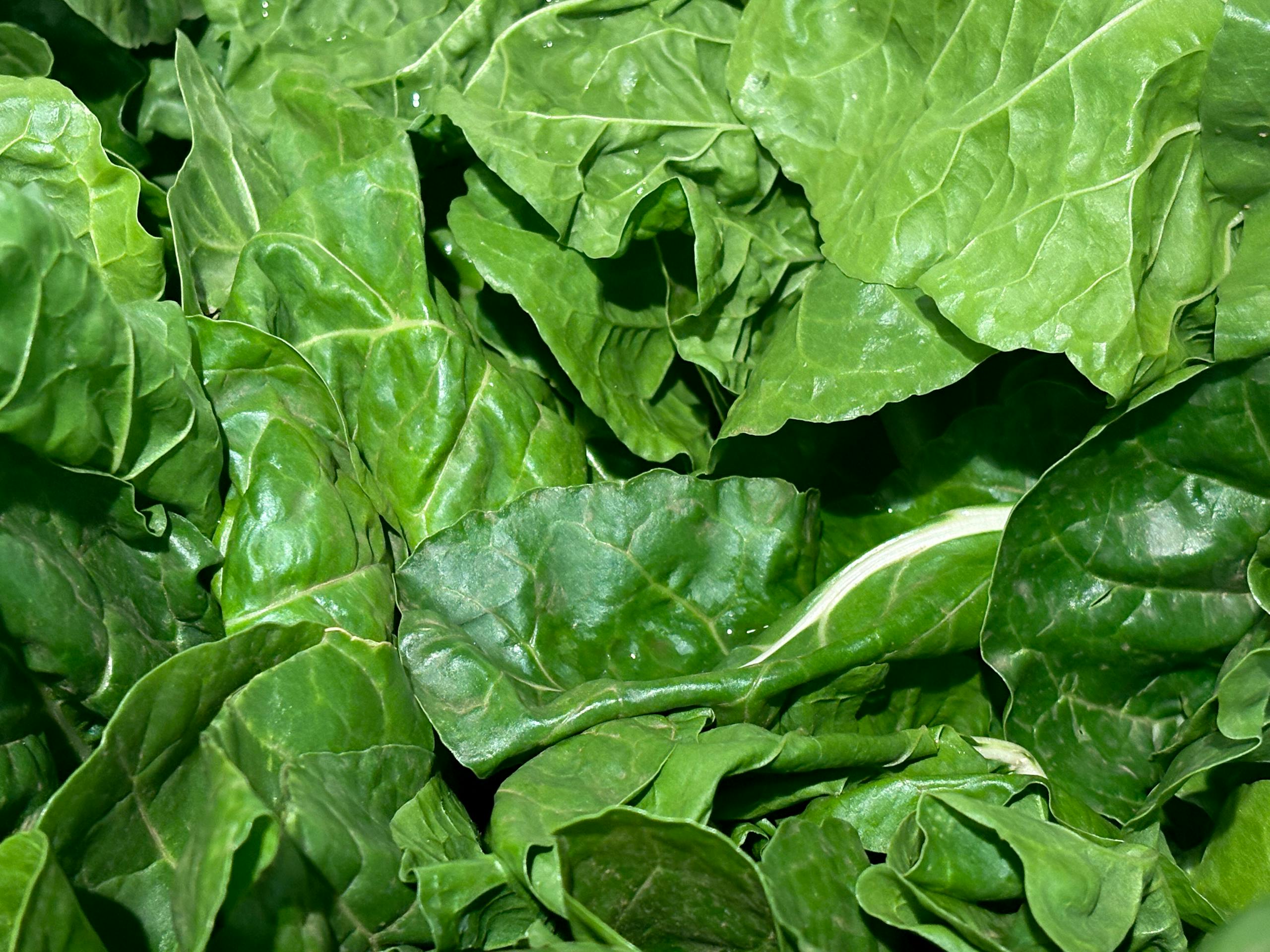
Spinach, romaine, mixed greens, and other leafy vegetables are frequent vehicles for E. coli and other pathogens. Leaf surfaces have folds, veins, and texture that trap microbes. Bagged greens can spread contamination through a batch if equipment or wash water is compromised. Cooking reduces risk; raw salads do not.
- high surface area
- eaten raw
- hard to wash thoroughly without bruising
- Often grown close to the soil and irrigation water
- infants and small children
- older adults
- pregnancy
- immune suppression
- kidney disease
- Keep greens cold from the store to the fridge.
- Rinse whole leaves under running water; discard slimy or smelly leaves.
- Use salads quickly; avoid “old bag” greens.
- In uncertain hygiene settings, choose cooked greens instead of raw.
Lettuce
Lettuce carries the same bacterial risks as spinach, with a key difference: lettuce is served everywhere, fast food, diners, buffets, and catered events. One contaminated shipment can reach countless plates quickly.
- buffet trays that sit lukewarm
- pre-made salads stored too warm
- restaurant prep lines with mixed raw ingredients
- Skip lettuce that looks wilted, slimy, or smells sour.
- Avoid salads that have sat out at room temperature.
- Keep raw lettuce away from raw meat juices in the fridge.
Peas (home-canned)

High-risk setup: low-acid vegetables sealed in an oxygen-free jar without adequate heat processing.
- bulging lids
- spurting liquid when opened
- unusual odor (not always present)
- broken seals
- Use pressure canning for low-acid vegetables and follow tested processing times.
- Discard any suspect jar without tasting.
- Keep home-canned food labeled with dates and stored properly.
Canned vegetables
Commercial canning is tightly controlled, but problems still occur when cans are damaged in storage or when home-canning is done without proper procedures. Botulism is rare, yet the risk is serious enough to be treated as non-negotiable.
- Can be swollen or leaking
- can hisses, sprays, or spurts on opening
- lid is domed, or the seal is broken
- The contents smell abnormal.
- Store cans in a cool, dry place.
- Do not buy heavily dented cans, especially with dents near seams.
- Do not taste “to check.” Taste is not a safe test.
Frozen vegetables
Common mistake: treating frozen vegetables as ready-to-eat because they look “clean” and “processed.”
- Cook frozen vegetables unless the package explicitly states they are ready to eat.
- Avoid thawing frozen vegetables on the counter.
- Keep freezer temperature stable; refreezing and thawing cycles cause quality loss and handling risks.
Potatoes
Potatoes can become risky in two ways: toxin buildup in the potato, and hazardous air from rotting potatoes in enclosed spaces.
- Discard potatoes that are heavily green, very bitter, or badly sprouted.
- Store potatoes in a cool, dark, ventilated area.
- Keep potatoes out of direct sunlight on countertops.
Rotting potatoes in enclosed spaces
- Ventilate storage areas.
- Remove rotting potatoes quickly.
- Avoid entering cramped storage spaces with strong decay odors.
Red chili peppers

Chili peppers are safe for most people in normal culinary amounts. The danger appears with extreme consumption, especially in “challenge” contexts. Large capsaicin loads can trigger intense GI distress and may provoke severe reactions in rare cases, particularly where allergy or underlying vulnerability exists.
- swelling of the lips or face
- wheezing or throat tightness
- widespread hives or intense itching
- fainting, confusion, chest pain
- Avoid high-dose chili challenges.
- Treat breathing trouble or facial swelling as emergency symptoms.
Corn
What kills: suffocation and crushing pressure as grain flows.
- Never enter a grain bin alone.
- Use lockout procedures, harnesses, and trained safety protocols.
- Treat crusted grain and flowing grain as high-risk conditions.
How to avoid the worst scenarios
- raw leafy salads
- raw garnishes
- pre-cut produce held warm
- raw salsas or salads washed in unknown water
- vegetables cooked and served hot
- soups and stews that simmer thoroughly
- peelable produce (when peeled personally)
Kitchen rules that block most “deadly vegetable” scenarios
- Wash hands before prep and after handling raw meat.
- Separate produce boards/knives from raw meat boards/knives.
- Keep the fridge cold and don’t leave cut vegetables out.
- Discard bitter squash dishes.
- Discard green or very sprouted potatoes.
- Cook frozen vegetables unless labeled ready-to-eat.
- Treat home canning as a precision task, not a casual hobby.
Conclusion
Vegetables do not need fear attached to them. The danger comes from clear, preventable pathways: a bitter squash ignored, a green potato shrugged off, a jar canned without proper pressure, a cutting board used for raw chicken and salad, a bag of greens left warm, a frozen product eaten without cooking, a grain bin entered without safety gear.
Most of those pathways can be blocked with plain habits: stop eating bitter squash, discard green potatoes, keep raw foods separate, keep cold foods cold, cook when cooking is expected, and use tested canning methods. These steps do not reduce flavor or variety. They protect the ability to enjoy markets, salads, stews, and seasonal produce with confidence.
Vegetables remain worth the plate space. The goal is not avoidance. The goal is smarter handling, so “deadly vegetables” stay where they belong: in rare case reports, not in daily life.
Read the Original Article on Crafting Your Home