


The post 12 Vacation Habits Gen X Grew Up With That Millennials Find Strange first appeared on Crafting Your Home.
Imagine packing for a family vacation without a smartphone, GPS, online hotel reservations, or even the ability to check your vacation photos. For many Gen X kids, that wasn’t an unusual adventure. It was simply how vacations worked.
Family road trips in the 1970s and 1980s came with paper maps, cassette tapes, roadside motels, and plenty of patience. Parents handled the planning, kids entertained themselves in the back seat, and getting lost occasionally became part of the experience.
Of course, older Millennials remember some of these traditions, too. But compared with today’s convenient travel technology, these 12 vacation habits reveal just how much family getaways have changed.
Navigating With Giant Paper Maps
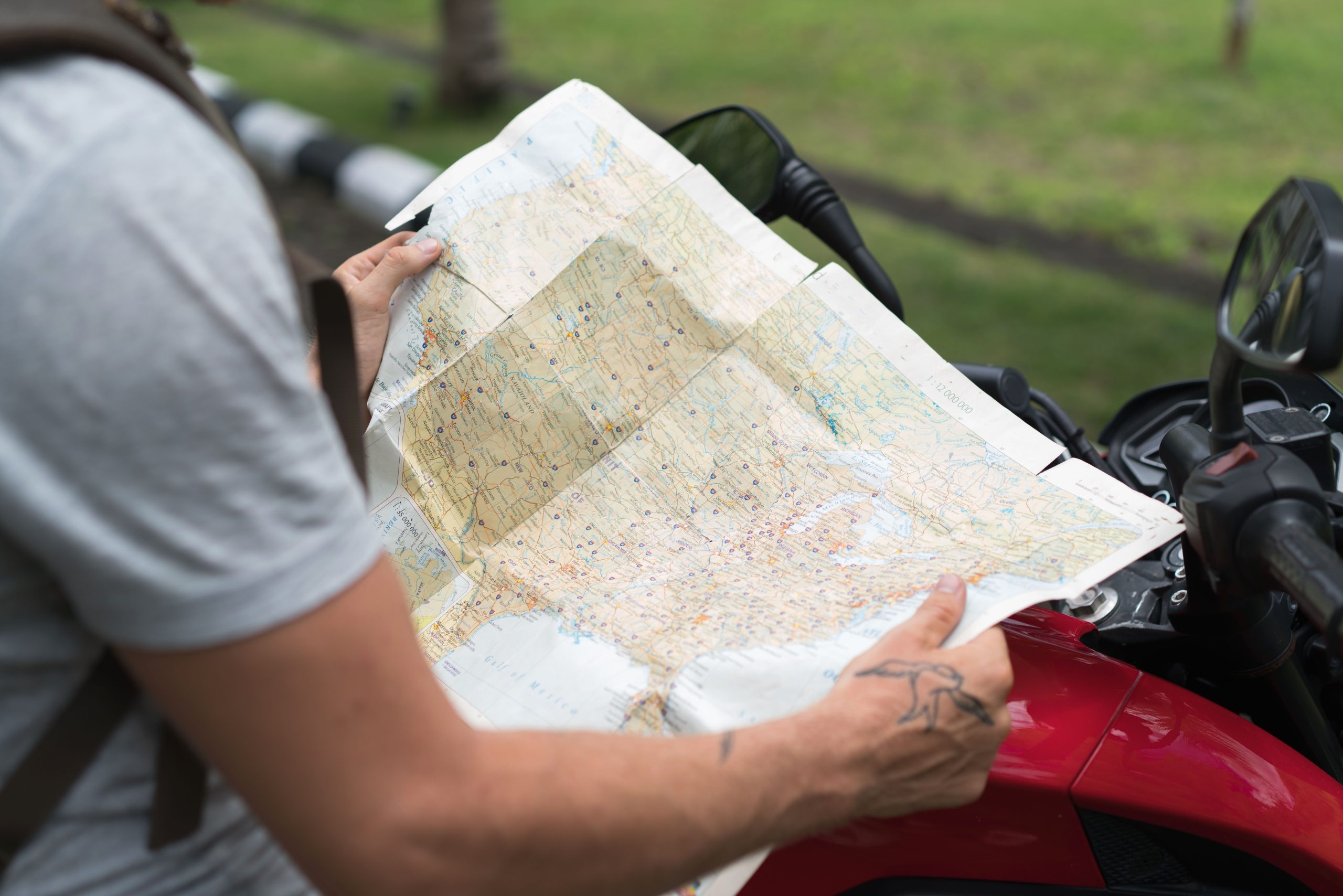
Before GPS could announce the next turn, families relied on enormous paper maps that seemed impossible to fold correctly. One parent drove while the other studied highways, exit numbers, and unfamiliar town names. Missing a turn meant stopping to figure out where things went wrong.
AAA’s TripTik guides made navigation easier by providing highlighted routes across numbered pages. According to AAA, modern TripTiks first appeared in 1937.
Today, drivers can receive updated directions instantly. Back then, finding the destination required someone who could read a map without accidentally sending the family 30 miles in the wrong direction.
Letting Travel Agents Plan Everything
Booking a vacation once involved visiting a travel agency rather than opening several browser tabs. Parents could sit with an agent to discuss destinations, compare flights, choose hotels, and organize transportation. The agent used reservation systems that ordinary travelers couldn’t easily access.
The family might leave with an itinerary and important documents that needed safeguarding. That began to change as online booking emerged. Microsoft launched Expedia online in October 1996, letting consumers research and buy travel reservations themselves.
Travel agents still exist, but arranging an entire vacation through someone else’s office feels remarkably different from booking a weekend getaway on a phone.
Choosing Attractions From Printed Guidebooks
Wondering what to do after arriving at your vacation destination? Before online searches and travel videos, families often turned to printed guidebooks. These books contained information about restaurants, hotels, landmarks, and attractions. Parents flipped through pages to decide which places were worth visiting.
AAA’s TourBook guides, dating back to 1926, became a go-to source for destination recommendations. Unlike today’s constantly updated travel websites, the information was already printed. Travelers didn’t have to scroll through hundreds of recent reviews.
According to AAA, TourBook eventually transitioned to digital formats, and its content was incorporated into Trip Canvas in 2025.
Treating Airline Tickets Like Precious Documents
Today, travelers can often retrieve flight information using an airline app. Earlier generations had a different responsibility: keeping their original paper airline tickets safe. For families flying on vacation, losing a ticket could create serious complications.
Parents kept tickets with other travel documents, sometimes checking repeatedly to make sure everything was still there. The transition to electronic ticketing took years. According to the International Air Transport Association, only 19% of tickets were electronic when its transition project began in 2004.
By June 2008, IATA’s settlement systems had moved entirely to electronic ticketing. This significantly reduced anxiety about lost paper tickets.
Carrying Traveler’s Checks Instead of Cash
Imagine needing to sign paperwork just to spend your vacation money. Traveler’s checks offered an alternative to carrying large amounts of cash, particularly for international trips. Travelers purchased the checks before leaving, signed them once, and added a second signature when redeeming them. The matching signatures helped verify ownership.
American Express introduced its traveler’s-check system in 1891, and travelers used the payment method for decades. Today, credit cards, debit cards, and digital payment systems make the process seem unnecessarily complicated. Interestingly, American Express no longer issues new travelers’ checks, although previously issued ones remain backed.
Packing a Collection of Cassette Tapes

Modern road trips offer nearly endless music through streaming services. For many Gen X travelers, the soundtrack depended on whatever tapes the family remembered to pack. A portable cassette player and headphones could make hours in the back seat more enjoyable.
However, listening required a little effort. Tapes needed flipping, favorite songs weren’t instantly searchable, and forgetting a cassette meant losing it. Sony introduced its first Walkman in 1979, helping make personal music listening increasingly portable during the 1980s.
The biggest difference wasn’t necessarily the music. It was having to choose your entire listening collection before the vacation even began.
Playing Highway Bingo for Entertainment
Long before tablets and downloadable movies became road-trip companions, children found entertainment outside the car window. Highway Bingo turned ordinary scenery into a competition. Players searched for specific objects, buildings, vehicles, or roadside landmarks.
According to The Strong National Museum of Play, Regal began producing Highway Auto Bingo cards around 1965. These included sliding windows that players closed when they spotted an item. License plate games and similar activities offered more ways to pass the time.
Naturally, arguments could erupt over whether someone really spotted the required object. The games still exist today, but they compete with single-screen entertainment.
Hunting for Motels With Vacancy Signs
For some families, finding somewhere to sleep was part of the road-trip adventure. Rather than reserving every overnight stop beforehand, travelers could look for illuminated roadside motel signs advertising available rooms.
A glowing “Vacancy” sign offered hope. A brightly lit “No Vacancy” meant continuing down the highway. According to The Columbus Dispatch, these once-familiar signs became less common as online booking changed hotel reservations.
Today, travelers can compare accommodation options, check availability, and reserve rooms before arriving. For Gen X children, however, waiting to discover whether the next motel had a room could add an unexpected dose of suspense.
Finding Payphones to Call Home
Keeping relatives updated during a vacation once required locating an actual telephone. Families might stop at a public payphone, gather the necessary coins, and make a quick call to let loved ones know they had arrived. There were no instant location updates or effortless family group chats.
Payphones remained common well beyond Gen X’s childhood. According to the Federal Communications Commission, the United States had more than 2.1 million payphones at their 1999 peak.
By the end of 2016, fewer than 100,000 remained. The idea of searching for a phone just to tell someone where you are now seems almost unbelievable.
Mailing Postcards Instead of Posting Pictures
Before vacation updates appeared instantly on social media, travelers could send postcards featuring beautiful destinations. Choosing the right postcard was part of the experience. So was squeezing a meaningful message into the limited writing space.
A note might describe the weather, mention an attraction, or simply tell someone the family was having a wonderful time. The Smithsonian Institution Archives documents postcards’ long history as a way for people to communicate.
Unlike today’s instant messages, these updates traveled through the postal system. Sometimes, the recipient might not even receive the postcard until the vacationer was already home.
Carrying Bulky Camcorders Everywhere

Recording family memories required more equipment than pulling a phone from your pocket. Families fortunate enough to own camcorders packed a separate video camera, recording tapes, and any necessary accessories. Someone also had to operate the device, which meant one family member might spend considerable time filming everyone else.
Early models could be surprisingly heavy. Sony’s 1985 CCD-V8 weighed approximately 1.97 kilograms, while its smaller 1989 CCD-TR55 weighed 790 grams. These devices made home videos possible, but recording vacation moments required preparation. Today, the same phone used for navigation and hotel reservations can capture videos almost instantly.
Waiting Days to See Vacation Photos
Perhaps the biggest difference was the suspense of waiting for vacation pictures. Families using conventional film cameras couldn’t immediately check whether a photograph turned out well. They had to finish the roll, arrange for development, and wait for the prints. According to the American Chemical Society, film processing could take hours or days.
Only afterward would families discover closed eyes, blurry faces, or someone standing awkwardly outside the frame. But there was also something special about finally opening the photographs and remembering the trip together.
Today, pictures can be reviewed, edited, and shared seconds after they’re taken. Back then, seeing them felt almost like another part of the vacation.
When Vacation Was More About the Journey
Gen X vacations weren’t necessarily better than modern getaways, but they built a different kind of anticipation. Paper maps, postcards, cassette tapes, and developed photographs turned everyday travel tasks into lasting memories.
Technology has made vacations easier to organize, navigate, and document. Still, there’s something wonderfully nostalgic about remembering a time when getting there required patience, a little improvisation, and occasionally asking a stranger for directions.
For anyone who grew up with these traditions, the memories might be just as enjoyable as the destinations themselves.
Other Posts You Might Also Like
- 11-guest-habits-vacation-rental-hosts-cant-stand
- 11-things-travelers-over-60-say-they-stopped-doing-on-vacation-and-dont-miss
- vacation-spots-people-love-even-more-during-the-off-season
If you like what you just read, then subscribe to our newsletter and follow us on social media.


