Unforgettable 10 Must-Try Korean Dishes for Passionate Food Lovers
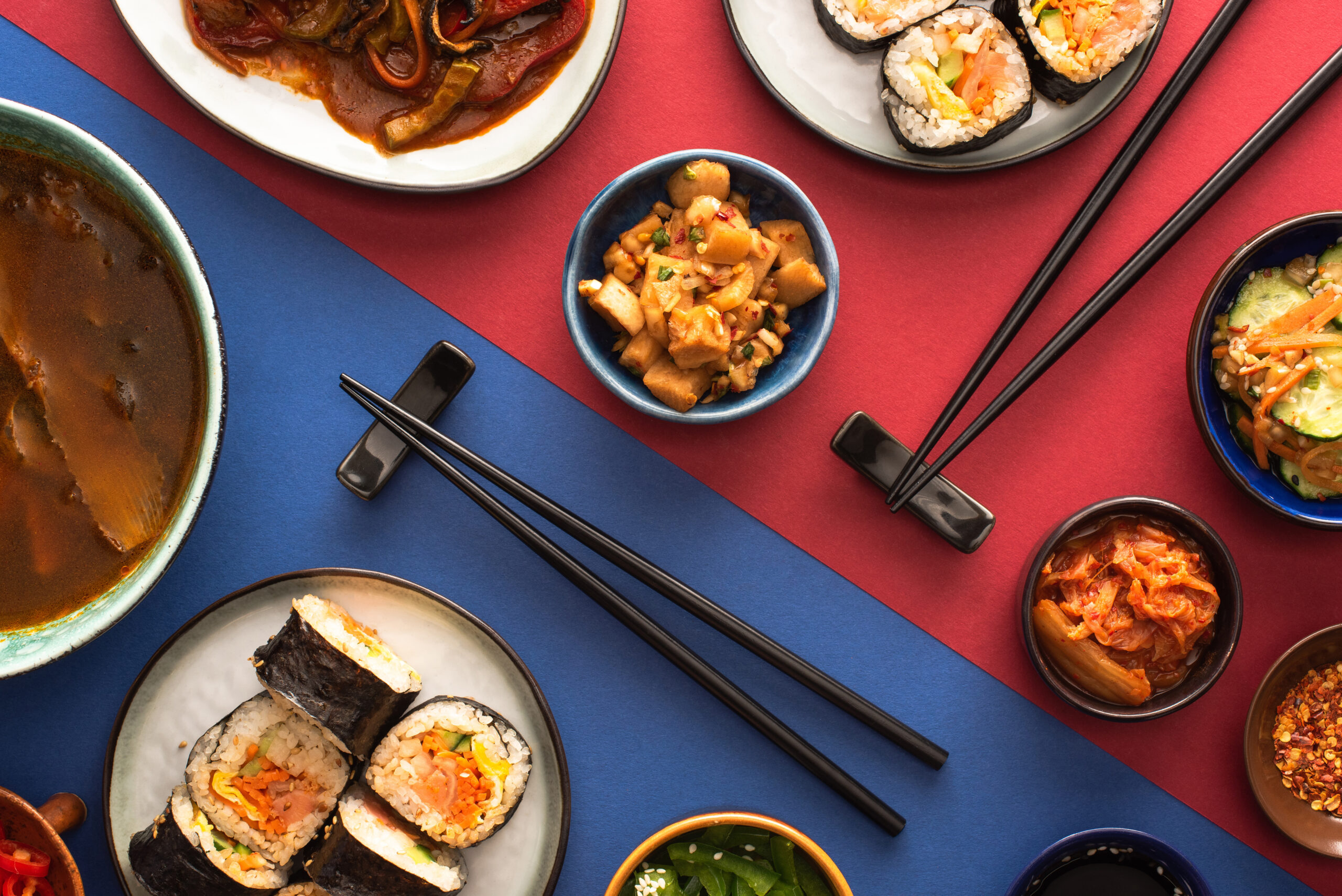
Korean cuisine is as rich in history as it is in flavor, offering a unique blend of savory, spicy, sweet, and umami elements that capture the heart of the culture.
From bustling city street markets to home kitchens, Korean food is a cornerstone of daily life and is celebrated for its variety, nutritional balance, and vibrant flavors.
Whether you’re a seasoned foodie or a newcomer to Korean flavors, these 10 dishes are a must-try for anyone wanting to experience the true essence of Korean cuisine.
Kimchi – The Heart of Korean Cuisine

Kimchi, a staple in every Korean household, is a fermented dish typically made from napa cabbage, radishes, or cucumbers.
Its preparation involves coating the vegetables in a spicy, garlicky paste made of gochugaru (Korean chili flakes), garlic, ginger, and fermented fish sauce. While it may seem intimidating to those unfamiliar with fermented foods, kimchi is a beloved and essential part of Korean meals.
The fermentation process gives it a tangy, rich flavor that can be eaten fresh or aged for an even deeper taste.
Kimchi is versatile and appears in various forms, such as kimchi jjigae (stew) and kimchi fried rice. Its role as a side dish with almost every meal in Korea underscores its cultural significance. For those seeking a taste of authentic Korean flavor, kimchi is an unmissable experience.
Bibimbap – A Flavorful Rice Bowl
Bibimbap, which means “mixed rice,” is a harmonious dish that brings together a variety of textures and flavors in one bowl. Typically served with steamed white rice, this dish is topped with sautéed vegetables like spinach, mushrooms, and carrots, a fried egg, and optional proteins such as beef or chicken. The final touch is a generous drizzle of gochujang (Korean chili paste), which adds a delicious heat and umami.
The beauty of bibimbap lies in its flexibility. It is a balanced meal that can be customized to suit individual tastes, and its vibrant presentation makes it a feast for the eyes as well as the palate.
Bulgogi – Korean Barbecue Beef
Bulgogi is one of the most well-known Korean dishes worldwide, famous for its marinated beef grilled to perfection. The meat is thinly sliced and marinated in a mixture of soy sauce, sesame oil, sugar, garlic, and Asian pear juice, which tenderizes the meat and infuses it with a sweet-savory flavor.
Typically grilled on a barbecue or in a skillet, bulgogi can be served in a variety of ways. It’s often wrapped in lettuce leaves with a dollop of ssamjang (a spicy dipping sauce) and a bite of rice, making for a delicious, healthy treat.
Kimchi Jjigae – A Comforting Kimchi Stew
Kimchi jjigae is a warm, comforting stew that’s perfect for chilly days. Made with well-fermented kimchi, tofu, and sometimes pork or beef, this dish is rich and hearty. The kimchi provides a tangy, sour base that pairs well with the broth’s spiciness.
This stew is a favorite in Korean households, often served as a side dish with rice. It’s the ideal dish to use up leftover kimchi, turning it into a flavorful, comforting meal that embodies the essence of Korean home cooking.
Soondubu Jjigae – Spicy Silken Tofu Stew
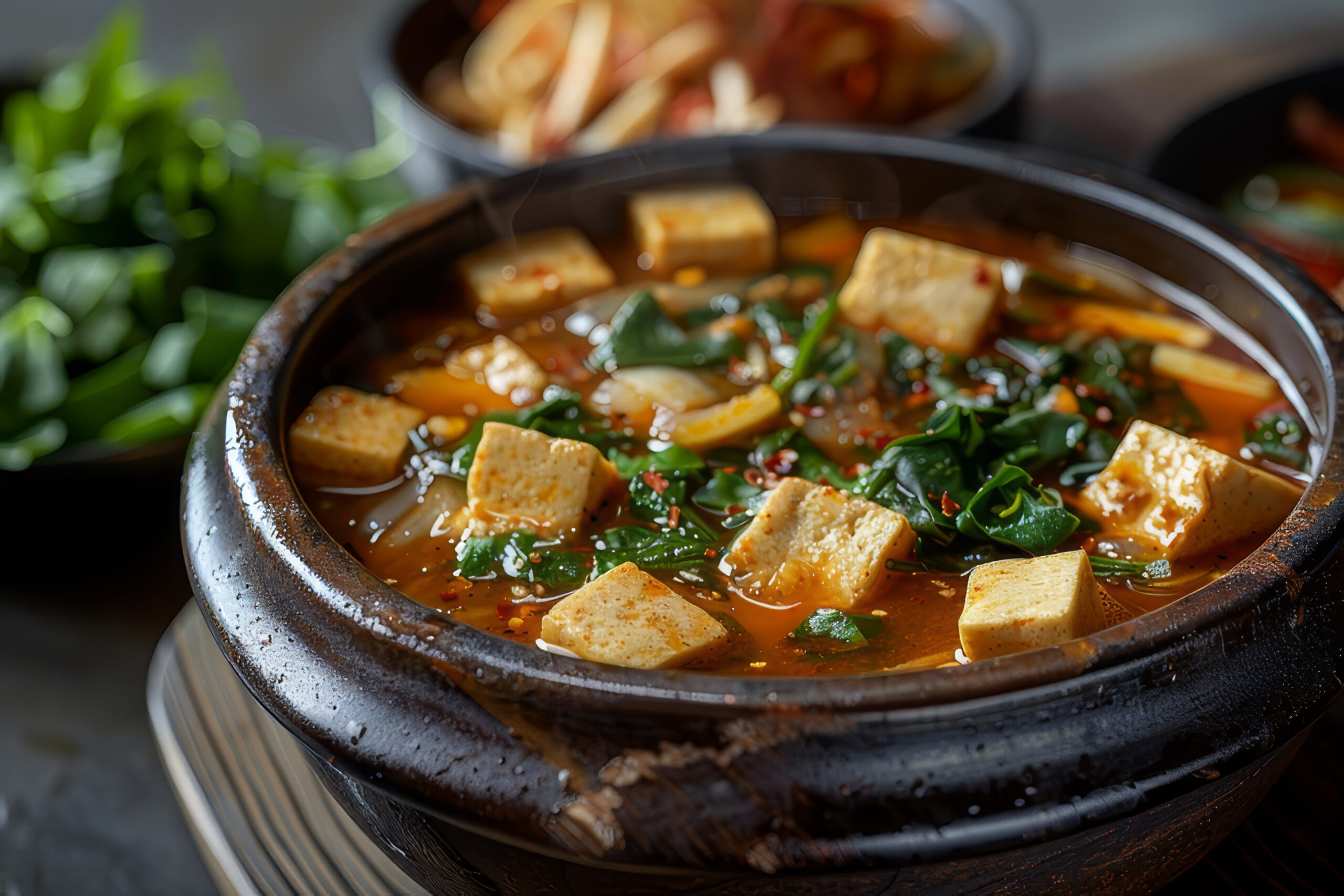
Soondubu jjigae is a fiery hot stew made with silken tofu, vegetables, seafood (often shellfish), and optional meats, all simmered in a rich, spicy broth. The unique element of this dish is its tofu, which absorbs the deep flavors of the broth while maintaining a delicate, melt-in-your-mouth texture.
It’s a perfect dish for spice lovers, as you can adjust the heat level to suit your preferences. Often served bubbling in a stone pot, soondubu jjigae is typically enjoyed with a bowl of steamed rice and several banchan (side dishes), making it a satisfying and filling meal.
Japchae – Stir-Fried Glass Noodles
Japchae is a dish that combines stir-fried sweet potato starch noodles with a variety of vegetables, meat (usually beef or pork), and a savory sauce made from soy sauce, sesame oil, and sugar. The result is a savory-sweet dish with a chewy, satisfying texture from the noodles.
This dish is often served at celebrations and special occasions, making it a staple in Korean households. Its versatility allows it to be enjoyed hot or cold, and its flavors continue to impress, making it a favorite at both home-cooked meals and Korean restaurants around the world.
Dakgangjeong – Sweet and Crispy Korean Fried Chicken
Korean fried chicken, or dakgangjeong, is a game-changer in the world of fried chicken. What sets it apart is its crispy, triple-fried batter and its sticky-sweet glaze, often made with gochujang, honey, garlic, and soy sauce.
The result is an irresistibly crispy exterior and a tender, juicy interior that’s perfectly complemented by the spicy-sweet sauce.
Korean fried chicken is typically enjoyed with a cold beer, making it a popular dish for social gatherings or a night out with friends. Whether you enjoy it as a snack or part of a meal, dakgangjeong is sure to become a favorite.
Ddeokbokki – Spicy Rice Cakes
Ddeokbokki is a beloved street food found throughout Korea, particularly in Seoul’s bustling alleyways. This dish consists of chewy rice cakes simmered in a spicy-sweet sauce made from gochujang, sugar, and fish cakes.
The combination of the chewy rice cakes and the bold, fiery sauce makes ddeokbokki a unique and addictive snack.
Though traditionally served with fish cakes and boiled eggs, ddeokbokki has evolved to include a variety of ingredients, such as vegetables and cheese, offering endless possibilities for customization.
Seolleongtang – Rich Beef Bone Soup
Seolleongtang is a rich, beef-bone soup made by boiling ox bones for hours until the broth turns cloudy white, infused with the deep flavors of beef and bone marrow. The result is a hearty, nourishing soup that’s both satisfying and comforting.
This dish is often served with kimchi and rice, and while it’s commonly eaten for breakfast, it’s enjoyed at any time of day in Korea. Its clean and simple flavors are perfect for those seeking a wholesome, flavorful meal.
Samgyeopsal – Grilled Pork Belly

Samgyeopsal is a fun, interactive dish that involves grilling thick pork belly slices at the table.
The pork is served with a variety of accompaniments, such as garlic, green peppers, ssamjang, and lettuce leaves for wrapping.
The grilled meat is typically eaten by wrapping a slice of pork belly in a lettuce leaf with a dollop of sauce and a bite of rice.
This dish is a favorite among Koreans for its deliciously fatty pork and the communal style of eating, making it an excellent choice for gatherings and celebrations.
Conclusion
Korean cuisine is a treasure trove of unique and delicious dishes that showcase a perfect balance of flavors, textures, and aromas.
From the iconic kimchi to the savory delights of bulgogi and bibimbap, these 10 dishes are the ideal introduction to Korean food for anyone looking to explore its rich culinary heritage.
Whether you are a first-timer or a seasoned fan, each of these dishes offers a different taste of Korea’s deep food culture, and they’re bound to leave you craving more.
Read the Original Article on Crafting Your Home