Understanding the Psychological Drivers of Internet Trolling

Man with a paper-bag on his head working on the laptop
Internet trolling, the deliberate act of provoking others online to elicit an adverse reaction, is more complex than mere online antagonism. It has its roots deeply embedded in various psychological, biological, and environmental factors.
In this comprehensive exploration, we aim to unpack the underlying reasons why some individuals engage in online trolling, drawing on psychological theories, social behaviors, and neurobiological studies.
By understanding these drivers, we can better address and mitigate the harm caused by this disruptive online behavior.
The Psychological Traits Behind Trolling

One of the most significant contributors to internet trolling is the presence of the Dark Triad personality traits: narcissism, Machiavellianism, and psychopathy.
These traits, often discussed in psychological circles, provide a blueprint for understanding the mindset of many internet trolls.
Narcissism
Narcissism is a personality trait characterized by an inflated sense of self-importance, a constant need for admiration, and a lack of empathy for others.
Trolling behavior in narcissists stems from their overwhelming desire to control the attention of others, often through negative and provocative comments. These individuals thrive on creating chaos that centers around their self-perceived superiority.
Victims of narcissistic trolling may suffer from feelings of worthlessness and anxiety. The psychological impact of such behavior can lead to long-term emotional damage, including post-traumatic stress symptoms such as intrusive thoughts and hypervigilance.
Machiavellianism
Machiavellianism is a personality trait characterized by cunning, manipulation, and a complete disregard for moral or ethical considerations.
Trolls with Machiavellian tendencies often use online platforms to manipulate others, driven by the goal of achieving personal gain or causing emotional distress.
Such individuals may view their online interactions as a game of strategy, pulling the strings behind the scenes to provoke others.
This manipulation can extend beyond simple trolling, involving complex schemes designed to exploit others for personal satisfaction or benefit.
Psychopathy
Psychopathy is closely linked to antisocial behavior, marked by a complete lack of empathy, deceitfulness, and emotional coldness. Psychopathic trolls may actively target individuals with the intent to hurt, deceive, or discredit them for amusement.
Their actions are often calculated and deliberate, designed to elicit a specific reaction from their victims while simultaneously remaining emotionally detached.
Psychopaths may engage in online trolling without feeling remorse, enjoying the emotional chaos they create without any concern for the impact on others. Recognizing the signs of psychopathy in online behavior is crucial for understanding the malicious intent behind trolling.
Schadenfreude
Schadenfreude, the psychological phenomenon of taking pleasure in the misfortunes of others, plays a pivotal role in motivating trolls.
This desire to feel superior by watching others suffer can lead to trolling, as individuals seek to derive enjoyment from their targets’ humiliation.
Trolls often target vulnerable individuals or groups, using those individuals’ or groups’ vulnerability to fuel their own sense of superiority.
The feeling of power that comes from witnessing someone else’s demise serves as a motivating force for many trolls, reinforcing the cycle of online harassment and antagonism.
Negative Social Potency
For some individuals, trolling provides a form of negative social potency—the pleasure derived from cruelty.
Research has shown that specific individuals are particularly drawn to using social media platforms for malicious purposes, enjoying the act of embarrassing others or inciting anger.
This behavior is often linked to a need for validation, with trolls deriving satisfaction from the reactions they provoke.
The more a person engages in this behavior, the more they become addicted to the sense of power and control it gives them, reinforcing a vicious cycle of trolling.
Environmental and Genetic Factors
The debate over the relative influence of genetic predispositions versus environmental factors in shaping behavior is particularly relevant to trolling.
Studies suggest that both nature and nurture play significant roles in the development of trolling tendencies.
Genetic Influence on Personality Traits
Genetic factors may contribute to the development of specific personality disorders that are often linked to trolling behavior, such as narcissism and psychopathy.
Research into the genetic underpinnings of these conditions has uncovered specific gene variations that may predispose individuals to these traits.
For example, the gene tryptophan hydroxylase-2 has been implicated in the development of narcissistic personality traits.
Environmental Factors and Upbringing
On the other hand, environmental factors such as childhood trauma, family dynamics, and social conditioning can also shape an individual’s disposition to trolling behavior.
Individuals who experience neglect or abuse in their formative years may develop narcissistic tendencies as a defense mechanism, leading them to seek attention and validation through online harassment.
Brain Damage and Its Impact on Trolling Behavior
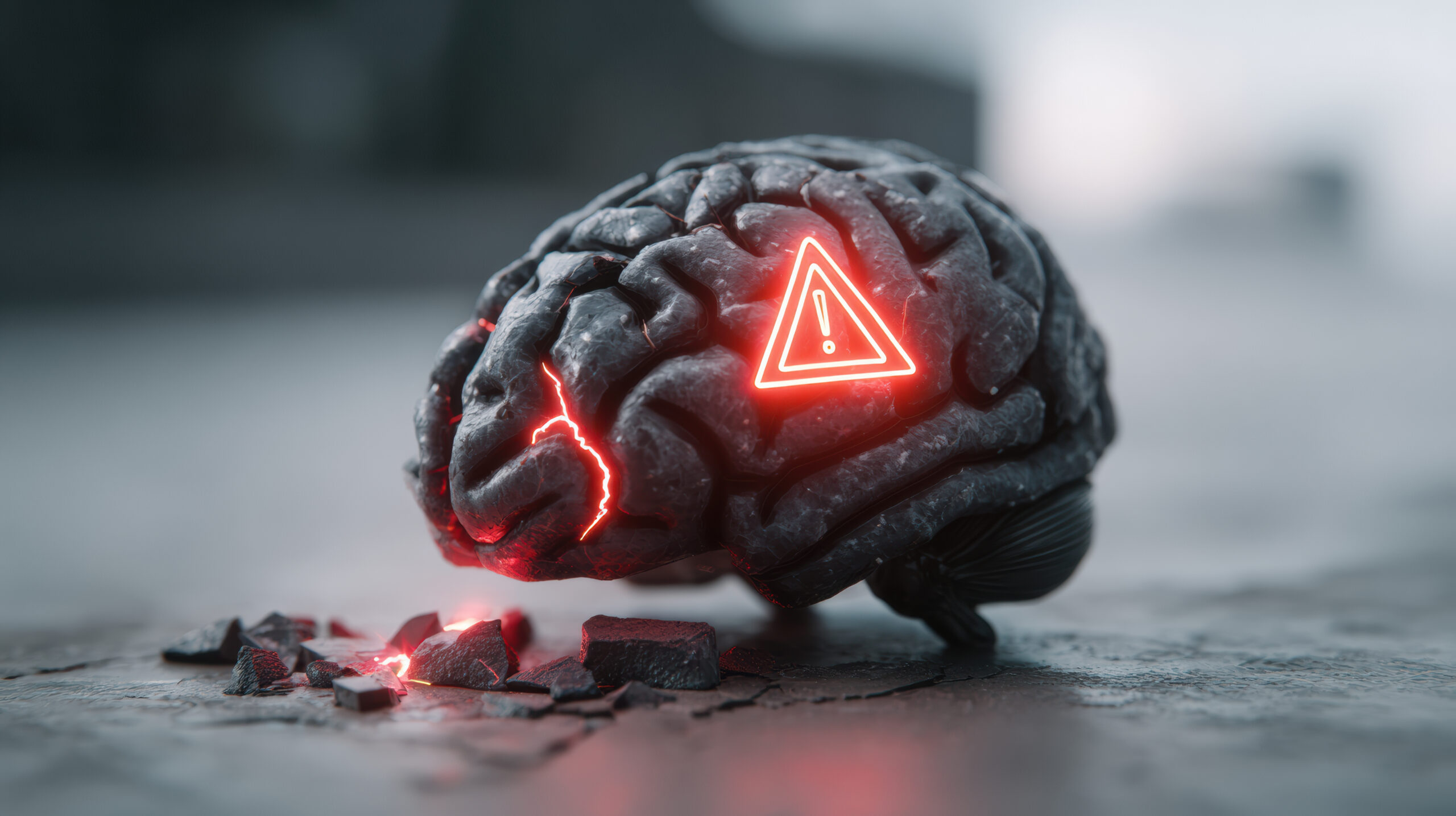
Studies have shown that brain damage can influence an individual’s responses, social interactions, and impulse control.
For example, damage to the insular cortex, which is responsible for empathy, may contribute to a lack of emotional intelligence in individuals prone to trolling.
Similarly, damage to other areas of the brain involved in memory and emotional processing, such as the hippocampus and amygdala, may lead to behavioral changes associated with narcissistic or psychopathic tendencies.
These brain abnormalities can explain the lack of empathy and disregard for others that is often seen in online trolls.
Neurobiology
Neurobiological studies have found a link between oxidative stress and narcissistic personality disorder (NPD), a trait commonly associated with trolling.
Excessive oxidative stress, resulting from an imbalance between antioxidants and free radicals, has been shown to affect emotional regulation and increase hypersensitivity to perceived slights.
This heightened sensitivity can exacerbate trolls’ btrolls’ making them more prone to aggression and provocation.
Understanding the neurobiological roots of trolling behavior offers valuable insight into potential therapeutic interventions that may help mitigate such behaviors.
Mood and Context
Trolling is not always an inherent trait; external factors, such as mood and the context of an online discussion, can trigger it.
Research has shown that individuals are more likely to engage in trolling when they are in a negative mood or when they encounter offensive or inflammatory content in online discussions.
This highlights the importance of managing online environments and fostering positive, respectful interactions. Understanding the triggers of trolling enables us to create more supportive and productive online spaces.
The Role of Anonymity and the Online Disinhibition Effect
The anonymity provided by the internet is a powerful motivator for trolling behavior. When individuals hide behind a screen, they often feel a false sense of security and detachment from the consequences of their actions.
This phenomenon, known as the online disinhibition effect, allows people to act in ways they would not in face-to-face interactions.
This sense of detachment can embolden trolls, who may feel liberated from the social norms and accountability that govern real-world behavior.
The online environment, free from the immediate social consequences of their actions, facilitates the spread of toxic online behaviors.
Social Dynamics

Tribalism, or the tendency for individuals to identify with a group, is another factor that can drive trolling behavior. When individuals feel part of an online community, especially one that encourages negative behaviors, they may be more likely to engage in trolling.
The sense of belonging to a group, even in a negative context, can empower trolls to act in ways they might otherwise avoid. This “pack men” mentality often leads to more aggressive and hostile online interactions, further fueling the cycle of trolling.
Addressing and Mitigating Trolling
The challenge of addressing internet trolling lies in understanding its multifaceted nature. Solutions to trolling should focus on both individual and systemic approaches:
- Psychological Interventions: Providing therapy and support for individuals with narcissistic, psychopathic, or Machiavellian tendencies can help reduce the likelihood of trolling behavior.
- Environmental Controls: Implementing stricter moderation and creating positive online communities can help curb trolling by discouraging harmful behaviors.
- Raising Awareness: Educating internet users about the psychological factors behind trolling can help people recognize and resist the urge to engage in online harassment.
Connclusion
By addressing the root causes of trolling and creating healthier online environments, we can mitigate the negative impact of this behavior on individuals and communities alike.