


The post Udon Carbonara Is the Creamy Noodle Mash-Up Everyone Wants to Try first appeared on Crafting Your Home.
Carbonara has officially wandered away from spaghetti and found a great new home in a bowl of thick, chewy udon. Udon carbonara combines Japanese noodles with the egg, cheese, pepper, and salty pork elements of the Italian classic, creating a rich, glossy dish that is equal parts comfort food and conversation starter.
The idea is not as random as it first sounds. Udon’s springy, substantial texture stands up to a silky egg-and-cheese sauce, while Japanese ingredients such as dashi or kombu can bring a savory depth that feels different from, rather than simply copied from, a traditional Roman carbonara. The result is a cross-cultural noodle dish appearing in high-profile restaurants, viral food coverage, and home kitchens alike.
Why Udon Makes So Much Sense Here
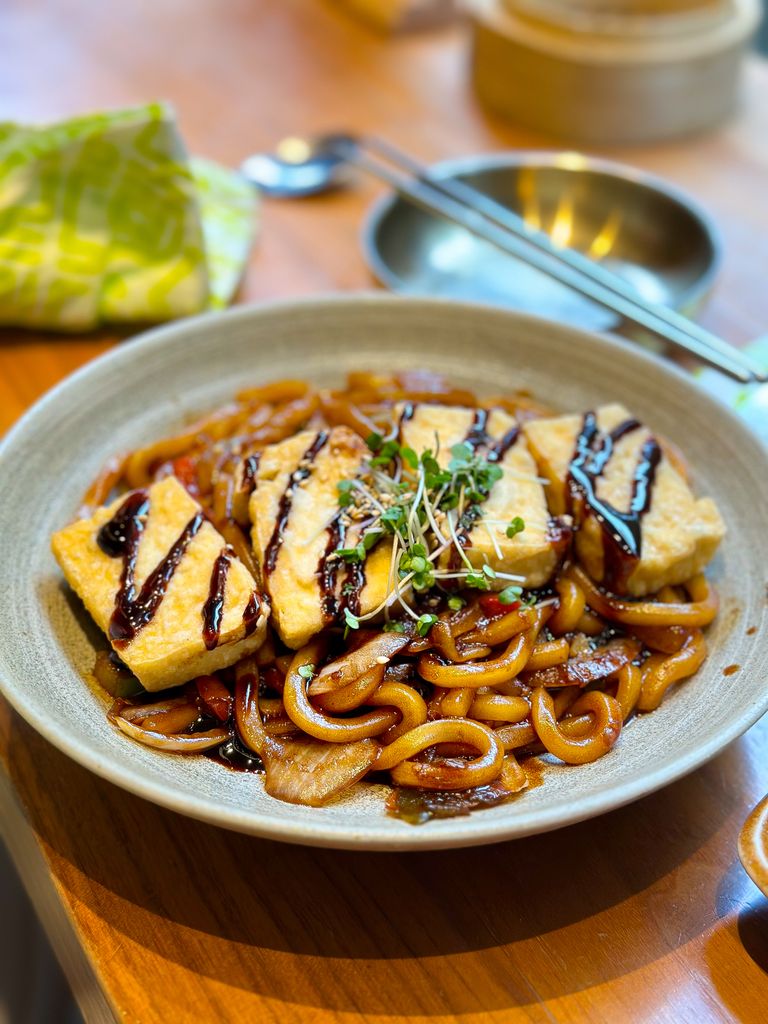
Traditional carbonara is famously spare: pasta, cured pork, egg, hard cheese, and black pepper. No cream is needed when the pasta’s heat, the egg, and finely grated cheese emulsify into a smooth sauce. Udon carbonara keeps the comforting core of that idea but swaps in Japanese wheat noodles, which are thicker, softer and notably chewier than the long, firm pasta strands usually associated with the Italian original.
That textural switch is the entire point. Instead of coating delicate spaghetti, the sauce clings to broad, bouncy noodles that add heft to every bite. It is a little like the difference between a light silk blouse and a favorite oversized sweater: both can be satisfying, but they deliver comfort in completely different ways. The udon doesn’t try to impersonate pasta; it gives the carbonara-style sauce a new personality.
At Perry’s in Washington, D.C., chef Masako Morishita makes a version with Sanuki-style udon, a style of Japanese noodle known for its springy chew. Her dish pairs those noodles with a Parmesan-and-egg sauce, crisp prosciutto, chives, and black pepper. It also uses kombu tea powder, which Food & Wine says supplies “a subtle savory depth” without delivering a strongly seafood-forward flavor.
Morishita’s approach has arrived at a notable moment. She was named one of Food & Wine’s 2026 Best New Chefs, an annual honor that has previously highlighted chefs including Thomas Keller, Rick Bayless, Nancy Silverton, Roy Choi, Kwame Onwuachi and Paola Velez. Explaining this year’s group, Food & Wine editor-in-chief Hunter Lewis said, “This class has that electricity,” adding that the chefs have “a distinct point of view, extraordinary command of their craft, and the ability to make you see something familiar in an entirely new way.”
Udon carbonara fits that description neatly. It takes a dish many diners recognize immediately and reworks it through a Japanese noodle lens. The appeal isn’t novelty for novelty’s sake; it is the pleasure of a familiar flavor combination in a completely different eating experience.
The Dish Is Bigger Than One Viral Bowl
The current attention around udon carbonara is also connected to the international reputation of Udon Shin, the Tokyo noodle specialist founded in 2011. The restaurant