
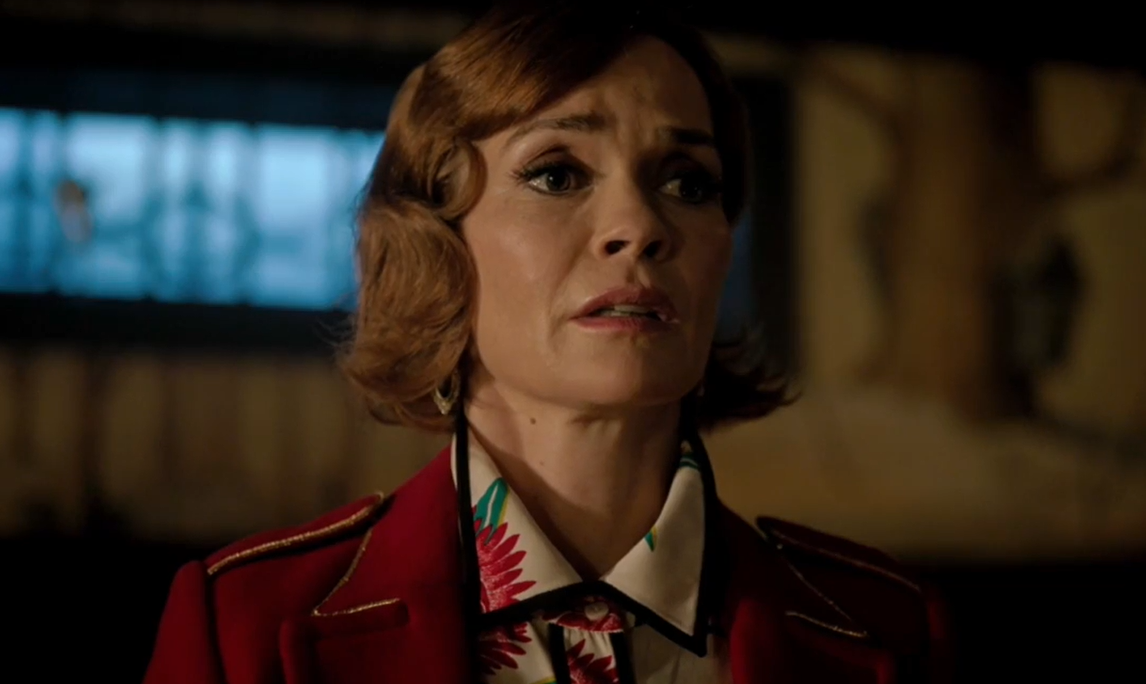

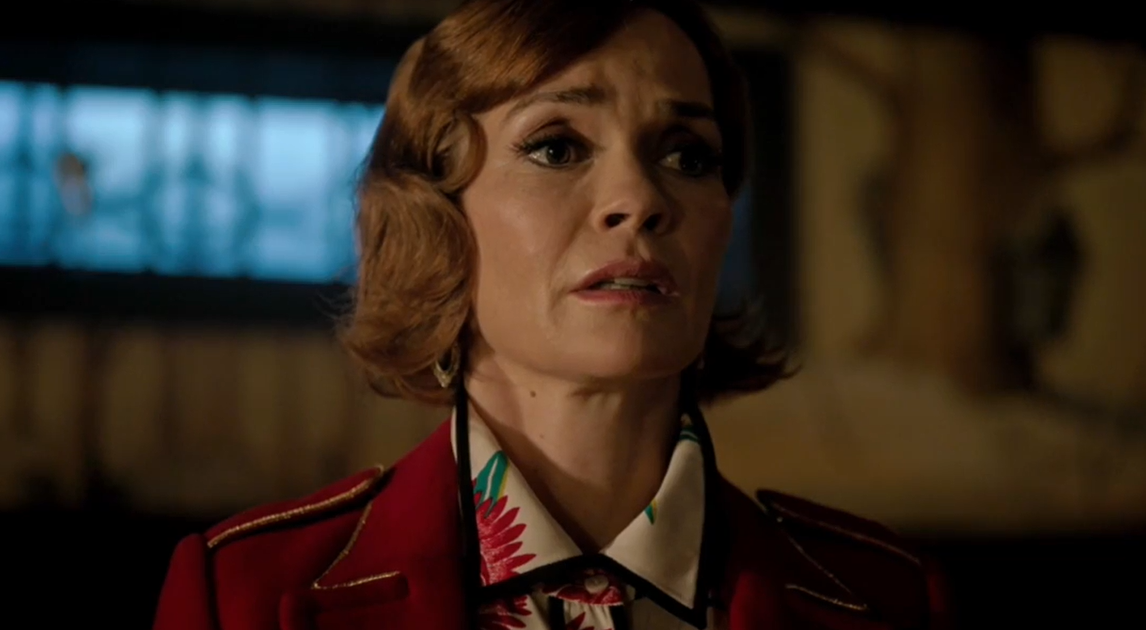
The post 10 TV Moms Who Were Actually Terrible Parents first appeared on Crafting Your Home.
Television has given us plenty of unforgettable mothers. Some are loving, some are hilariously overprotective, and others make you wonder how their children survived another family dinner.
But there’s a special category of TV moms who take bad parenting to another level. We’re talking about mothers who manipulate their children, prioritize personal ambitions, or somehow turn ordinary family moments into emotional disasters.
The interesting part? Some of these characters are so entertaining that it’s easy to overlook just how terribly they treat their kids. Others are written as obvious villains, but their worst parenting decisions still manage to shock viewers.
From sitcom favorites to ruthless political players, these 10 fictional mothers prove that sharing DNA doesn’t automatically make someone a good parent.
Spoiler warning: Major plot developments are discussed below.
Lucille Bluth — Arrested Development
Lucille Bluth could turn a simple family conversation into a masterclass in emotional destruction.
Played by Jessica Walter, this wealthy, sharp-tongued matriarch has a different method of making each child miserable. Lindsay receives constant criticism about her appearance, G.O.B. struggles with his mother’s dismissive attitude, and Buster gets smothered with attention.
One particularly revealing moment comes when Lindsay complains about her mother’s relentless criticism. Rather than acknowledge her daughter’s feelings, Lucille essentially suggests that dieting would solve the problem.
And then there’s Buster. Instead of encouraging independence, Lucille maintains an unusually controlling relationship with him.
She’s undeniably hilarious, but imagine growing up with someone who treats your insecurities like conversational entertainment.
Betty Draper — Mad Men
Betty Draper has the polished appearance of a picture-perfect suburban mother. Unfortunately, her parenting skills don’t always match the beautiful surroundings.
One particularly frustrating moment unfolds during the Season 7 episode “Field Trip.”
Betty volunteers to accompany Bobby’s class to a farm, and their outing initially seems like a wonderful opportunity to bond.
Then Bobby trades away her sandwich for candy.
Instead of recognizing an ordinary childhood mistake, Betty takes the incident personally. Even after Bobby explains that he didn’t realize she wanted the sandwich, she responds with anger and emotional distance.
Later, she wonders why her children don’t love her.
The scene captures a troubling pattern: Betty sometimes expects her children to understand her emotional needs better than she understands theirs.
Livia Soprano — The Sopranos
Some mothers use guilt trips to get their way. Livia Soprano takes manipulation into genuinely frightening territory.
Tony Soprano already has enough problems managing his criminal empire. Unfortunately, his relationship with his mother introduces another dangerous complication.
During the show’s first season, Livia shares damaging personal information about Tony with his uncle Junior. Her manipulative conversations help encourage Junior’s assassination plot against his own nephew.
Tony survives the attempt, but discovering his mother’s involvement permanently damages their relationship.
It’s difficult to imagine a more devastating family betrayal.
Livia demonstrates how resentment and emotional manipulation can become destructive when someone refuses to separate personal grievances from their child’s well-being.
De’Londa Brice — The Wire
Most parents hope their children will have opportunities they never experienced. De’Londa Brice takes a very different approach. Her son Namond is growing up in Baltimore, and rather than encouraging him to pursue another future, she pressures him to participate in the drug trade.
When financial support from the Barksdale organization disappears, De’Londa pushes for Namond to receive drugs to sell. Her expectations place enormous pressure on a boy who clearly has potential beyond street dealing.
Fortunately, Bunny Colvin recognizes that potential.
Even Namond’s incarcerated father, Wee-Bey, ultimately agrees that his son should live with Colvin and his wife.
The contrast is striking. While De’Londa tries to push Namond toward her preferred lifestyle, other adults recognize that he deserves a different path.
Related: If Your Mother Said These 8 Things, She’s Probably Not a Good Person
Monica Gallagher — Shameless
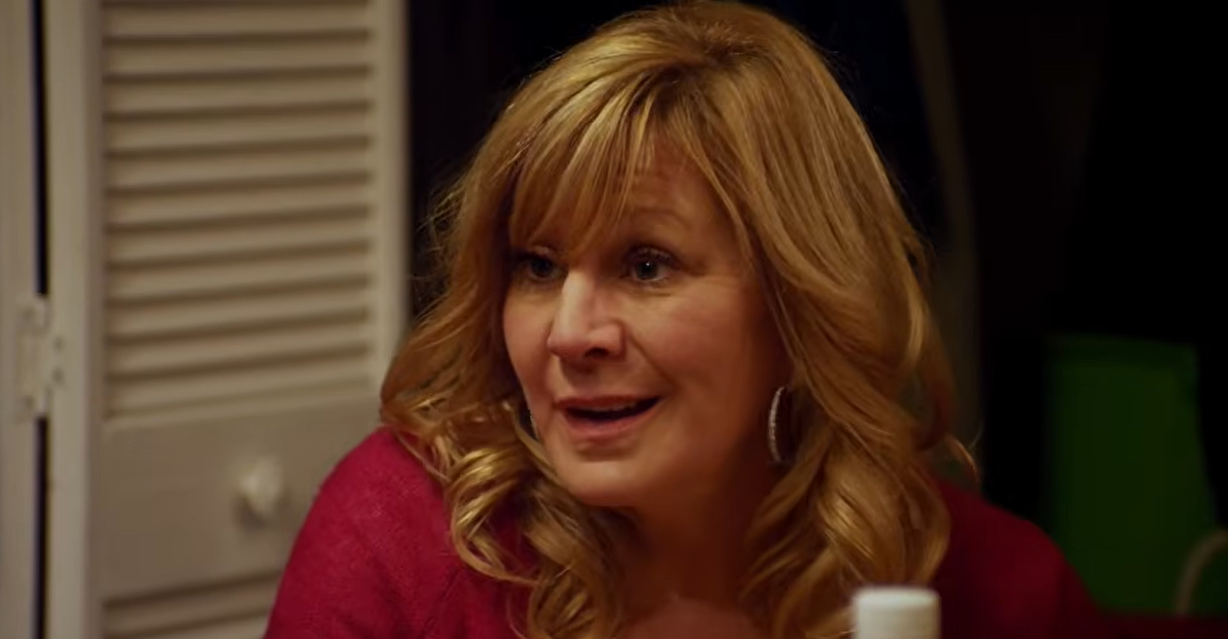
Monica Gallagher has a habit of returning to her children’s lives just long enough to remind them why trusting her is complicated. Her repeated abandonment has already forced the Gallagher children to navigate family life without dependable maternal support.
Then comes the particularly devastating episode “A Great Cause.” Monica discovers the family’s carefully saved squirrel fund and spends the money with Frank on drugs and a car.
Those savings represented something important to the children, making their disappearance another painful betrayal.
Her reckless behavior also puts the younger children in dangerous situations, including a car incident involving Liam and Carl.
Monica’s storyline is particularly heartbreaking because her children repeatedly have reasons to hope things might improve, only to face another disappointment.
Penelope Blossom — Riverdale
Penelope Blossom is proof that having a beautiful mansion doesn’t guarantee a loving home. Her relationship with daughter Cheryl is marked by manipulation, control, and emotional cruelty.
One of her most disturbing decisions is sending Cheryl to the Sisters of Quiet Mercy against her will. The reason? Penelope wants to suppress her daughter’s bisexuality.
At the institution, Cheryl encounters anti-gay propaganda and punitive physical labor before Toni and Veronica help rescue her.
What makes Penelope particularly disturbing is the way she treats control as a parental responsibility.
Rather than accepting Cheryl as an individual, she attempts to force her daughter into the identity she prefers.
Cersei Lannister — Game of Thrones
Cersei Lannister consistently presents herself as someone willing to do anything for her children. Unfortunately, her definition of protection often includes manipulation, revenge, and ruthless political decisions.
One of the clearest examples unfolds during the Season 6 finale. Cersei orchestrates the destruction of the Great Sept of Baelor, killing numerous people, including Margaery Tyrell, her son Tommen’s wife.
Tommen is prevented from entering the Sept, physically protecting him from the explosion. But Cersei fails to account for the emotional consequences of destroying someone her son loves.
Overwhelmed by what happens, Tommen subsequently takes his own life.
Cersei never intends that outcome, but her actions reveal the devastating consequences of prioritizing revenge over her child’s feelings.
Beverly Hofstadter — The Big Bang Theory
Imagine discovering that your mother views your entire childhood as material for professional research. That’s essentially Leonard Hofstadter’s experience.
Beverly, an accomplished academic, repeatedly analyzes Leonard’s behavior while offering little of the warmth he desperately wants. In “The Maternal Conclusion,” she appears unusually interested in his personal life and professional achievements.
Leonard begins hoping their relationship might finally improve.
Then Beverly reveals that her apparent interest is connected to research for another book about parenting.
Ouch.
Leonard eventually confronts her about the pain she’s caused. Their storyline concludes with forgiveness and an emotional embrace, offering a meaningful moment of reconciliation.
Still, that ending doesn’t erase years of treating a son more like a research subject than a person.
Related: 9 Brutal Truths About Motherhood Nobody Warns Women About
Beatrice Horseman — BoJack Horseman
Few animated television mothers are as emotionally devastating as Beatrice Horseman. Throughout BoJack’s life, she repeatedly makes him feel responsible for her disappointments.
In “Brand New Couch,” viewers see how Beatrice blames her young son for the changes she associates with becoming a mother. Instead of offering encouragement, she tells him that achieving success is his responsibility because of what his birth supposedly cost her.
Her cruelty continues into his adulthood, when she suggests that something is fundamentally wrong with him.
Later episodes explore Beatrice’s own painful upbringing, adding complexity to her character without excusing her treatment of BoJack.
Her story illustrates how destructive family patterns can continue when past grievances become weapons against the next generation.
Selina Meyer — Veep
Selina Meyer might be one of television’s funniest political characters, but her priorities rarely favor her daughter. Catherine spends much of the series competing with her mother’s political ambitions for even a little attention.
The ultimate betrayal arrives during the series finale.
Seeking a political endorsement, Selina agrees to support repealing same-sex marriage, despite knowing how the decision affects Catherine and her relationship with Marjorie.
For Selina, the political advantage outweighs the damage to her daughter. Catherine ultimately disavows her mother.
The finale later reveals that overturning same-sex marriage becomes part of Selina’s presidential legacy.
It’s an especially bitter conclusion to a relationship in which Catherine repeatedly comes second to her mother’s pursuit of power.
Great Television Characters, Terrible Parenting Choices
What makes these television mothers so memorable isn’t simply that they behave badly. Their stories reveal different ways parents can fail their children.
Some rely on criticism and control. Others sacrifice family relationships for money, ambition, or personal satisfaction.
And while several characters have complicated histories or moments of genuine affection, those details don’t automatically excuse their decisions.
Thankfully, we can appreciate their unforgettable performances from the comfort of our couches, without having to survive Thanksgiving dinner at their houses.
Other Posts You Might Like
If you like what you just read, then subscribe to our newsletter and follow us on social media.


