

This article was originally published on Crafting Your Home. A human contributor also wrote and edited the post.
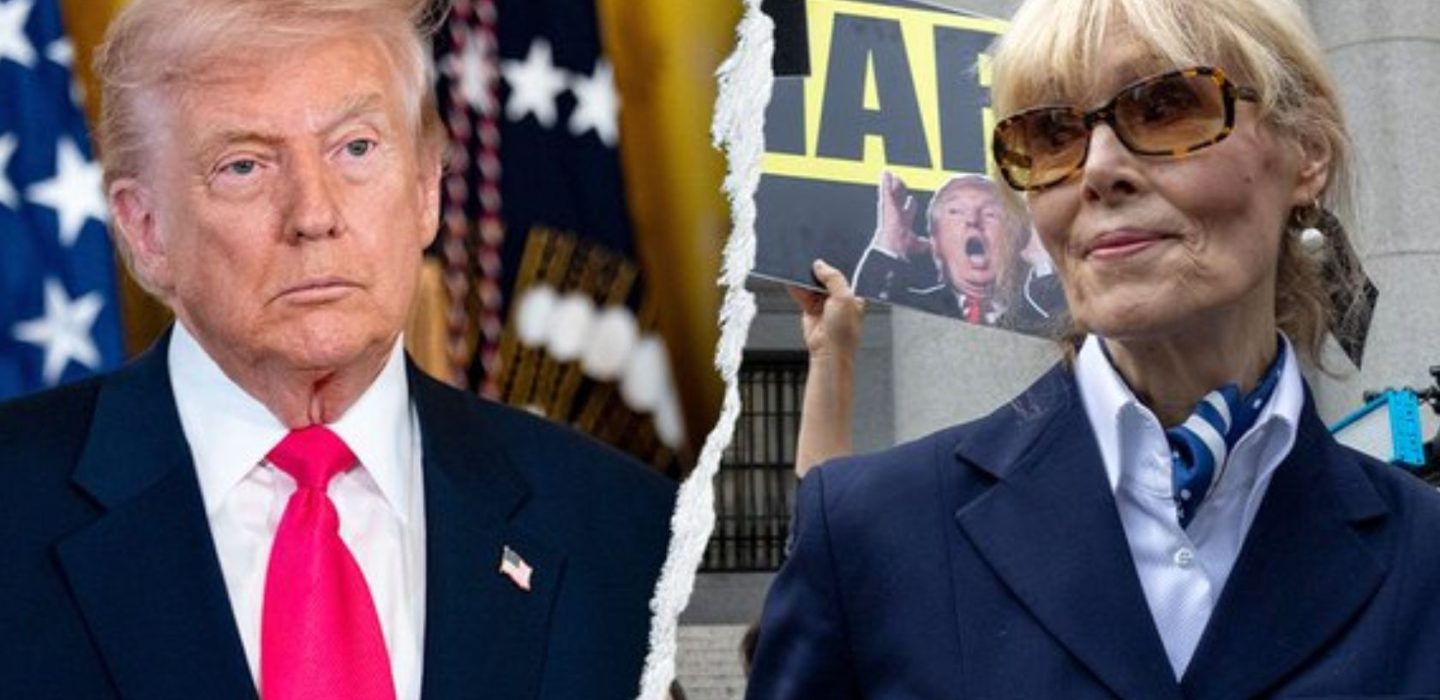
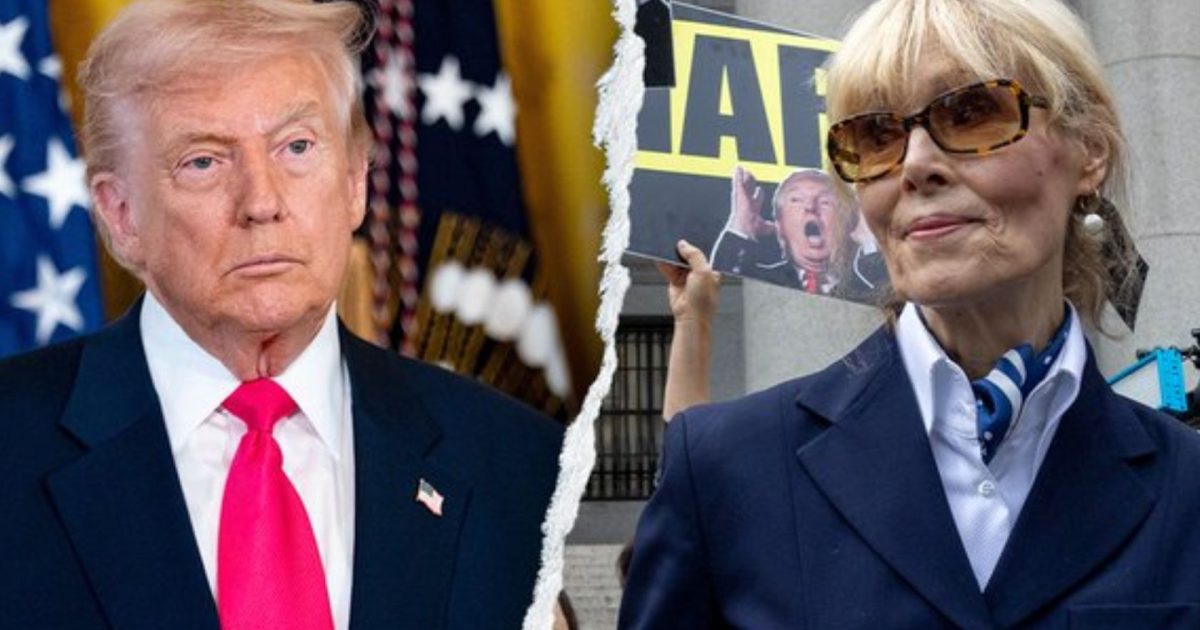
President Donald Trump has asked the U.S. Supreme Court to intervene in his long-running legal battle with writer E. Jean Carroll, seeking to overturn an $83 million defamation verdict that was awarded against him by a jury. The appeal represents another major legal effort by Trump to challenge the financial consequences of statements he made about Carroll after she accused him of sexual assault.
The case has remained one of the most closely watched legal disputes involving Trump, combining questions about presidential speech, personal liability, defamation law, and the limits of public figures’ legal protections. Trump’s latest move places the dispute before the nation’s highest court, where justices will decide whether they want to consider the arguments raised by his legal team.
Trump’s Appeal Challenges the Defamation Judgment

Trump’s lawyers are asking the Supreme Court to review the lower court decisions that allowed the $83 million defamation award to stand. The legal team argues that the verdict raises important constitutional questions involving free speech rights and the treatment of public figures under defamation laws.
The case stems from comments Trump made while denying Carroll’s allegations against him. A jury previously found that Trump had defamed Carroll by making statements that damaged her reputation, resulting in a major financial award intended to compensate her for harm caused by those remarks.
Trump has consistently denied wrongdoing and has argued that the legal proceedings against him have been politically motivated. His appeal represents an attempt to reverse a judgment that has become one of the largest defamation awards involving a private individual and a U.S. president.
The Long Legal Battle Between Trump and Carroll
The conflict between Trump and Carroll began after Carroll publicly accused him of sexually assaulting her in a department store dressing room in the 1990s. Trump denied the allegation and repeatedly criticized Carroll’s claims, leading to multiple legal disputes.
In an earlier trial, a jury found Trump liable for sexually abusing Carroll and later defaming her. A separate trial focused on additional comments Trump made after denying the allegations, resulting in the $83 million defamation verdict.
Carroll has maintained that the jury’s decision confirmed that Trump’s statements caused significant damage to her reputation.
Her legal team has argued that the large financial award reflects the seriousness of repeatedly attacking her credibility after she came forward with her accusations.
Trump’s attorneys, however, have continued to challenge the rulings, arguing that the courts did not properly account for his rights as a public figure and political leader.
Supreme Court Could Decide Whether to Hear the Case
The Supreme Court receives thousands of appeals each year but agrees to hear only a small percentage of cases. For Trump’s appeal to move forward, at least four justices would need to vote in favor of reviewing the case.
The court’s decision could have broader implications beyond Trump and Carroll. The dispute touches on major legal questions involving public officials, political speech, and whether statements made during public controversies receive additional protections under the First Amendment.
Legal experts have noted that defamation cases involving public figures often require plaintiffs to meet a higher legal standard because of constitutional protections surrounding speech. The Supreme Court has historically been cautious about limiting political expression, but it has also recognized that false statements that cause serious harm can result in legal consequences.
Trump Faces Multiple Legal Battles
The Carroll case is one of several legal challenges Trump has faced in recent years. His legal disputes have involved criminal cases, civil lawsuits, and challenges connected to his business and political activities.
Another separate legal matter mentioned in recent reports involves Trump’s defamation dispute with the BBC, where he reportedly sought billions of dollars in damages.
A federal judge ordered Trump’s trust to provide financial records connected to that case, allowing the court to examine information related to his claimed damages.
That legal fight is separate from the Carroll case. Still, it adds to the broader pattern of courtroom battles involving Trump and questions about financial claims, public statements, and legal accountability.
What Happens Next in the Carroll Case

The Supreme Court’s decision on whether to hear Trump’s appeal could determine the next stage of the dispute. If the court declines to take the case, the lower court’s ruling and the $83 million judgment would remain in place.
If the justices agree to review the case, both sides would have an opportunity to present arguments before the court, potentially leading to a decision that could influence future defamation cases involving politicians and other public figures.
For Carroll, the verdict represents a legal victory after years of litigation. For Trump, the appeal is another attempt to challenge a judgment he argues was unfair and legally flawed.
The Supreme Court’s response will determine whether the case becomes a final chapter in the dispute or continues as another major legal battle involving the former and current president.
If you like what you just read, then subscribe to our newsletter and follow us on social media.


