


For people trying to move through downtown Washington, D.C., this was not just another presidential weekend. Streets were blocked, park areas were fenced off, security was expanded, and one of the most recognizable lawns in America was turned into the site of a UFC fight night.
President Donald Trump’s 80th birthday celebration brought a rare kind of spectacle to the White House South Lawn. Instead of a private dinner or quiet family event, the weekend centered on UFC Freedom 250, a mixed martial arts event tied to the nation’s 250th anniversary celebration.
But the bigger story is not only the fight card. The question now surrounding the event is: how far should the government go when a president’s personal celebration, public pageantry, federal land, private sponsors, and national security all converge in one place?
What Happened
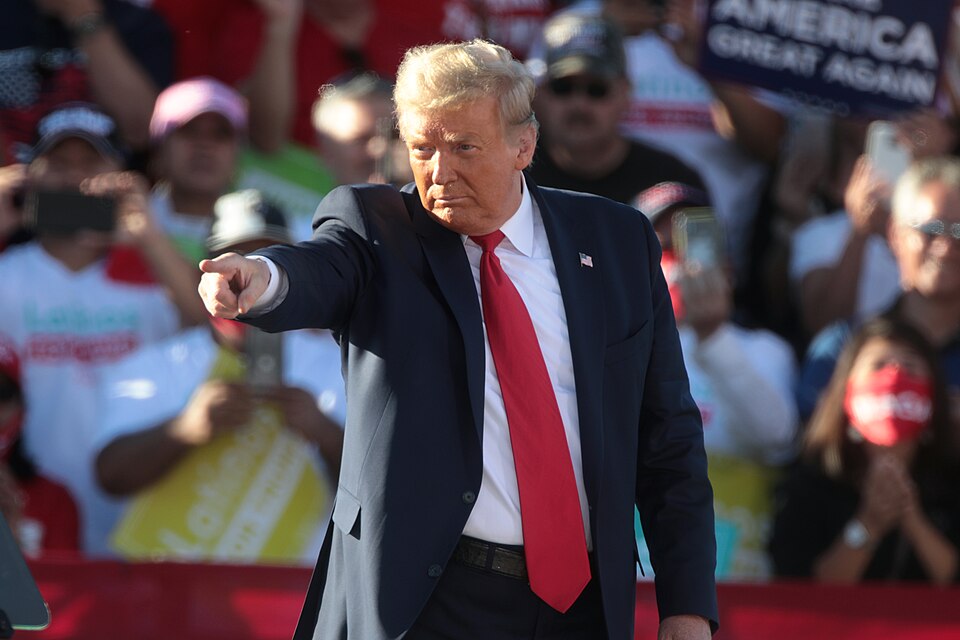
According to the Associated Press, Trump was set to mark his 80th birthday on Sunday with a UFC event on the South Lawn of the White House. The event included seven fights, a temporary arena, thousands of invited spectators, and a large setup built around the UFC octagon.
The White House framed the event as part of the broader celebration of America’s 250th anniversary. Supporters saw it as a bold, patriotic show tied to Flag Day and the country’s semiquincentennial year.
Still, the timing made the event deeply personal. Trump’s birthday, the White House setting, the UFC partnership, and the presence of top officials turned the night into something much larger than a sports broadcast.
The event also came during a tense political moment. AP reported that Trump was facing pressure over the war in Iran, inflation concerns, gas prices, and questions about public approval. That backdrop made the fight night feel less like a routine celebration and more like a national argument over priorities.
For Washington residents, commuters, hotel workers, tourists, and nearby businesses, the event had real consequences. Large sections around the White House, the Ellipse, Lafayette Park, and surrounding streets were closed or restricted for setup, security, and crowd movement.
The National Park Service said the restrictions were necessary at the Secret Service’s request. Officials cited security sweeps, guest arrivals, screening areas, and the need to separate ticketed guests from the general public.
That means the impact reached far beyond the people sitting near the octagon. Anyone trying to work, visit, drive, deliver goods, or move through parts of downtown D.C. had to adjust.
This is why the story matters locally. A national spectacle may look like entertainment on television, but on the ground, it can mean rerouted traffic, blocked sidewalks, closed parks, extra security lines, and frustrated residents trying to get through their day.
The Court Fight Behind the Celebration
The most serious twist came in the form of a federal lawsuit. According to AP, two Virginia residents sued the National Park Service to stop the event, arguing that the UFC fight violated rules against sporting events on federal parkland.
The lawsuit did not accuse Trump of a crime. It challenged the government approval process and raised questions about whether the South Lawn and surrounding federal spaces were being used properly.
According to court documents cited by AP, the National Park Service pushed back, describing the scale of preparation already underway. The filing said more than $60 million and tens of thousands of labor hours had gone into the event, with the money coming from UFC and affiliated groups.
The filing also said more than seven federal agencies had allocated significant resources and manpower. That detail changed the story from a celebrity sports event into a broader question about public resources, federal coordination, and the symbolic use of national landmarks.
A Birthday Unlike Biden’s
The contrast with former President Joe Biden was sharp. When Biden turned 80 in November 2022, he marked the day with a private family brunch at the White House.
Trump chose the opposite image. His birthday weekend featured lights, crowds, athletes, music, a massive outdoor structure, and a sport built around combat.
That contrast tells a larger story about political style. Biden’s 80th birthday fed a national conversation about age and fitness for office. Trump’s 80th birthday did that too, but it also added a spectacle designed to project stamina, power, and cultural dominance.
AP noted that Trump has now replaced Biden as the oldest person elected U.S. president. Polling has also shown public concern about Trump’s mental sharpness and physical health, though the White House has rejected those doubts and pointed to medical statements describing him as healthy.
The Money Question
The White House has said UFC is paying for the event. That matters because critics are likely to ask whether taxpayers are directly footing the bill.
However, the court filing still raises another issue. Even when a private group pays for construction and production, federal agencies may still devote personnel, planning, security, screening, transportation coordination, and public space management.
That is where the civic concern begins. Residents may not care who paid for the lights or the cage, but they may care when public streets close, parks are restricted, agencies are stretched, and federal spaces become part of a branded political spectacle.
For small businesses near downtown, closures can affect deliveries and foot traffic. Workers can stretch their commutes. For visitors, they can turn a planned trip to national landmarks into a maze of fencing and blocked sidewalks.
What Happens Next
The event was scheduled to move forward Sunday night, with seven bouts and thousands of spectators expected near the White House. Thousands more were expected to watch from the Ellipse area.
After the fights, Trump was scheduled to leave for France for the G7 summit, according to AP. Crews were then expected to begin taking down the temporary installations, with removal planned in the days after the event.
The lawsuit and public debate may continue even after the last fight ends. The key question is no longer whether UFC can fill a White House lawn with energy. It is whether this kind of event should become a model for future presidential celebrations.
This story is not really about cage fighting. It is about the line between public office and personal showmanship. The White House is both a workplace and a symbol. It belongs to the presidency, but it also belongs to the public imagination. That is why events held there carry meaning beyond the guest list.
Trump’s UFC birthday celebration gave supporters a dramatic image of strength and spectacle. It gave critics a new example of blurred boundaries between government space, private branding, family interests, and political theater.
For Washington residents, the meaning may be simpler. A party at the White House can become a citywide event, whether locals were invited or not.


