


The Trump administration’s aggressive Immigration and Customs Enforcement (ICE) operations in 2025 caused widespread disruption in local economies, according to a detailed Brookings Institution report.
Across 86 U.S. cities, these raids resulted in an estimated 668,000 lost jobs, with between 51,000 and 297,000 positions held by American-born workers also impacted. The strategy, described as a “shock and awe” enforcement campaign, went far beyond typical immigration crackdowns, leaving businesses reeling and communities on edge.
ICE targeted industries that employ high numbers of undocumented workers, including construction, hospitality, and landscaping. However, the effects rippled far beyond these sectors. Employment in arts, entertainment, and small retail fell sharply as fear and uncertainty deterred consumer activity.
The report notes that each excess arrest corresponded with roughly 13 lost jobs, highlighting the far-reaching consequences of enforcement campaigns that generate visible public fear.
“Shock and Awe” Tactics Devastate Local Economies
The scale and visibility of ICE’s operations were unprecedented. Unlike earlier enforcement programs under Presidents George W. Bush and Barack Obama, the 2025 campaign aimed to intimidate entire communities rather than focus narrowly on high-priority targets.
According to the Brookings report, this type of rapid, highly publicized enforcement disrupts businesses, depresses local economies, and affects American-born and immigrant workers alike.
Marcela Escobari, Ian Seyal, and Paul Beach, the study’s authors, emphasized that fear induced by these raids caused economic contraction even among those not directly targeted. Workers stayed home, foot traffic in commercial districts declined, and employers cut staffing preemptively, compounding the employment shock.
Immigrant-Dependent Industries Felt the Heaviest Blow
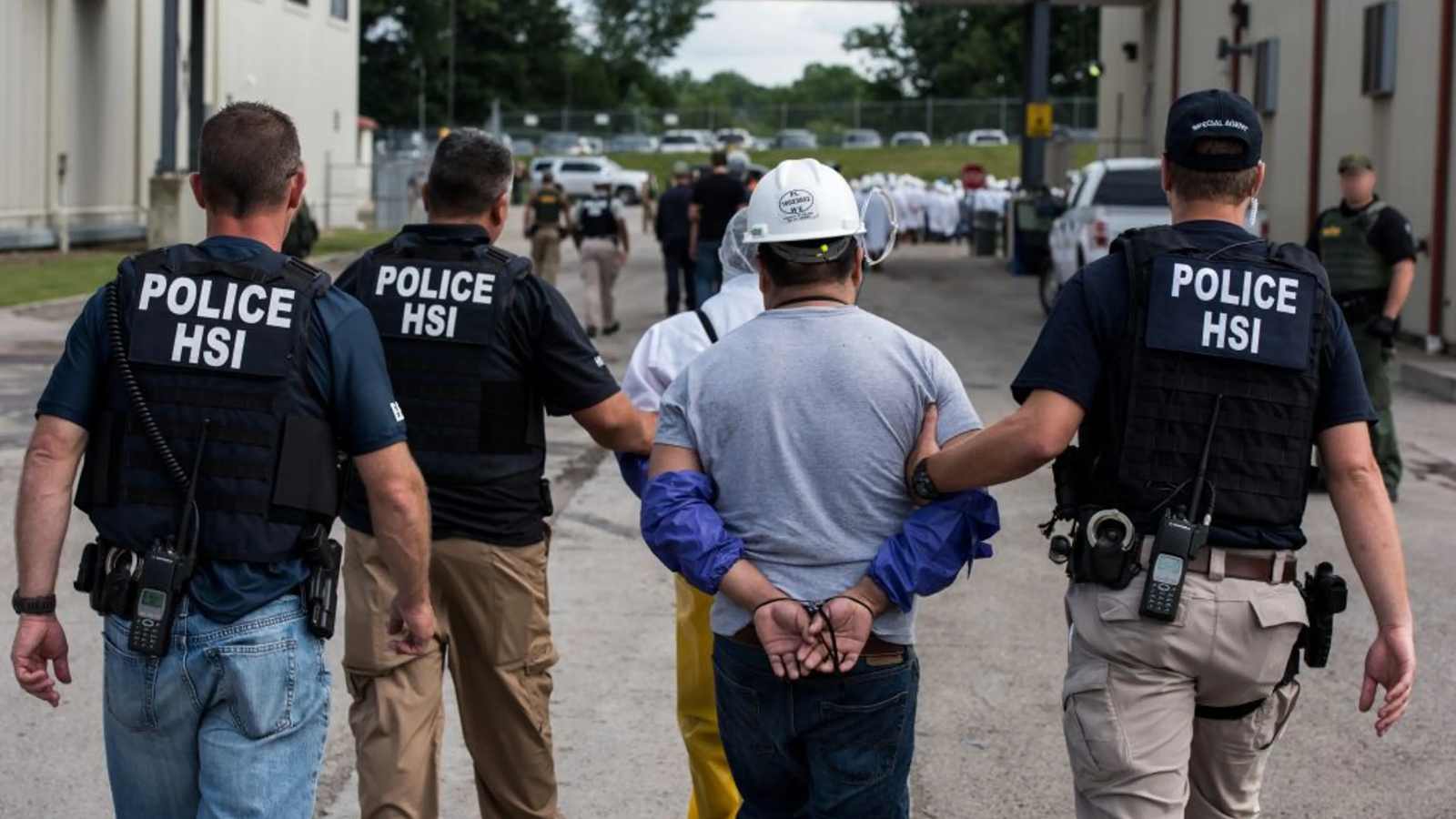
Sectors traditionally reliant on immigrant labor were the hardest hit. Construction, agriculture, and service industries suddenly faced critical labor shortages. Many businesses scaled back operations or closed temporarily, affecting productivity and wages for both immigrant and native-born employees.
Consumer behavior mirrored these disruptions. Neighborhoods with high concentrations of foreign-born residents, such as parts of Los Angeles, saw spending drop in the months following ICE campaign announcements. The decline in local commerce amplified the economic toll and created cascading impacts for workers across sectors.
Comparing Cities With and Without ICE Surges
The research compared 86 cities experiencing enforcement surges with other metropolitan areas unaffected by the 2025 campaign. By isolating arrest activity and analyzing employment data from Lightcast, federal payroll records, and the Deportation Data Project, the study attributed the bulk of job losses to the sudden increase in enforcement.
This methodology revealed the systemic risk of visible ICE operations: businesses respond not only to the direct removal of employees but also to the heightened fear of future enforcement, creating a feedback loop of labor shortages and economic contraction.
The Broader Economic Implications

The Brookings study underscores that the intended protective effect of these enforcement actions on American workers was minimal. Instead, ICE raids generated a “chilling effect” that suppressed economic activity and discouraged investment in immigrant-heavy communities. Businesses that had previously thrived now faced uncertainty, fewer customers, and an unstable workforce.
Analysts note that large-scale raids may undermine resilience in local economies, particularly in regions dependent on immigrant labor. Disruptions in hiring, reduced consumer confidence, and temporary business closures contributed to an economic environment where even long-standing American-born employees felt insecure.
Ripple Effects on Communities
Communities felt consequences beyond employment. Consumer confidence, civic engagement, and social cohesion suffered as families feared interactions with authorities. Schools, healthcare providers, and neighborhood businesses all reported indirect impacts, illustrating that immigration enforcement is as much an economic and social instrument as a legal tool.
The Brookings authors conclude that wide-scale, visible enforcement campaigns intended to protect jobs can paradoxically depress employment, reduce earnings, and weaken the very communities they claim to safeguard.
Key Takeaways
The Brookings report paints a clear picture: aggressive immigration enforcement can backfire economically, harming both immigrant and American-born workers. Rapid, visible ICE operations create labor gaps, depress consumer spending, and strain local economies. Policies aimed at economic protection through mass arrests may instead weaken resilience, reduce trust, and create persistent employment losses.
The 2025 ICE campaign illustrates the broader lesson that economic vitality depends on stable, secure labor markets and community confidence, not on fear-driven enforcement measures. Local businesses, workers, and families alike bear the consequences of strategies designed for intimidation rather than sustainable economic management.


