The post Trump and Mayor Mamdani Discuss Queens Housing Project: What It Could Mean for New Yorkers first appeared on Crafting Your Home
A proposed 12,000-home development above Sunnyside Yard puts New York’s housing crisis, infrastructure challenges, and federal-city cooperation back in the spotlight.
A conversation between President Donald Trump and New York City Mayor Zohran Mamdani has placed one of Queens’ most ambitious housing ideas back at the center of attention: transforming Sunnyside Yard, a massive rail facility in western Queens, into a new neighborhood with thousands of homes.
The meeting at Gracie Mansion brought together two leaders with sharply different political backgrounds but a shared focus on one of New York’s biggest challenges: rising housing costs. During the discussion, Trump and Mamdani explored advancing the long-discussed Sunnyside Yard redevelopment project, which city officials say could eventually create about 12,000 homes and roughly 30,000 jobs.
But while the project has gained renewed attention, it remains far from construction. Funding, engineering, approvals, and federal cooperation are still major questions that will determine whether the vision becomes reality.
For New Yorkers struggling with high rents and limited housing options, the proposal raises a major question:
Could a long-discussed Queens megaproject become part of the solution to the city’s housing shortage, or will the challenges prove too difficult to overcome?
Related: 5 Things New York Renters Are Doing to Survive Rising Housing Costs
A rare meeting focused on a major New York challenge.
Trump and Mamdani met at Gracie Mansion while the president was in New York for the United Nations General Assembly. The meeting marked another conversation between the two leaders about issues affecting the city, including housing affordability, public safety, and other local concerns.
The discussion stood out because of the political differences between the two leaders.
Trump, a Republican president, and Mamdani, a Democratic mayor with democratic socialist views, have disagreed on several national and local issues. However, both officials have shown interest in working together on specific projects involving New York’s future.
The Sunnyside Yard proposal became one of the most significant topics because of its potential scale.
Related: Trump and Mamdani Drag New York Into a Netanyahu Showdown Americans Never Asked For
What is the Sunnyside Yard project?
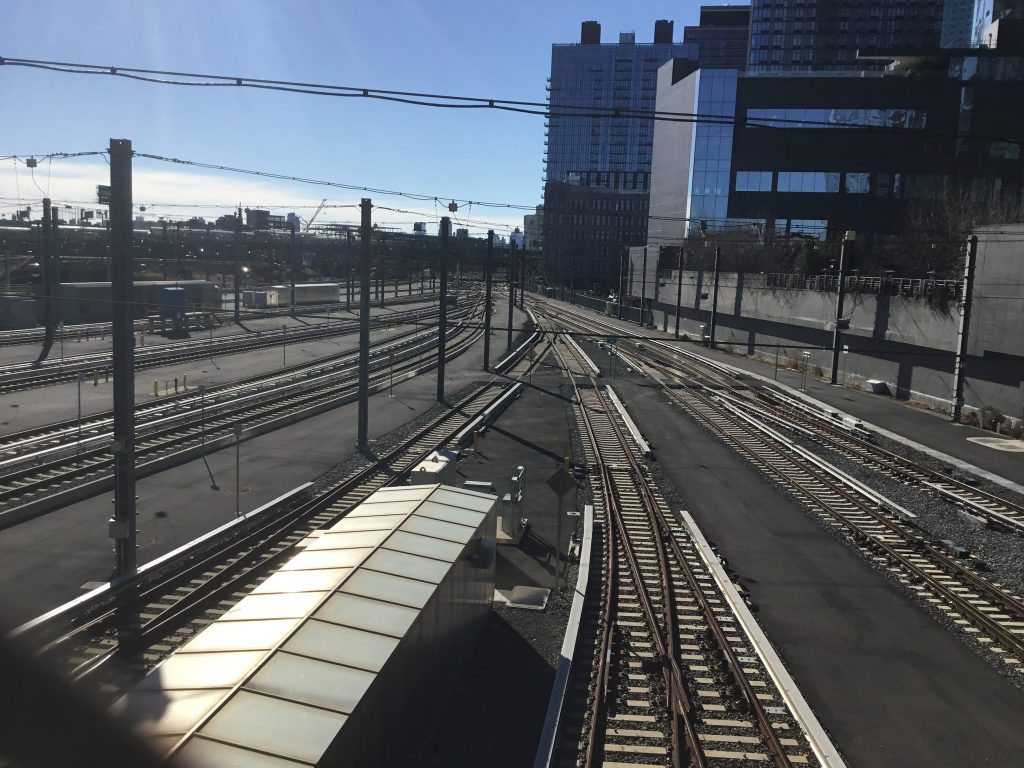
Sunnyside Yard is an active rail yard in western Queens covering a large area near neighborhoods including Sunnyside, Woodside, and Long Island City.
The proposal is to build a platform above the existing rail infrastructure and create a new mixed-use neighborhood.
The idea has been discussed for years because the site represents one of the few remaining opportunities in New York City to create a large amount of housing without acquiring much new land.
Mayor Mamdani said the project could deliver more than 10,000 new homes and more than 30,000 jobs, while acknowledging that turning the vision into reality would require a long-term effort.
Related:10 American Cities Where Buying a Home Feels Impossible in 2026
The proposal could create thousands of homes, but they don’t exist yet.
One of the biggest points of interest is the potential housing supply.
Reports have cited a target of approximately:
- 12,000 homes
- 30,000 jobs
- a new neighborhood built above the rail yard
However, those numbers represent a proposed future development, not completed housing units.
Before construction could begin, the project would likely require:
- detailed engineering studies,
- environmental reviews,
- financing plans,
- transportation planning,
- land-use approvals,
- and coordination among city, state, and federal agencies.
Officials have acknowledged that the project still has a long way to go.
Why Sunnyside Yard matters in New York’s housing crisis
New York City faces a long-running housing affordability challenge.
High rents, limited apartment availability, and strong demand have made housing one of the city’s most pressing issues.
Large-scale developments like Sunnyside Yard attract attention because they offer something New York often lacks: available space.
The challenge is that creating housing in a dense city is rarely simple.
Building over an active rail yard requires complex construction techniques and major investment. Unlike a traditional development site, the project would need to account for existing transportation operations beneath the future neighborhood.
Federal support could play a major role.
While Trump and Mamdani discussed moving conversations forward, no final federal funding agreement was announced.
The project would require significant financial support, and officials said cooperation between city and federal teams will be important.
Mamdani said housing officials from City Hall and the White House would continue discussions about the proposal.
The next phase will likely focus on whether government agencies can determine a realistic path for funding and implementation.
What supporters see as a major opportunity
Supporters of the Sunnyside Yard plan argue that the project could help address several challenges at once.
Potential benefits include:
More housing supply
Thousands of additional homes could increase housing availability in a city where demand remains high.
Economic activity
The proposed construction could create jobs and bring investment to Queens.
Better use of existing land
Instead of expanding outward, the city could create new housing by using space above existing infrastructure.
Supporters say projects of this scale are necessary because New York has limited land available for new development.
What critics and residents may question
Large developments also raise concerns.
Residents and community groups often examine issues such as:
- whether new housing will actually be affordable,
- how construction will affect nearby neighborhoods,
- transportation impacts,
- school and public-service capacity,
- and whether longtime residents will benefit.
A major housing project does not automatically guarantee affordability. The outcome would depend on decisions about pricing, income requirements, and development agreements.
A project with decades of history
Sunnyside Yard has been discussed as a possible redevelopment site for many years.
Its appeal has remained consistent: a large piece of centrally located land in a city where land is extremely limited.
But the same factors that make the site attractive also make it difficult.
Building a neighborhood above a functioning rail yard requires engineering solutions far beyond a typical housing project.
What happens next?
For now, the Sunnyside Yard proposal remains in the planning and discussion stage.
The Trump-Mamdani meeting did not approve construction or guarantee funding. Instead, it created a new level of conversation between city and federal officials about whether the project can move forward.
If completed someday, the development could reshape a major section of Queens and provide thousands of new homes.
But the timeline remains uncertain.
A test of how New York builds its future
The Sunnyside Yard conversation reflects a larger challenge facing New York: finding ways to create housing in one of the world’s most expensive and crowded cities.
The proposal represents both opportunity and complexity.
For renters searching for relief, it offers the possibility of thousands of new homes.
For planners and officials, it represents one of the most complicated development challenges the city has considered.
Whether Sunnyside Yard becomes a new Queens neighborhood or remains a long-discussed idea will depend on the difficult work ahead, turning a bold vision into a workable plan.
Other Posts You May Like
Gen Z’s Are Quietly Choosing “Come-We-Stay” Over Marriage:8 Reasons Why
The Middle-Class Trap: 5 Status Symbols That Quietly Reveal Financial Stress
8 Reasons High-Earning Women Are Increasingly Hard to Date
If you like what you just read, then subscribe to our newsletter and follow us on social media.