

The post 10 Tourist Habits That Make Locals Quietly Roll Their Eyes first appeared on Crafting Your Home.
Travel is supposed to be exciting, but tourists sometimes unknowingly make everyday life harder for the people who actually live where they visit. Usually, it is not one dramatic act that annoys residents. It is the small things: blocking a sidewalk for the perfect photo, talking loudly on a quiet train, or treating someone’s neighborhood like a movie set.
Evidence shows these small behaviors really do matter. In a 2024 Japan Private Railway Association survey of 5,314 respondents, 62.9% said they had experienced annoying behavior from foreign visitors using railways. Loud conversations ranked first, followed by luggage handling, blocking passageways, and poor boarding etiquette.
Here are 10 tourist habits that may seem harmless but can quietly test locals’ patience.
Turning the Sidewalk Into Your Personal Photo Studio
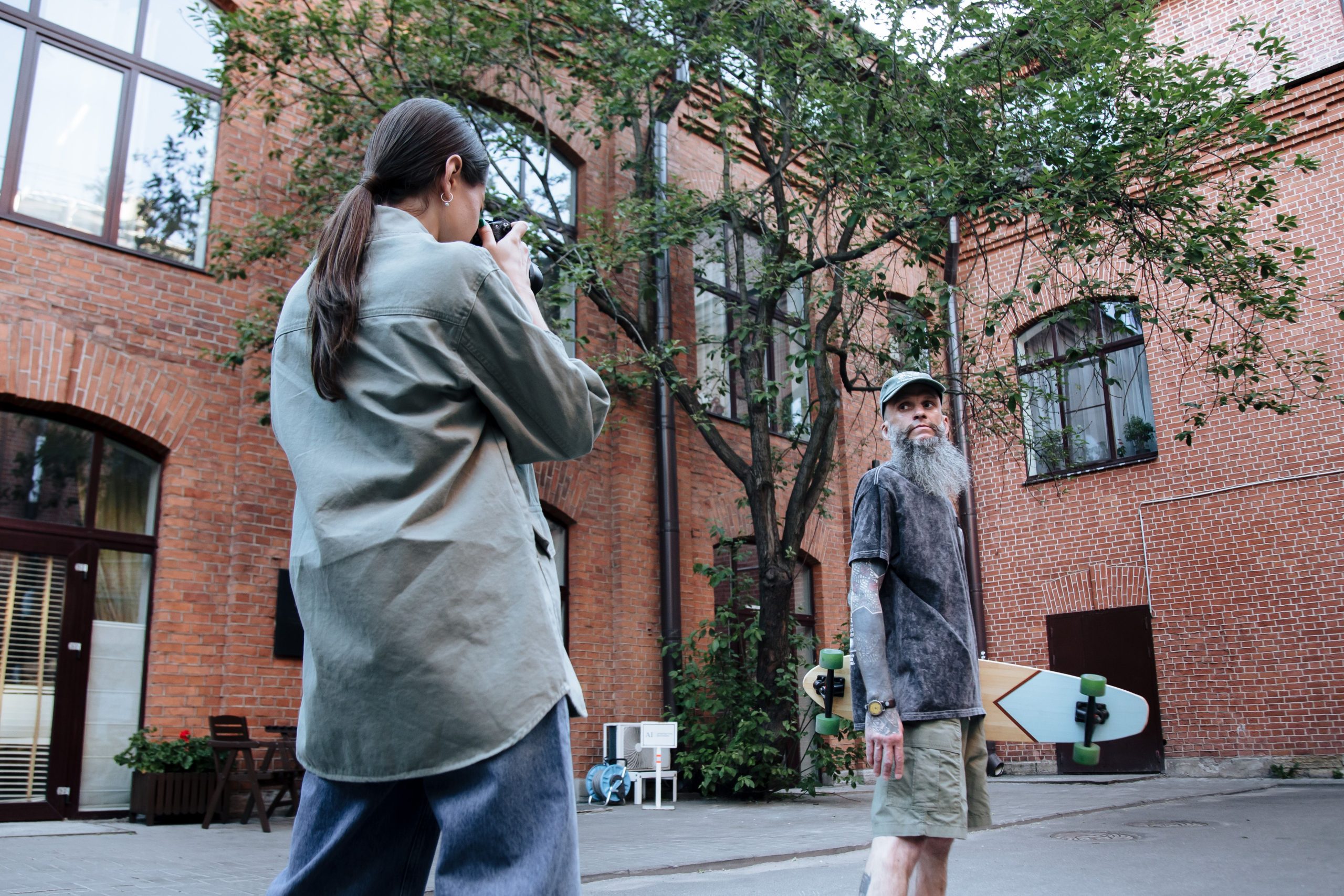
Everyone wants a great vacation photo, but problems start when the whole sidewalk becomes part of the shoot. Stopping suddenly in the middle of a busy walkway, bridge, market aisle, or doorway can force everyone else to squeeze around you. Kyoto’s tourism guidance specifically asks visitors not to block others while stopping to talk or becoming absorbed in photography.
Venice has also introduced rules preventing guided groups from stopping in places where they obstruct pedestrians, including bridges and access ramps. The easy fix is simple: step completely to the side before taking photos or checking your map.
Using Your Vacation Voice Everywhere
Excitement is understandable. Shouting across a train carriage is less charming. Loud conversations and boisterous behavior ranked first among complaints involving foreign visitors in the 2024 Japanese railway survey. Kyoto’s official visitor guidance also asks tourists to speak quietly in residential neighborhoods and religious sites.
A useful rule is to listen to the people around you. If everyone else is speaking quietly, match the local volume instead of turning your conversation into background entertainment for the entire carriage.
Letting Your Suitcase Take Over the Place
Travelers need luggage. Locals just do not want to navigate an obstacle course around it. Large suitcases left near train doors, backpacks swinging through crowded spaces, and bags blocking walkways can create unnecessary congestion. Luggage handling ranked second among complaints about foreign visitors in the Japanese railway survey.
Kyoto even promotes luggage-forwarding and storage services to make it easier to move through crowded sightseeing areas. Whenever possible, keep bags close, use designated storage areas, and make sure you don’t block a door or walkway.
Boarding Before Anyone Can Get Off
You see the train. The doors open. You rush forward. Unfortunately, everyone already inside is trying to come out. Failure to line up and failure to allow passengers to exit first were specifically included among complaints about foreign visitors on Japanese railways.
The Japan National Tourism Organization advises passengers to stand beside train doors and let people disembark before boarding. It takes only a few extra seconds, but it makes crowded public transportation run much more smoothly.
Treating a Residential Neighborhood Like a Theme Park
That beautiful street lined with traditional houses may look like the perfect backdrop for your vacation photos. It may also be somebody’s front yard. Kyoto reminds travelers that residential areas exist right beside major attractions and asks visitors to respect local lifestyles and avoid entering private property.
Similar tensions appeared in Fujikawaguchiko, where crowds gathered around a viral Mount Fuji photo location near a convenience store. Reports described problems including litter, congestion, and unsafe road crossings. Admire the neighborhood, but remember that residents are trying to live their normal lives there.
Photographing People Without Asking
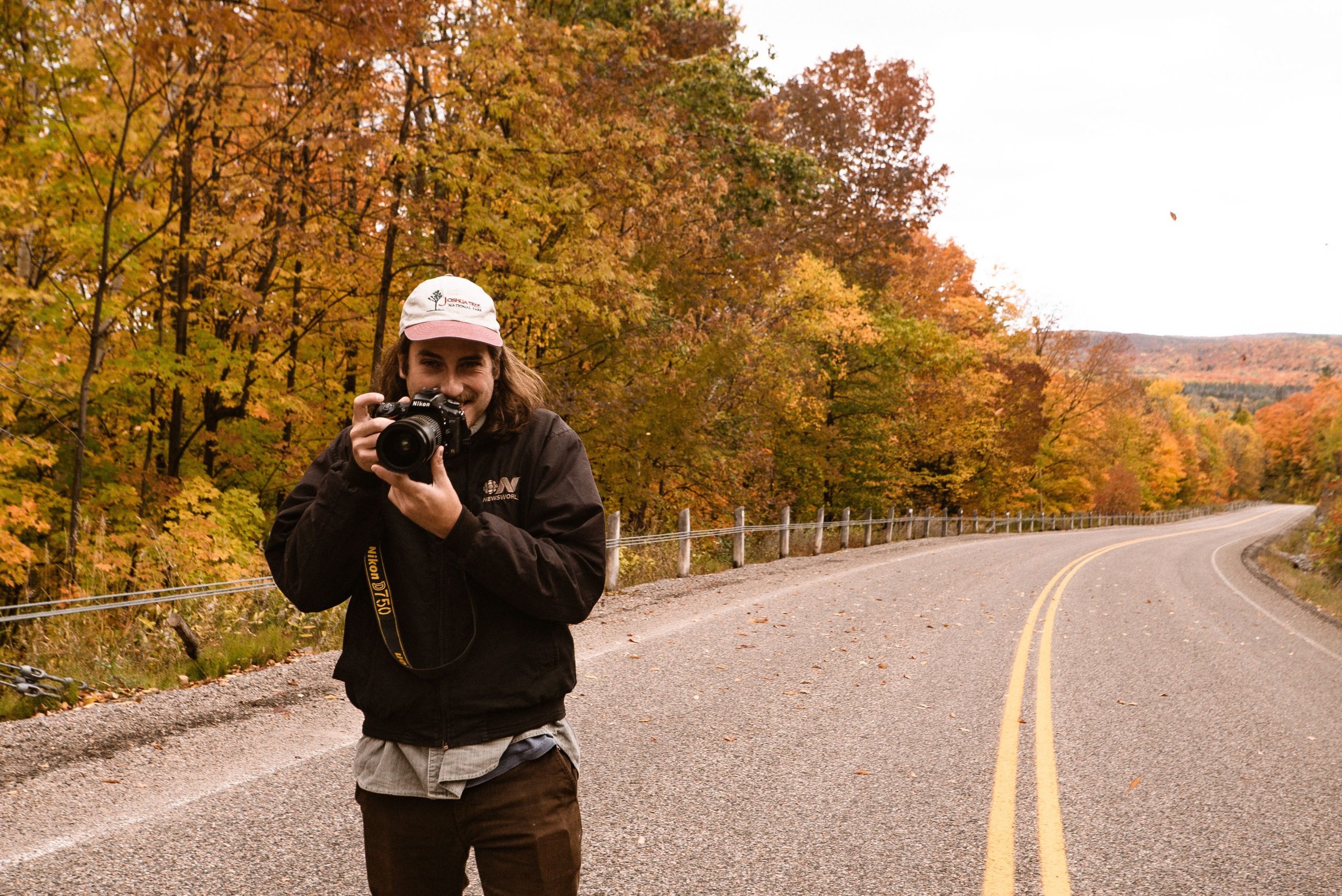
A local person wearing distinctive clothing may look fascinating through your camera lens. They are still a person, not part of the scenery. In Kyoto’s Gion district, visitors are specifically asked not to follow, touch, or take unauthorized photos and videos of geiko and maiko.
Japan’s national tourism guidance also recommends asking permission before deliberately photographing individuals. If someone is clearly the focus of your photo, asking first is both easy and respectful.
Leaving Small Messes Behind
One bottle does not look like much. Neither does one food wrapper. Multiply that by thousands of visitors, and locals suddenly find themselves living around somebody else’s vacation trash.
Kyoto advises visitors to carry a small trash bag and take rubbish with them when disposal facilities are unavailable. Litter was also a concern reported around the heavily photographed Mount Fuji viewpoint in Fujikawaguchiko. If there is no bin nearby, hold onto your rubbish until you find one.
Assuming Every Ledge Is a Picnic Table
A historic staircase may look like the perfect place to eat lunch, but some cities would rather you find an actual bench. Venice’s responsible-visitor rules say church steps, bridges, monuments, wells, and canal-side banks should not be treated as picnic areas. The city instead directs visitors toward appropriate spaces such as public gardens.
The Vatican Museums similarly restrict eating and drinking inside exhibition halls while providing designated refreshment areas. When in doubt, look for designated seating instead of turning whatever nearby surface into a lunch spot.
Ignoring Dress Rules at Sacred Places
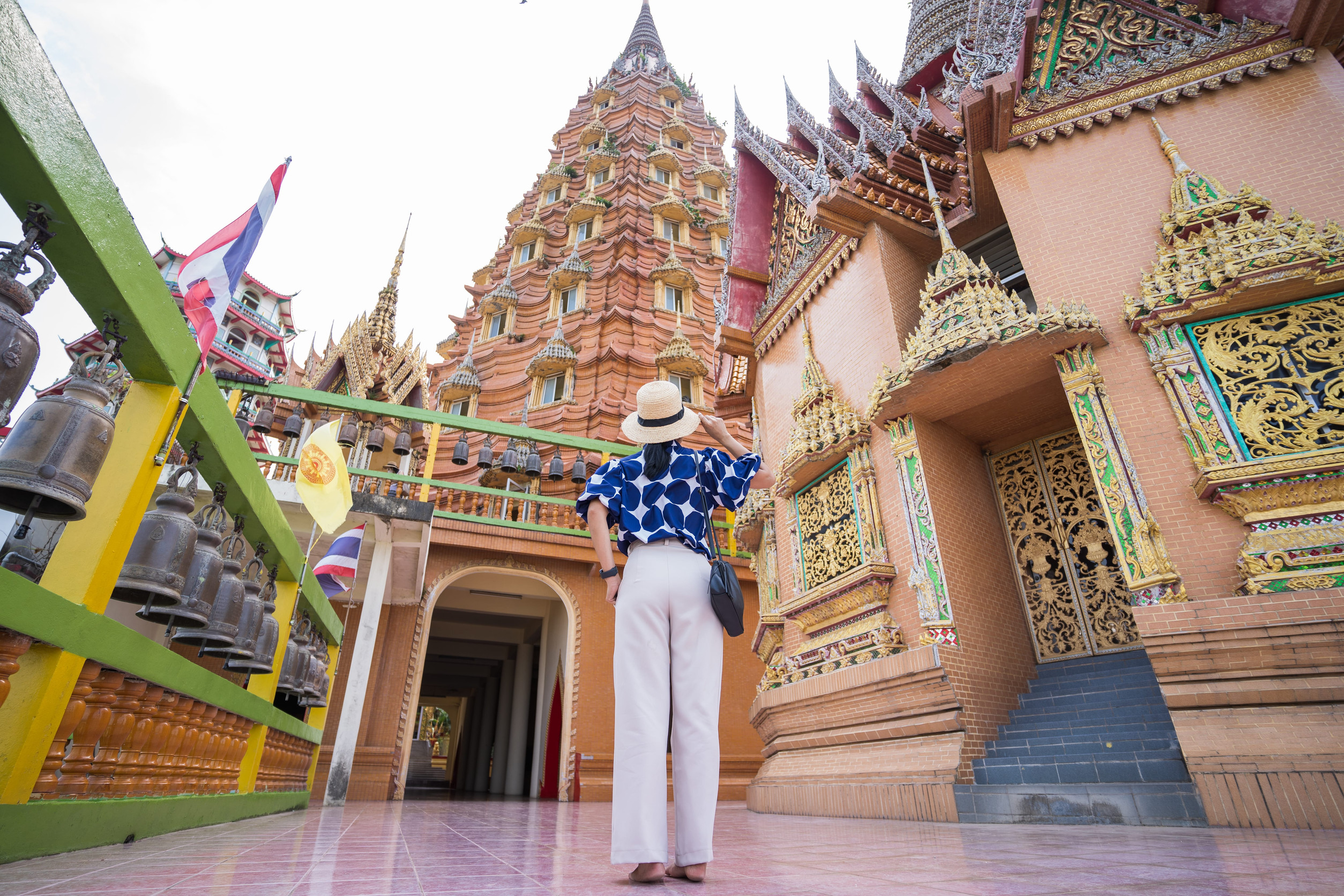
Tourists sometimes treat famous religious sites primarily as attractions. Locals and worshippers may see them very differently. The Vatican, for example, publishes dress requirements covering places including the Vatican Museums, Sistine Chapel, St. Peter’s Basilica, and Vatican Gardens.
Its guidance restricts sleeveless or low-cut garments, shorts above the knee, miniskirts, and hats. Before visiting a religious landmark, spend a minute checking the site’s rules. It saves embarrassment at the entrance and shows respect for the space.
Missing the Shoes-Off Signal
Some travel mistakes happen simply because visitors do not recognize a cultural cue. In Japan, certain homes, traditional accommodations, heritage locations, and other interiors require visitors to remove outdoor shoes. JNTO explains that visitors should remove shoes where indicated and that provided slippers may also need to come off before stepping onto tatami mats.
Kyoto’s visitor guidance also reminds travelers to remove shoes when instructed at cultural and historical sites. Look for shoe racks, slippers, signs, or a raised entrance. If everyone else is taking off their shoes, that is probably your cue too.
Good Tourists Pay Attention
Most locals don’t expect visitors to know every unwritten rule the moment they arrive. The biggest difference is paying attention. Tourism pressure has become serious enough that some destinations are actively changing how they manage visitors.
Venice introduced a 25-person limit for most accompanied tourist groups in parts of the city in August 2024, while also restricting loudspeakers and obstructive group stops. Other destinations have introduced visitor campaigns, crowd-management measures, and etiquette guidance intended to protect everyday community life.
The best travel habit may be the simplest: notice how people around you behave and adjust accordingly. You can still take photos, enjoy the food, explore the streets, and have an unforgettable trip without making everyday life harder for the people who call your destination home.
Other Posts You Might Also Like
If you like what you just read, then subscribe to our newsletter and follow us on social media.


