Top 8 Eco-Friendly Travel Destinations in 2026
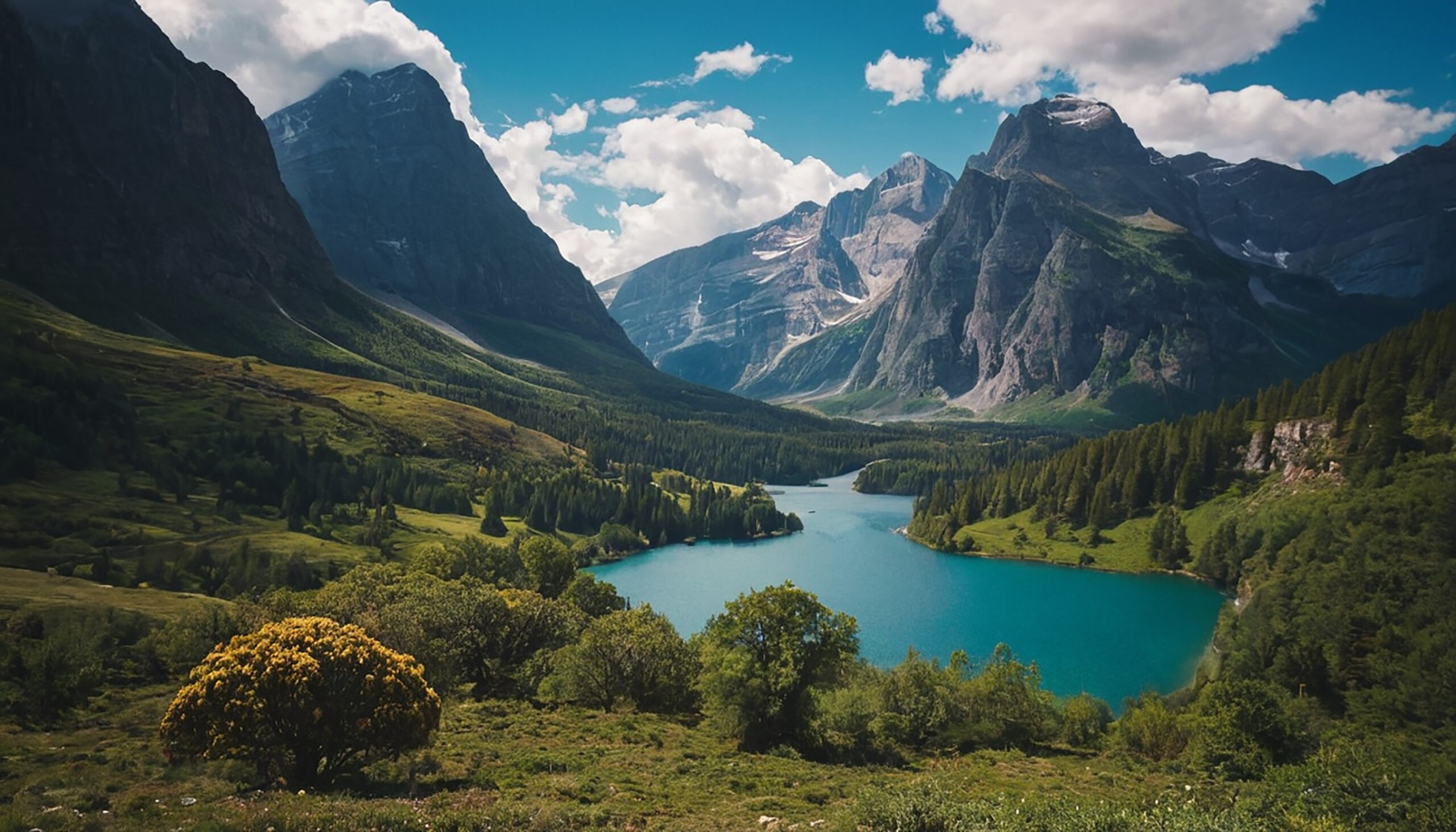
As the world grows increasingly aware of the environmental impact of travel, eco-conscious explorers are seeking destinations that not only offer breathtaking beauty but also champion sustainability. In 2026, the globe is dotted with places that have embraced green tourism, where nature and innovation come together to create extraordinary experiences while minimizing environmental footprints.
Whether you’re looking to immerse yourself in untouched wilderness or support communities dedicated to preserving the planet, these top 10 eco-friendly travel destinations will inspire you to travel smarter and greener.
Iceland

Costa Rica
Costa Rica has long been a champion of conservation, with over a quarter of its land protected as national parks or reserves. In 2026, it remains a beacon for eco-tourism, offering pristine rainforests, diverse wildlife, and vibrant beaches. The country’s sustainable practices include zero-deforestation policies and widespread efforts to promote organic farming and green energy.
Bhutan
Bhutan has been making waves as the world’s only carbon-negative country, meaning it absorbs more carbon dioxide through its forests than it emits. By 2026, Bhutan will continue to prioritize sustainability with a commitment to preserving its natural beauty and culture.
Visitors can explore stunning monasteries, hike through untouched landscapes, and experience the country’s unique culture, all while contributing to its green initiatives.
Norway

Norway has long been a leader in environmental conservation, and by 2026, it will remain a top eco-friendly destination. With its stunning fjords, rugged coastlines, and vast wilderness, Norway is dedicated to preserving its pristine landscapes through sustainable tourism. The country is renowned for its electric car infrastructure, and it’s a place where green hotels, eco-friendly cruises, and nature conservation efforts thrive.
New Zealand
New Zealand has long been known for its awe-inspiring natural beauty, and by 2026, it will have solidified its reputation as an eco-friendly destination. The country’s national parks, geothermal hot springs, and pristine beaches are protected by strict conservation laws, and New Zealand has made significant strides in reducing its environmental impact.
The nation is a leader in eco-tourism, with a wide range of sustainable travel options, including eco-lodges, wildlife conservation experiences, and nature-focused tours.
Kenya

Kenya’s rich wildlife and vast savannas are among the world’s most captivating. By 2026, the country has embraced eco-tourism, focusing on wildlife conservation and sustainable safaris. Kenya’s national parks and wildlife reserves are protected by sustainable tourism practices that allow travelers to experience the country’s unique beauty without harming the environment.
Switzerland
Switzerland has long been a leader in sustainability, and by 2026, it will remain a top eco-friendly destination for travelers. The country’s alpine landscapes, pristine lakes, and charming villages are paired with a commitment to environmental protection. Switzerland boasts efficient public transport systems, eco-friendly hotels, and numerous green initiatives to preserve its breathtaking scenery.
The Galápagos Islands
The The The Galapagos Islands are a true paradise for nature lovers, and in 2026, they continue to set the standard for eco-tourism. Known for their unique biodiversity and endemic species, the islands are carefully managed to minimize the impact of tourism. Eco-lodges, sustainable boat tours, and conservation-focused initiatives ensure that the Galápagos’ fragile ecosystem remains protected.
Conclusion
As we venture further into 2026, these destinations offer a roadmap for eco-conscious travelers seeking unforgettable experiences without compromising the health of our planet. From the pristine wilderness of Iceland to the lush rainforests of Costa Rica, each destination showcases how sustainability and adventure can go hand in hand.
Choose wisely, travel responsibly, and be part of the movement that ensures the world’s natural wonders remain for generations to come.
Read the original Crafting Your Home