Top 7 Most Disturbing Food Related Phobias
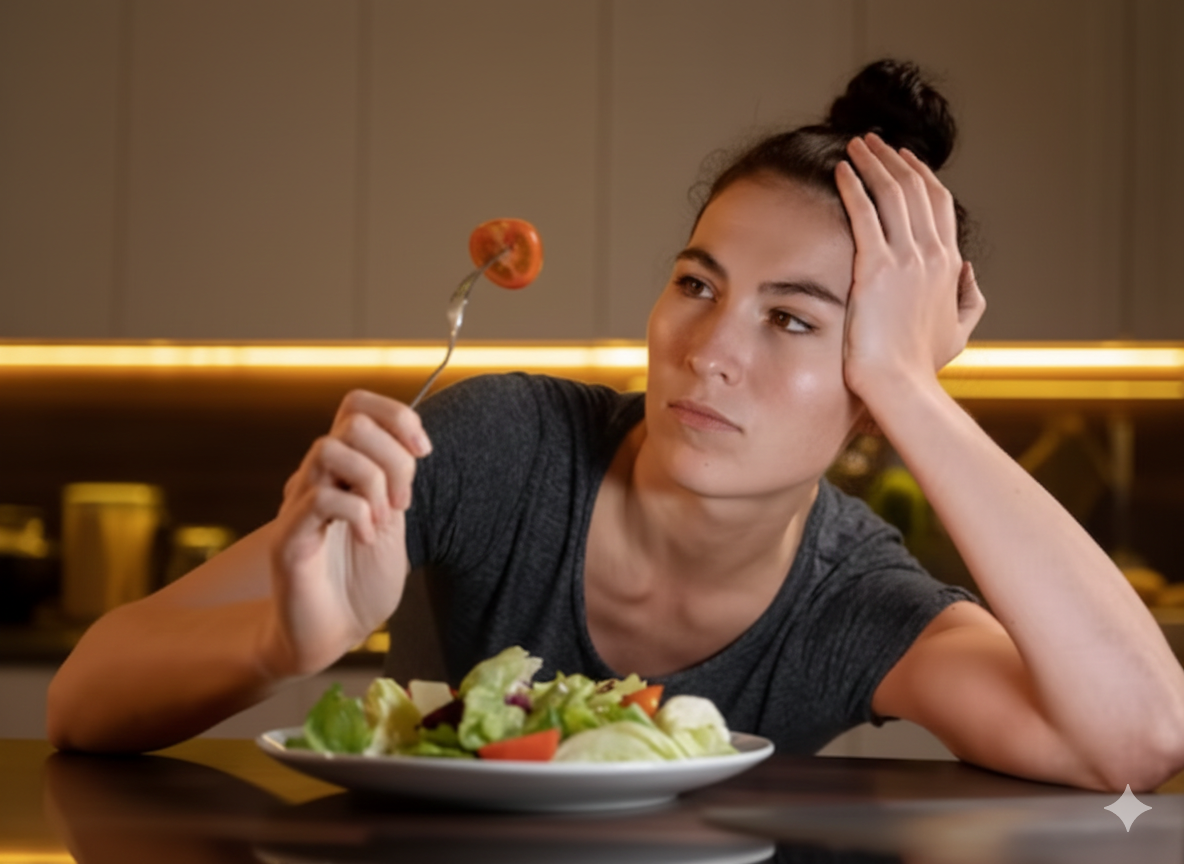
Food is a crucial part of daily life, but for some individuals, the mere thought or sight of food can trigger intense feelings of dread and fear. These fears, often irrational, are known as food phobias.
While it may be hard to imagine anyone being afraid of something as commonplace as food, these phobias can profoundly impact daily living. From the fear of certain food textures to an overwhelming terror of the very act of eating, food-related phobias can drastically affect one’s quality of life.
Cibophobia

Cibophobia, also known as sitophobia, is one of the most extreme food phobias. It is the fear of all food. With this condition, individuals are terrified of eating anything at all. For them, even imagining food can spark intense anxiety.
The reasons behind cibophobia are varied and may stem from traumatic childhood experiences involving food or extreme anxiety about food safety and cleanliness. Some sufferers may fear contamination, such as the possibility that food has been tampered with, is expired, or was prepared improperly. The fear may extend to the idea that food could be poisoned, making eating dangerous.
Phagophobia
Phagophobia refers to the fear of swallowing food, liquids, or even pills. The phobia often develops from a deep-seated fear of choking or not swallowing properly. Mealtime becomes an excruciating experience. Sufferers may feel as if something is stuck in their throat, even when nothing is physically there. This ongoing sensation of blockage leads to significant anxiety around eating.
Symptoms of phagophobia can range from mild discomfort to severe panic attacks. In extreme cases, people with phagophobia may avoid eating altogether, leading to malnutrition, dehydration, or starvation. The fear of swallowing can also manifest as a reluctance to drink liquids or take medications, which only worsens their condition.
Mageirocophobia
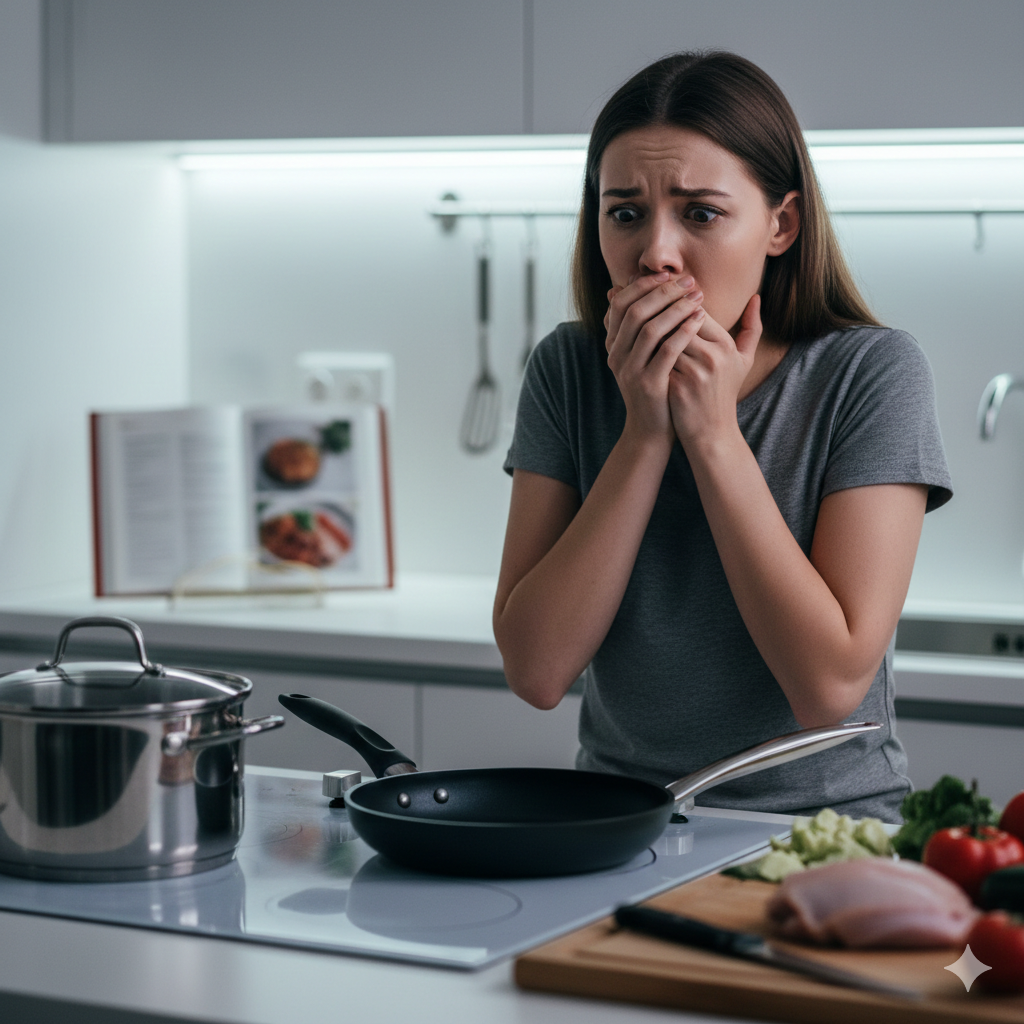
For many people, cooking is a fun and fulfilling activity, but for those suffering from mageirocophobia, the very idea of stepping into the kitchen can be terrifying. Mageirocophobia is the fear of cooking, and it can manifest in several ways. Some individuals may feel panic and anxiety at the thought of preparing a meal, while others may fear food poisoning or creating an inedible dish.
People with mageirocophobia often avoid cooking altogether, relying on takeout or pre-prepared meals instead. For some, the fear stems from perfectionism; they may be terrified of not cooking a dish perfectly or making an error while cooking. Others may have a general fear of injury, such as cutting themselves with knives or burning themselves on the stove.
Lachanophobia
Many people dislike eating vegetables. For those with lachanophobia, though, the fear is intense and irrational. Just seeing or thinking about vegetables causes significant distress. Sufferers can experience anxiety, shortness of breath, and nausea. For some, even passing through the produce aisle at a grocery store triggers panic attacks.
The reasons behind lachanophobia are not always clear, but they can stem from childhood trauma or negative associations with vegetables. In some cases, a traumatic experience with food may lead to the development of this phobia, while in others, it may be related to an obsessive fear of food contamination.
Arachibutyrophobia
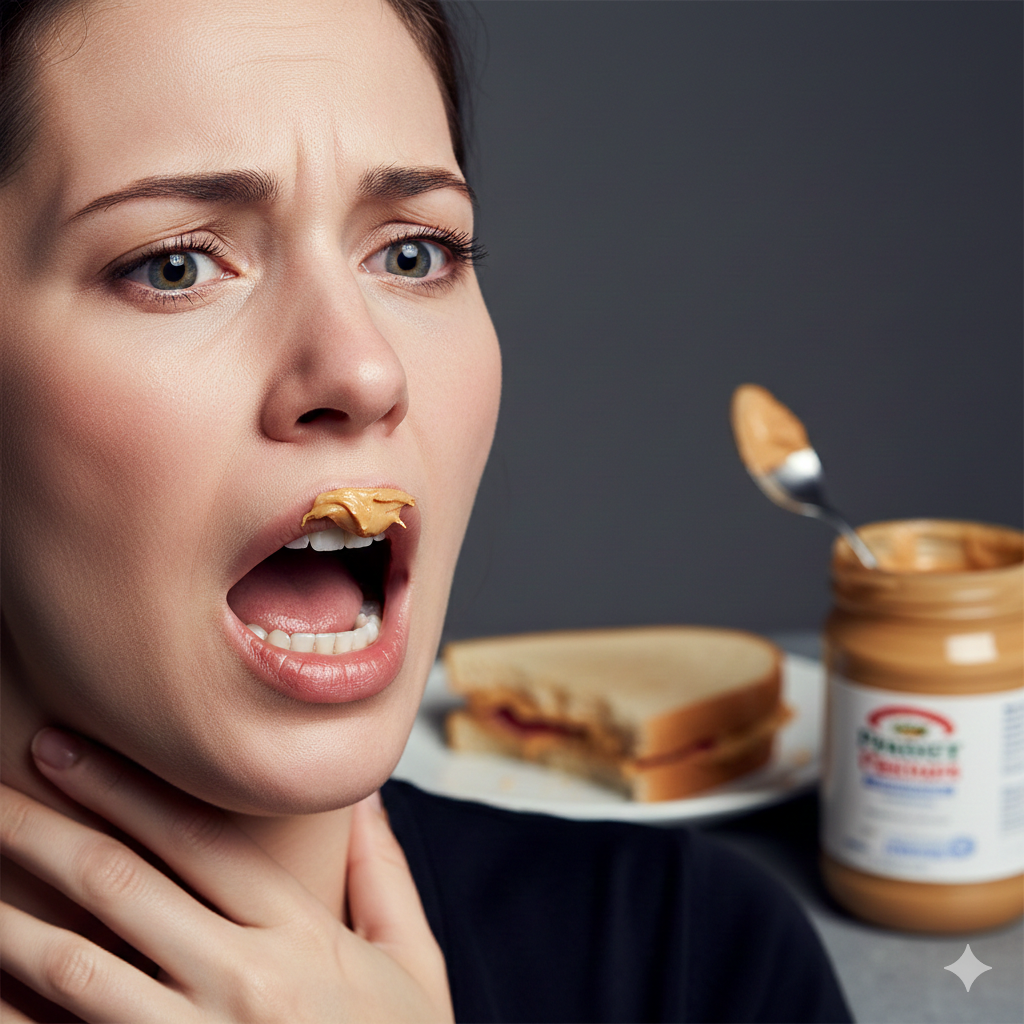
Arachibutyrophobia is the fear of peanut butter sticking to the roof of the mouth. Though it may sound odd, this phobia can be incredibly distressing for those who suffer from it. Symptoms can include anxiety, feelings of suffocation, gagging, an accelerated heartbeat, dry mouth, or panic when thinking about or eating peanut butter.
For some, the fear may be mild and simply involve avoiding peanut butter sandwiches. For others, the fear can be so severe that they refuse to consume peanut butter in any form. Even the thought of it sticking to the roof of their mouth can trigger intense feelings of discomfort.
Oenophobia
Oenophobia is the fear of wine. This condition can make social situations involving wine particularly challenging. Whether at a dinner party, a wine tasting, or even a casual store visit, the fear of wine overwhelms with anxiety and discomfort.
This phobia may stem from a variety of factors, such as a traumatic experience with wine, a fear of social judgment, or anxiety about making a mistake when choosing wine. In some cases, the fear may even extend to the smell or appearance of wine.
Xocolatophobia

Chocolate is a beloved treat around the world, but for some, the mere thought of it can cause extreme distress. Xocolatophobia, or the fear of chocolate, is a relatively rare but deeply disruptive condition. Symptoms can include intense anxiety, shortness of breath, increased heart rate, panic attacks, nausea, and even an aversion to touching or smelling chocolate.
For individuals with xocolatophobia, the presence of chocolate in their environment can cause significant emotional distress. The fear may stem from negative associations with chocolate, such as childhood experiences, or from an underlying psychological condition like obsessive-compulsive disorder (OCD).
Conclusion
Food-related phobias can be severe and deeply impactful. They affect an individual’s ability to enjoy meals, maintain a balanced diet, and engage in social situations. Often, these phobias are rooted in psychological factors like past trauma, anxiety, or perfectionism.
Fortunately, there are treatment options available for those suffering from food-related phobias. Therapy, particularly cognitive-behavioral therapy and exposure therapy, can help individuals confront their fears and learn to manage their anxiety. With the right support and treatment, it is possible to reduce the impact of food phobias and regain control over one’s relationship with food.
If you or someone you know suffers from a food-related phobia, it’s essential to seek professional help. Early intervention can make a significant difference in managing and overcoming these fears, enabling individuals to lead healthier, more fulfilling lives.
Read the Original Article on Crafting Your Home