Top 6 Superstitions Boomers Can’t Shake

Top 6 Superstitions Boomers Can’t Shake

Image Credit: Shvets Production/Pexels

Superstitions, those seemingly irrational beliefs passed down through generations, continue to shape the daily habits of many boomers. Despite the rise of scientific thinking and the march of time, these deeply ingrained rituals still hold sway, often overriding logic and reason.

Let’s explore the top six superstitions that boomers can’t seem to shake, even in the age of reason.

Breaking a Mirror: Seven Years of Bad Luck

Among the most entrenched superstitions is the belief that breaking a mirror brings seven years of bad luck. This notion has existed for centuries, with roots in ancient civilizations where mirrors were believed to be windows into the soul. The superstition, passed down through generations, holds that the body renews itself every seven years and that breaking a mirror disrupts this renewal.

Despite the fact that mirrors are simply pieces of glass with reflective coating, many boomers still react with panic if one shatters. They take extra care in cleaning up the broken pieces, fearing the unlucky curse that’s said to follow. For many, this superstition isn’t just about avoiding bad luck; it’s a family tradition, a part of their cultural fabric that can’t be so easily discarded.

Walking Under Ladders: A Risk Too Great to Take
Top 6 Superstitions Boomers Can’t Shake
Image Credit: Pille Kirsi/Pexels

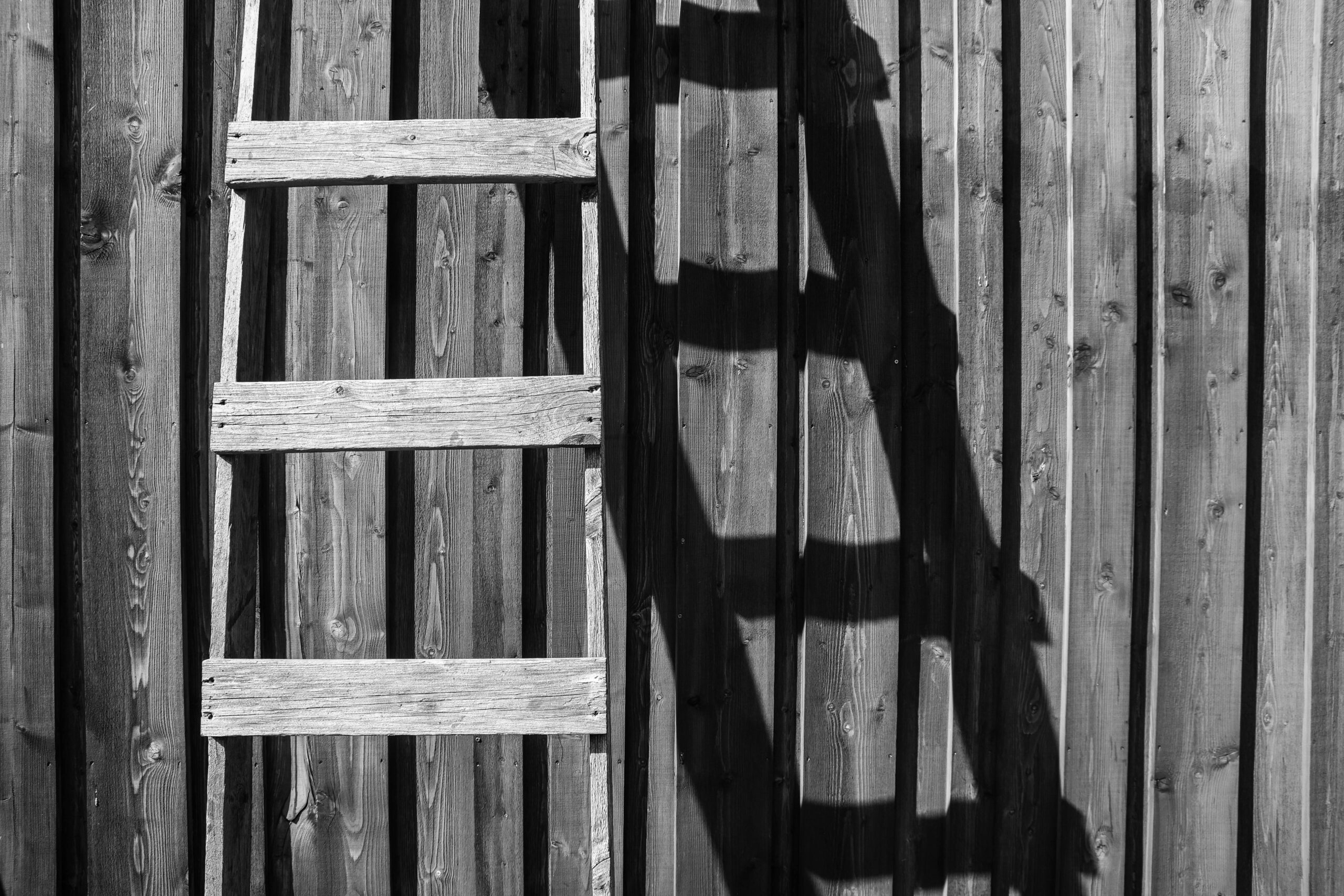
The superstition that walking under a ladder brings bad luck is one of the oldest and most deeply ingrained. The origins of this belief can be traced back to both practical and symbolic sources. On one hand, walking under a ladder is simply dangerous; tools may fall, or the ladder could shift. On the other hand, some cultures view the triangle formed by a ladder against a wall as a sacred symbol. By walking through it, one disrupts the spiritual space it creates.

For boomers, this superstition remains firmly entrenched. Even when logic suggests it’s harmless, the reflex to avoid walking under a ladder remains strong. The act itself has become less about danger and more about tradition. It’s a learned behavior, so ingrained that many boomers won’t think twice about going out of their way to bypass the ladder, no matter how harmless it might seem.

Black Cats: Harbingers of Doom or Good Fortune?
Top 6 Superstitions Boomers Can’t Shake
Image Credit: tal molcho via pexels

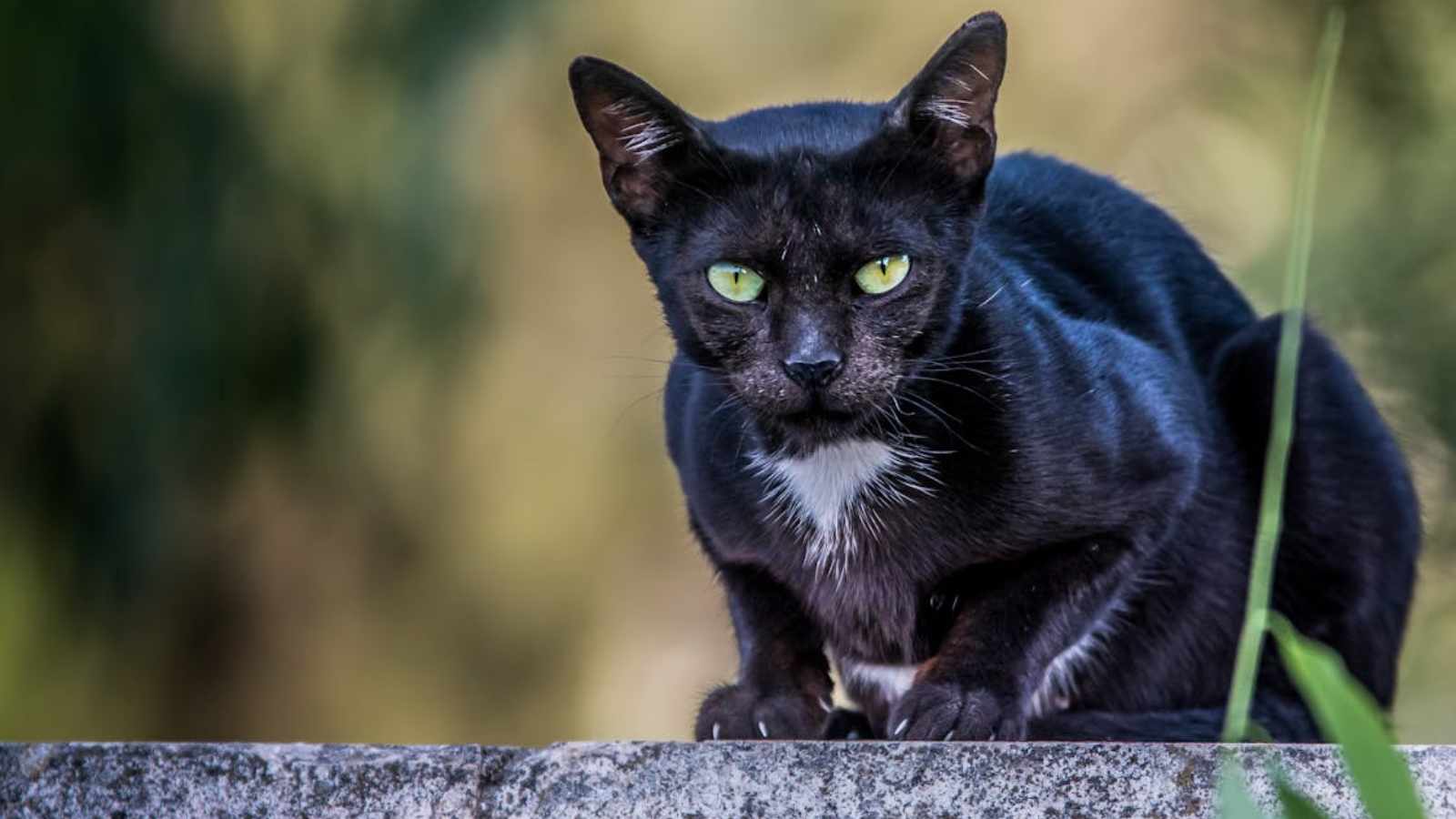
The belief that a black cat crossing your path brings bad luck is widespread, especially among older generations. This superstition is rooted in the fear of witches and evil spirits that thrived in medieval times. Black cats, often associated with witches’ familiars, were believed to possess sinister powers, and their mere presence was believed to signal impending misfortune.

Ironically, in some cultures, black cats are seen as symbols of good fortune. In Scotland and Japan, for example, black cats are associated with prosperity and good health. However, the older generations, particularly boomers, remain steadfast in their belief that a black cat crossing their path is a bad omen. Even when logic tells them otherwise, the anxiety triggered by this superstition remains palpable.

Knocking on Wood: The Ritual That Prevents a Jinx

Knocking on wood to prevent jinxing oneself is a superstition so common among boomers that it’s nearly reflexive. The act of knocking is believed to invoke the protection of spirits or deities, ensuring that good fortune or positive predictions remain intact. Whether it’s after mentioning something optimistic or expressing hope for the future, boomers instinctively reach for the nearest piece of wood, or even wood-like material, to knock on.

This ritual may seem odd, especially when it’s done on surfaces that aren’t actually wood, but the underlying belief persists. The act of knocking on wood is deeply woven into boomer culture, even though modern logic suggests it has no power whatsoever. Nevertheless, for many boomers, the comfort derived from this action far outweighs any rational explanations.

The Number 13: Unlucky or Simply Misunderstood?

The number 13 has long been considered unlucky, and for boomers, this superstition still holds significant power. From avoiding travel on the 13th of the month to skipping hotels with a 13th floor, this fear of the number dictates many aspects of daily life. In fact, it’s so prevalent that many buildings skip the 13th floor altogether, labeling it the 14th floor instead.

Boomers often avoid 13 without thinking, believing it brings misfortune. They may even make significant life decisions, like rejecting their dream home, because the address contains the number 13. Despite knowing that the number has no inherent power, the superstition lingers, affecting choices big and small. It’s a deeply ingrained belief, shaped by cultural norms and reinforced by decades of tradition.

Horseshoes: A Charm for Protection and Luck
Top 6 Superstitions Boomers Can’t Shake
Image Credit:123RF Photos

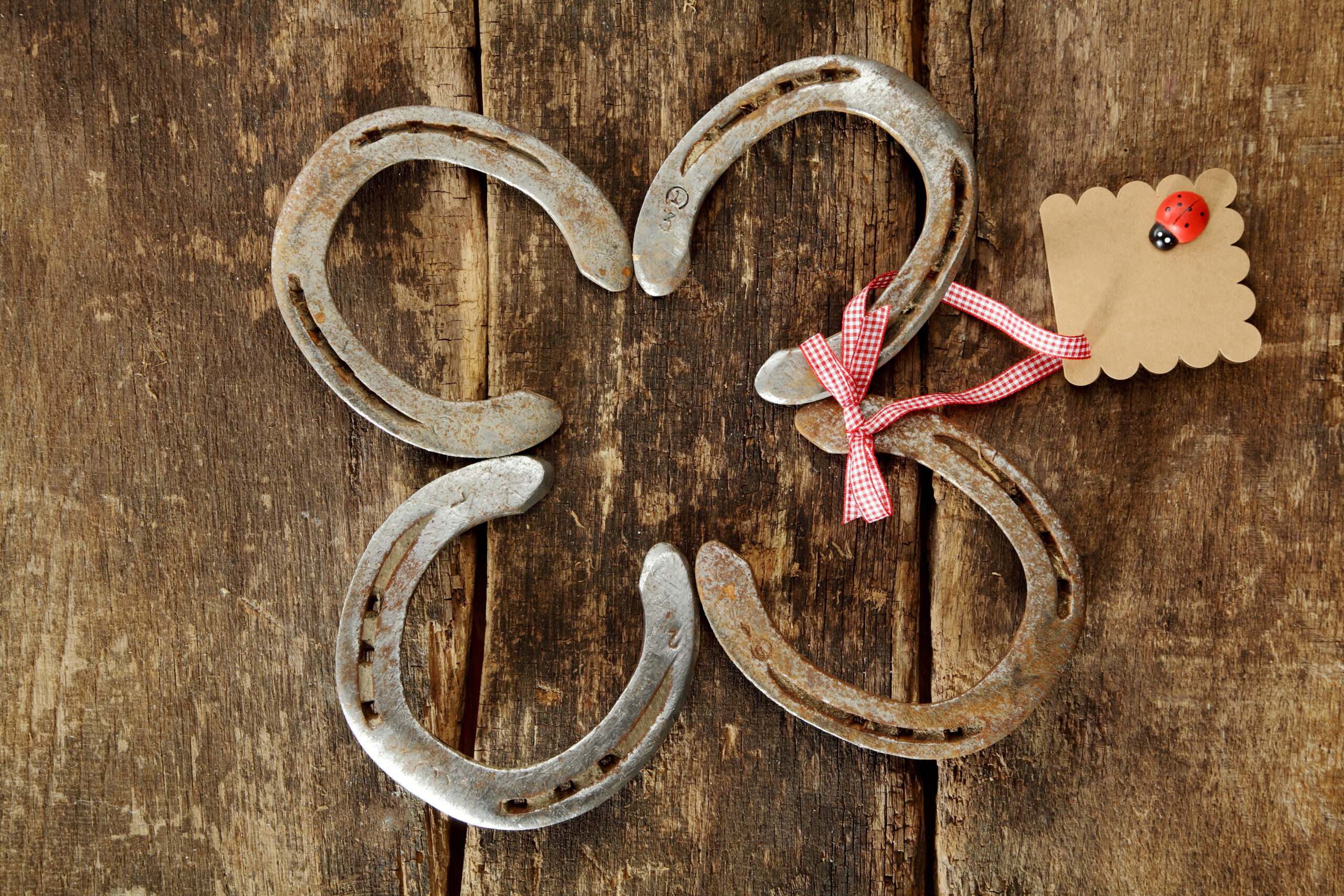
Horseshoes are more than just an iconic piece of rural decor for many boomers; they’re a powerful symbol of luck and protection. The superstition surrounding horseshoes dates back centuries, when iron was believed to have protective properties, especially against evil spirits. Hanging a horseshoe over a doorway was thought to bring good fortune and shield the home from harm.

Today, many boomers still hang horseshoes in their homes, often above doorways or on garage doors. The belief is so deeply ingrained that the horseshoe becomes a permanent fixture in the household, sometimes passed down from generation to generation. The superstition may have originated in times of greater superstition and less scientific understanding, but its power has remained steadfast for many boomers, who continue to use the horseshoe as a symbol of protection and good luck.

Conclusion

These six superstitions, each with its own rich history and cultural significance, are a testament to the enduring power of tradition. Despite the logical and scientific advances made over the years, these beliefs continue to hold sway over many boomers. They provide a sense of control, a connection to the past, and a small measure of comfort in an unpredictable world.

For boomers, these superstitions aren’t just irrational beliefs; they’re a part of their identity, a link to their childhood, and a comforting ritual that transcends logic.

Whether it’s knocking on wood, avoiding ladders, or hanging a horseshoe above the door, these superstitions remain a fixture of boomer culture, showing that some beliefs are too powerful to shake, no matter how illogical they may seem.


Author

  • Emmah Flavia

    Emma Flavia is a lifestyle writer who blends storytelling, psychology, and digital creativity to explore how people live, think, and connect in the modern world. Her work captures the rhythm of human behavior, from mental wellness and intentional living to social trends and digital culture.

    Emma also designs infographics and visual stories that simplify complex ideas into engaging, shareable content. Her background in communication and digital media allows her to combine research, narrative, and design in a way that resonates with today’s visual-first audience.

    When she’s not writing, Emma enjoys nature walks, creating minimalist digital art, experimenting with color palettes, and watching documentaries about human behavior and design.

    View all posts

Similar Posts

Leave a Reply

Your email address will not be published. Required fields are marked *