Top 10 Terrifying Causes of Blindness and Vision Loss

Blindfolded woman closeup. Concept of censorship, human rights, oppression or repression.
Loss of vision is one of the most terrifying and life-altering experiences anyone can face. The ability to see is something most of us take for granted until faced with the possibility of losing it.
While many people worry about the common causes of blindness, such as cataracts or glaucoma, there are numerous other, lesser-known but equally frightening conditions that can cause irreversible damage to vision.
In this article, we explore the ten most terrifying ways one could go blind, shedding light on conditions ranging from rare diseases to environmental factors and medical conditions that many might not be aware of.
Brain Tumors
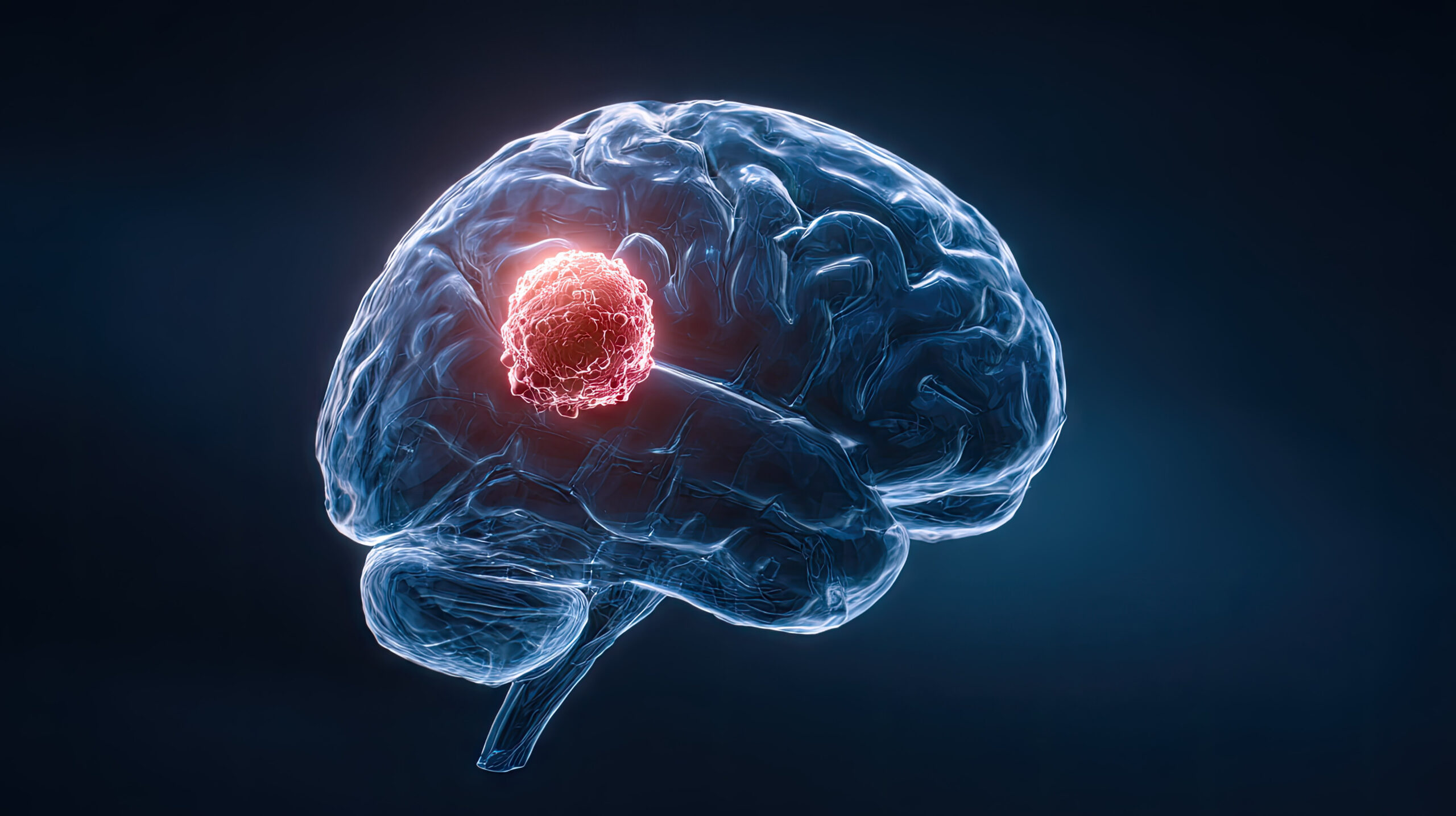
Understanding the Link Between Brain Tumors and Blindness
A brain tumor can be a silent threat to your eyesight. When tumors develop near or in the visual pathways of the brain, they can cause significant vision impairment.
Tumors pressing on the optic nerve or the optic chiasm (where the optic nerves cross) can cause visual field defects, such as blind spots, blurred vision, or even complete loss of vision in one or both eyes.
The pressure on the optic nerves prevents proper transmission of visual signals from the eyes to the brain.
Brain tumors, whether benign or malignant, are insidious in their ability to gradually cause vision loss. Early symptoms may be subtle and hard to detect.
An MRI scan can be used to diagnose the presence of a brain tumor, but by the time vision problems are noticeable, the tumor may have already caused significant damage to the visual system.
Retinitis Pigmentosa
How Retinitis Pigmentosa Leads to Blindness
Retinitis Pigmentosa (RP) is a group of genetic disorders characterized by the progressive degeneration of the retina, particularly the light-sensitive cells known as rods and cones.
As the condition progresses, people with RP experience gradual tunnel vision that eventually leads to complete blindness.
The disease begins with night blindness, in which affected individuals struggle to see in low light. Over time, the peripheral vision deteriorates, leading to a narrowing of the field of vision.
Eventually, central vision is also affected, leading to blindness. RP is rare, affecting approximately 1 in 4,000 people, and its progression can vary widely from person to person.
Macular Degeneration: A Blind Spot in Central Vision
The Struggle with Central Vision Loss
Macular Degeneration (MD) is the leading cause of blindness in older adults. Unlike other vision problems that affect the peripheral vision, MD primarily impacts central vision, which is necessary for tasks like reading, driving, and recognizing faces.
MD involves the deterioration of the macula, a part of the retina responsible for sharp central vision.
There are two types of MD: dry and wet. Dry MD progresses slowly and is more common, with fewer immediate effects on vision.
Wet MD, however, causes more rapid deterioration, as abnormal blood vessels under the macula leak fluid, leading to swelling. The end result can be complete central vision loss, leaving individuals with only peripheral vision.
River Blindness
Onchocerciasis and the Devastating Effects on Vision
River blindness, medically known as Onchocerciasis, is a disease caused by a parasitic worm transmitted by the bite of a blackfly.
The worms can migrate into the eye, causing severe inflammation and tissue damage. As the worms die, they release toxins that can cause eye lesions and scarring, which, over time, can lead to permanent blindness.
River blindness is most common in sub-Saharan Africa, where blackflies breed in fast-moving streams and rivers.
It has been estimated that millions of people are at risk, and in some areas, up to 50% of adult men may suffer from blindness due to Onchocerciasis.
Lead Poisoning

How Lead Exposure Affects Eye Health
Lead poisoning, often caused by exposure to old paint, contaminated water, or industrial materials, can have devastating effects on various systems in the body, including the eyes.
Chronic lead exposure can damage the optic nerve, which transmits visual information from the eye to the brain, causing vision impairment.
The symptoms of lead poisoning include difficulty seeing in low light, blurred vision, and eye irritation. In severe cases, it can cause cataracts and even permanent blindness.
While lead exposure is much less common in developed countries today, it remains a serious concern, especially in older buildings or areas with historical industrial pollution.
Nonarteritic Anterior Ischemic Optic Neuropathy (NAION)
The Sudden and Unpredictable Nature of Ocular Strokes
Nonarteritic Anterior Ischemic Optic Neuropathy (NAION) is a type of ocular stroke that occurs when blood flow to the optic nerve suddenly decreases, leading to partial or complete vision loss in one eye.
NAION is often characterized by sudden vision loss upon waking, often accompanied by a feeling of foggy or distorted vision in the affected eye.
The condition can occur without warning and can leave individuals with permanent vision impairment. While the exact cause is unknown, it is thought to be related to factors such as poor circulation, high blood pressure, or sleep apnea.
Devic’s Disease
A More Aggressive Form of Multiple Sclerosis
Devic’s Disease, also known as neuromyelitis optica (NMO), is an autoimmune disorder that affects both the optic nerves and the spinal cord. The disease causes severe inflammation and damage to these areas, leading to vision loss and motor dysfunction.
Unlike multiple sclerosis (MS), which typically affects one eye, Devic’s Disease can cause vision loss in both eyes, along with paralysis, muscle weakness, and other debilitating symptoms.
Devic’s Disease is often difficult to diagnose and may be mistaken for MS in the early stages. Treatment typically involves immunosuppressive therapies to reduce inflammation, but the disease remains a significant threat to vision and mobility.
Coloboma
Understanding the Effects of Coloboma on Vision
Coloboma is a congenital defect characterized by missing or abnormal tissue in the eye, often affecting the optic nerve, retina, or other structures.
This condition can vary in severity, from mild cases with little impact on vision to severe cases that can lead to blindness.
The causes of coloboma are often genetic, but it can also result from maternal health issues during pregnancy. In severe cases, it can result in significant visual impairment or even total blindness.
Glaucoma
How Glaucoma Steals Your Vision Without Warning
Glaucoma is a leading cause of blindness that often goes undetected until significant damage has already occurred.
This condition is caused by increased intraocular pressure, which damages the optic nerve over time. The most common form of glaucoma, open-angle glaucoma, develops gradually, with no early symptoms.
Left untreated, glaucoma can lead to permanent vision loss, starting with peripheral vision and progressing to central vision. Regular eye exams are critical for detecting glaucoma early and preventing irreversible damage.
Retinal Detachment
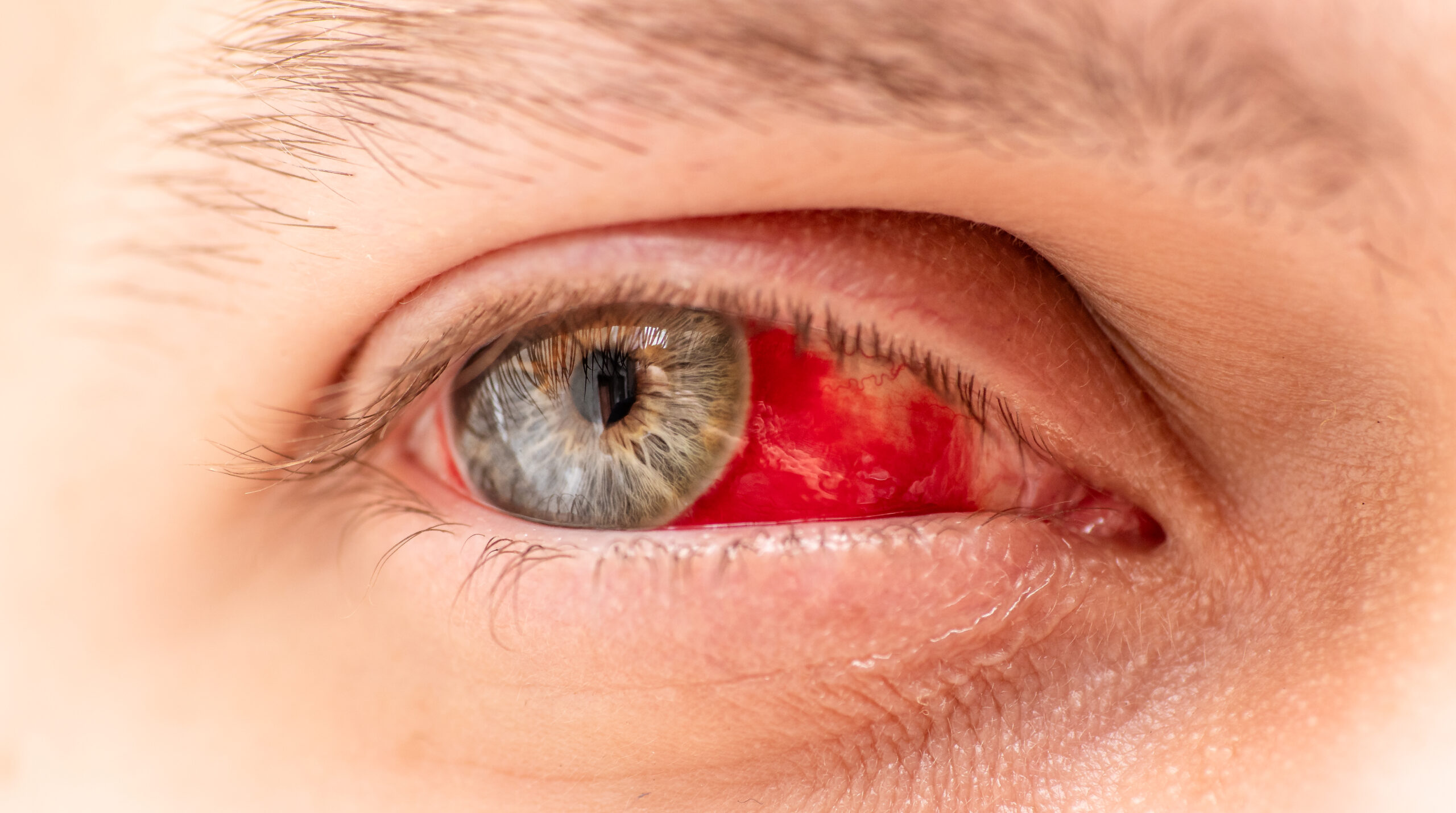
The Sudden and Alarming Signs of Retinal Detachment
Retinal detachment occurs when the retina, the light-sensitive tissue at the back of the eye, pulls away from its normal position.
This condition can cause sudden vision loss, often accompanied by floaters, flashes of light, and a shadow or curtain across part of the visual field.
Retinal detachment is a medical emergency that requires immediate treatment to prevent permanent vision loss. If left untreated, it can lead to complete blindness in the affected eye.
Conclusion
In conclusion, while many causes of blindness are known, the conditions discussed here are among the most terrifying and life-altering.
Early detection and prompt treatment can help prevent or slow the progression of many of these diseases, but in some cases, blindness is inevitable.
It is essential to maintain regular eye exams and seek medical attention if any unusual vision changes occur.
Awareness of these conditions can help individuals take the necessary steps to protect their eyesight and overall health.