Top 10 Rare and Groundbreaking Discoveries Near Volcanoes
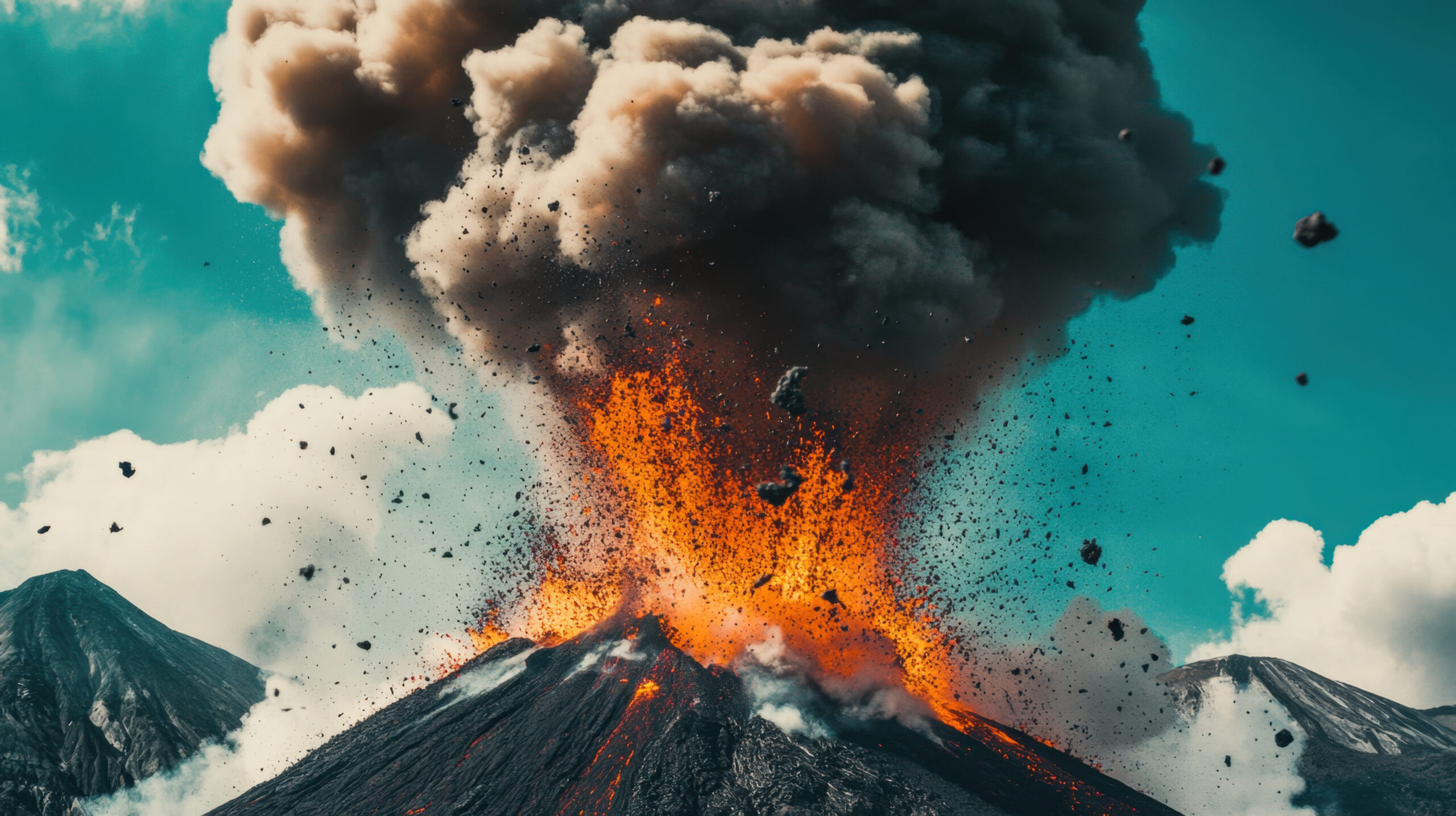
Volcanoes are more than just massive geological features that erupt with molten lava; they are time capsules, preserving ancient ecosystems and cultural legacies.
Even dormant volcanoes have become hotspots for archaeological and geological discoveries, providing a unique lens into the past.
The remarkable findings in and around volcanic areas have shed light on extinct species, ancient civilizations, and geological phenomena that continue to influence Earth’s evolution.
A Volcanic Fossil Predicting the Future
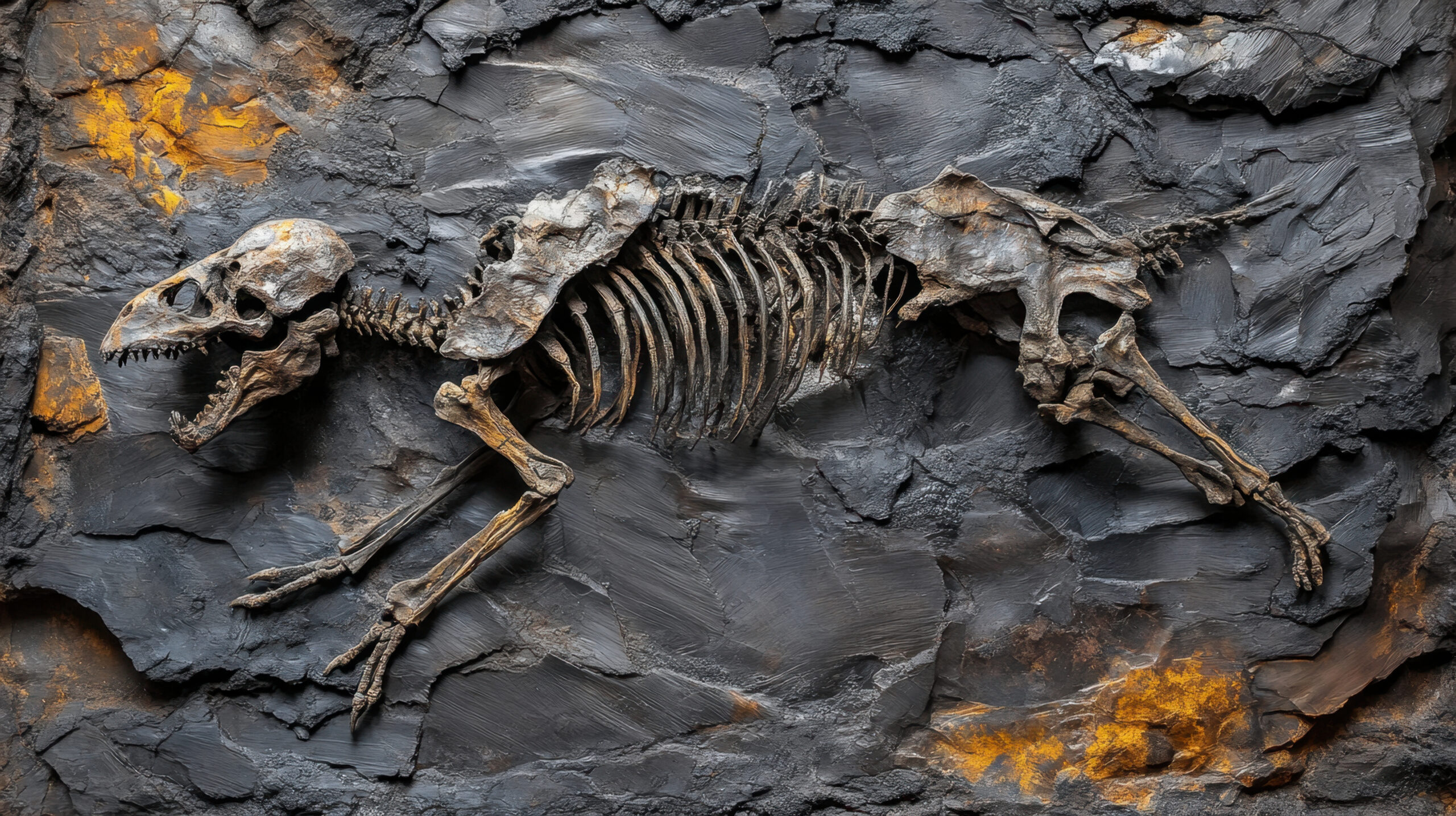
One of the most remarkable fossil discoveries near a volcano occurred in the Canadian Arctic in 2016. Scientists unearthed the fossil of Tingmiatornis arctica, a bird that lived around 90 million years ago.
This ancient species, a precursor to modern seabirds, proved a crucial clue to understanding ancient climate conditions. For years, researchers believed the Arctic remained icy during the Cretaceous period, but the presence of Tingmiatornis contradicted that view.
The bird’s ability to dive for food suggests that the region was once warmer, possibly due to volcanic eruptions that released carbon dioxide, triggering a greenhouse effect.
This discovery offers valuable insight into how volcanic activity can reshape entire ecosystems, providing a glimpse of a future climate scenario in which the Arctic experiences less ice and more temperate conditions.
The Floating Stone Shrine of Iztaccihuatl Volcano
At the foot of Mexico’s Iztaccihuatl volcano lies an ancient shrine that was revealed when a nearby pond was drained. This remarkable structure, dating back to the Aztec period, is a stunning example of ancient engineering.
The stones were arranged so that the shrine appeared to float in the water, creating a mirror effect. This architectural marvel is believed to represent the Aztecs’ conception of the universe, with the pond symbolizing the primordial waters from which life emerged.
The site, located in the Nahualac archaeological zone, is rich in artifacts tied to Tlaloc, the Aztec rain god, further cementing the area’s religious significance.
The Mysterious Outlaw’s Cave in Iceland’s Lava Fields
In 2014, explorers in Iceland’s Snaefellsnes National Park stumbled upon an unusual cave deep within the Neshraun lava field.
The cave contained remnants that suggested it had been inhabited some 900 years ago, during a time when Iceland had just adopted Christianity. The presence of horse bones, considered taboo for consumption after the adoption of Christianity, pointed to a hidden outlaw seeking refuge.
The cave, with its small fireplace and makeshift bedding, remains a mystery, one of the many secrets buried beneath Iceland’s volcanic terrain.
This discovery underscores the potential for even more archaeological finds in Iceland’s rugged lava fields, offering clues about life in the medieval period.
Giant Ring Dikes of Pilanesberg National Park, South Africa
The Pilanesberg National Park in South Africa is home to some of the most striking geological features: massive circular ring dikes.
These formations were created by an ancient volcanic eruption that began nearly a billion years ago. Satellite imagery revealed the extent of these dikes, which formed as magma pooled and solidified inside cracks in the Earth’s crust.
Over millions of years, erosion exposed these perfect circular formations, making them visible today. The largest of these structures, Matlhorwe Peak, rises 1,560 meters above sea level, offering a striking contrast to the surrounding landscape.
Fossilized Forest Beneath Volcanic Ash in Inner Mongolia
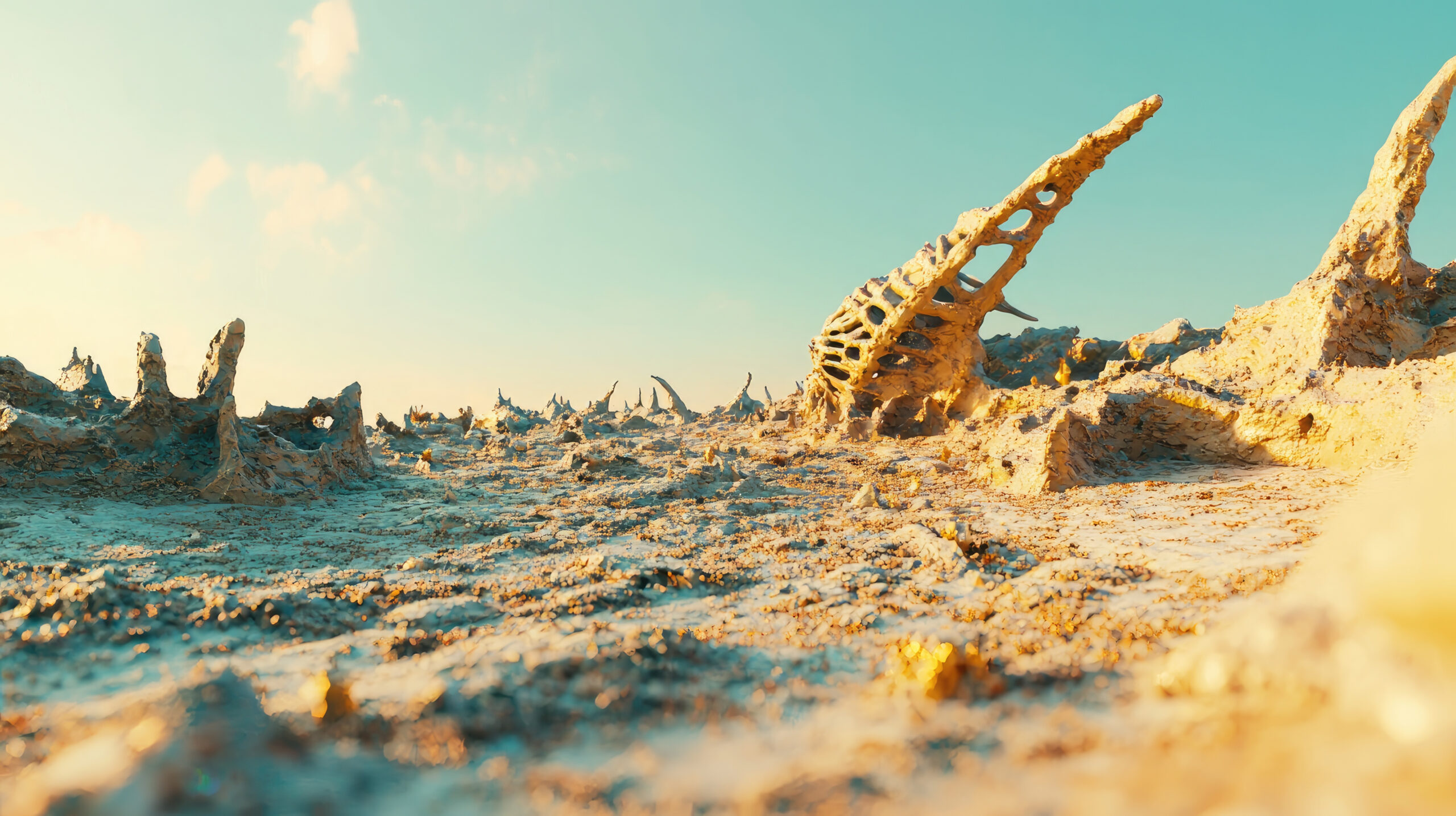
A 300-million-year-old forest was uncovered in Inner Mongolia, preserved beneath a thick layer of volcanic ash. This forest, which flourished during the Permian period, provides a rare snapshot of a prehistoric ecosystem.
Researchers discovered ancient trees, ferns, and cycads in remarkable condition, giving them a detailed picture of the forest’s structure.
Some trees reached 25 meters tall, and the presence of ferns and spore-producing trees adds depth to our understanding of Earth’s ancient environments.
This discovery emphasizes the role of volcanic activity in preserving ancient life forms and ecosystems, much like modern volcanic eruptions often preserve historical artifacts.
The Catastrophic Super-Eruption of Campi Flegrei, Italy
One of the most powerful volcanic eruptions in European history occurred at Campi Flegrei, Italy, around 39,000 years ago.
This super-eruption left behind vast ash fields, and scientists revisited these deposits in 2012 to refine our understanding of the event.
The eruption released up to 300 cubic kilometers of ash, impacting much of Europe and potentially contributing to the extinction of Neanderthals.
The eruption’s aftereffects, including dramatic cooling of the climate and the release of toxic gases such as sulfur dioxide, reshaped the region’s ecosystems.
The study of these ash fields revealed that the event was even more massive than previously thought, underscoring the profound impact volcanic activity can have on global climates and biodiversity.
The Toba Eruption and Its Impact on Human Evolution
The eruption of Mount Toba on the Indonesian island of Sumatra around 73,000 years ago is thought to have been a critical event in human history.
This eruption was so massive that it caused a volcanic winter, reducing global temperatures by 16 degrees Celsius. The dramatic climate shift led to widespread environmental destruction, including the death of vast swaths of forests in India and the surrounding regions.
This cataclysmic event likely contributed to a significant reduction in the human population, leading to a genetic bottleneck that explains the low genetic diversity observed in modern humans.
Evidence of this global disaster was uncovered in plant remains found in Toba’s ash, further solidifying its role in shaping human evolution.
The Rift of Africa
In Ethiopia, a volcanic event triggered the rapid formation of a continental rift, creating a massive crack that extends for 60 kilometers and is widening at an alarming rate.
This geological event marks the beginning of the splitting of the African continent, an event that could eventually lead to the formation of a new ocean. The rift is driven by underground volcanic activity, with lava rising to create a fracture in the Earth’s crust.
This process, known as continental rifting, is occurring at an accelerated pace, giving scientists a rare opportunity to observe the birth of a new ocean.
The rift could eventually separate the Horn of Africa from the rest of the continent, creating a new landmass that will gradually be submerged by the advancing sea.
Ancient Water Trapped in Volcanic Glass
One of the most surprising discoveries in volcanic research came from the Manus Basin in Papua New Guinea. There, scientists discovered that deep-sea volcanic eruptions trapped ancient seawater within volcanic glass deep beneath the ocean floor.
This water, which has been preserved for over a billion years, provides valuable insight into the recycling of Earth’s water and the dynamics of the Earth’s mantle.
The discovery of this prehistoric seawater is essential for understanding the long-term cycles of water movement within the planet’s geological processes, offering a unique glimpse into the Earth’s past climate and hydrological systems.
The Artificial “False Volcano” in Peru
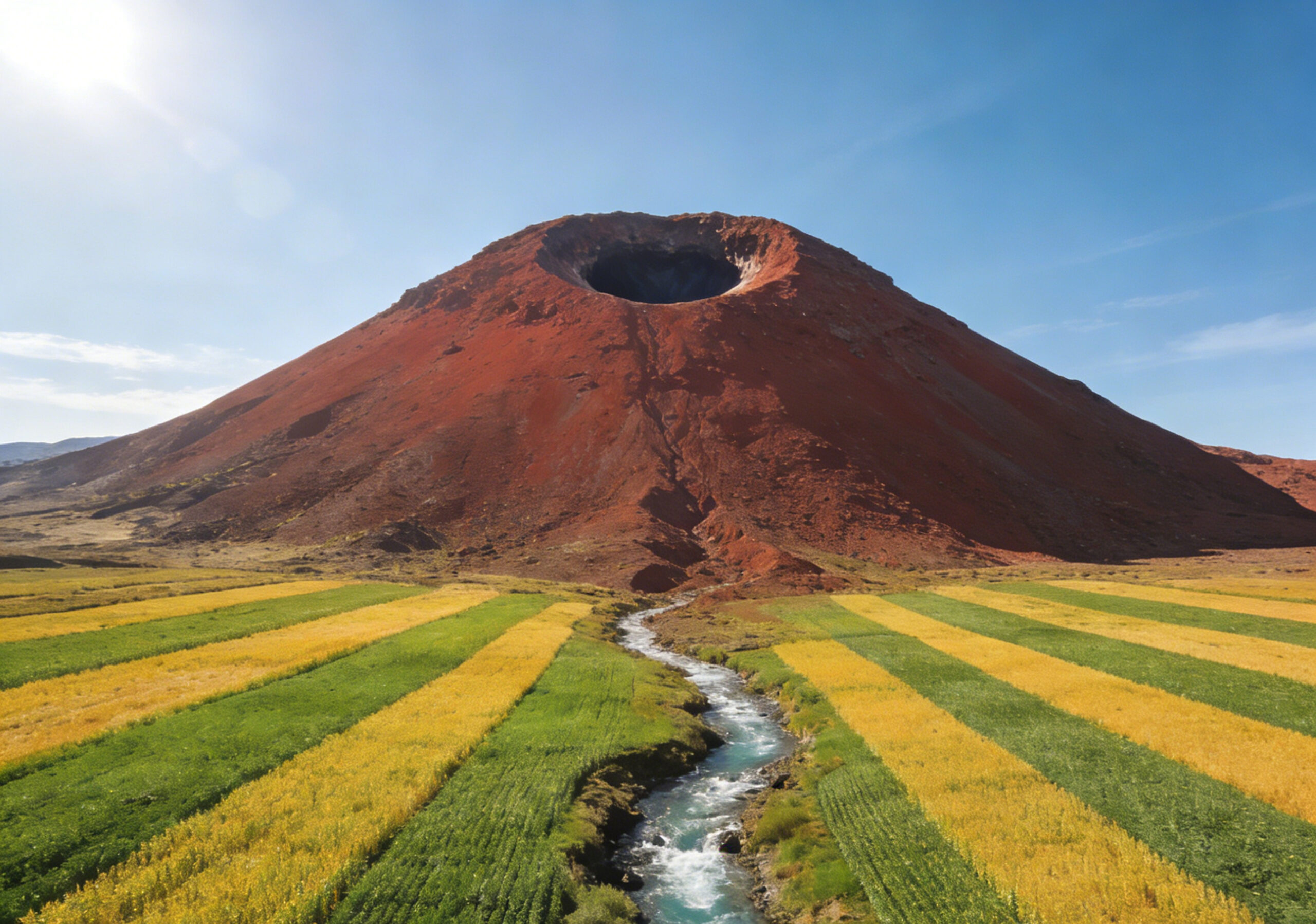
In Peru’s Nepena Valley, archaeologists discovered a peculiar structure resembling a volcano, named “El Volcan.” This ancient pyramid, dating back to between 900 and 200 BC, was built intentionally to mimic a volcanic cone.
The structure’s purpose remains a mystery, but it may have been used for ceremonial purposes. Evidence of a hearth within the pyramid suggests it may have been part of a ritual site, possibly linked to celestial events such as eclipses.
The construction of El Volcan showcases the ingenuity of ancient civilizations in their interaction with the natural environment, blending religious symbolism with architectural design.
Conclusion
Volcanoes, with their immense power and unpredictable eruptions, continue to fascinate scientists and archaeologists alike.
The discoveries made near and within volcanoes provide a deeper understanding of Earth’s dynamic history, revealing ancient ecosystems, lost civilizations, and volcanic activity that shaped our planet in unimaginable ways.
These findings remind us that even in the most destructive forces of nature, there are hidden clues to understanding the forces that continue to shape our world today.