


Rain gardens are an innovative solution for managing stormwater runoff while also enhancing your yard’s beauty. By planting species suited for wet conditions, you can reduce water runoff and erosion while promoting biodiversity.
Here are 10 must-have rain garden plants that thrive in waterlogged conditions and make a positive impact on the environment.
Blue Flag Iris (Iris versicolor)

The Blue Flag Iris, with its striking blue-purple blooms, is a standout in any rain garden. This perennial thrives in wet, poorly drained soils, making it an ideal choice for areas with standing water. Requiring little maintenance once established, the Blue Flag Iris adds visual interest with its tall, sword-like foliage and vibrant flowers that attract pollinators.
- USDA Hardiness Zones: 3–9
- Size: 2–3 feet tall and wide
- Care Tips: Cut back foliage in late fall after frosts to maintain plant health.
Cardinal Flower (Lobelia cardinalis)
Known for its deep red blooms, the Cardinal Flower adds a pop of color to your rain garden. Its vibrant flowers are an essential food source for hummingbirds, making it a perfect choice if you’re looking to support local pollinator populations. This perennial grows well in moist conditions and is a fantastic companion plant for native species.
- USDA Hardiness Zones: 3–9
- Size: 2–5 feet tall; 1–2 feet wide
- Care Tips: Prefers full sun to partial shade. Deadhead spent blooms to promote further flowering.
Ditch Lily (Hemerocallis fulva)
Ditch Lily, a popular choice for low-lying areas, is a versatile plant that thrives in moist conditions. Known for its vibrant orange flowers, it adds a bold statement to any rain garden. While it’s quite tolerant of wet soils, it may become invasive in some areas, so it’s essential to monitor its growth.
- USDA Hardiness Zones: 3–8
- Size: 2–4 feet tall and wide
- Care Tips: Best suited for areas with consistent moisture but well-drained soil. Prune back after flowering.
Japanese Primrose (Primula japonica)
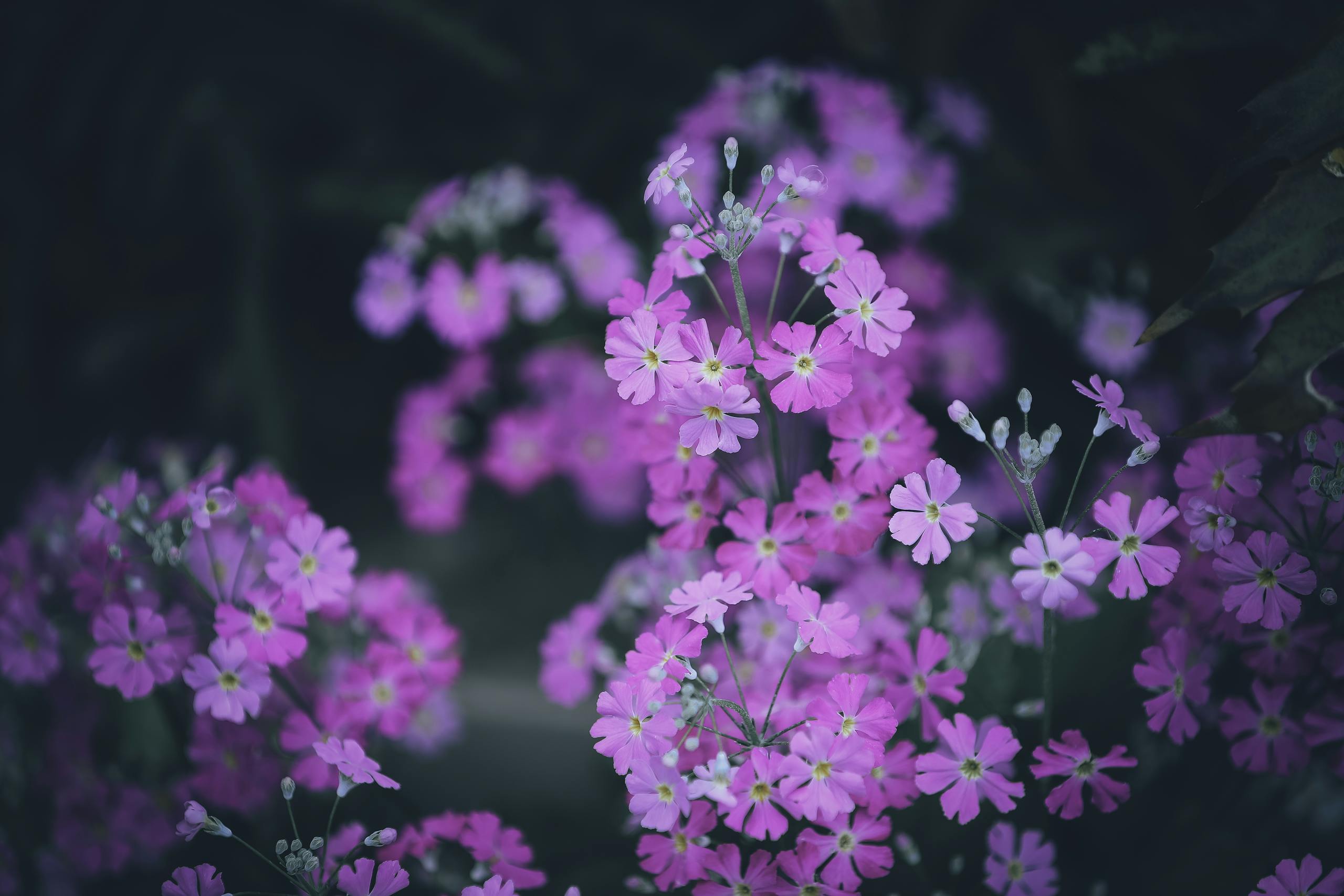
Japanese Primrose is an ideal plant for damp spots in your rain garden. With its showy flowers and pleasant fragrance, it thrives in moist conditions, adding texture and color. Its late spring blooms are a favorite among early-season pollinators, providing much-needed nectar before other flowers begin to bloom.
- USDA Hardiness Zones: 4–8
- Size: 16–24 inches tall and 12–24 inches wide
- Care Tips: Prefers partial shade and consistently moist soil.
Marsh Marigold (Caltha palustris)
Marsh Marigold brings a burst of sunshine to your rain garden with its bright yellow flowers. This perennial grows well in wet, boggy areas, making it perfect for areas with standing water. It’s low-maintenance and can even tolerate partial flooding.
- USDA Hardiness Zones: 3–7
- Size: 1–2 feet tall and wide
- Care Tips: Grows best in full sun to partial shade. Remove spent blooms to promote new growth.
Meadowsweet (Filipendula ulmaria)
Meadowsweet is an elegant plant with fragrant white flowers and lacy foliage that thrives in damp conditions. Once established, it adds height and texture to your rain garden, with tall flower stalks and dense blooms that attract a variety of pollinators, including bees and butterflies.
- USDA Hardiness Zones: 3–9
- Size: 3–6 feet tall; 1–3 feet wide
- Care Tips: Requires moist, well-drained soil and full sun to partial shade. Regular pruning helps keep the plant tidy.
Swamp Milkweed (Asclepias incarnata)

Swamp Milkweed is a must-have in any rain garden, particularly for those looking to attract monarch butterflies. This plant is well-suited for moist soil and wet conditions, offering clusters of fragrant pink flowers in the summer.
It also provides a food source for monarch larvae, making it an essential addition to support local wildlife.
- USDA Hardiness Zones: 3–6
- Size: 3–5 feet tall; 2–3 feet wide
- Care Tips: Prefers full sun and consistently moist soil. Prune after flowering to encourage new growth.
Swamp Sunflower (Helianthus angustifolius)
Swamp Sunflower thrives in wet, boggy soils, making it an excellent choice for rain gardens. With its vibrant yellow blooms, it provides a cheerful contrast to the more muted colors of other wetland plants. The Swamp Sunflower is also a favorite among pollinators, including bees and butterflies.
- USDA Hardiness Zones: 5–9
- Size: 5–8 feet tall; 2–4 feet wide
- Care Tips: Prefers full sun and wet soils. Can be invasive in some areas, so monitor its growth.
Scarlet Bee Balm (Monarda didyma)
Scarlet Bee Balm is a beautiful addition to any rain garden, with its striking red blooms that attract hummingbirds and other pollinators. This plant thrives in moist, well-drained soils, and its vibrant color provides a bold contrast to other plants in the garden.
- USDA Hardiness Zones: 4–9
- Size: 2–4 feet tall; 2–3 feet wide
- Care Tips: Prefers full sun to partial shade. Deadhead spent blooms to encourage further flowering.
Swamp Rose Mallow (Hibiscus spp.)

Swamp Rose Mallow, with its large, showy flowers, adds a dramatic touch to your rain garden. This plant thrives in wet conditions and offers a striking appearance with its colorful blooms.
It’s a perfect plant for creating a focal point in your garden, and its vibrant flowers will attract pollinators throughout the growing season.
- USDA Hardiness Zones: 4–11
- Size: 6 feet tall and wide
- Care Tips: Prefers full sun and moist, well-drained soil. Prune back after flowering to maintain plant health.
Conclusion
By choosing the right plants for your rain garden, you can reduce runoff, prevent erosion, and support local wildlife. The 10 plants listed above are well-suited for wet conditions, thrive in boggy soil, and attract pollinators, making them perfect for any rain garden.
Whether you’re adding vibrant flowers or creating a habitat for monarch butterflies, these plants will help transform your yard into an environmentally friendly oasis.


