Top 10 Laundry Myths You Need to Stop Believing

Laundry is an essential part of our everyday life, but it’s also a process full of myths and misconceptions.
With countless blogs, advice columns, and DIY tips floating around the internet, it’s easy to fall for misleading information about washing clothes.
Today, we will debunk some of the most common laundry myths that can cause more harm than good. Let’s separate fact from fiction to ensure you are caring for your clothes in the best way possible.
Turning Clothes Inside Out Is a Waste of Time
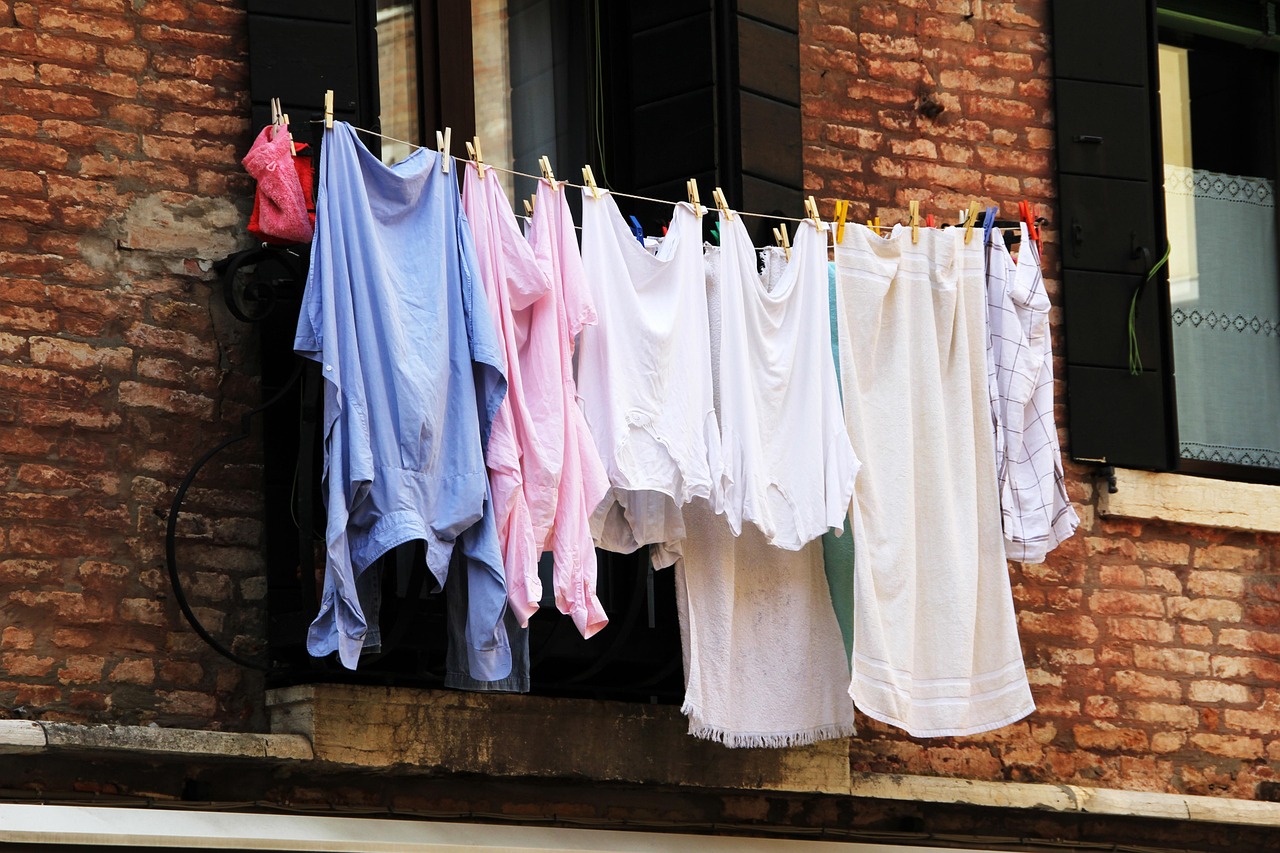
One of the most persistent myths in laundry care is that turning clothes inside out doesn’t matter. On the contrary, this simple step significantly enhances the washing process.
Recent studies suggest that flipping your clothes inside out helps in removing dirt, oils, and germs more effectively, especially from the inner layers of the fabric.
Additionally, it helps preserve the outer fabric’s appearance, reducing wear and tear and minimizing the friction that causes fading.
Key Benefits of Turning Clothes Inside Out:
- Better stain removal
- Less fabric damage
- Protection for printed designs
More Detergent Means Cleaner Clothes
A common belief is that adding more detergent will make your clothes cleaner. However, this is far from the truth.
Excess detergent doesn’t improve the cleanliness of your clothes and can, in fact, make matters worse.
Modern washing machines are calibrated to use a specific amount of detergent, and using more than necessary can leave soap residue on your clothes, leading to skin irritation and even unpleasant odors.
Consequences of Overusing Detergent:
- Soap residue buildup
- Faster wear and tear on fabrics
- Increased detergent costs
- Potential skin irritation
Hot Water Is the Only Way to Kill Germs
While it’s true that hot water can kill some bacteria, most home washing machines don’t reach temperatures high enough to effectively sanitize clothes.
In fact, the hot water setting on most machines is often around 120°F (49°C), which isn’t enough to eliminate harmful microorganisms.
The good news is that cold-water cycles, when paired with the right detergent, are just as effective at cleaning clothes and far more energy-efficient.
Alternatives to Hot Water:
- Use detergents designed for cold water.
- Use the machine’s sanitize cycle, if available.
- Check labels for appropriate temperature settings.
You Should Always Use Bleach for Whitening Clothes
The myth that bleach is essential for brightening whites is outdated. While bleach can work well in certain circumstances, using it incorrectly can actually damage your clothes.
For instance, adding undiluted bleach with detergent can cause the bleach to lose its effectiveness, leaving your clothes dull and potentially stained. To safely use bleach, wait until the cycle has started, then add the diluted bleach.
Safe Use of Bleach:
- Dilute bleach before adding it to the load.
- Avoid mixing it directly with detergent.
- Only use bleach on whites and colorfast items.
Ground Coffee Can Keep Your Black Clothes Dark
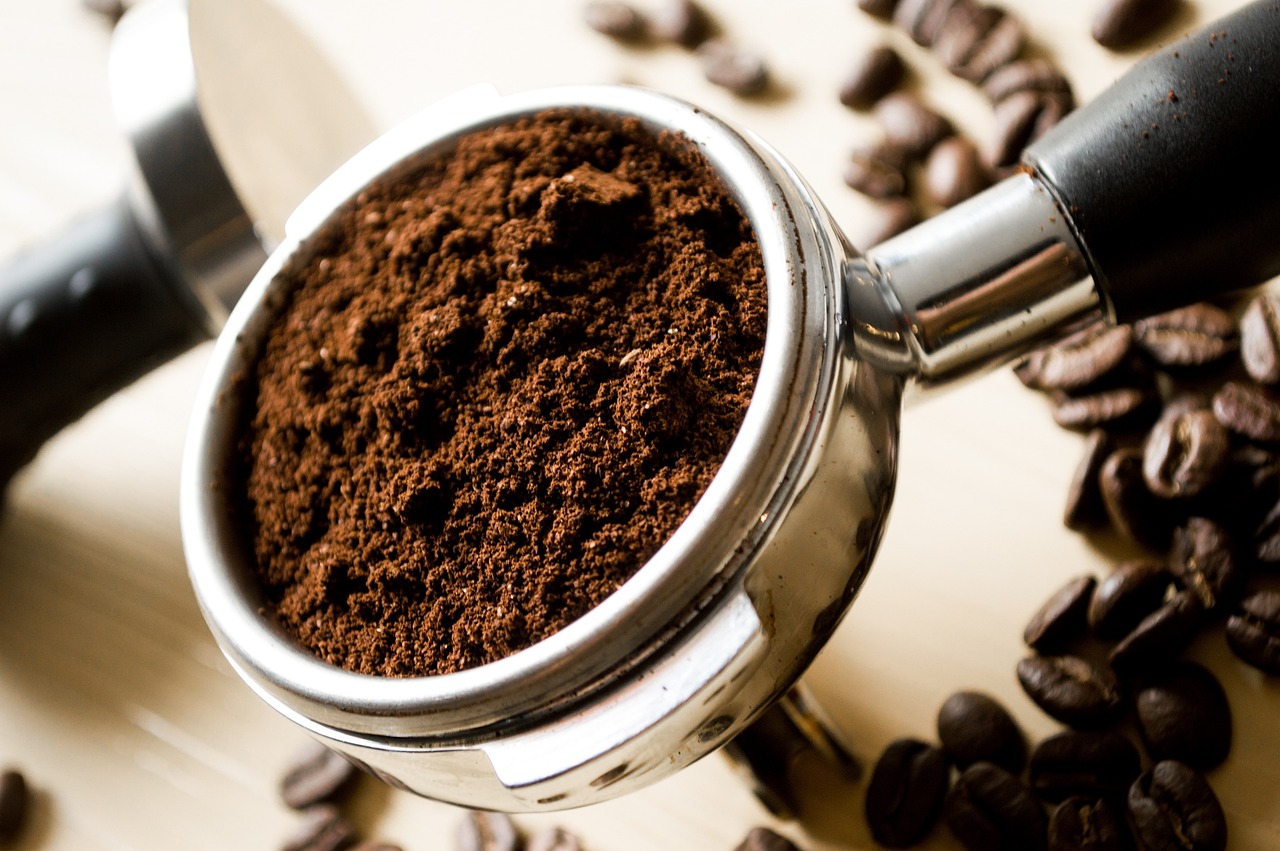
Another persistent myth is that adding ground coffee to your laundry will prevent dark clothes, especially black items, from fading. Unfortunately, this is not only ineffective but can also cause more harm than good.
Adding coffee grounds to your washing machine can result in strange odors and messes that could clog your machine. The best way to keep dark clothes vibrant is to wash them in cold water, turn them inside out, and use a gentle cycle.
Tips for Maintaining Dark Clothes:
- Wash in cold water.
- Turn clothes inside out.
- Use a detergent designed for dark fabrics.
Salt Prevents Dye from Bleeding
Many believe that adding salt to the wash will stop dye from bleeding and help preserve the colors of clothing, especially new dark items.
However, this myth is misleading. Salt doesn’t stop dye bleeding and may even damage the washing machine.
If you’re concerned about dye transfer, use color-catching sheets to trap dye and prevent it from spreading to other garments.
Effective Ways to Prevent Dye Bleeding:
- Use color-catching sheets.
- Wash new clothes separately.
- Follow care label instructions carefully.
Aspirin Can Whiten Clothes
Aspirin has long been touted as a miracle solution for whitening clothes, but this claim has been debunked.
While soaking clothes in hot water might help lift dirt and grime, aspirin doesn’t have any special properties that brighten whites.
Instead, soaking in a mixture of hot water and detergent is the best approach to get clothes cleaner and whiter.
Safer Alternatives for Whitening Clothes:
- Use oxygen bleach or a whitening detergent.
- Soak in a warm water and detergent mixture.
- Use the bleach alternative options in your washing machine.
Washing Machines Don’t Need Cleaning
Many people think that washing machines clean themselves, but in reality, they can accumulate bacteria, mildew, soap scum, and other debris over time.
Failing to clean your machine regularly can result in foul odors and less effective cleaning.
To prevent this, run an empty cycle with hot water and a cup of vinegar, or use a washing machine cleaner.
How to Clean Your Washing Machine:
- Run a hot water cycle with vinegar.
- Wipe down the rubber seals and drum.
- Perform cleaning every 4-6 weeks.
Freezing Your Jeans Will Kill Bacteria
One of the most bizarre laundry myths is that freezing your jeans will kill bacteria and make them last longer without washing.
Freezing may kill some bacteria, but it won’t eliminate the dirt, oils, or sweat trapped in the fabric.
Washing your jeans after every 2-3 wears (or sooner if visibly dirty) is the best way to maintain their cleanliness and longevity.
Myths About Jeans Care:
- Freezing does not clean your jeans.
- Wash jeans after 2-3 wears or sooner if dirty.
- Spot clean areas like pockets and cuffs to extend washes.
You Can Get STDs from Public Washing Machines
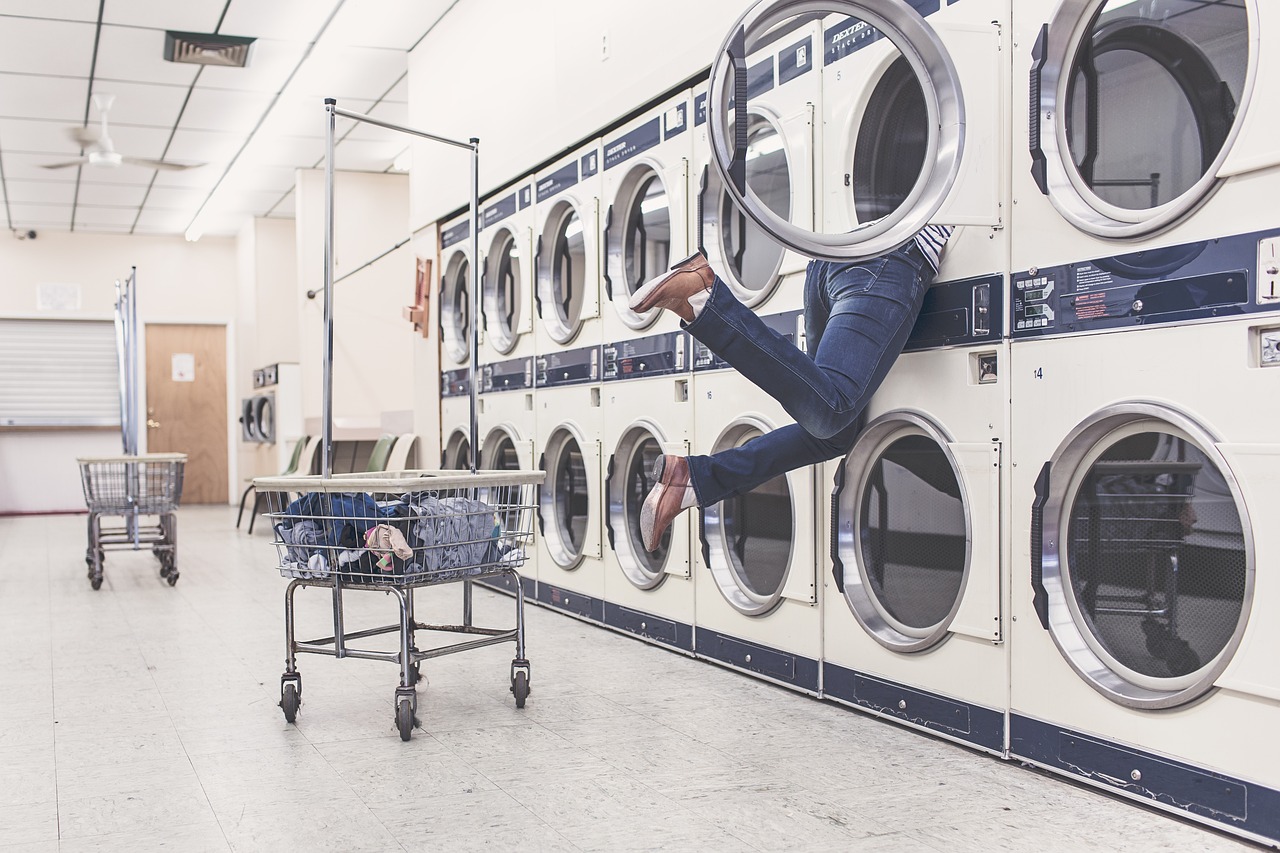
One of the most alarming myths surrounding laundry is the idea that public washing machines can transmit sexually transmitted diseases (STDs).
However, there is no evidence to support this claim. Most STDs cannot survive long outside the human body, and shared laundry machines do not pose a risk for transmitting these infections.
Public washers can carry bacteria like E. coli or Salmonella, but the risk of STD transmission is nonexistent.
Health Concerns with Public Washers:
- Avoid contact with raw fabrics.
- Use disinfectant on surfaces before use.
- Wash your hands thoroughly after handling public laundry.
Conclusion
Laundry myths abound, but understanding the facts can help you avoid costly mistakes and keep your clothes looking fresh and clean longer.
From turning clothes inside out to properly cleaning your washer, these small changes can make a huge difference in your laundry routine.
Stay informed and let go of outdated laundry myths for a more effective, efficient laundry experience.