Top 10 Fascinating and Engaging Home Science Experiments
123rf

Science has a unique way of captivating minds, sparking curiosity, and igniting a thirst for discovery.

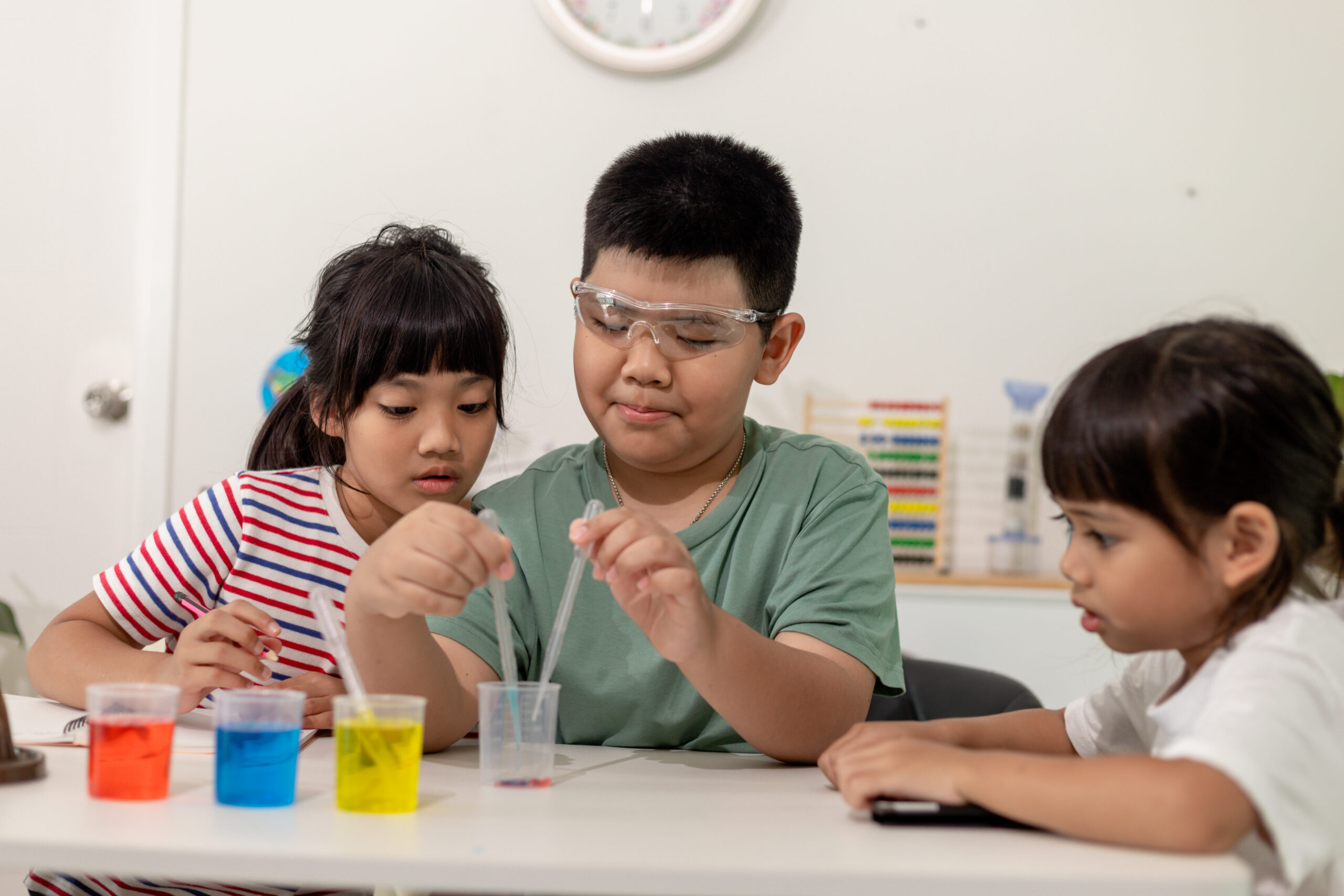
Whether you’re a parent seeking fun and educational activities for your children or an adult looking to dive into some hands-on science, home science experiments offer the perfect blend of entertainment and learning.

Here, we explore the top 10 coolest home science experiments that will not only amaze but also provide valuable insights into the fascinating world of science.

The Classic Baking Soda and Vinegar Volcano

Photo Credit: Freepik
One of the most iconic home science experiments, the baking soda-and-vinegar volcano, is a thrilling demonstration of an acid-base reaction. This dramatic yet straightforward experiment allows you to simulate a volcanic eruption in your own kitchen.

Materials Needed:

  • Baking soda
  • Vinegar
  • A container (e.g., plastic bottle or small cup)
  • A tray or a large dish to catch the overflow

Procedure:

  1. Place the container on the tray.
  2. Fill the container with baking soda.
  3. Slowly pour vinegar over the baking soda and watch the eruption unfold as carbon dioxide gas is produced, causing the mixture to bubble and spill over.

Explanation:

The reaction between baking soda (a base) and vinegar (an acid) produces carbon dioxide gas, which creates the foamy eruption. This experiment provides an excellent introduction to chemical reactions and gas production.

Dancing Raisins

A captivating experiment that will leave you mesmerized, the dancing raisins experiment is an excellent demonstration of buoyancy and gas bubbles in action. By simply dropping raisins into a carbonated beverage, you’ll observe them move up and down, as if dancing.

Materials Needed:

  • A clear glass or jar
  • Raisins
  • Carbonated soda (e.g., Sprite or soda water)

Procedure:

  1. Pour the carbonated soda into the glass.
  2. Drop a few raisins into the glass and observe them.
  3. Watch as the raisins rise and fall in the liquid.

Explanation:

The carbonated soda contains dissolved carbon dioxide gas. As the bubbles attach to the rough surface of the raisins, they cause the raisins to rise. When the bubbles burst at the surface, the raisins sink again. This demonstrates the concepts of buoyancy and gas diffusion.

Invisible Ink with Lemon Juice

Photo Credit: freepik
Create hidden messages using lemon juice in this intriguing yet straightforward experiment. Invisible ink is an easy way to explore chemistry and the science of oxidation. The secret messages appear when exposed to heat.

Materials Needed:

  • Lemon juice
  • Cotton swab or paintbrush
  • White paper
  • A heat source (e.g., lamp, iron, or hairdryer)

Procedure:

  1. Dip the cotton swab or paintbrush into lemon juice.
  2. Write or draw on the paper using the lemon juice.
  3. Let the paper dry completely.
  4. To reveal the hidden message, carefully heat the paper by holding it under a light bulb or with an iron (set to low heat).

Explanation:

The lemon juice acts as an acid that oxidizes when heated, turning the writing brown. This experiment demonstrates how heat can cause chemical changes, and it offers a fantastic opportunity to discuss oxidation reactions.

Making Slime

Slime is a gooey, stretchy substance that fascinates people of all ages. Making your own slime is an excellent experiment to explore the properties of polymers, cross-linking, and viscosity.

Materials Needed:

  • White glue
  • Baking soda
  • Contact lens solution (containing boric acid)
  • Food coloring (optional)

Procedure:

  1. Pour white glue into a bowl.
  2. Add a small amount of baking soda and mix well.
  3. Add the contact lens solution slowly while stirring.
  4. Once the mixture begins to come together, knead it with your hands until it forms a stretchy, non-sticky slime.

Explanation:

Slime is formed when the borate ions from the contact lens solution cross-link the polyvinyl acetate molecules in the glue. This creates a network of long polymer chains, resulting in the unique gooey texture: the more borate ions, the firmer the slime.

Egg in a Bottle

The egg-in-a-bottle experiment is a classic demonstration of air pressure. Using a small bottle and a peeled hard-boiled egg, you can demonstrate how atmospheric pressure works in a fun and engaging way.

Materials Needed:

  • A peeled hard-boiled egg
  • A glass bottle with an opening slightly smaller than the egg
  • Matches or a lighter
  • Paper

Procedure:

  1. Light a small piece of paper on fire and drop it into the bottle.
  2. Quickly place the peeled egg on top of the bottle opening.
  3. Watch as the egg is sucked into the bottle.

Explanation:

The burning paper heats the air inside the bottle, causing it to expand. When the flame goes out, the air cools and contracts, creating lower pressure inside the bottle than outside. The higher external air pressure pushes the egg into the bottle.

Homemade Lava Lamp

Photo Credit: freepik
Creating a homemade lava lamp provides a hands-on opportunity to learn about the principles of density and the immiscibility of liquids. This captivating experiment is sure to fascinate anyone who sees it.

Materials Needed:

  • A clear plastic bottle
  • Water
  • Vegetable oil
  • Food coloring
  • Alka-Seltzer tablets

Procedure:

  1. Fill the bottle with water, leaving a bit of space at the top.
  2. Add vegetable oil on top of the water.
  3. Add a few drops of food coloring.
  4. Drop an Alka-Seltzer tablet into the bottle and watch as the colorful blobs rise and fall like lava.

Explanation:

The oil and water do not mix because they have different densities and polarities. When an Alka-Seltzer tablet dissolves, it releases carbon dioxide gas, creating bubbles that rise through the liquid, mimicking the effect of a lava lamp.

Color Changing Milk

Color-changing milk is a striking experiment that teaches about surface tension, polarity, and chemical reactions. This experiment is both visually stimulating and educational.

Materials Needed:

  • Milk (whole or 2% works best)
  • Food coloring
  • Dish soap
  • A shallow dish

Procedure:

  1. Pour the milk into the shallow dish.
  2. Add drops of food coloring around the edges of the dish.
  3. Dip a cotton swab into dish soap and then touch it to the milk.
  4. Watch as the colors move and swirl in the milk.

Explanation:

The soap reduces the surface tension of the milk, causing the fat molecules to move. The food coloring moves along with the fat molecules, creating vibrant patterns. This experiment visually demonstrates how molecules interact on the surface of liquids.

The Magic of Crystal Growing

Growing crystals at home is an educational experiment that demonstrates crystallization. Watching crystals form over time is a magical experience and offers a chance to explore the world of minerals and solid-state chemistry.

Materials Needed:

  • Table salt or sugar
  • Water
  • A clear jar or glass
  • A string or a stick

Procedure:

  1. Boil some water, then dissolve as much salt or sugar as possible.
  2. Pour the solution into the jar and suspend a string or stick inside.
  3. Allow the jar to sit undisturbed for several days.
  4. Observe the crystals forming along the string or stick.

Explanation:

As the water evaporates, the solute (salt or sugar) forms solid crystals. This process, known as crystallization, occurs when the solution becomes supersaturated, and the solute molecules arrange into orderly structures.

The Magnetic Liquid

Ferrofluids are magnetic liquids that form interesting patterns when exposed to magnetic fields. This experiment is perfect for demonstrating magnetism and the fascinating behaviors of magnetic materials.

Materials Needed:

  • Ferrofluid (can be purchased online)
  • A strong magnet
  • A shallow dish

Procedure:

  1. Pour the ferrofluid into the shallow dish.
  2. Hold the magnet near the liquid and observe as the fluid forms peaks and patterns in response to the magnetic field.

Explanation:

Ferrofluids are made of tiny magnetic particles suspended in a liquid. The magnetic particles align themselves with the magnetic field, creating the distinct patterns and movements you see when you bring a magnet near.

The Water Surface Tension Experiment

Photo Credit: freepik
The water surface tension experiment provides an interesting way to explore the concepts of cohesion and adhesion. By simply placing a paperclip on the surface of water, you can see surface tension in action.

Materials Needed:

  • Water
  • A glass of water
  • A paperclip

Procedure:

  1. Fill a glass with water.
  2. Carefully place a paperclip on the surface of the water, ensuring it doesn’t sink.

Explanation:

Surface tension occurs because water molecules are more attracted to each other than to the air above. This causes the water surface to form a “skin” that can support light objects, such as a paperclip.

Conclusion

By incorporating these 10 exciting and thought-provoking home science experiments into your routine, you’ll not only have fun but also gain a deeper understanding of fundamental scientific principles.

From chemical reactions to the wonders of physics and biology, these experiments cover a wide range of topics, ensuring that there’s something for everyone to learn and enjoy. Happy experimenting!


Author

Similar Posts

Leave a Reply

Your email address will not be published. Required fields are marked *