Top 10 Effective Green Practices for a Sustainable Future
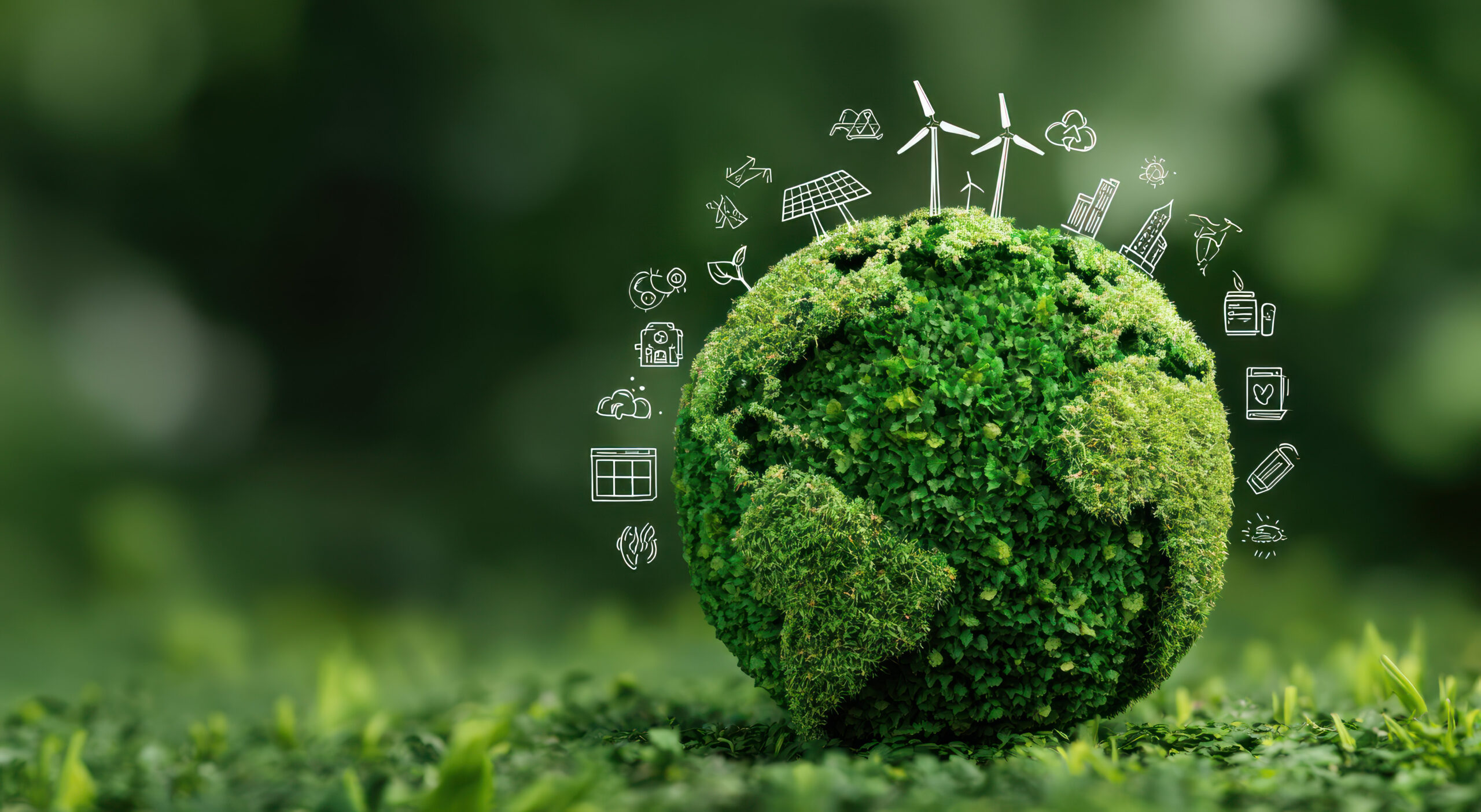
A green textured globe is the central subject of this image, adorned with illustrations representing sustainable energy sources. It is set against a blurred background of green vegetation, suggesting an outdoor environment. The composition conveys environmental consciousness, potentially suitable for eco-friendly or sustainability-themed publications.
In today’s world, adopting sustainable, eco-friendly habits is more essential than ever. With growing environmental concerns, making mindful decisions is key to preserving our planet for future generations.
From reducing waste to making smarter consumer choices, each action, no matter how small, contributes to a more sustainable world.
Here, we explore 10 green practices that not only make a difference but also help you lead an environmentally conscious life.
Sustainable Commuting

Transportation remains one of the largest sources of greenhouse gas emissions globally. By shifting towards more sustainable commuting practices, you can make a significant impact.
- Biking and Walking: If you live close to work or local amenities, consider walking or cycling. These methods of commuting not only reduce carbon emissions but also promote physical well-being.
- Public Transport: For longer journeys, use public transport. Buses, trains, and subways are more energy-efficient than individual car rides and help alleviate urban traffic congestion.
- Carpooling and Ride-sharing: Reducing the number of vehicles on the road is an effective way to cut down on emissions. Carpooling or ride-sharing services reduce the number of cars on the road, easing traffic and lowering each person’s carbon footprint.
Sustainable commuting contributes to cleaner air, reduced greenhouse gas emissions, and lessened dependence on fossil fuels, helping mitigate the impacts of climate change.
Reducing Single-Use Plastics
The rampant use of single-use plastics, such as bottles, straws, and plastic bags, has created a massive environmental problem.
These plastics take hundreds of years to decompose and often end up in oceans and landfills, harming wildlife and ecosystems.
- Opt for Reusables: Start by replacing single-use plastic items with durable alternatives. Stainless steel water bottles, reusable grocery bags, and metal or bamboo straws are easy substitutes.
- Refuse Plastic: In restaurants or shops, politely decline plastic packaging or disposable cutlery. Many businesses now offer sustainable alternatives upon request.
- Support Brands with Sustainable Packaging: Look for products with minimal or eco-friendly packaging, such as biodegradable or recyclable materials.
By reducing reliance on disposable plastics, you help reduce waste and prevent plastic pollution in our oceans and landscapes.
Protecting Pollinators
Pollinators such as bees, butterflies, and birds are vital for the reproduction of many plants, including a significant portion of the food crops that humans rely on.
Unfortunately, these creatures face numerous threats from habitat loss, pesticide use, and climate change.
- Create Pollinator Habitats: In your garden or even balcony, plant native flowers that attract bees, butterflies, and other pollinators. Ensure your garden provides a continuous source of nectar year-round.
- Avoid Harmful Chemicals: Pesticides and herbicides can be lethal to pollinators. Choose natural alternatives or organic methods to control pests.
- Promote Awareness: Educate others about the importance of pollinators and support local initiatives to create more pollinator-friendly spaces.
Without pollinators, many of our beloved foods, from fruits and vegetables to nuts and coffee, would become scarce.
Taking action to protect these essential species is vital for maintaining biodiversity and ensuring food security.
Composting
Composting is one of the easiest and most effective ways to reduce organic waste and improve soil health. By diverting food scraps and yard waste from landfills, composting reduces methane emissions and enriches soil with nutrients.
- Start Your Compost Pile: Begin by collecting kitchen scraps like fruit and vegetable peels, coffee grounds, and eggshells. Avoid meat, dairy, and oily foods, as they can attract pests and take longer to break down.
- Balance Greens and Browns: For proper decomposition, mix “green” materials (e.g., food scraps) with “brown” materials (e.g., dried leaves, cardboard, or straw).
- Use Finished Compost: After a few months, use your finished compost to nourish your garden, reduce the need for chemical fertilizers, and retain soil moisture.
Composting turns waste into a resource, reducing landfill usage and helping to combat soil degradation, making it a vital practice for any eco-conscious individual.
Reducing Beauty Waste

The beauty industry generates millions of tons of packaging waste every year, much of which is non-recyclable.
Additionally, many beauty products contain harmful chemicals that can leach into the environment.
- Minimalist Beauty Routine: Streamline your beauty routine by choosing multi-purpose products such as a tinted moisturizer with SPF or a lip and cheek stain. This reduces the number of items you need to purchase and discard.
- Eco-Friendly Packaging: Opt for beauty products that come in recyclable or refillable containers. Many brands now offer packaging made from biodegradable or sustainable materials.
- DIY Beauty Solutions: Create your own beauty products at home using natural ingredients like coconut oil, honey, and avocado. This not only reduces packaging waste but also avoids the use of harsh chemicals in commercial products.
By making more sustainable beauty choices, you minimize the environmental impact of your personal care routine while still pampering yourself.
Going Paperless
In the digital age, going paperless is one of the easiest ways to reduce waste and preserve trees.
The average office worker uses thousands of sheets of paper annually, contributing to deforestation and pollution.
- Digitize Documents: Invest in a scanner or use mobile apps to digitize physical paperwork. Store your files in cloud-based systems like Google Drive or Dropbox for easy access and sharing.
- Adopt Paperless Billing and Communication: Switch to digital billing, receipts, and notifications to eliminate paper waste. Many companies now offer paperless options that help reduce consumption.
- Use Digital Notes and Apps: Instead of jotting down notes on paper, use digital note-taking apps such as Evernote or Microsoft OneNote.
Going paperless is a simple yet impactful way to reduce your environmental footprint and streamline your life.
Reducing Food Waste
Food waste is a significant environmental issue, as it contributes to methane emissions when disposed of in landfills.
Additionally, the resources used to produce wasted food, such as water, energy, and land, are squandered.
- Plan Your Meals: Take time to plan your meals and create a shopping list to avoid overbuying. This reduces the risk of food spoiling before it is consumed.
- Repurpose Leftovers: Get creative with leftovers by turning them into new dishes. For example, leftover vegetables can be added to soups, or excess rice can be used in stir-fries.
- Proper Storage: Use airtight containers for dry goods, and refrigerate perishable items like fruits and vegetables to extend their shelf life.
By managing food more efficiently, you not only reduce waste but also conserve valuable resources like water and energy.
Using Eco-Friendly Cleaning Products
Many conventional cleaning products contain toxic chemicals that can pollute waterways and harm wildlife. Switching to eco-friendly cleaning alternatives is a simple way to reduce your environmental impact.
- Choose Green Cleaners: Look for products that are biodegradable and free of harmful chemicals. Alternatively, make your own cleaners using ingredients like vinegar, baking soda, and lemon juice.
- Use Refillable Cleaning Bottles: Many eco-friendly brands offer refillable cleaning solutions, which reduce plastic waste.
- Limit Chemical Exposure: Eco-friendly products not only protect the environment but also improve indoor air quality, reducing the risk of respiratory issues.
Eco-friendly cleaning products offer a safer, more sustainable way to maintain a clean, healthy living environment.
Buying Second-Hand Goods
The fashion industry is one of the largest polluters globally, contributing significantly to carbon emissions and waste. Buying second-hand clothes and goods is an effective way to minimize this impact.
- Shop at Thrift Stores: Vintage shops and second-hand stores offer a wide range of stylish, eco-friendly items.
- Online Marketplaces: Platforms like eBay, Poshmark, and Depop let you buy pre-owned clothes and accessories from the comfort of your home.
- Upcycle and Repair: Instead of discarding old clothing, try upcycling or repairing items to give them a new life.
By embracing second-hand shopping, you help reduce demand for new products, thereby saving resources and energy.
Reducing, Reusing, and Recycling
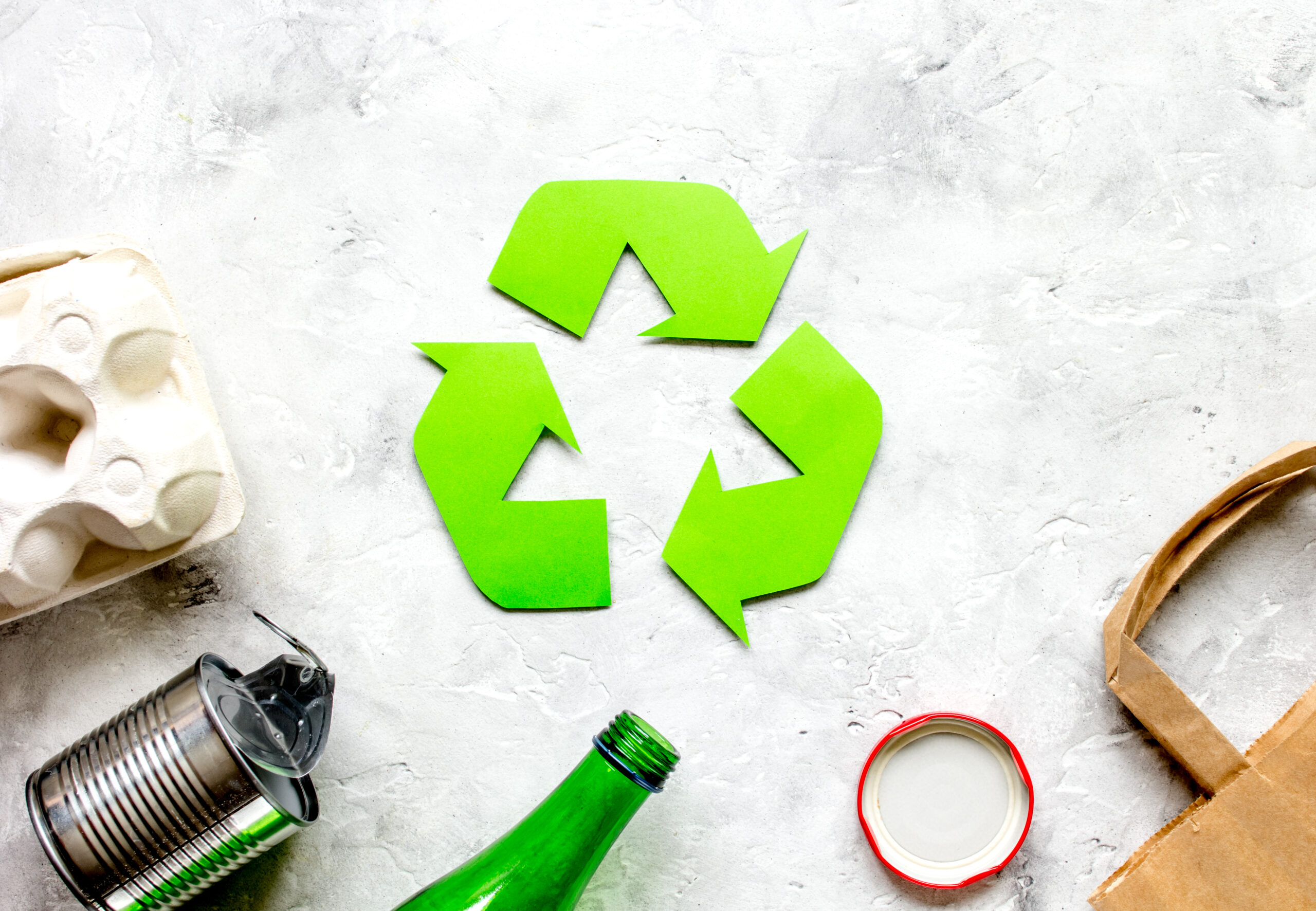
Reducing consumption, reusing items, and recycling materials are essential practices in creating a more sustainable future. Each of these actions helps conserve resources, reduce waste, and minimize the need for new raw materials.
- Reduce Consumption: Be mindful of your purchasing habits and buy only what you truly need. This decreases the demand for mass production and lowers your environmental footprint.
- Reuse Whenever Possible: Repurpose containers, clothing, and other goods rather than discarding them after one use.
- Recycle Properly: Ensure you recycle materials according to local guidelines to help turn used materials into new products.
By adopting these three principles, you can make a substantial impact on the planet, reducing waste and conserving resources for future generations.
Conclusion
Incorporating these green practices into your daily life not only helps reduce your environmental impact but also promotes a sustainable and healthier lifestyle.
Whether you’re composting, reducing plastic use, or making smarter consumer choices, every action counts.
Start today and join the global movement towards a greener, more sustainable future.