Top 10 Coolest Plants: A Fascinating Look at Nature’s Most Unique and Stunning Flora
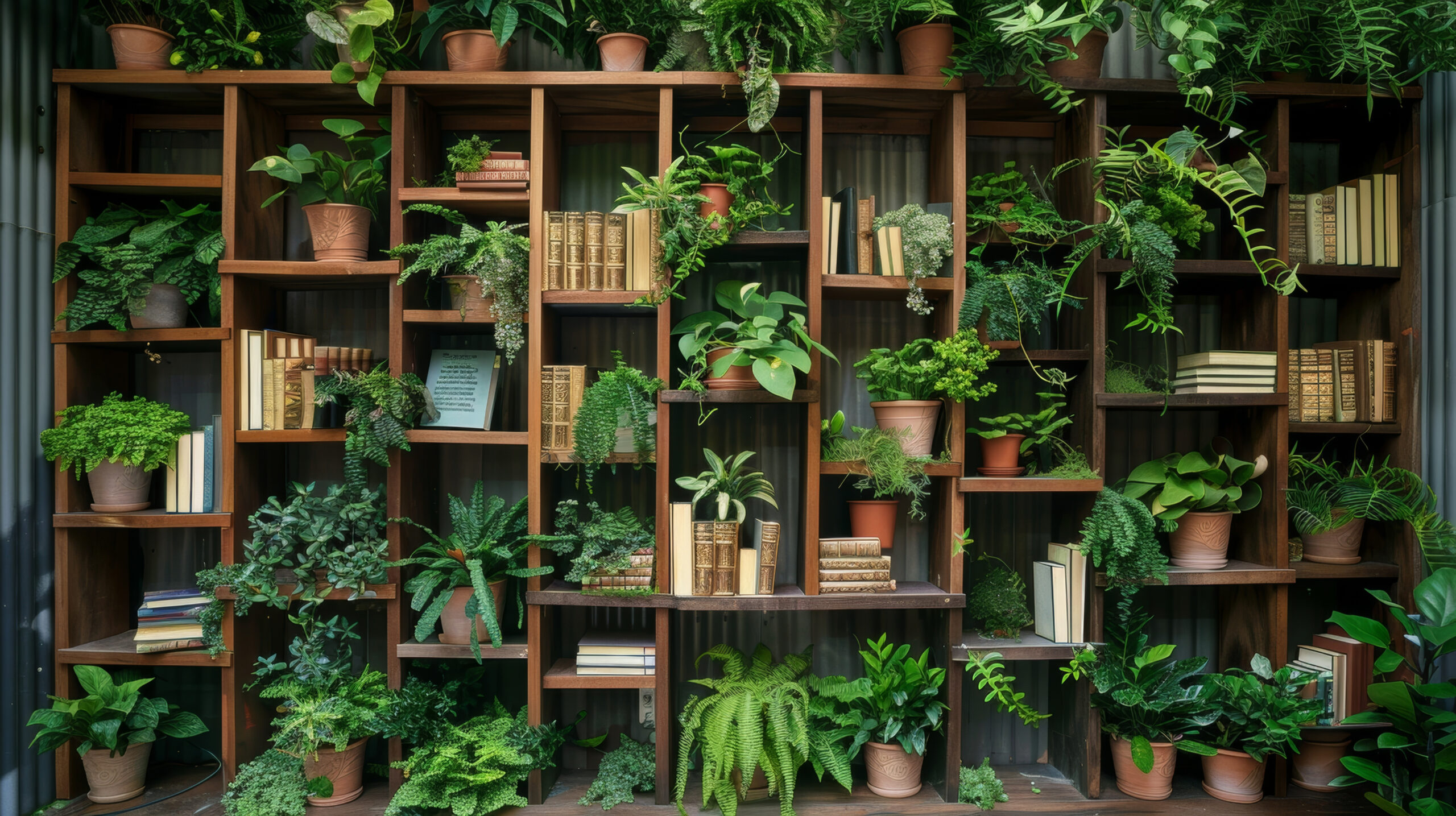
The world of plants is incredibly diverse, with some species standing out due to their unique appearances, extraordinary adaptations, and fascinating growth patterns.
In this article, we explore the top 10 coolest plants that showcase nature’s creativity and ingenuity. From vibrant, bioluminescent species to those with intricate survival strategies, these plants represent the pinnacle of botanical wonder.
The Venus Flytrap
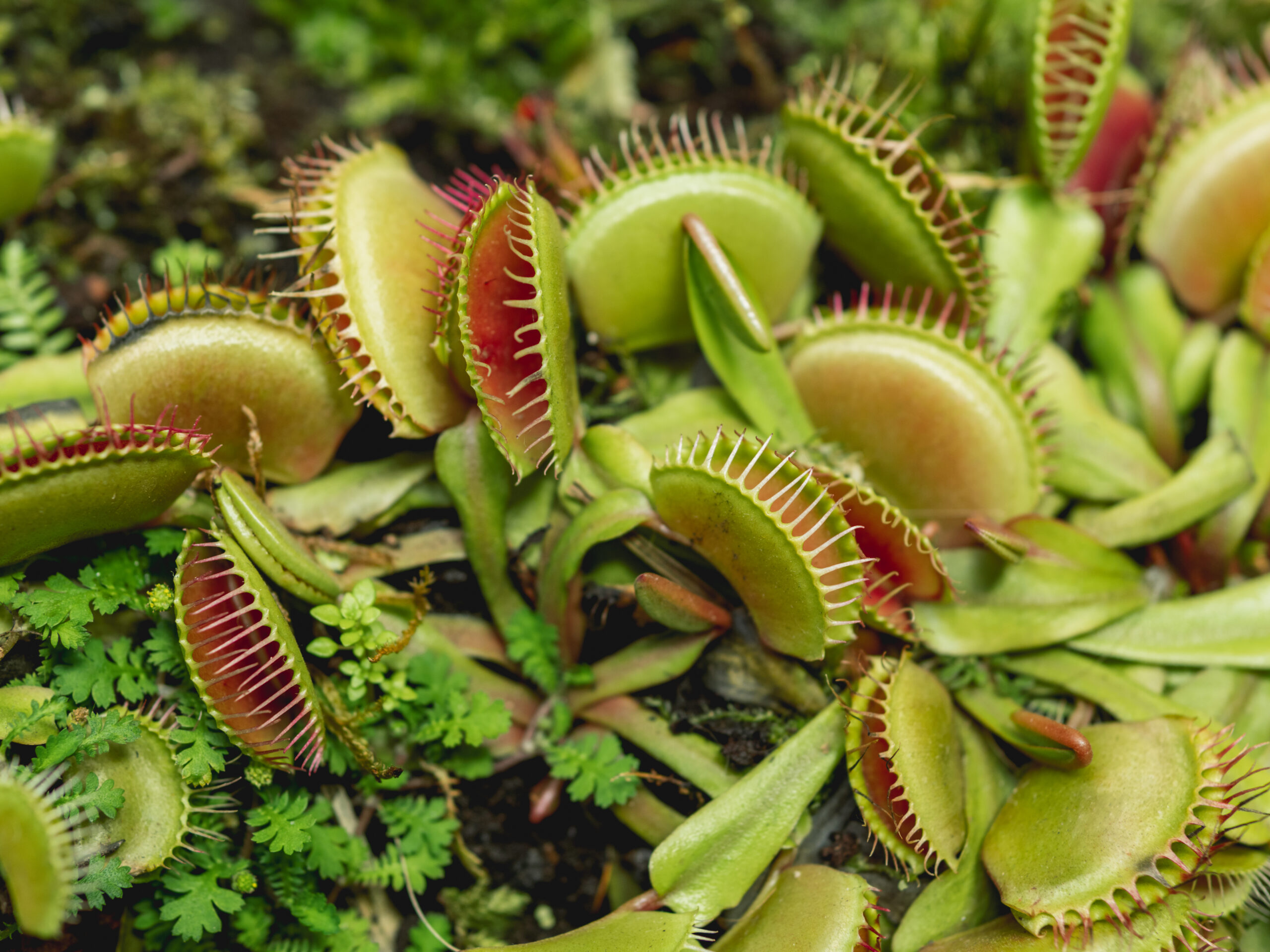
The Venus flytrap (Dionaea muscipula) is one of the most famous carnivorous plants. Found primarily in the boggy areas of the southeastern United States, this plant has developed an incredible mechanism for trapping and digesting insects.
Its specialized leaves act as jaws that snap shut when prey touches the tiny hairs on their inner surfaces. The Venus flytrap’s rapid response is one of the fastest movements in the plant kingdom, making it an extraordinary example of nature’s efficiency in securing its food source.
Fascinating Facts:
- The traps only close when two or more hairs are triggered within 20 seconds, ensuring energy is not wasted.
- It can consume a variety of insects, from flies to beetles, providing it with essential nutrients, such as nitrogen, which is often deficient in the soil where it grows.
The Corpse Flower
The Amorphophallus titanum, better known as the corpse flower, is one of the largest and rarest flowering plants in the world.
Native to the rainforests of Sumatra, Indonesia, this plant blooms only every several years and emits a foul odor reminiscent of rotting flesh. While its smell is unpleasant to humans, it attracts pollinators like carrion beetles and flesh flies, which are drawn to decaying matter.
Key Features:
- The bloom can reach up to 10 feet in height.
- Its pungent odor can be smelled from miles away during the short flowering period.
Baobab Tree
The baobab (Adansonia) is often referred to as the “upside-down tree” due to its unique appearance. Native to Africa, Australia, and Madagascar, the baobab has an enormous trunk that can store up to 32,000 gallons of water.
Its wide, thick trunk and large, swollen branches make it look as though the tree is growing upside down, with roots stretching toward the sky.
Fascinating Characteristics:
- Baobabs can live for thousands of years, making them among the oldest living organisms.
- Their fruit, known as the “monkey bread,” is rich in vitamin C, making it an important food source in many African cultures.
Rafflesia arnoldii
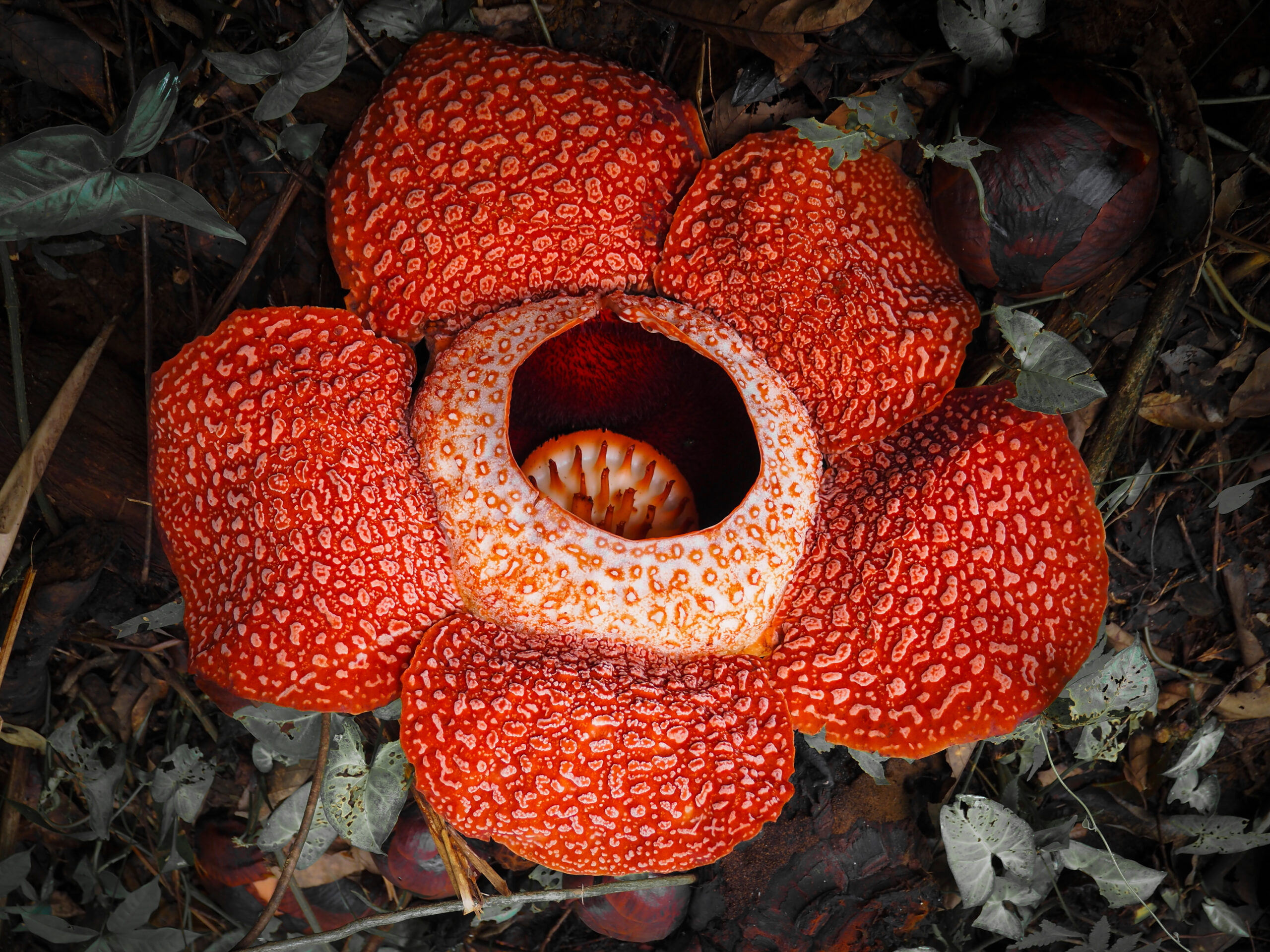
Rafflesia arnoldii, the corpse flower’s close relative, is known for producing the largest single flower in the world, which can grow up to three feet in diameter.
This parasitic plant, native to Southeast Asia, has a striking appearance, with its large, leathery petals and a decaying-flesh odor. The flower blooms only a few times each year, typically for about a week, and is a rare sight to behold.
Noteworthy Details:
- The flower is parasitic, meaning it lacks leaves or roots of its own and feeds on the host plant.
- It is a symbol of both the beauty and bizarre nature of life in the tropical rainforests.
The Sensitive Mimosa
Key Features:
- The rapid leaf movement is caused by turgor pressure changes in the plant’s cells.
- This plant’s sensitivity extends to vibrations, which can cause it to fold up even in response to wind or a nearby insect.
The Ghost Orchid
Intriguing Facts:
- The flower’s elusive nature makes it one of the most difficult orchids to spot in the wild.
- Ghost orchids are incredibly rare, and their habitat is often threatened by deforestation.
The Welwitschia
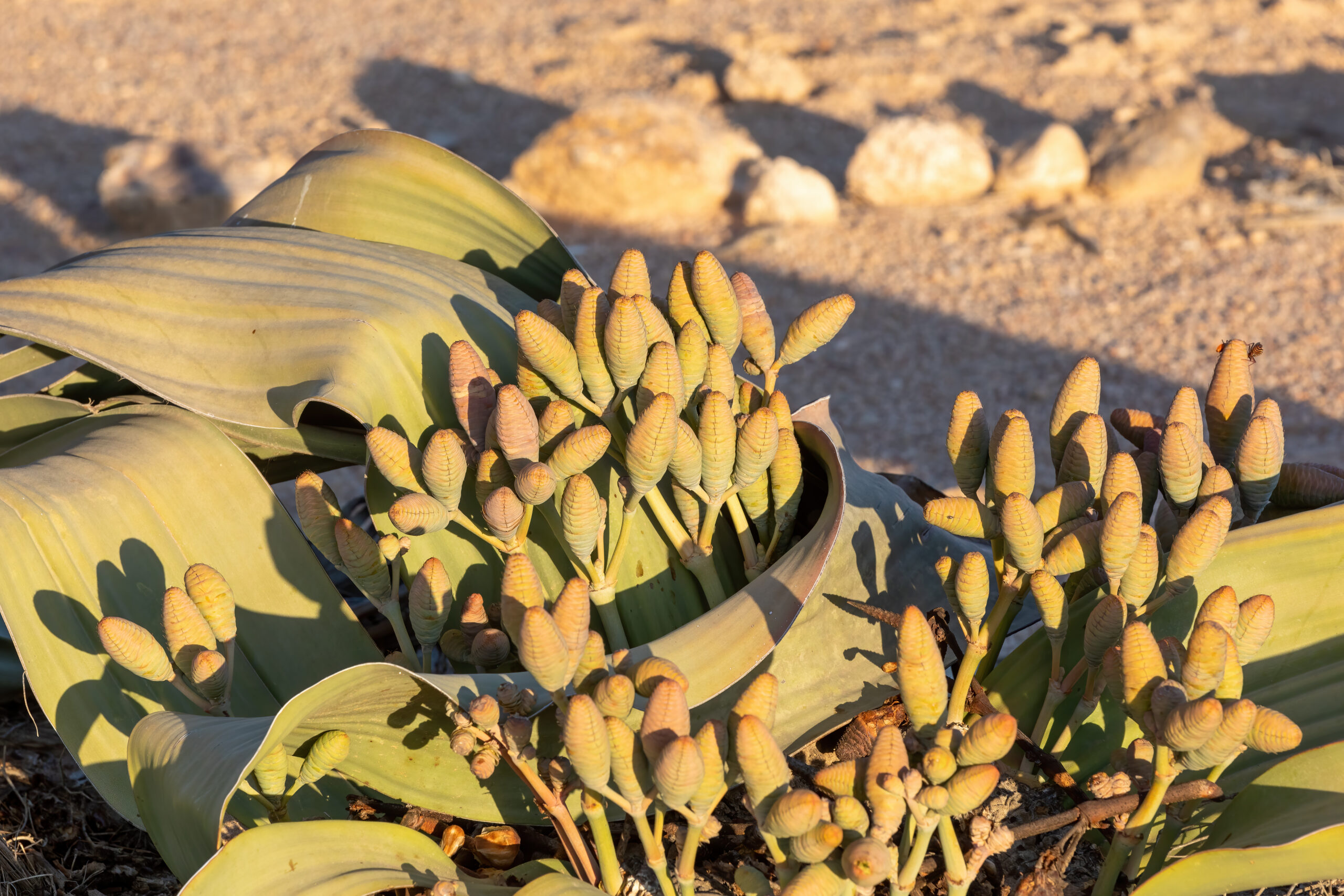
The Welwitschia mirabilis is a unique and ancient plant native to the deserts of Namibia and Angola.
Known for its two long, strap-like leaves that continuously grow throughout its life, the Welwitschia is often described as a “living fossil” due to its survival for over 200 million years. This plant is well-adapted to the arid desert conditions, absorbing moisture from the morning fog that rolls in from the ocean.
Survival Features:
- The leaves of the Welwitschia never stop growing, making them the longest-lasting plant leaves in the world.
- It can survive for several centuries, thriving in one of the harshest environments on Earth.
The Pitcher Plant
Pitcher plants, found in both tropical and temperate regions, are carnivorous plants that capture prey using a modified leaf structure shaped like a deep pitcher.
The plant’s cavity contains a digestive fluid, and once an insect or small animal falls in, it becomes trapped and eventually digested. Some species, like the Nepenthes (tropical pitcher plants), produce sweet nectar to lure their prey.
Fascinating Characteristics:
- Pitcher plants are often mistaken for flowers due to their vibrant colors and intricate shapes.
- They have evolved a variety of mechanisms to lure, trap, and digest their prey, ensuring their survival in nutrient-poor soils.
The Victoria Amazonica
Noteworthy Facts:
- The leaves are designed with upward curving edges to prevent water from pooling in the center.
- Victoria amazonica can produce seeds that remain dormant for years until the right conditions for germination arise.
The “Living Rock” Cactus
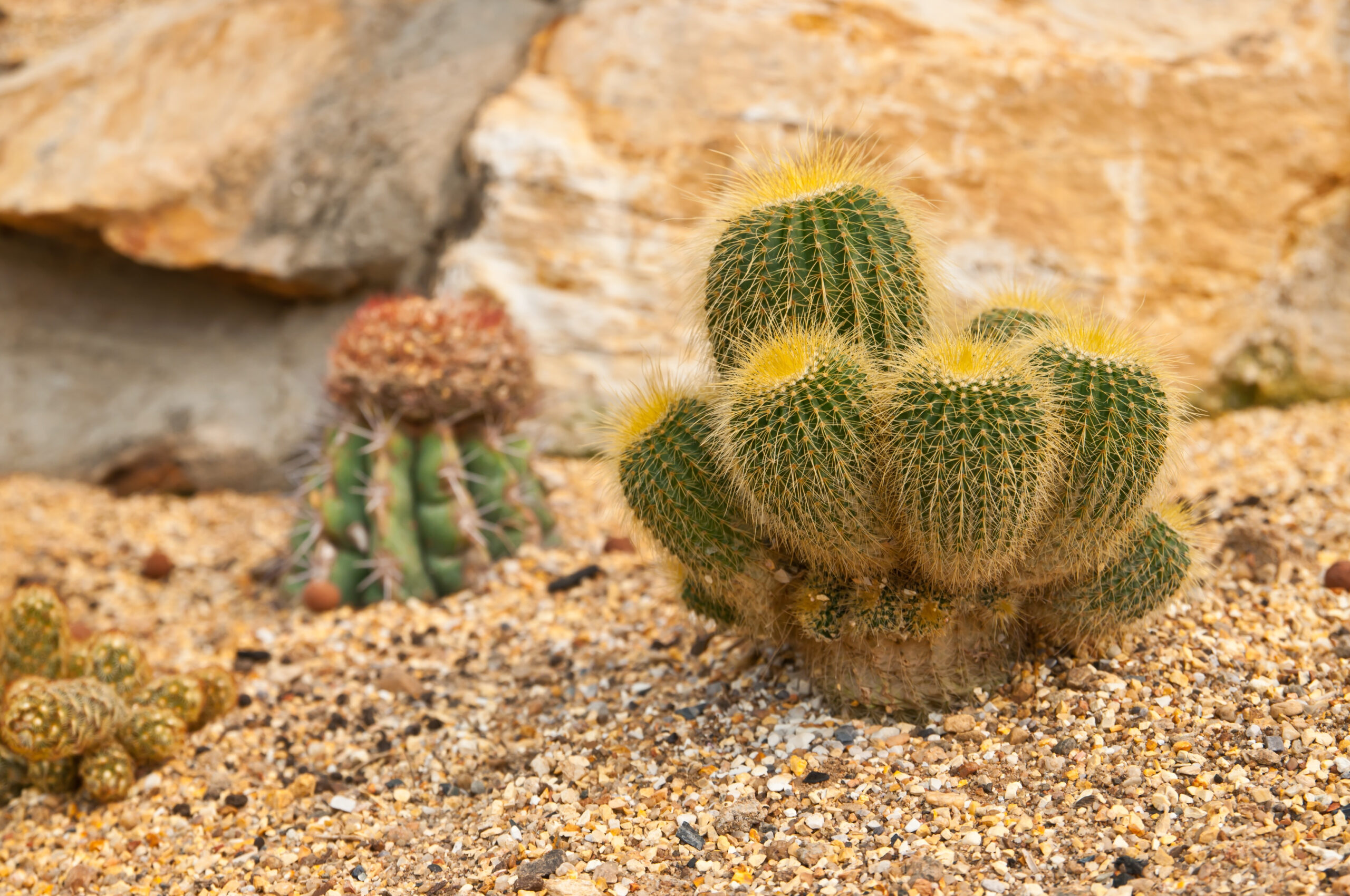
Fascinating Adaptations:
- Its thick, fleshy leaves store water, allowing it to survive in the harsh desert landscape.
- The cactus grows extremely slowly, taking decades to reach full maturity.
Conclusion
Nature’s coolest plants represent the epitome of adaptation, survival, and beauty. From the deadly yet fascinating Venus flytrap to the rare ghost orchid, these plants captivate us with their unique abilities and extraordinary traits.
Each plant has evolved in its own remarkable way, allowing it to thrive in even the most challenging environments. Whether they are carnivorous, parasitic, or simply masters of camouflage, these plants continue to awe and inspire botanists and nature lovers alike.