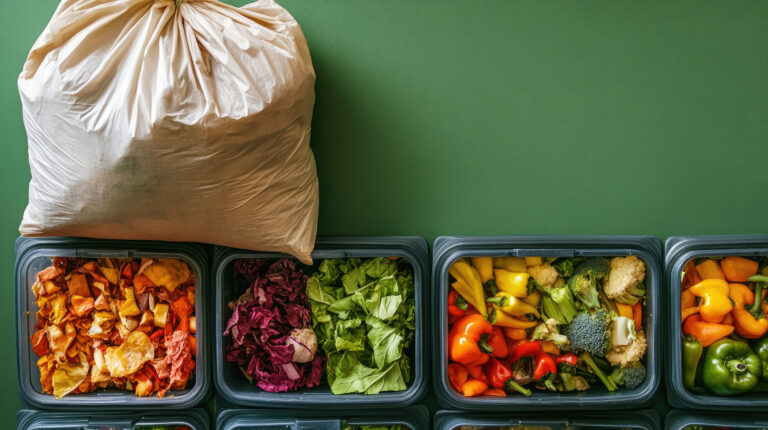
Top 10 Cooking Mistakes You Should Avoid for Perfect Dishes Every Time

Young woman feeling disappointed with her cooking while using touchpad and following recipe on the internet.
Cooking is an art, but it’s also a science. Whether you’re an experienced chef or a beginner in the kitchen, certain mistakes are bound to happen.
By understanding these common errors, you can take your culinary skills to the next level.
Here, we explore the top 10 cooking mistakes and offer guidance to help you achieve flawless results every time.
Not Preheating Your Pan Properly
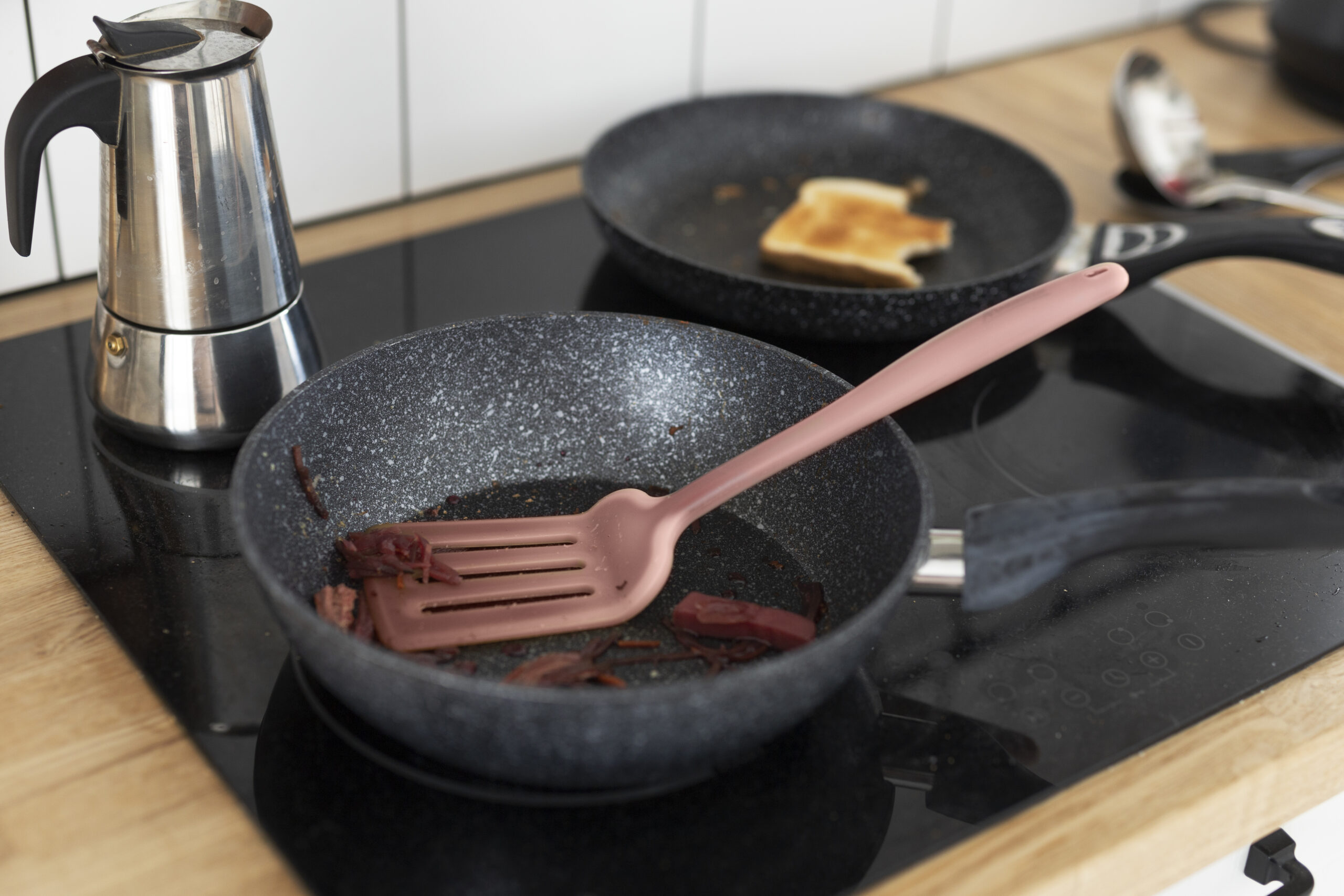
One of the most common mistakes in cooking, especially when frying meat, is not allowing the pan to heat up properly before adding the ingredients. A cold pan causes food to stick and prevents proper browning, making it difficult to achieve a crispy texture.
How to Fix It:
- Always ensure your pan is preheated before adding anything to it. For meat, a hot pan ensures the exterior sears quickly, locking in juices and flavor.
- Add a bit of oil to the pan just before you begin heating it to prevent sticking.
- For delicate dishes, like fish, use a moderate heat to prevent burning while still achieving a golden crust.
Overcooking Meat and Fish
Overcooked meat and fish can ruin a dish entirely. While undercooking may pose a health risk, overcooking dries out the proteins, making them tough and unappetizing.
How to Fix It:
- For fish, aim for a gentle cook that maintains some transparency, especially with white fish. Fish should be slightly translucent when cooked perfectly.
- Meat, like steaks, should be cooked by time and thickness rather than constantly poking and prodding it. Avoid flipping too early, which disrupts the searing process.
- Use a thermometer to ensure meat reaches the desired internal temperature without crossing the line into overcooking.
Crowding the Pan
Another mistake is overcrowding the pan. Many home cooks think that cooking everything at once will save them time. However, this results in steamed food rather than properly browned and crispy dishes.
How to Fix It:
- Always cook in batches. Give your ingredients enough space in the pan so they can brown and cook evenly.
- If you’re cooking meat in multiple batches, keep the cooked portions warm in the oven while finishing the others.
Neglecting Proper Seasoning
Salt is an essential ingredient in cooking, but many cooks either use too little or add it too late. A bland dish will never reach its full potential without the right seasoning.
How to Fix It:
- Season your food in stages. Add salt to your meat and vegetables as they cook, rather than waiting until the end.
- Invest in high-quality sea salt or kosher salt. Avoid using table salt, as it contains additives that can affect both the flavor and texture of your dish.
- Don’t forget about other seasonings like herbs and spices, which can elevate your dish to new heights.
Using Dull Knives
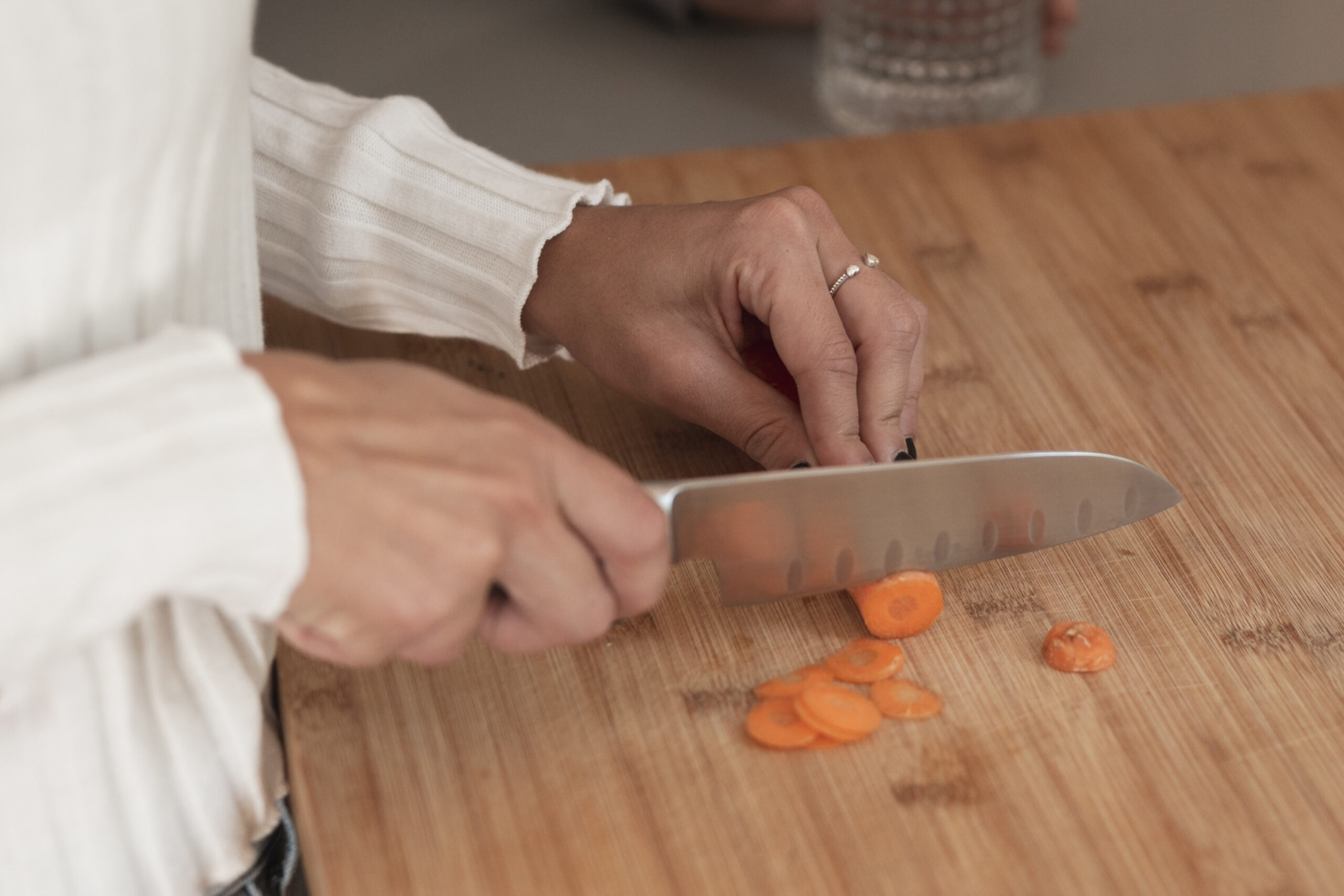
A dull knife is not only frustrating to work with, but it can also be dangerous. A blunt blade is more likely to slip and cause accidents in the kitchen.
How to Fix It:
- Sharpen your knives regularly or have them sharpened by a professional. This ensures a clean, safe cut every time.
- Invest in high-quality kitchen knives that are built to last. Japanese and European knives are both excellent choices, offering precision and comfort.
- If you’re unfamiliar with how to properly sharpen knives, consider learning how to use a sharpening stone or honing steel.
Relying on Dried Herbs Instead of Fresh Ones
Dried herbs may be convenient, but they lack the vibrancy and complexity of fresh herbs. Using dried herbs can result in dishes that taste flat and lack depth.
How to Fix It:
- Always opt for fresh herbs when possible. Fresh basil, thyme, rosemary, and parsley will enhance the flavor of your dish in ways that dried herbs simply can’t match.
- Grow your own herbs at home to ensure a steady supply of fresh, flavorful ingredients for your cooking.
Using Cheap Kitchen Tools
Investing in high-quality kitchen tools is crucial for producing great results. Thin, flimsy pans or non-stick cookware can compromise your cooking, leading to uneven heating or difficulty achieving the right texture.
How to Fix It:
- Replace your cheap cookware with heavy-duty options, such as cast-iron or stainless-steel pans. These materials heat more evenly and retain heat better.
- If you’re serious about cooking, consider investing in copper cookware, known for its excellent heat conductivity.
Overheating Oil
Heating oil to the wrong temperature can cause it to break down and develop a burnt flavor, ruining your food. This is especially true for high-temperature frying and sautéing.
How to Fix It:
- Use a thermometer to ensure that your oil is at the correct temperature before you begin cooking. For frying, the oil should be between 350°F and 375°F (175°C-190°C).
- For sautéing, make sure the oil shimmers, not smokes. If the oil starts to smoke, it’s too hot and should be discarded.
Not Letting Meat Rest After Cooking
It can be tempting to cut into meat immediately after cooking, but doing so will cause the juices to escape, leaving the meat dry and tough.
How to Fix It:
- Always allow your meat to rest after cooking. For steaks, 5-10 minutes of resting will help redistribute the juices, ensuring a moist and tender bite.
- For larger cuts of meat, such as roasts, resting for 20 minutes or more can significantly improve texture and flavor.
Not Using the Right Wine
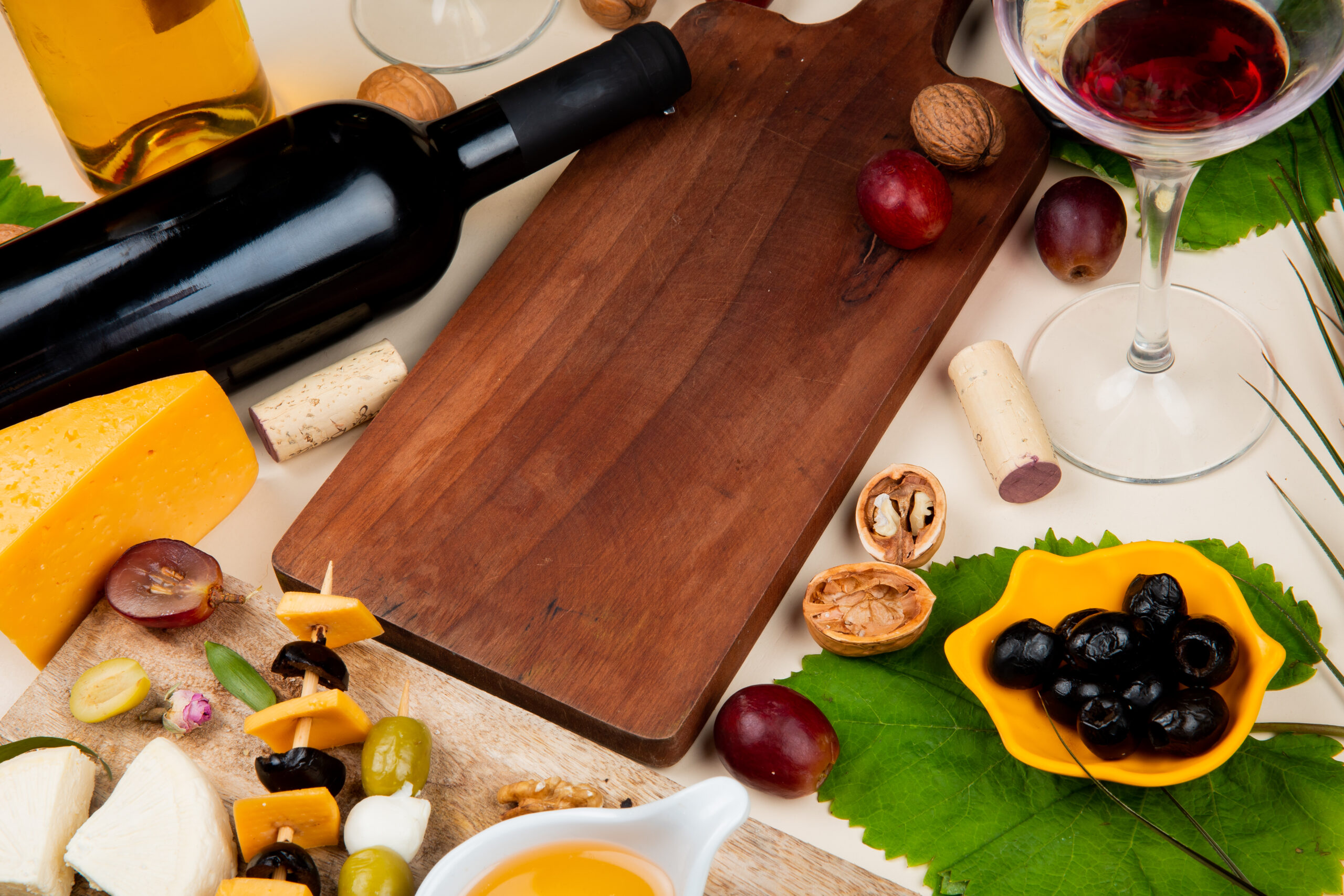
The wine you cook with can drastically affect the flavor profile of your dish. Using low-quality “cooking wine” can introduce unwanted flavors and ruin the dish’s taste.
How to Fix It:
- Only use wine you would drink. The same principle applies to any alcoholic beverage used in cooking; if it doesn’t taste good in a glass, it won’t taste good in your food.
- Pair the wine with the dish. Red wines are excellent for rich, hearty dishes, while white wines are perfect for lighter fare like chicken or seafood.
Conclusion
By recognizing and correcting these common mistakes, you’ll significantly improve the quality of your cooking. Mastering these techniques will not only save you time but also result in dishes that are consistently delicious and professional in appearance.
Whether you’re cooking a weeknight dinner or preparing for a special occasion, these tips will help you elevate your culinary skills and impress your guests.