This article was originally published on Crafting Your Home. A human contributor also wrote and edited the post.
A sudden wave of migrant arrivals at Spain’s North African territory of Ceuta has placed Europe’s migration debate back at the center of political attention, after thousands of people crossed from Morocco in one of the most significant border incidents in recent years.
The scenes were dramatic. Large groups of migrants moved toward the Spanish enclave by sea and land routes, overwhelming local border resources and creating a humanitarian emergency that quickly spread beyond Ceuta’s narrow streets. The event has renewed questions about border security, migration policies, and the challenges facing countries located on Europe’s southern frontier.
Ceuta, a small Spanish territory located on the northern coast of Africa, has long been one of the world’s most closely watched migration hotspots. The territory shares a land border with Morocco, making it one of the only places where the European Union directly meets the African continent by land.
A border crossing that shocked authorities
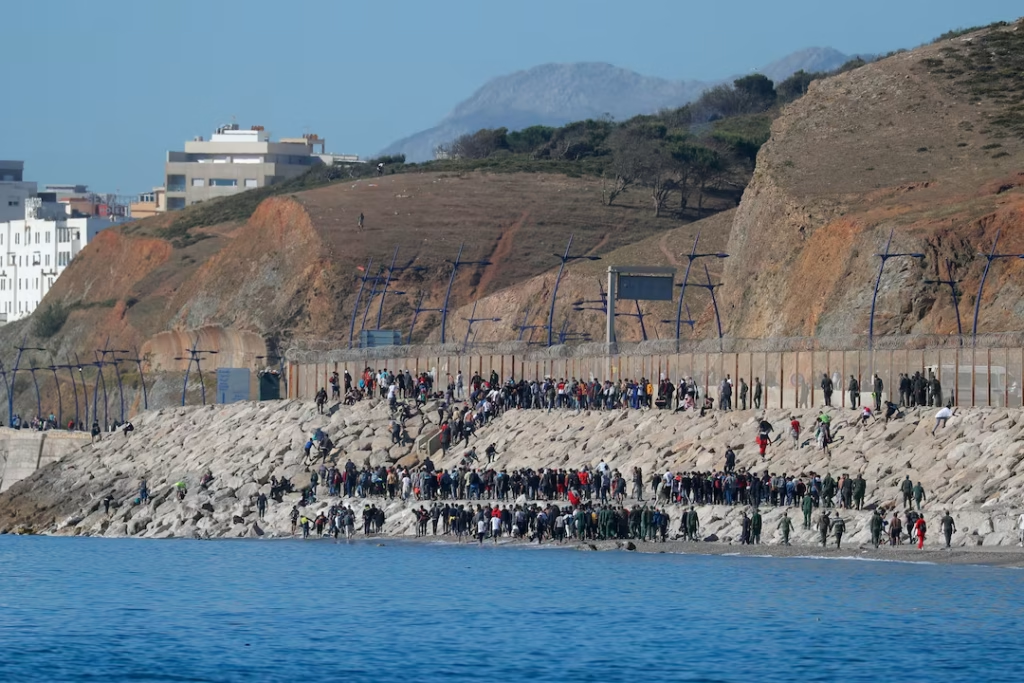
The latest surge caught authorities off guard as large numbers of migrants attempted to enter Ceuta from Morocco. Reports described thousands of people making their way toward Spanish territory, with many using coastal routes and attempting dangerous water crossings.
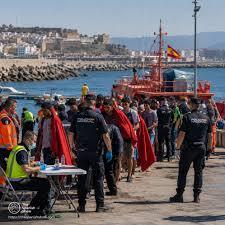
Spanish officials said the scale of the movement created major pressure on local police, emergency services, and reception facilities. The sudden arrival of large crowds forced authorities to focus on crowd management, medical assistance, and restoring control at key border points.
The crossing routes used by migrants were extremely risky. Some attempted to swim around coastal barriers, while others moved through areas near official checkpoints. Rescue teams were deployed to assist people struggling in the water, and authorities reported deaths linked to the dangerous journey.
For many migrants, reaching Ceuta represents a possible gateway to Europe. However, arriving in the territory does not automatically mean reaching mainland Spain or gaining permission to travel freely across the European Union.
Why Ceuta remains a migration flashpoint
Ceuta and Spain’s other North African territory, Melilla, have been at the center of migration disputes for years because of their unique geographic position. Although located on African soil, both territories are Spanish and form part of the European Union’s external border.
For migrants from parts of Africa and beyond, these territories represent one of the closest points of entry into Europe. The short distance between Morocco and Ceuta has made the area a focus for people seeking better economic opportunities, safety, or a new future.
Previous migration surges have shown how quickly the situation can escalate. In 2021, thousands of migrants entered Ceuta from Morocco during another major border crisis, creating diplomatic tensionsbetween Spain and Morocco.
The latest episode has again highlighted how difficult it is for European governments to balance border enforcement with humanitarian responsibilities.
Political debate grows across Europe.
The border surge has triggered a new political debate over immigration policies, security measures, and Europe’s approach to managing irregular migration.
Spanish officials have pointed to organized smuggling networks and misinformation as possible factors encouraging migrants to attempt the crossing. Authorities have warned that false information about legal procedures can create unrealistic expectations among people considering dangerous journeys.
Across Europe, political leaders have reacted differently. Some governments have called for stronger border controls, while others have emphasized cooperation between European countries and the need to address the causes driving migration.
The issue has also created tensions within the European Union, where member states continue to debate how responsibility should be shared when border countries face sudden migration pressures.
The human cost behind the numbers

Behind the political arguments are thousands of individual stories involving people making difficult decisions about their futures.
Many migrants who attempt crossings have spent months or years traveling through difficult conditions before reaching Morocco. Some leave because of economic hardship, while others flee instability or limited opportunities in their home countries.
The journey toward Europe often involves serious risks. Migrants crossing by sea face strong currents, exhaustion, overcrowded boats, and the possibility of drowning.Emergency responders in Ceuta have repeatedly warned about the dangers involved in these attempts.
Humanitarian groups have argued that border discussions must also consider the personal circumstances of those making these journeys, including families and young people who believe Europe offers a chance for a different life.
Spain and Morocco face pressure to respond
The relationship between Spain and Morocco has become a key factor in managing migration through Ceuta. Cooperation between the two countries plays a major role in controlling the border and responding to sudden increases in arrivals.
Spain has worked with Moroccan authorities during previous crises to return migrants and restore border controls. The two countries have often relied on diplomatic cooperation despite disagreements over broader political issues.
The latest surge has once again placed pressure on both governments to find solutions that prevent dangerous crossings while addressing the humanitarian needs of people already caught in the crisis.
What happens next for Europe’s migration challenge
The Ceuta border crisis is another reminder that migration remains one of Europe’s most complex challenges. Geographic realities, economic differences, political disagreements, and humanitarian concerns all meet at Europe’s southern borders.
For Spain, the immediate priority is restoring stability in Ceuta while managing the people who have arrived. For the European Union, the situation raises larger questions about border protection, cooperation between member states, and long-term migration strategies.
As officials continue responding to the latest arrivals, one reality remains clear: Ceuta’s small border has become a symbol of a much larger global debate about migration, security, and the search for a better future.
If you like what you just read, then subscribe to our newsletter and follow us on social media.