


The post 10 Things You Should Never Flush Down the Toilet and What to Do Instead first appeared on Crafting Your Home.
Your toilet might seem like a convenient way to get rid of unwanted bathroom items, but that quick flush could turn into an expensive plumbing nightmare. Just because something disappears down the drain doesn’t mean it won’t cause trouble later.
From so-called flushable wipes to everyday personal care products, certain items can clog pipes, damage sewer systems, and even contaminate waterways. The consequences can extend far beyond your bathroom. According to the National Association of Clean Water Agencies, wipes alone are estimated to cost American wastewater utilities approximately $441 million annually in additional operating expenses.
The good news? Most of these problems are preventable. Here are 10 things that belong somewhere other than your toilet.
Flushable Wipes and Baby Wipes

Buy Flushable Toilet Wet Wipes Safe for Septic System. The word “flushable” sounds reassuring, doesn’t it? Unfortunately, that label doesn’t necessarily mean a wipe will break apart quickly enough to move safely through plumbing and sewer systems.
Unlike regular toilet paper, many wipes retain their structure after getting wet. They can build up in pipes, contribute to stubborn blockages, and interfere with wastewater pumps. Portland’s Bureau of Environmental Services advises residents not to flush any kind of wipe, including those marketed as flushable.
The Federal Trade Commission has also taken action over unsupported flushability advertising claims, emphasizing the importance of testing products under realistic plumbing conditions.
What to do instead: Keep a small, lined trash can beside your toilet and dispose of used wipes there. This simple habit can help prevent a much bigger mess.
Disposable Diapers
Anyone who has changed a diaper knows these products absorb moisture remarkably well. Unfortunately, that same feature makes them terrible candidates for flushing. Disposable diapers are manufactured to hold liquid and waste, not to disintegrate like toilet paper.
According to guidance from the town of Montague, Massachusetts, diapers can expand in water and become lodged in toilet plumbing. A stuck diaper can immediately cause an obstruction, potentially requiring professional help. If it travels farther into the drainage system, it may cause additional problems.
What to do instead: Secure used diapers and place them in a designated diaper pail or household trash. Never flush the diaper itself, its liner, or associated wipes.
Paper Towels and Facial Tissues
Running out of toilet paper is inconvenient, especially when you’re already sitting on the toilet. Reaching for a paper towel or facial tissue might seem like an easy solution. However, these products behave differently when they hit water.
Toilet paper is designed to break apart relatively quickly after flushing. Paper towels are designed to stay strong while absorbing moisture, which can make them particularly troublesome in plumbing systems.
According to the Milwaukee Metropolitan Sewerage District, paper towels, napkins, and facial tissues do not disintegrate in water the same way toilet paper does. Even if a few sheets disappear without trouble, repeated flushing can contribute to blockages farther down the line.
What to do instead: Throw used paper towels and tissues in the trash. If you must use them as an emergency toilet paper substitute, dispose of them in a lined wastebasket rather than flushing.
Tampons, Pads, and Panty Liners
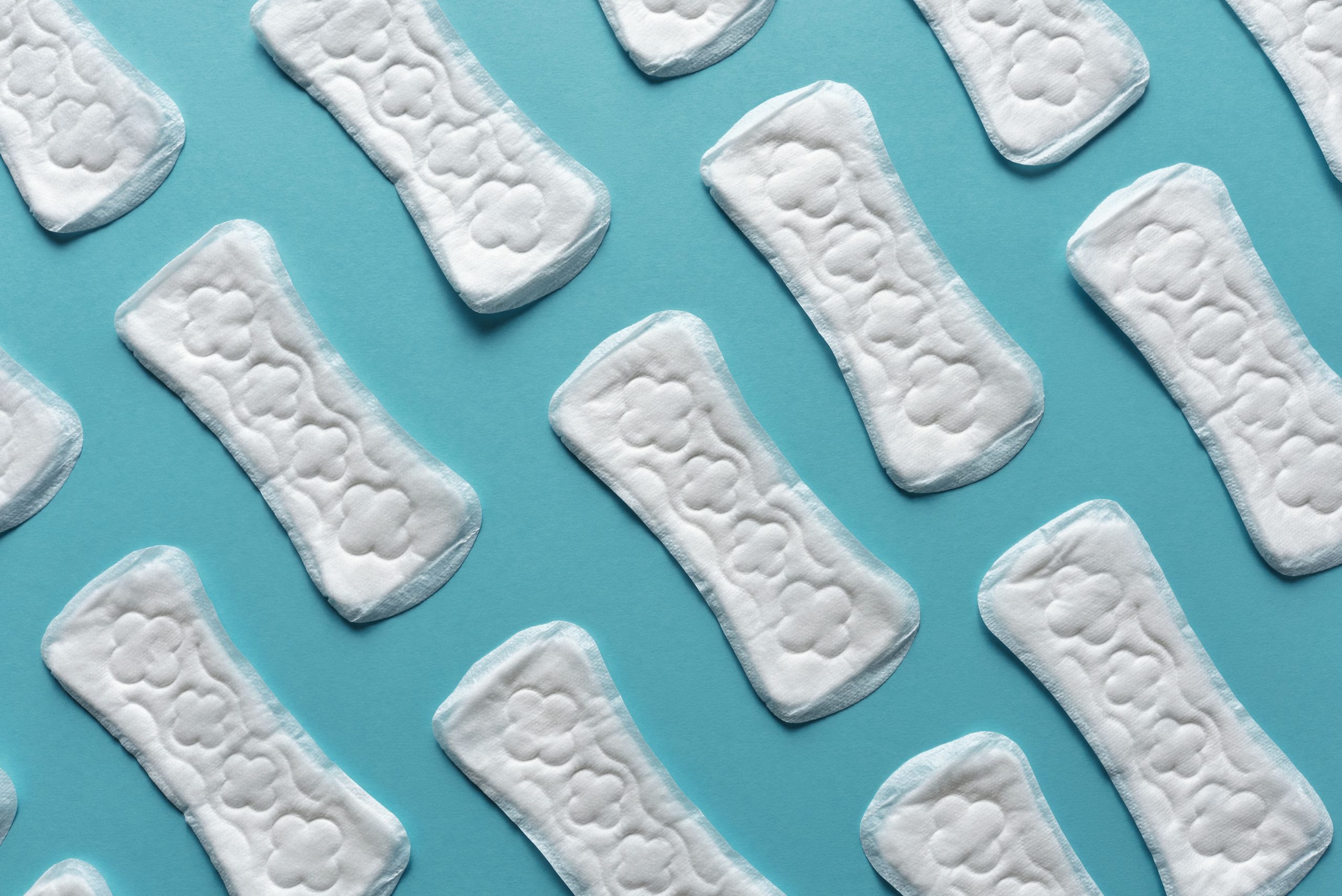
Flushing menstrual products might seem like a discreet disposal method, particularly in bathrooms without convenient trash bins. However, tampons, sanitary pads, and panty liners aren’t designed to move safely through wastewater systems. These products can retain their structure, absorb moisture, and contribute to pipe blockages.
Even tampons without plastic applicators should not go down the toilet. The Environmental Protection Agency specifically warns against flushing feminine hygiene products because they can clog septic systems and contribute to system failure.
What to do instead: Wrap used menstrual products in toilet paper or their packaging and place them in a lined bathroom trash can. Dispose of applicators separately in the trash.
Cotton Balls, Cotton Swabs, and Dental Floss
These bathroom essentials look harmless enough. After all, how much damage could something as small as a cotton swab or a piece of dental floss really cause? The problem isn’t usually a single item.
It’s what happens when inappropriate materials repeatedly enter a system designed primarily for human waste and toilet paper. Cotton products can contribute to obstructions, while dental floss can become tangled with other waste.
Portland’s wastewater utility specifically identifies cotton balls, swabs, dental floss, and dental picks as items that shouldn’t be flushed. Their small size doesn’t make them sewer-friendly.
What to do instead: Place a small wastebasket near your bathroom sink. This makes it easier to discard these everyday items without flushing them down the toilet.
Cooking Grease, Fats, and Oils
Most homeowners have heard that pouring grease down the kitchen sink is a bad idea. But what about pouring it into the toilet instead? Unfortunately, changing the drain doesn’t solve the problem.
Warm grease may flow easily at first, but it can cool and form deposits inside pipes. Over time, these deposits can trap additional debris and restrict wastewater movement. When fats, oils, and grease mix with other waste, they can create massive sewer obstructions commonly called fatbergs.
The Milwaukee Metropolitan Sewerage District warns that grease can still clog drains even when you initially wash it down with hot water or soap.
What to do instead: Allow grease to cool, collect it in a suitable container, and dispose of it according to local waste guidelines. Larger amounts of used cooking oil may qualify for local recycling programs.
Hair
Cleaning out a hairbrush or gathering loose strands after a haircut can leave you holding a surprising amount of hair. It might be tempting to throw that handful into the toilet and flush it away. However, hair doesn’t break apart like toilet paper.
It can become entangled with other materials and contribute to stubborn plumbing blockages. Both the Hot Springs wastewater utility in Arkansas and Utah’s South Davis Sewer District say hair shouldn’t go down toilets. The occasional strand that falls into the bowl isn’t necessarily a plumbing emergency. Deliberately flushing clumps of hair, however, is an avoidable risk.
What to do instead: Collect loose hair from brushes, shower drains, and haircuts, then put it in the trash.
Condoms
Flushing a condom might seem like a quick and discreet disposal option, but it’s a habit worth avoiding. Condoms are not designed to disintegrate in wastewater systems. Their flexibility doesn’t guarantee they’ll travel harmlessly through pipes.
They can contribute to sewer obstructions and septic system problems. The EPA includes condoms among the materials homeowners should avoid flushing to protect their septic systems. The same guidance applies whether the condom is made from latex or another material.
What to do instead: Wrap used condoms in tissue or toilet paper and place them in the household trash. Their wrappers belong there, too.