


The post 8 Things You Must Avoid Doing to Your Cat first appeared on Crafting Your Home.
Cats may spend hours curled up beside their favorite person, follow them from room to room, or greet them with a gentle head bump. Yet even the most affectionate cat has boundaries that are easy to overlook. A hug meant to show love, an attempt to stop unwanted behavior, or a playful tug at the tail can leave a cat feeling frightened, uncomfortable, or defensive. Understanding what cats dislike is an important part of responsible pet ownership. Cats communicate through body posture, facial expressions, vocalizations, and changes in their usual routines. Missing these signals can damage the bond between a cat and its owner.
Research published in Frontiers in Veterinary Science in 2021 found that people who received practical guidance on interacting with cats achieved more positive responses from the animals. The study involved 100 cats and 120 human participants at Battersea Dogs and Cats Home in the United Kingdom. Researchers compared interactions before and after participants received guidance on respecting feline preferences, observing body language, and limiting unnecessary touching. After the intervention, the cats showed more affiliative behavior and fewer signs of conflict.
Here are eight things you should avoid doing to your cat to build a stronger, healthier relationship.
Never Force Your Cat to Cuddle or Be Held
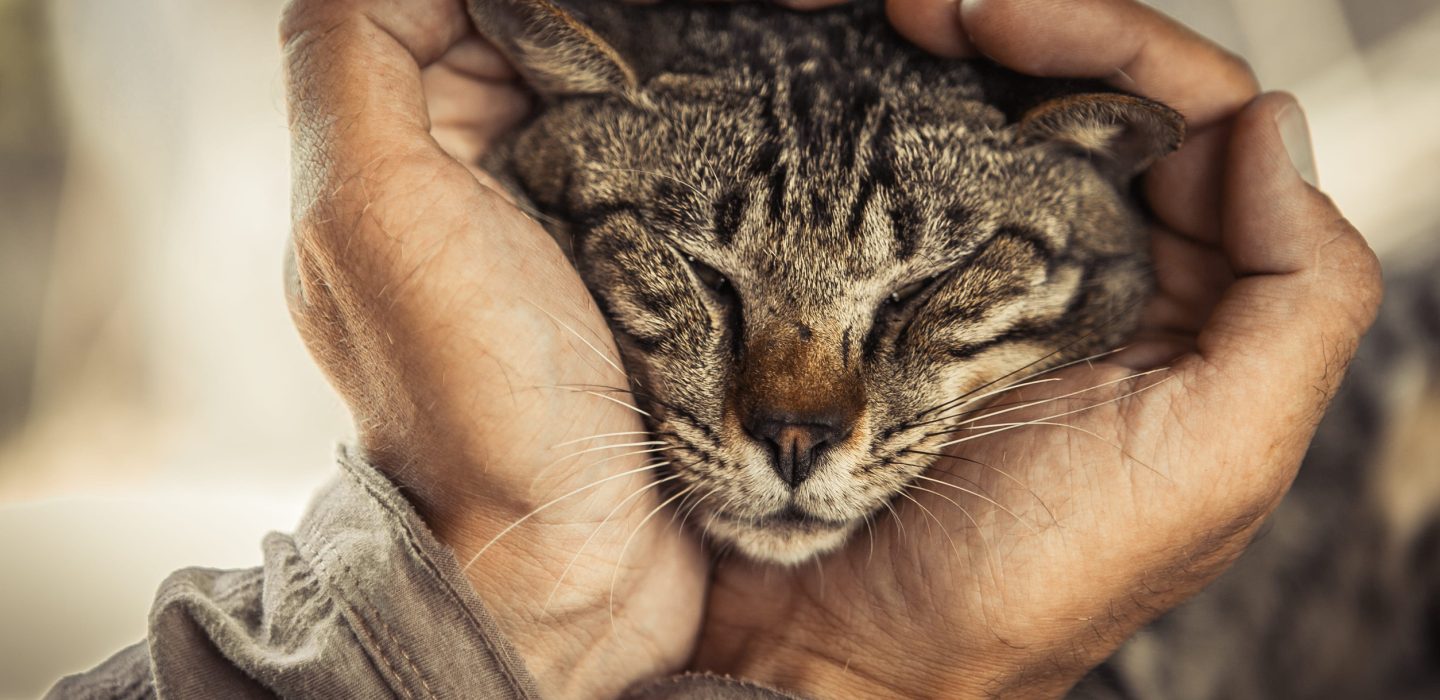
Picking up a cat for a cuddle may seem harmless, especially when the animal appears relaxed. However, not every cat enjoys being carried, squeezed, or held close to a person’s chest. Some tolerate brief handling but become uncomfortable when they cannot leave on their own.
Cats differ in temperament, early experiences, and their comfort with physical contact. A cat that regularly seeks attention may still dislike being picked up unexpectedly. Another may prefer sitting beside its owner rather than on their lap. Forcing physical contact can make a cat associate human hands with an unpleasant experience. When an animal feels trapped, it may struggle, scratch, bite, or hide the next time someone approaches.
The 2021 study in Frontiers in Veterinary Science provides direct evidence that changing how people interact with cats can improve their responses. Researchers developed practical guidelines around three principles: giving cats choice and control, paying attention to their behavior, and thinking carefully about where they are touched. Following the guidance was associated with more affiliative behavior and fewer signs of conflict.
Avoid Shouting at or Physically Punishing Your Cat
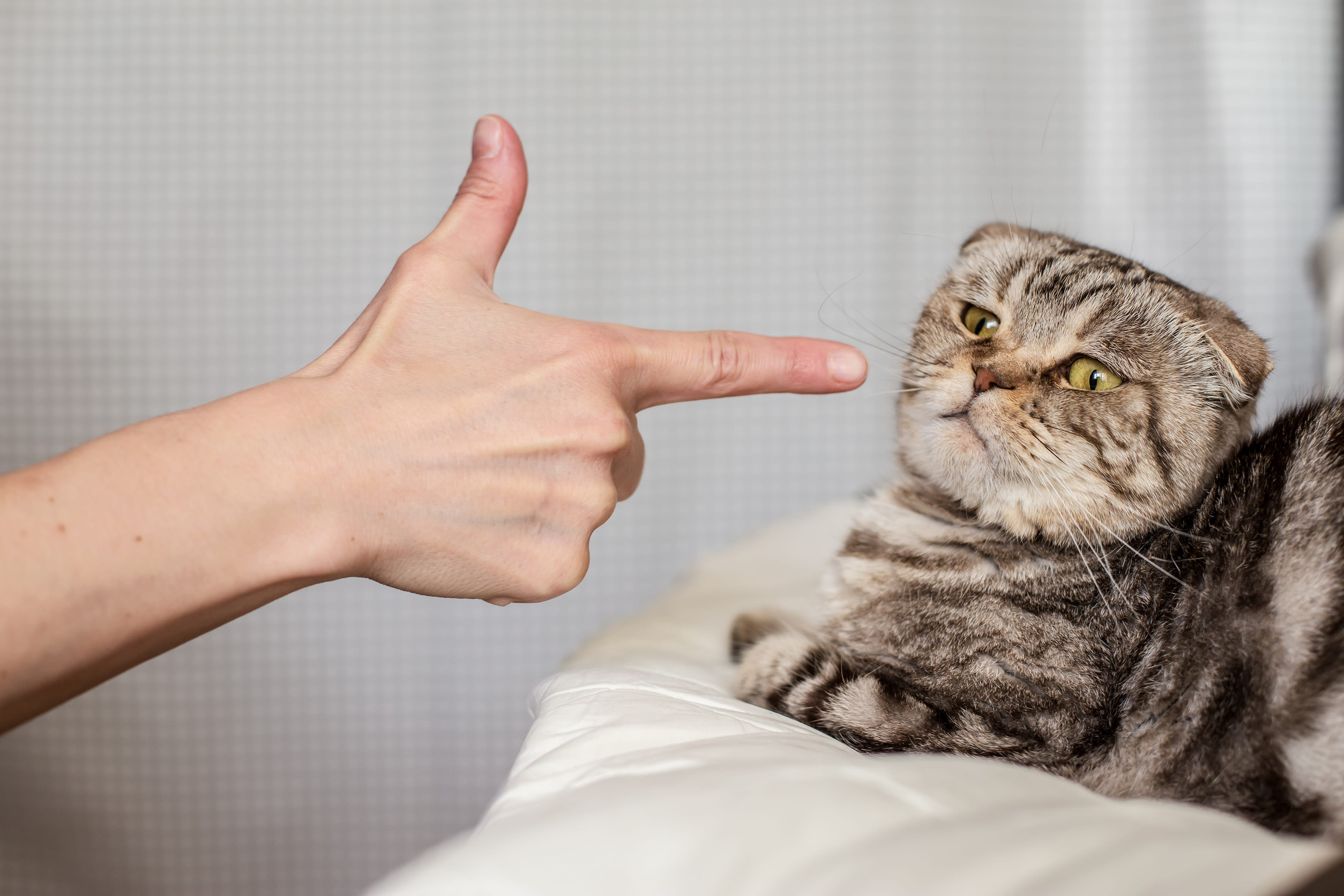
Finding a scratched sofa, a knocked-over plant, or a puddle outside the litter box can be frustrating. However, shouting, hitting, chasing, or intimidating a cat is unlikely to address the underlying cause. Cats may not connect punishment delivered after an incident with the earlier behavior. Instead, they may become wary of the person delivering the punishment or the surrounding situation. This can make everyday interactions more difficult.
A 2016 review published in the Journal of Feline Medicine and Surgery examined stress in domestic cats and its implications for behavior and welfare. The authors identified a poor human-cat relationship, environmental changes, conflict between cats, and an inability to perform important natural behaviors among potential stressors. They also described associations between stress and behaviors such as urine marking, some forms of aggression, and excessive grooming.
Redirect unwanted behavior toward an acceptable alternative. Place a sturdy scratching post near the furniture your cat targets, and reward it when it uses it. If it jumps onto a prohibited surface, calmly guide it toward an appropriate alternative.
Related: Cats Don’t Rub Against You Just to Be Sweet — Here’s What They’re Really Doing
Never Ignore Your Cat’s Body Language
Cats communicate much of their emotional state without making a sound. Unfortunately, people can misread these signals, particularly when an animal remains quiet while feeling uncomfortable. A cat that crouches low, pulls its ears backward, tucks its tail close to its body, or tries to move away may be frightened or uneasy. Dilated pupils, tense muscles, growling, and repeated tail lashing can also signal that you should stop the interaction. No single signal tells the whole story, so consider the animal’s overall posture and surroundings.
This matters because a cat may tolerate contact briefly before reaching its limit. Continuing to stroke it despite warning signs can turn an otherwise pleasant interaction into a defensive encounter. Observe your cat’s entire body rather than focusing only on its face or whether it is purring. Notice its ears, eyes, tail, posture, and attempts to approach or withdraw. Give it an opportunity to leave whenever possible.
Avoid Disturbing Your Cat While It Sleeps
A sleeping cat can look irresistibly cute, especially when it curls up in a warm patch of sunlight or settles into a blanket. But repeatedly waking it to play, cuddle, or show it to visitors can disrupt its rest.
Cats often sleep for a substantial portion of the day. Their activity patterns vary with age, health, individual temperament, and their surroundings. Kittens and older cats may need more rest than healthy adults, though individual needs vary. Repeatedly disturbing a resting cat can also create unnecessary tension. A cat startled awake by sudden touch may instinctively swat or bite, especially if it feels cornered or doesn’t immediately recognize what is happening.
The 2022 AAFP/ISFM Cat Friendly Veterinary Interaction Guidelines emphasize reducing fear and responding appropriately to a cat’s emotional state during handling. Although these guidelines focus on veterinary interactions, their central principles, minimizing distress and adapting handling to the individual cat, help explain why unwanted physical contact should be avoided.
Never Pull Your Cat’s Tail or Whiskers
A cat’s tail and whiskers are not toys. They are important body structures that help the animal respond to its environment, communicate, and move confidently. The tail supports balance and communicates with the body. A cat may hold it upright when approaching a familiar person, tuck it close when frightened, or lash it when highly stimulated or irritated. These patterns must be interpreted in context, but they can provide useful clues about how an animal is feeling.
Whiskers are specialized sensory hairs that help cats detect nearby objects and changes in their surroundings. Pulling them can be painful and distressing, while trimming them can interfere with normal sensory function. Even a gentle tug can startle a cat, particularly if it happens unexpectedly. Repeated teasing may also make the animal more defensive around hands or people who approach its face and body.
Related: Science Explains Why Your Cat Keeps Leaving You Dead Animals
Avoid Making Sudden Changes Without Giving Your Cat Time to Adjust

Cats can be sensitive to changes in their surroundings. Moving furniture, introducing a new pet, changing feeding arrangements, or bringing unfamiliar people into the home may disrupt the routines they rely on. This doesn’t mean cats can’t adapt. Many do, but the process can be harder when several changes happen at once, or the animal has no safe place to retreat. Introducing a new cat too quickly is a common example. Placing unfamiliar animals together right away may force them into close contact before either has time to get comfortable with the other’s scent and presence.
Make changes gradually whenever possible. When introducing a new cat, begin by providing separate spaces, food and water stations, litter boxes, and resting areas. Let the animals get familiar with each other’s scent before moving to controlled visual contact and supervised interactions.
During a move or home renovation, preserve familiar bedding and other recognizable items where practical. Keep feeding times reasonably consistent and provide hiding places where your cat can retreat without being disturbed. A gradual transition gives your cat more opportunities to investigate unfamiliar surroundings at its own pace.
Never Use Your Hands as Toys During Aggressive Play
A kitten that grabs a person’s fingers may seem harmless, and playful pouncing can be entertaining when a cat is small. However, encouraging a cat to bite hands or attack moving feet can create difficulties as it grows. Cats naturally engage in hunting behaviors, including watching, stalking, chasing, pouncing, and grabbing. Play gives them opportunities to express these behaviors. The problem arises when people encourage them to direct those actions toward human skin.
The 2016 review on feline stress and welfare discusses the importance of allowing cats to perform highly motivated natural behaviors and providing environmental enrichment. It identifies the inability to perform such behaviors as one potential source of stress. While this does not establish that every cat that bites during play is bored, it supports giving cats appropriate outlets for their normal activity.
Use wand toys, lightweight balls, toy mice, and other cat-safe play objects that keep your hands and the animal’s teeth and claws apart. Let your cat stalk, chase, and pounce on the toy instead of your body.
Related: If Your Cat Stares at You and Slowly Blinks, Here’s What It Really Means
Avoid Leaving Your Cat Without Mental Stimulation
Cats need more than food, water, and a comfortable place to sleep. They also benefit from opportunities to explore, investigate, climb, scratch, and engage with their surroundings. When a cat has few outlets for these behaviors, it may become restless or develop unwanted habits. Some cats repeatedly scratch furniture, while others become more demanding at night or show increased interest in chasing household objects. These behaviors can have several causes, so boredom should not automatically be blamed for every problem.
Environmental enrichment matters especially for indoor cats, which may have fewer opportunities to encounter new sights, smells, and activities than cats that spend time outdoors. A stimulating indoor environment can provide many of these opportunities while allowing owners to manage safety risks.
Give your cat a selection of appropriate activities. Scratching posts, climbing structures, puzzle feeders, and supervised interactive play can encourage movement and exploration. A secure window perch may also give your cat an interesting view of the outside world.
Key Takeaways

Small daily choices can shape how comfortable a cat feels around you. Forcing cuddles, ignoring body language, using punishment, and overlooking the need for stimulation may seem insignificant in isolation, but repeated negative experiences can affect the relationship.
Fortunately, improving that relationship often begins with simple changes. Give your cat room to choose, learn to recognize its signals, provide suitable outlets for natural behaviors, and seek veterinary help when something seems wrong.
A trusting cat does not have to enjoy being carried, sit on your lap, or greet every visitor. Trust is better measured by whether it feels secure enough to relax, explore, and interact with you on its own terms.
Other Posts You Might Like
- Why Your Cat Brings You ‘Gifts’ — and What It’s Really Trying to Tell You
- If Your Cat Sleeps at the Foot of Your Bed, Here’s What It Really Means
- Some Shelters Used to Stop Black Cat Adoptions Before Halloween — Animal Experts Say the Fear Is a Myth
If you like what you just read, then subscribe to our newsletter and follow us on social media.


