8 things you can’t dispose of in the trash
Image Credit: liudmilachernetska/ 123RF
Electronics (E-Waste)
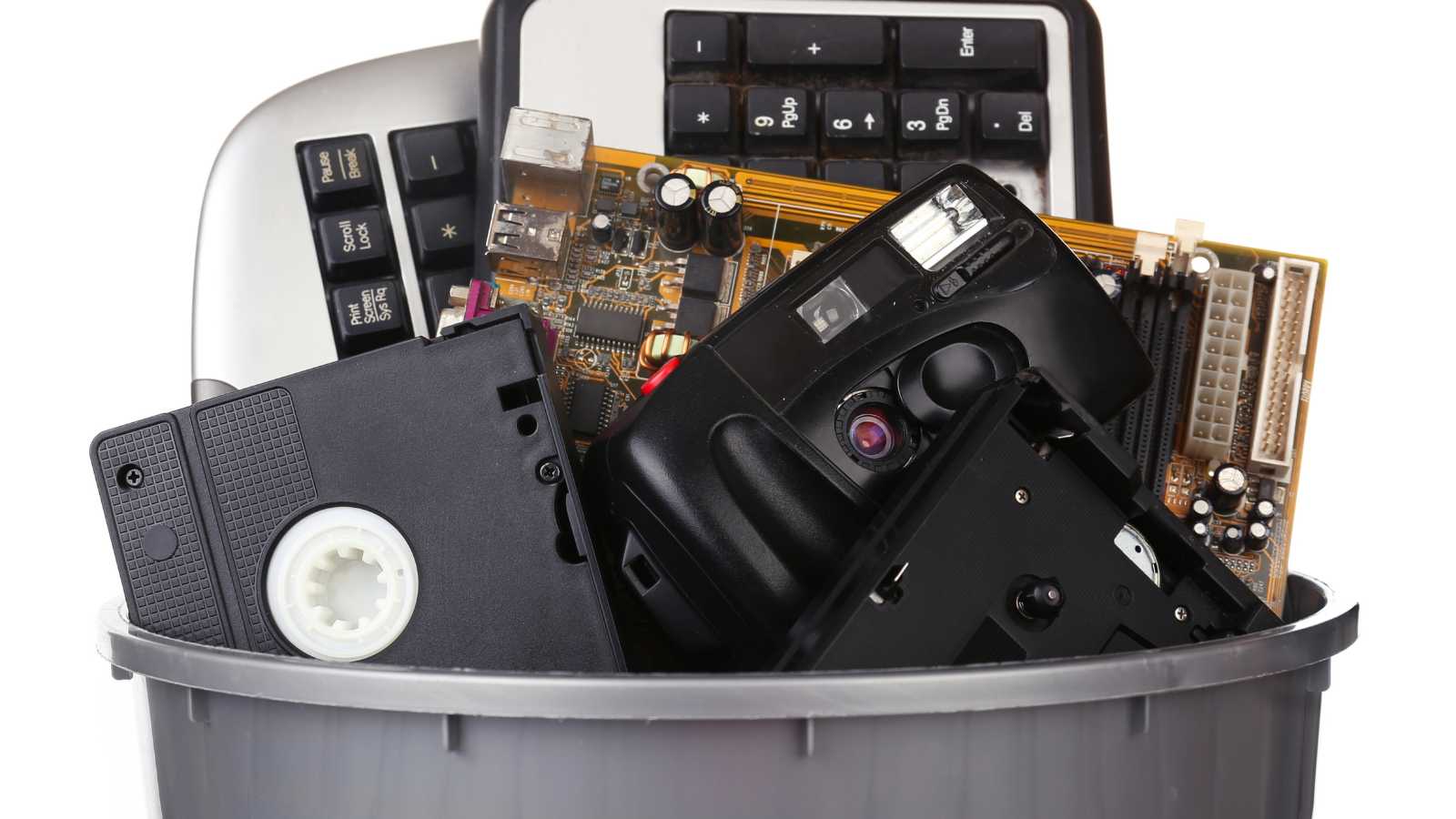
The world is facing an e-waste crisis, with millions of tons of electronics like smartphones, laptops, and televisions discarded each year. Many electronic devices contain hazardous materials such as lead, mercury, and cadmium, which can seep into the environment if not properly processed. According to Scoop, approximately 50 million tonnes of e-waste are generated globally annually.
Rather than throwing away old electronics, take them to certified e-waste recycling centers. These facilities ensure that valuable materials like copper and aluminum are recovered and reused, while harmful substances are safely managed. Retailers such as Best Buy offer drop-off services, and manufacturers often have trade-in programs. Alternatively, donating working devices to charities can help reduce e-waste and extend the life of the electronics.
Hazardous Household Waste
Household products such as cleaning chemicals, pesticides, paints, and solvents may seem harmless, but are often packed with harmful substances. These chemicals can contaminate soil and water if handled carelessly.
To dispose hazardous materials properly, check with local waste management agencies for collection programs or designated drop-off locations. Many cities offer special collection events for items such as paints, cleaners, and oils, helping prevent environmental damage and health risks.
Prescription Medications
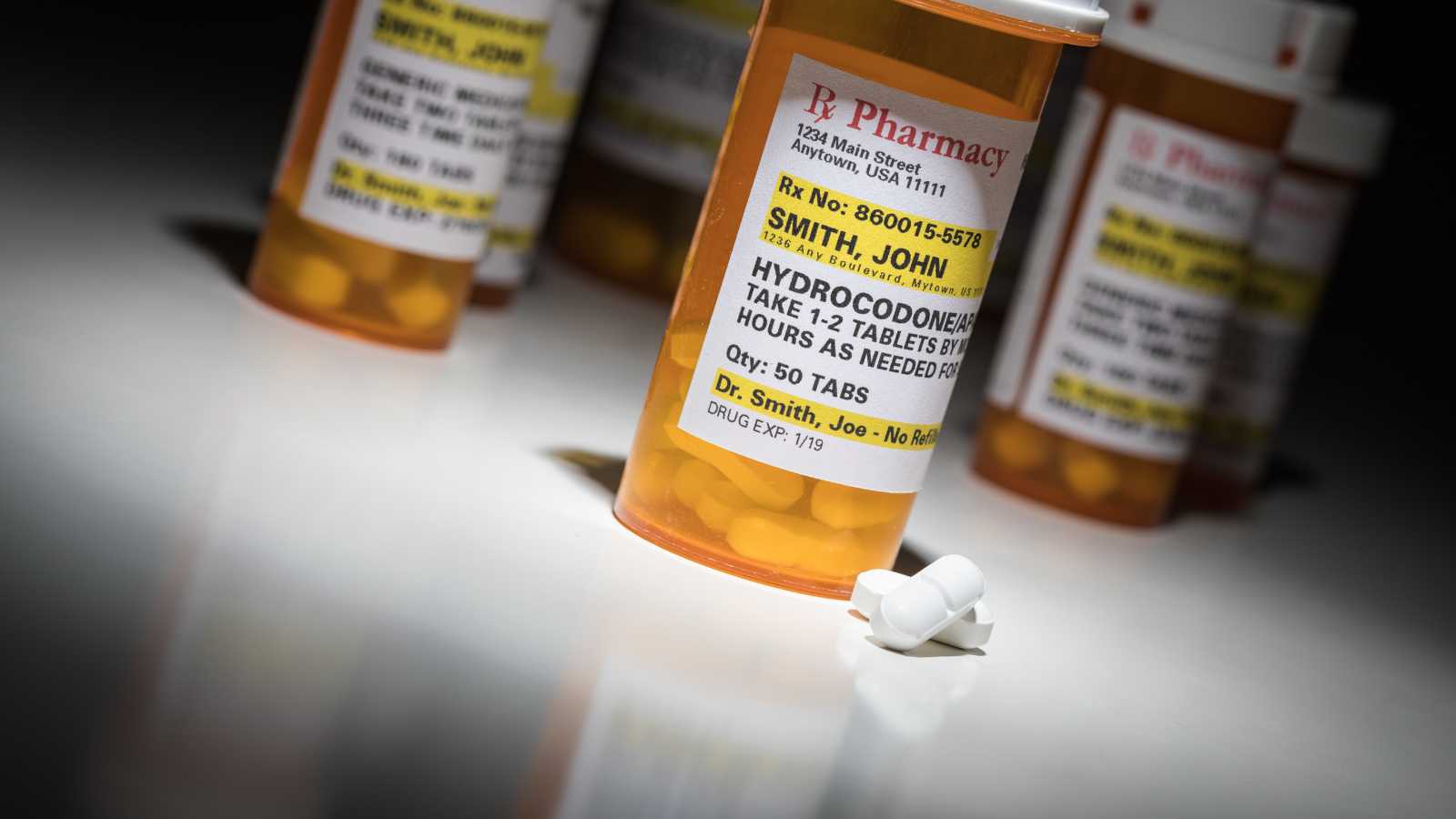
Discarding unused or expired prescription medications is a significant public safety issue. When flushed or disposed in the trash, these drugs can contaminate water sources and may end up in the wrong hands, leading to accidental poisoning or drug misuse. As Attorney General Pamela Bondi aptly states, “Prescription drugs may be legal, but they are still powerful—and can present significant risks to those in your household.”
According to the U.S. Drug Enforcement Administration (DEA), the safest way to dispose of medications is through drug take-back programs offered by pharmacies, law enforcement agencies, or health centers. If these programs are unavailable, the FDA recommends mixing the medications with an undesirable substance, sealing the mixture in a container, and then disposing it. This helps prevent misuse and keeps medications out of the wrong hands.
Tires
Used tires can be a significant environmental problem. They are bulky, do not decompose easily, and can accumulate in landfills, where they take up considerable space. The Illinois Environmental Protection Agency notes that discarded tires pose health risks to communities. They harbor mosquitoes and other pests, which can contribute to the spread of diseases like West Nile virus.
Instead of throwing tires away, take them to a local recycling facility or tire retailer. Many auto shops accept used tires for recycling, and municipalities often hold tire collection events. This helps reduce environmental impact and allows them to be repurposed for uses such as playground surfaces and road materials.
Bulky Furniture
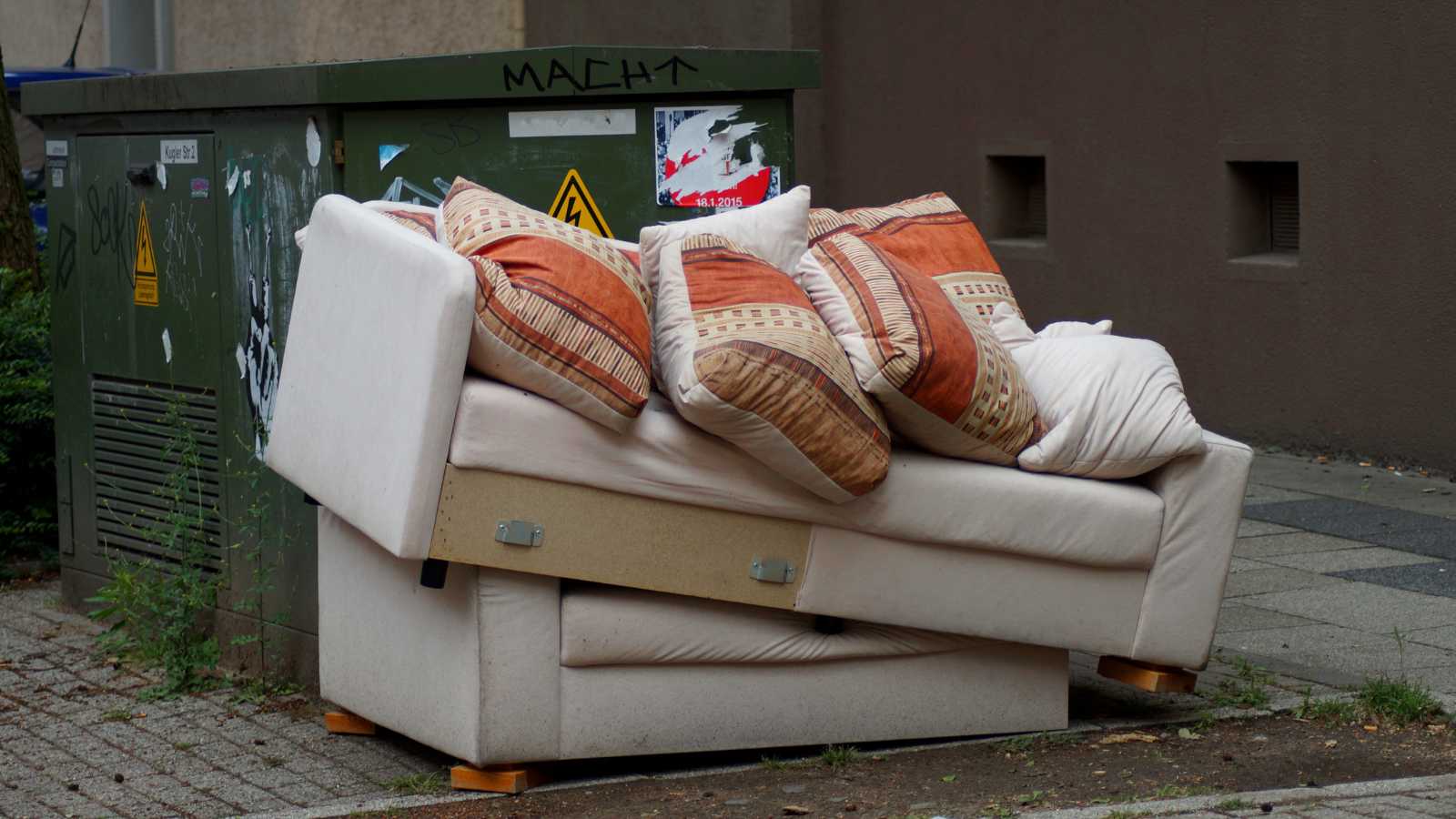
Large items like mattresses, couches, and appliances should never be thrown in the trash, as they take up significant space in landfills and are challenging to break down. The Mattress Recycling Council, for example, helps recycle millions of mattresses annually. These bulky items often contain materials such as metals and foam, which can be recycled if processed properly, reducing waste and conserving valuable resources.
Instead, consider donating items in good condition to charities that offer free pickup. If donation isn’t an option, contact your local waste management provider about bulky-item collection services, or take them to specialized recycling centers for proper processing, to help prevent illegal dumping.
Motor Oil and Fluids
Motor oil and other vehicle fluids, such as antifreeze and brake fluid, pose serious environmental risks when improperly handled. Oil spills can contaminate water and soil and cause explosions, according to the U.S. Energy Information Administration.
For instance, the best way to dispose used motor oil is to take it to a recycling center or an auto shop that accepts used fluids. It can be cleaned and reused in a variety of industrial applications, making it one of the easiest materials to recycle. But be sure to store the oil in a sealed container until it can be properly processed.
Light Bulbs
Certain types of light bulbs, exceptionally compact fluorescent lamps (CFLs), contain small amounts of mercury, which is toxic to both humans and wildlife. If broken or improperly discarded, these bulbs can release mercury into the environment, affecting air and water quality. The U.S. Environmental Protection Agency (EPA) provides clear guidelines for safely handling mercury-containing bulbs to prevent contamination.
To safely dispose light bulbs, take them to a recycling center or use in-store drop-off locations offered by retailers like Home Depot. If no recycling option is available, check with your local municipality for specific instructions on handling light bulbs in your area.
Batteries
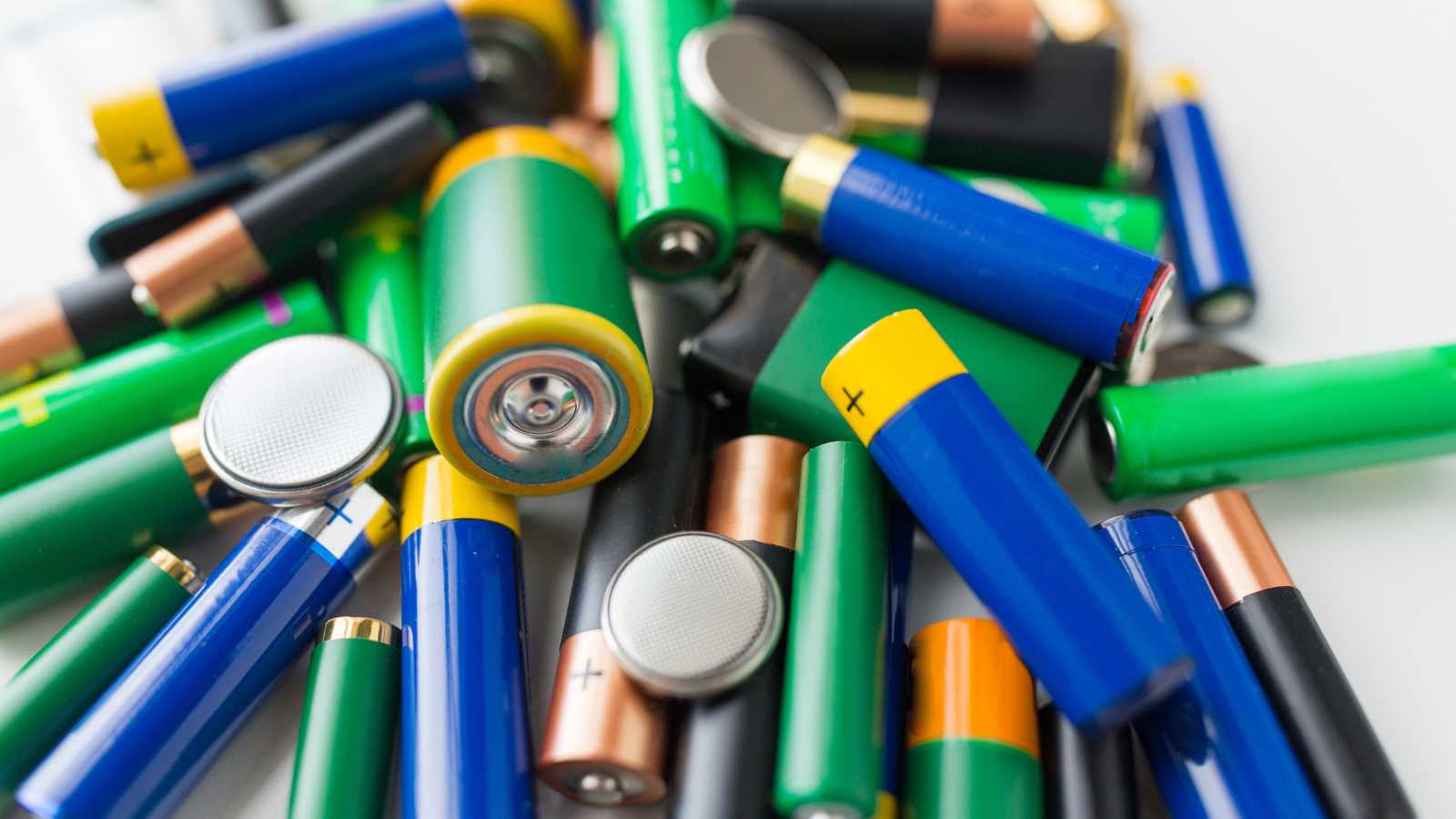
Batteries contain harmful metals such as cadmium, lead, and mercury, which can contaminate the environment if disposed of improperly. When they are thrown away, they can leak toxic substances into soil and water, posing risks to the environment and human health.
To dispose batteries responsibly, take them to a designated recycling facility or participate in collection programs offered by retailers like Best Buy or Staples. Also many local governments also run initiatives to ensure they are safely recycled and do not pollute the environment.
Key Takeaways
Managing waste responsibly is crucial for the health of our planet and the well-being of our communities. Certain items, such as electronics, hazardous chemicals, and tires, require proper disposal to prevent environmental contamination and harm to human health.
By utilizing available recycling programs, take-back services, and local collection events, you can ensure these materials are processed in an environmentally safe manner. Stay informed about your area’s waste management policies to help keep your community clean and sustainable.