


The post Things to Know Before Burying Your Dog in the Backyard first appeared on Crafting Your Home.
Losing a beloved dog is difficult enough without having to make unexpected decisions about what happens afterward. For many pet owners, burying their companion in the backyard feels like a meaningful farewell. After all, what could be more comforting than keeping a treasured pet close to the place they called home?
But backyard burial isn’t always as straightforward as digging a hole beneath a favorite tree. Depending on how your dog died, where you live, and your property’s conditions, you may face practical, environmental, and legal concerns worth considering.
Home burial isn’t universally prohibited or necessarily inappropriate. However, understanding these considerations can help you decide more confidently.
A Shallow Grave May Attract Unwanted Visitors
You might assume that covering your dog’s remains with soil is enough to keep the burial site undisturbed. Unfortunately, digging a hole doesn’t automatically prevent scavenging animals from reaching what’s underneath.
The Fish and Wildlife Service recommends sufficiently deep burial as one way to prevent wildlife access to euthanized animal remains. Its guidance notes that many applicable regulations require approximately three to four feet of soil covering the remains.
That’s an important distinction: the measurement refers to the amount of soil above the remains, not simply the depth of the hole. Requirements depend on local regulations, soil conditions, and wildlife activity. No single burial depth applies to every backyard.
Your Backyard’s Location Matters More Than You Think
Not every patch of ground is suitable for burying a pet. A quiet corner of your backyard might look perfect for a memorial, but what’s happening beneath the surface matters too.
Research published in the Journal of the American Veterinary Medical Association identifies the potential for euthanasia-drug residues to move into surrounding soil and groundwater. The Fish and Wildlife Service also emphasizes considering soil conditions and the distance between a burial site and the groundwater table.
Veterinary guidance published by PetMD advises avoiding burial locations near wells, reservoirs, shorelines, wetlands, and flood-prone areas.
These considerations don’t mean every backyard burial contaminates groundwater. They simply highlight why choosing a location deserves more thought than finding an empty space in the garden.
Backyard Pet Burial May Be Restricted Where You Live
Owning a property doesn’t necessarily mean you can use every part of it however you wish. Depending on your location, burying a pet at home may be subject to municipal ordinances, property restrictions, or other local requirements.
PetMD recommends checking local rules and homeowners association policies before proceeding with backyard burial. Restrictions may address burial depth, access by wildlife, and the circumstances surrounding euthanasia.
The Fish and Wildlife Service similarly emphasizes complying with applicable regulations and permitted burial locations. There isn’t one nationwide rule governing every American backyard, so checking your city or county requirements is essential.
A quick inquiry before making arrangements could prevent complications later.
Frozen Ground Can Complicate the Entire Plan
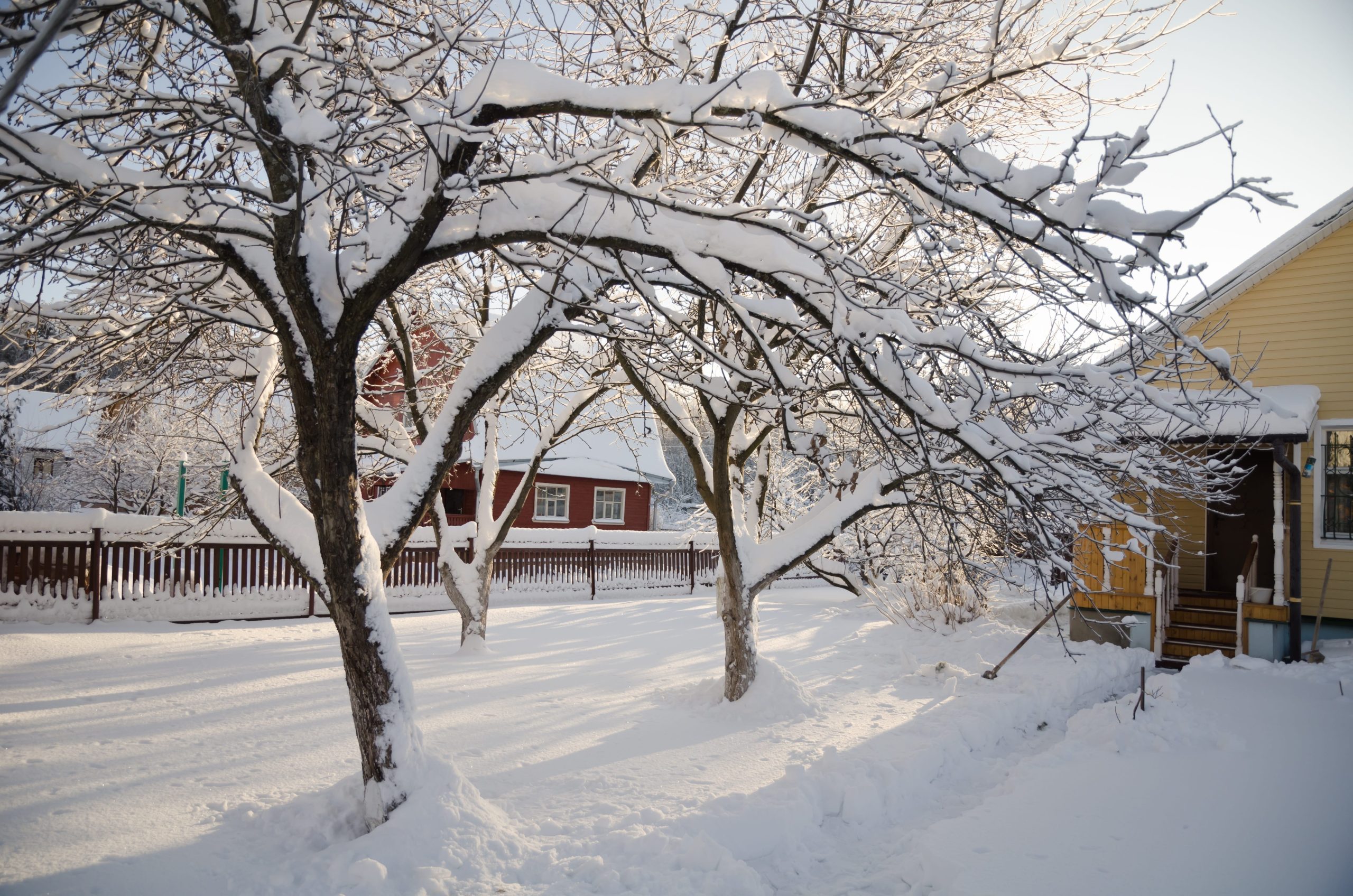
A backyard burial might seem manageable during mild weather, but winter can introduce unexpected difficulties. In areas where the ground freezes, digging a sufficiently deep grave may become impractical.
PetMD notes that frozen ground can prevent homeowners from reaching an appropriate burial depth. The Fish and Wildlife Service also addresses situations where frozen conditions make immediate burial impossible. In such cases, arrangements must prevent scavengers from accessing euthanized remains while another suitable option is organized.
Some veterinary clinics may offer temporary storage, although availability varies. It’s worth asking about those arrangements rather than assuming you’ll be able to complete the burial immediately.
Moving Homes Could Make the Memorial Difficult to Leave Behind
A backyard burial can feel deeply personal because it keeps your dog’s resting place close to home. But what happens if you eventually sell the property?
According to reporting published by Martha Stewart, veterinarian Bethany Hsia identifies future relocation as one of the practical considerations surrounding backyard pet burial. Homeowners may eventually face the prospect of leaving their pet’s resting place behind.
Future landscaping, renovations, or construction could also disturb the burial area. These aren’t reasons every homeowner must reject backyard burial. They’re simply long-term considerations that can be easy to overlook during an emotional decision.
Cremation May Offer a More Practical Alternative
Backyard burial isn’t the only way to say a thoughtful farewell to a beloved dog. Cremation is another option worth discussing, particularly when a pet has been euthanized using medications that remain in the body. The U.S. Fish and Wildlife Service identifies cremation or incineration as its preferred disposal method for animals euthanized with pentobarbital, when those services are available.
The American Veterinary Medical Association also recommends discussing aftercare arrangements with a veterinarian, preferably before euthanasia when circumstances allow. One detail matters: not every cremation service returns an individual pet’s ashes.
For example, Seattle Animal Shelter offers cremation services for owned pets but does not provide private cremation with ashes returned. Ask exactly what the chosen service includes before making your decision.
A Thoughtful Farewell Starts With Understanding Your Options
For many families, a backyard burial represents love, remembrance, and the desire to keep a beloved companion close. But a meaningful farewell should also take practical circumstances into account.
Medication residues, scavenging animals, groundwater conditions, local regulations, and future property plans can all influence whether home burial is appropriate. Fortunately, the choice isn’t simply between burying your dog at home and forgetting them altogether.
Discussing burial and cremation options with your veterinarian can help you choose arrangements that suit your circumstances. Whatever you decide, honoring your dog’s place in your life doesn’t depend on where their remains are kept. The memories you’ve shared remain meaningful long after the farewell.
If you like what you just read, then subscribe to our newsletter and follow us on social media.


