


The post 8 Things to Do Before Trick-or-Treaters Show Up at Your Door first appeared on Crafting Your Home.
The first trick-or-treaters are at your door, the candy is still in the kitchen, and your dog has decided that every little superhero deserves a personal welcome. Meanwhile, that pumpkin you carefully positioned on the porch is blocking the doorway. Halloween hasn’t officially started at your house, and things are already getting interesting.
According to the National Retail Federation, Americans are expected to spend $13.5 billion on Halloween in 2026, including $4.1 billion on candy. The organization’s survey also found that 61% of consumers plan to hand out candy this year.
Fortunately, preparing your home doesn’t require expensive decorations or an elaborate setup. These eight simple tasks can make the evening easier, more organized, and welcoming for everyone who comes knocking.
Make Sure Your Porch Lights Actually Work
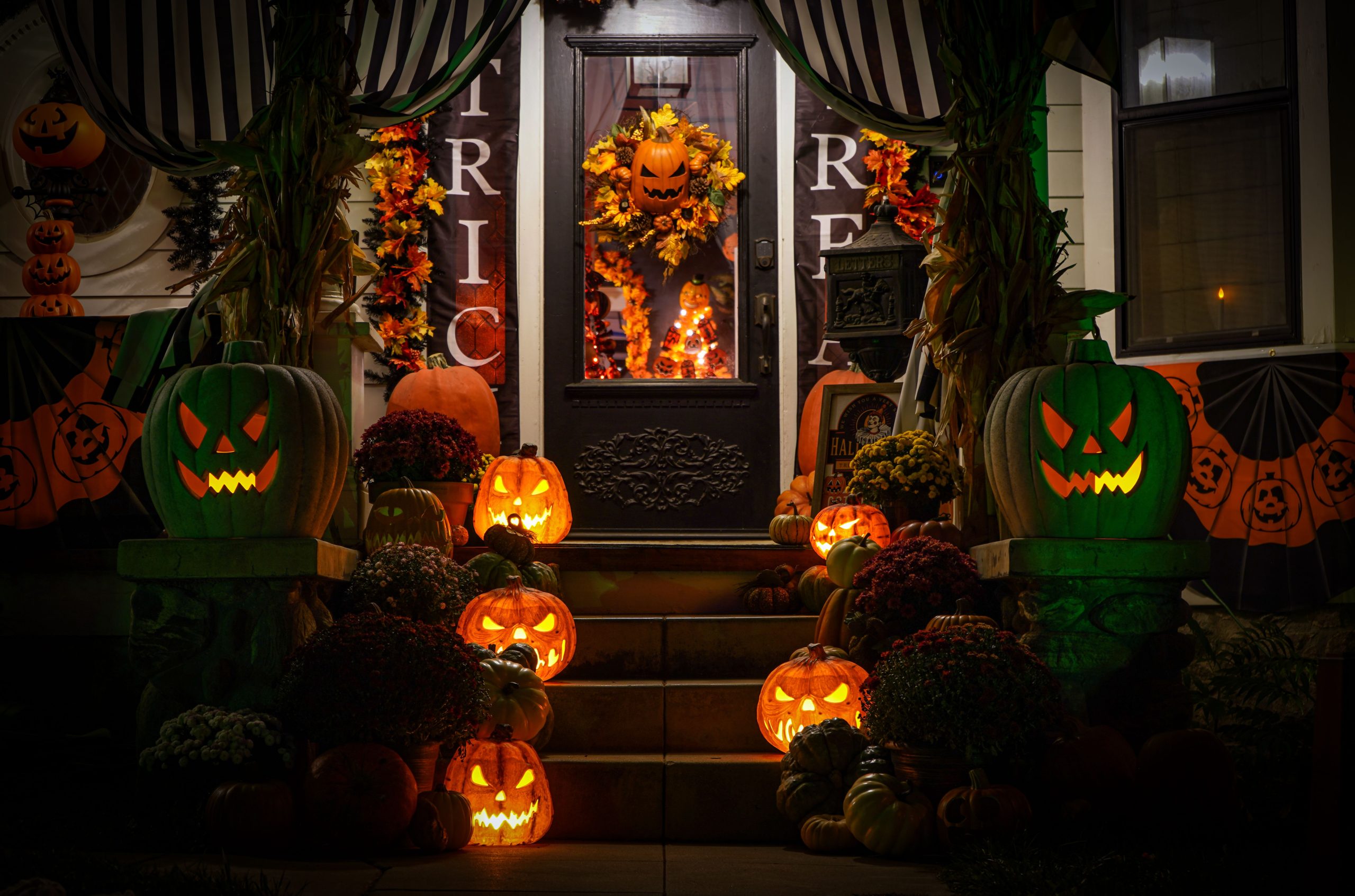
Your glowing skeleton might look magnificent, but it won’t do much good if nobody can see the steps beneath it. Before sunset, turn on your porch lights and check whether they illuminate the areas visitors will use. Replace burned-out bulbs, reposition decorations that block existing fixtures, and watch for stairs or changes in ground level.
The American Academy of Pediatrics recommends checking outdoor lighting before Halloween visitors arrive. A well-lit entrance makes it easier for children and accompanying adults to see where they’re walking.
In many American neighborhoods, leaving the porch light on is also a familiar way of signaling that a household is participating in trick-or-treating. However, customs vary by community. If your regular lighting doesn’t reach a particular area, battery-powered lighting may be a practical addition. Just avoid placing anything where visitors might trip.
Decide Who’s Answering the Door
A common household confusion happens when the doorbell rings, and everyone assumes someone else is getting it. One person is cooking dinner, another is watching television, and someone upstairs insists they answered the last three times. Before the evening starts, establish a simple plan for answering the door.
If several adults are home, consider taking turns. Keep the candy station somewhere convenient, and decide whether you’ll greet visitors at the doorway or from a supervised outdoor setup. For households with limited mobility or difficult steps, move the handoff point closer to an accessible approach.
Also decide how you’ll wrap up for the night. A polite sign saying you’re done handing out treats, plus removing your candy station, can help signal that Halloween is over at your house. No complicated schedule required. Just make sure someone knows they’re officially on candy duty.
Give Your Front Walkway a Quick Inspection
That garden hose you’ve been meaning to put away? Halloween is the perfect excuse to finally deal with it. Before the first costumed visitors arrive, walk the same route they’ll use to reach your door. Look for toys, bicycles, fallen branches, loose decorations, and anything else that could get in the way.
Pay particular attention to steps and uneven surfaces, especially if your entrance is narrow. The American Academy of Pediatrics recommends removing obstacles from porches and yards and sweeping wet leaves from sidewalks and steps.
Don’t forget extension cords running between decorations. Keep them away from walkways, and make sure pumpkins and other displays leave enough space for visitors to approach comfortably. Five minutes of tidying can make your entrance much easier to navigate.
Get Your Candy Station Ready Before the Doorbell Rings

Buying Halloween candy is one thing. Remembering where you put it when the first visitors arrive is another. Instead of leaving unopened bags scattered across the kitchen counter, prepare your candy station ahead of time. Choose a sturdy bowl, fill it with a manageable amount, and keep extra treats somewhere nearby.
That way, you won’t have to run back and forth through the house every time a group of children arrives. If your neighborhood typically attracts plenty of trick-or-treaters, think about how much candy you’ve handed out in previous years. Nearby residents may also have useful insights if this is your first Halloween in the neighborhood.
For busy entrances, a small table can make distribution easier, as long as it doesn’t crowd the walkway. You don’t need a fancy setup. Sometimes, a bowl within arm’s reach is the smartest Halloween preparation of all.
Check Your Decorations From a Visitor’s Perspective
That giant inflatable ghost looks fantastic from the street. Unfortunately, its left arm might be taking up half the entrance. Once your decorations are in place, take another look at them from the perspective of someone approaching your door.
Make sure pumpkins don’t block steps, decorations stay stable, and your door opens fully. Check electrical displays for damaged cords or connections, and remove anything in poor condition. The National Fire Protection Association recommends using battery-operated candles or glow sticks instead of open flames in Halloween decorations.
It also advises keeping exits clear and decorations away from heat sources. A little rearranging can make your display more practical without sacrificing the Halloween atmosphere. After all, decorations should welcome visitors, not make them solve an obstacle course before collecting their candy.
Have Something for Different Kinds of Trick-or-Treaters
Halloween visitors don’t all have the same preferences or ways of interacting, and your doorstep can reflect that. Consider keeping a small selection of nonfood treats alongside your candy. Stickers, pencils, and age-appropriate small toys can offer another option for children who prefer something different.
The Teal Pumpkin Project, organized by Food Allergy Research & Education, encourages households to offer nonfood alternatives. Displaying a teal pumpkin signals that those options are available, and the organization recommends keeping them separate from candy.
A welcoming approach also means giving children enough time to respond. Some may be quiet, need assistance, or approach more slowly than others.
According to Michigan Medicine, offering treats closer to the sidewalk can also help visitors who have difficulty navigating steps or steep driveways. Sometimes, the smallest accommodations make the biggest difference to someone’s Halloween experience.
Make a Plan for Your Pets
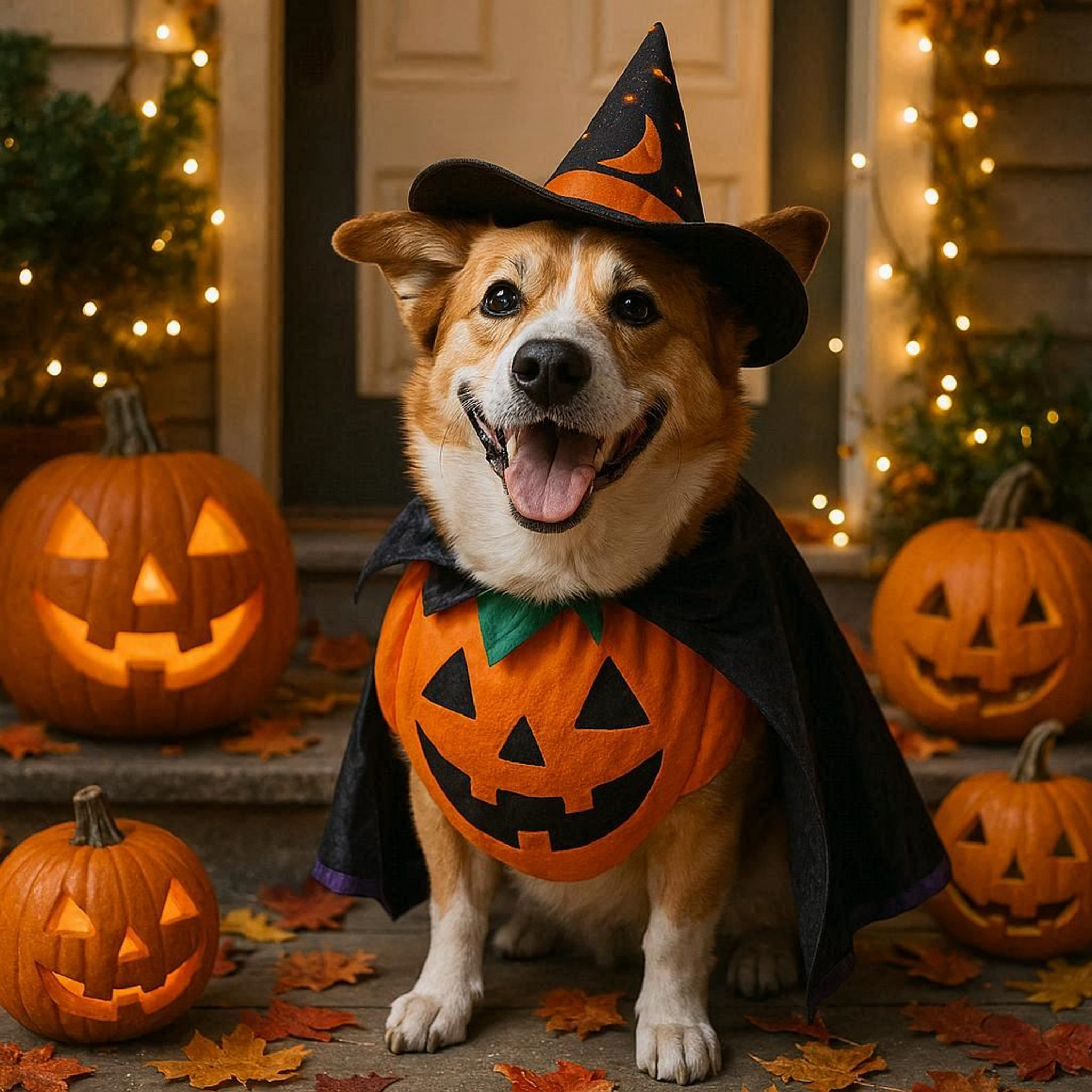
Some dogs hear the doorbell and immediately appoint themselves head of household security. Others see every visitor as a potential new best friend. Neither situation is particularly convenient when you’ll be opening your front door dozens of times.
Before Halloween evening begins, decide where your pets will be most comfortable. Depending on their behavior, that might mean keeping them in another room with familiar belongings or making sure they can’t reach the open doorway.
The American Veterinary Medical Association recommends keeping pets indoors and ensuring they have identification in case they slip outside. It also advises giving animals uncomfortable around strangers a separate space. Keep candy and decorations out of pets’ reach, too.
Not every animal finds Halloween stressful, but planning ahead means you won’t have to improvise with a bowl of candy in one hand and an enthusiastic dog in the other.
Check Your Local Trick-or-Treating Hours and the Weather
Halloween doesn’t operate on one nationwide timetable, even if your childhood memories suggest otherwise. Some communities announce specific neighborhood trick-or-treating hours, while others organize separate celebrations before October 31.
For example, Pittsburgh has announced trick-or-treating from 5:30 to 7:30 p.m. on October 31, 2026. Meanwhile, North Port, Florida, has scheduled a separate City Center trick-or-treating event for October 30. Before making plans, check your local government’s announcements, neighborhood communications, or building guidelines.
And don’t forget the forecast. If rain or wind is expected, protect your candy station and secure lightweight decorations. If thunderstorms develop, follow the National Weather Service’s lightning guidance and move indoors to appropriate shelter.
Checking these details in advance can help prevent the unpleasant discovery that trick-or-treating started an hour ago while you’re still setting up.
A Little Preparation Makes Halloween More Fun
The best Halloween setup isn’t necessarily the house with the tallest inflatable monster or the most elaborate decorations. Sometimes, it’s the home where the lights work, the candy is ready, and everyone can reach the door without stepping around a dozen pumpkins.
A few thoughtful preparations can make the evening easier for residents and visitors alike. Once everything is in place, you can enjoy the costumes, the excitement, and the occasional child who treats your candy bowl like the greatest treasure they’ve ever discovered.
Other Posts You Might Like
- 9-things-you-should-never-do-when-handing-out-halloween-candy
- /8 u-s-destinations-that-turn-halloween-into-a-huge-celebration-every-year-and-are-worth-visiting
If you like what you just read, then subscribe to our newsletter and follow us on social media.


