


The post 10 Things Pet Sitters Notice the Moment They Walk Into Your Home first appeared on Crafting Your Home.
A pet sitter probably isn’t walking into your house wondering whether your pillows match or whether you dusted the bookshelf. Their first concerns are much more practical. They are looking at how your pet reacts, whether the home feels secure, and whether everything needed for care is easy to access.
Professional pet-care guidance supports those priorities, though it doesn’t guarantee every sitter notices the same things in the same order. Still, these 10 details can shape how smoothly a visit begins.
How Your Pet Reacts to Them
Your pet may make the first impression before the sitter even has time to look around.
The American Animal Hospital Association lists behaviors such as hiding, attempting to escape, turning away, lowering the body, and tucking the tail as possible signs of anxiety or distress in dogs and cats. Pet-care companies also describe watching an animal’s mood and unusual behavior as part of routine visits.
That does not mean a shy greeting automatically tells the sitter everything about your pet. A single reaction is only one moment, so a careful sitter will observe rather than immediately decide that the animal is aggressive, badly trained, or difficult.
Doors, Windows, and Gates
A crooked throw pillow can wait. A loose backyard gate cannot.
Professional pet-sitting checklists include an initial scan of the home and checks to make sure doors, windows, and gates are secure, especially when pets have outdoor access. Veterinary guidance also recommends giving the sitter a working key or access code and making sure they know how to use it before you leave.
In other words, a confusing lock or escape route may stand out much faster than an untidy entryway.
Anything Your Pet Can Reach
Pet sitters tend to look at a room with one question in mind: “Can the pet get into that?”
Leon Valley Veterinary Hospital recommends removing accessible hazards such as medications, electrical cords, certain plants, and objects pets may chew. The American Veterinary Medical Association also advises keeping medications sealed and stored securely out of pets’ reach.
The ASPCA specifically notes that unused dryer sheets can be a concern if ingested because of the detergents they contain. At the same time, it says most cleaning products are safe around pets when used according to label directions. So the issue is not that every bottle or houseplant is dangerous. It is whether something risky is sitting where a curious pet can reach it.
Food and Water Bowls
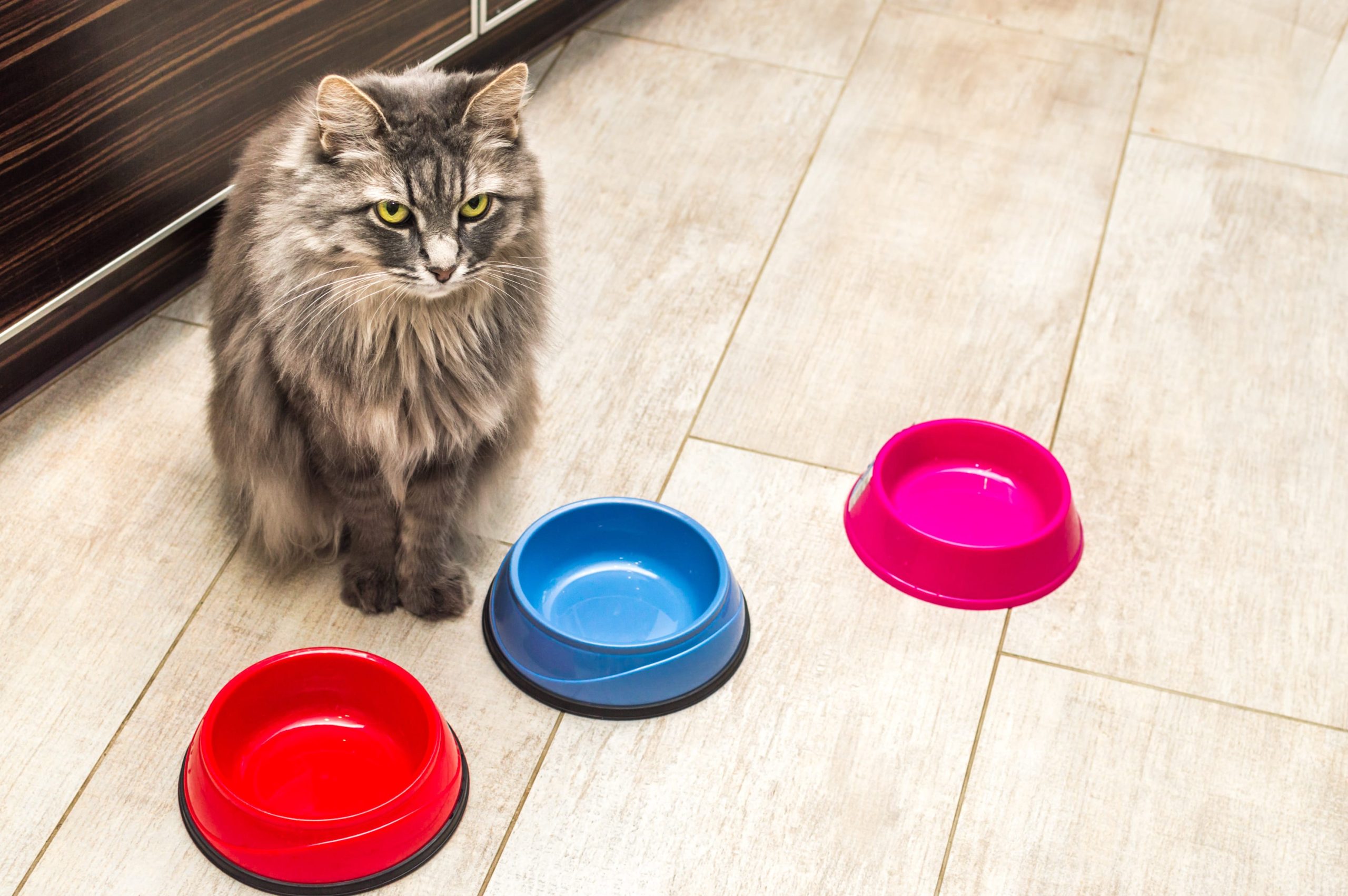
Bowls tell a sitter what needs attention right away.
Bull City Pet Care describes refreshing water, cleaning bowls, and monitoring how much pets eat and drink as normal responsibilities. Cornell guidance also says cats should have clean, fresh water and clean dishes with fresh contents.
An empty food bowl does not automatically mean a pet was forgotten. Feeding schedules and portion sizes should come from the owner’s instructions. Still, a nearly empty water bowl or untouched meal can quickly become something the sitter checks.
Litter Boxes and Pet Accidents
If the home has a litter box, the sitter may check it early.
Cornell recommends removing feces and clumps from clumping litter every day and notes that cats may avoid a litter-box area that is not clean. Cleaning litter boxes and picking up pet waste are also documented pet-sitting duties.
A visible accident does not automatically mean a home is dirty or a pet is untrained. Cornell notes that house soiling can have several possible causes, including litter-box issues and medical problems. The sitter’s immediate job is simply to notice it, clean it if needed, and follow the owner’s care plan.
Related: My Cat Has Worms How Do I Clean My House? 5 Easy Steps
How Easy It Is to Find Supplies
Nobody wants to spend half a pet-sitting visit searching cabinets for the food scoop.
Leon Valley Veterinary Hospital recommends leaving enough food, treats, medications, litter, cleaning supplies, and other essentials for the entire time the owner is away. Bowls, litter boxes, sleeping areas, and favorite toys should also be easy to access.
Clear food instructions help too. The sitter should know where the food is stored, what brand the pet eats, the feeding schedule, and the correct portion size. Fancy storage is not the point. Easy access is.
Where Your Pet Likes to Rest
A sitter will usually want to know where your pet feels comfortable.
Preparation guidance recommends providing a safe, comfortable resting area and explaining whether the pet can wander freely or should stay in certain parts of the home. Cornell also notes that older cats should have easy access to food, water, and litter boxes without climbing stairs.
You don’t need a luxury pet bed or an elaborate pet room. The important detail is that the sitter understands your pet’s normal space and can reach everything the animal needs.
How Clear Your Instructions Are
A perfectly tidy kitchen cannot tell a sitter that your dog is not allowed upstairs.
AAHA guidance recommends sharing a pet’s age, personality, quirks, behavioral concerns, triggers, and fears. Leon Valley Veterinary Hospital also recommends including feeding schedules, portions, medications, routines, and house rules.
Useful instructions can also explain whether pets are allowed on furniture or inside certain rooms. They do not have to be printed or beautifully organized. They simply need to give the sitter enough information to care for the animal properly.
Related: 9 Mistakes Dog Groomers See Owners Make Every Week
Medication and Emergency Information
Some of the most important details in the home may be written on paper rather than sitting in plain sight.
AAHA recommends leaving emergency information that includes the primary veterinarian, the nearest 24-hour emergency clinic, and pet insurance details when applicable. Pawshake also recommends giving the sitter a medication list with exact dosages and administration instructions.
A backup contact is useful too in case the owner cannot be reached. The goal is simple: the sitter should never have to guess during an urgent situation.
Cameras and Security Systems
A Ring doorbell, indoor camera, or alarm keypad quickly becomes part of the sitter’s working environment.
Pawshake’s owner guidance recommends telling sitters about recording devices and home-security systems before the stay. It also advises owners to check any applicable government rules.
Not every camera will be visible, and laws can differ depending on location. The practical takeaway is simply to explain the security setup clearly so the sitter knows what to expect.
Pet sitters usually aren’t entering your home to judge your decorating or housekeeping. They are focused on your pet’s behavior, the safety of the space, and whether they have the supplies and information needed to do the job well.
Other Posts You Might Like
If you like what you just read, then subscribe to our newsletter and follow us on social media.


