


A living room is more than a place where we sit. It is the emotional center of a home, the space where we relax after long days, connect with loved ones, and recharge our minds. Happy people understand that their surroundings shape their thoughts, habits, and overall well-being.
The happiest people do not necessarily have the biggest homes or the most expensive furniture. Instead, they create spaces that support peace, comfort, and positive energy. They remove items that create stress, distractions, or emotional heaviness and replace them with things that make the room feel welcoming and alive.
A thoughtfully designed living room can encourage relaxation, improve relationships, and even make everyday moments feel more enjoyable. While everyone’s style is different, many content, joyful people avoid keeping certain things in their main living spaces.
Here are 6 things we rarely find in the living rooms of genuinely happy people.
Excessive clutter that creates mental stress
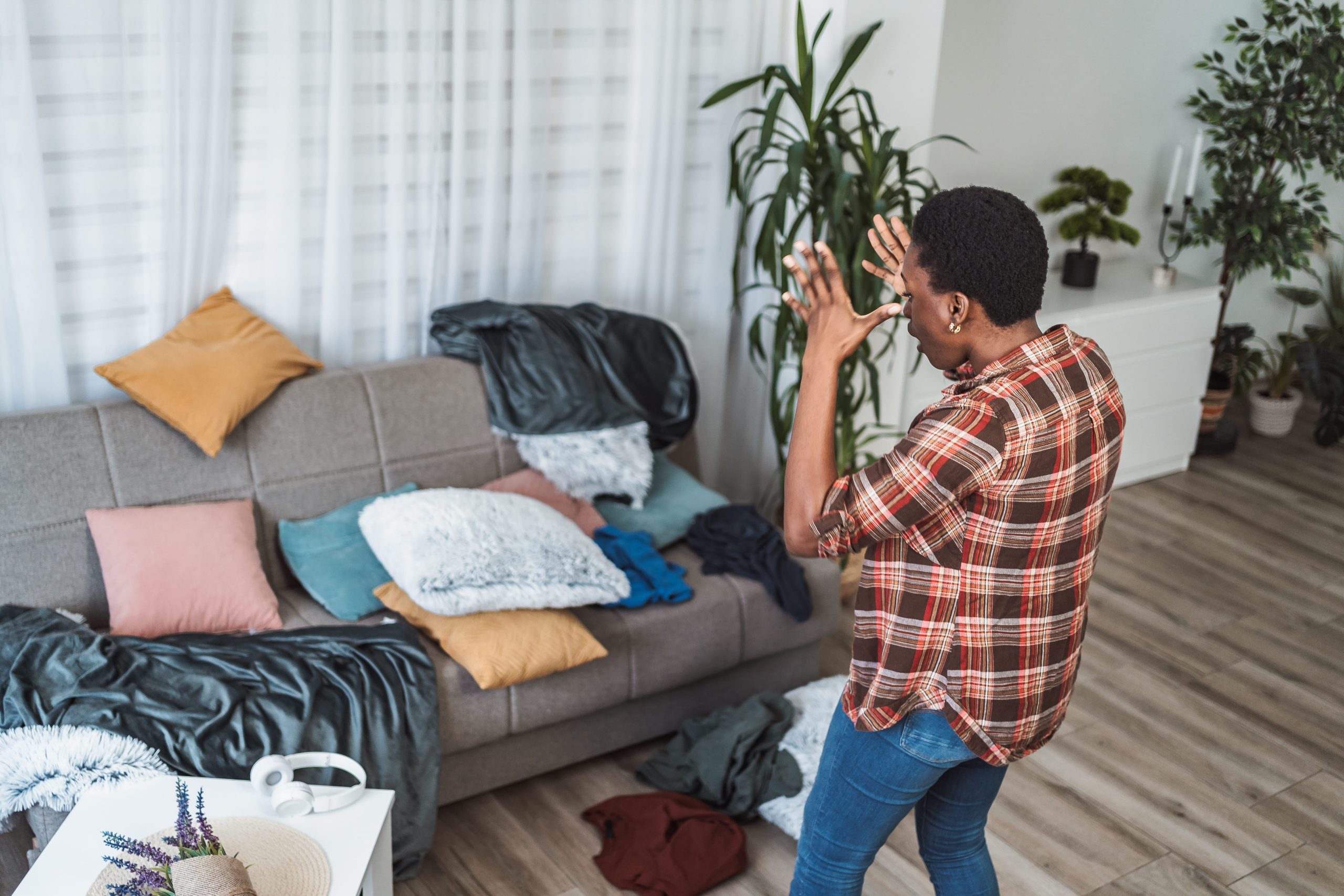
A happy living room does not need to look like a showroom, but it usually has a sense of order. Overflowing piles of newspapers, unused decorations, random electronics, and crowded surfaces can quietly create tension.
Research in environmental psychology has found that clutter can increase feelings of stress because the brain must constantly process unnecessary visual information. When every corner of a room demands attention, it becomes harder to relax and mentally disconnect.
People who prioritize happiness know their homes should restore energy, not drain it. They regularly remove items they no longer use and create simple systems for storing everyday belongings.
A clear coffee table, organized shelves, and open spaces allow the room to breathe. The goal is not perfection. The goal is creating an environment where the mind feels calm.
A workspace that takes over the relaxation area
For many people, working from home has changed how living spaces function. However, happy people understand the importance of separating productivity from rest whenever possible.
A laptop permanently sitting on the coffee table, piles of paperwork on the sofa, and work reminders everywhere can make it difficult for the brain to switch off.
When a living room constantly reminds someone about deadlines, meetings, and unfinished tasks, relaxation becomes much harder.
People who protect their happiness create boundaries between work and personal life. Some have a dedicated office, while others simply pack away work materials at the end of the day.
The living room should represent comfort, connection, and recovery. It should be the place where people enjoy conversations, watch movies, read books, or spend meaningful time together.
A home feels more peaceful when every area has a clear purpose.
Furniture that is broken, uncomfortable, or neglected
Happy people rarely allow damaged furniture to become a permanent part of their living space. A cracked chair, sagging sofa, or unstable table may seem like a small issue, but living with constant imperfections can create subtle frustration.
Every time someone avoids a certain chair or notices something falling apart, the brain gets another small reminder of an unfinished problem.
Comfortable homes are built around furniture that supports daily life. Sofas should invite people to sit down. Chairs should encourage conversation. Tables should function properly.
People who value their happiness either repair damaged items or replace them when necessary. They understand that their surroundings communicate something about how they value themselves.
A home does not need luxury furniture to feel beautiful. It simply needs pieces that work, feel comfortable, and make everyday life easier.
Related: 10 Essential Types of Furniture You Need for Every Space
Dark rooms that block natural light
Natural light strongly affects how people experience a space. Happy people often let sunlight into their living rooms because bright environments can make rooms feel more energetic and welcoming.
Heavy curtains that keep a room dark all day can make a home feel closed off and disconnected from the outside world. While privacy matters, completely blocking daylight can remove one of the easiest ways to improve a room’s atmosphere.
Many cheerful homes use lighter window coverings, sheer curtains, or adjustable blinds that provide flexibility throughout the day.
Sunlight can help regulate sleep patterns, support mood, and make a space feel larger. A bright living room often feels more alive because it connects the indoors with the natural world outside.
Even small changes, such as opening curtains in the morning or rearranging furniture near windows, can transform how a room feels.
Seating that looks good but feels terrible
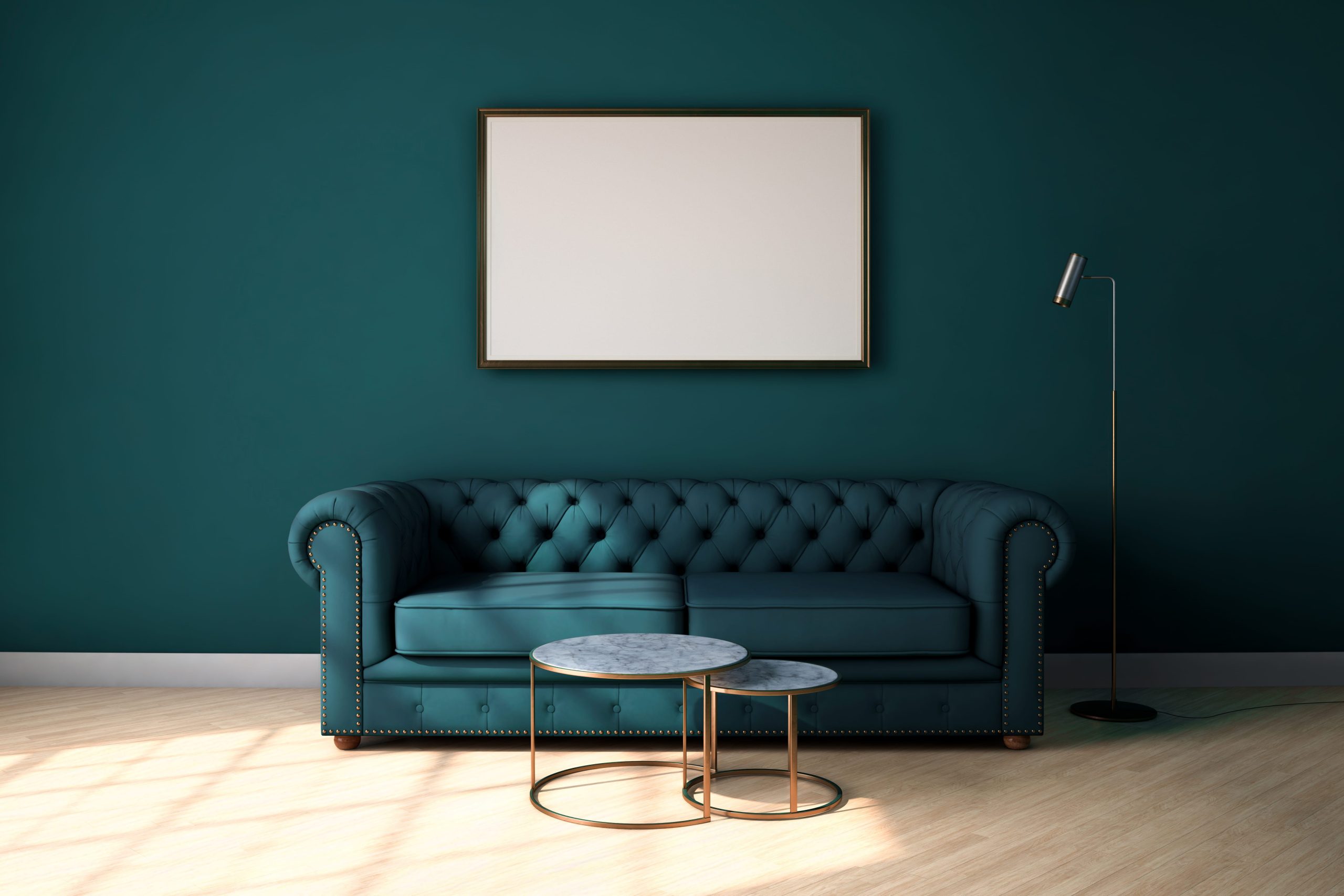
A beautiful sofa is not useful if nobody wants to sit on it.
Happy people know comfort matters more than looks alone. A living room should encourage people to stay, relax, and enjoy the moment.
Uncomfortable chairs, stiff couches, or poorly arranged furniture can make a room feel less inviting. If guests constantly shift position or family members avoid the space, something is missing.
Comfortable living rooms usually include supportive seating, soft textures, and arrangements that encourage conversation.
A cozy blanket, comfortable cushions, and furniture positioned for connection rather than isolation can completely change a room’s feel.
The happiest homes are not designed only to be admired. They are designed to be lived in.
Related: 10 Essential Steps to Choosing the Perfect Living Room Paint Color
Decorations that create negative emotions
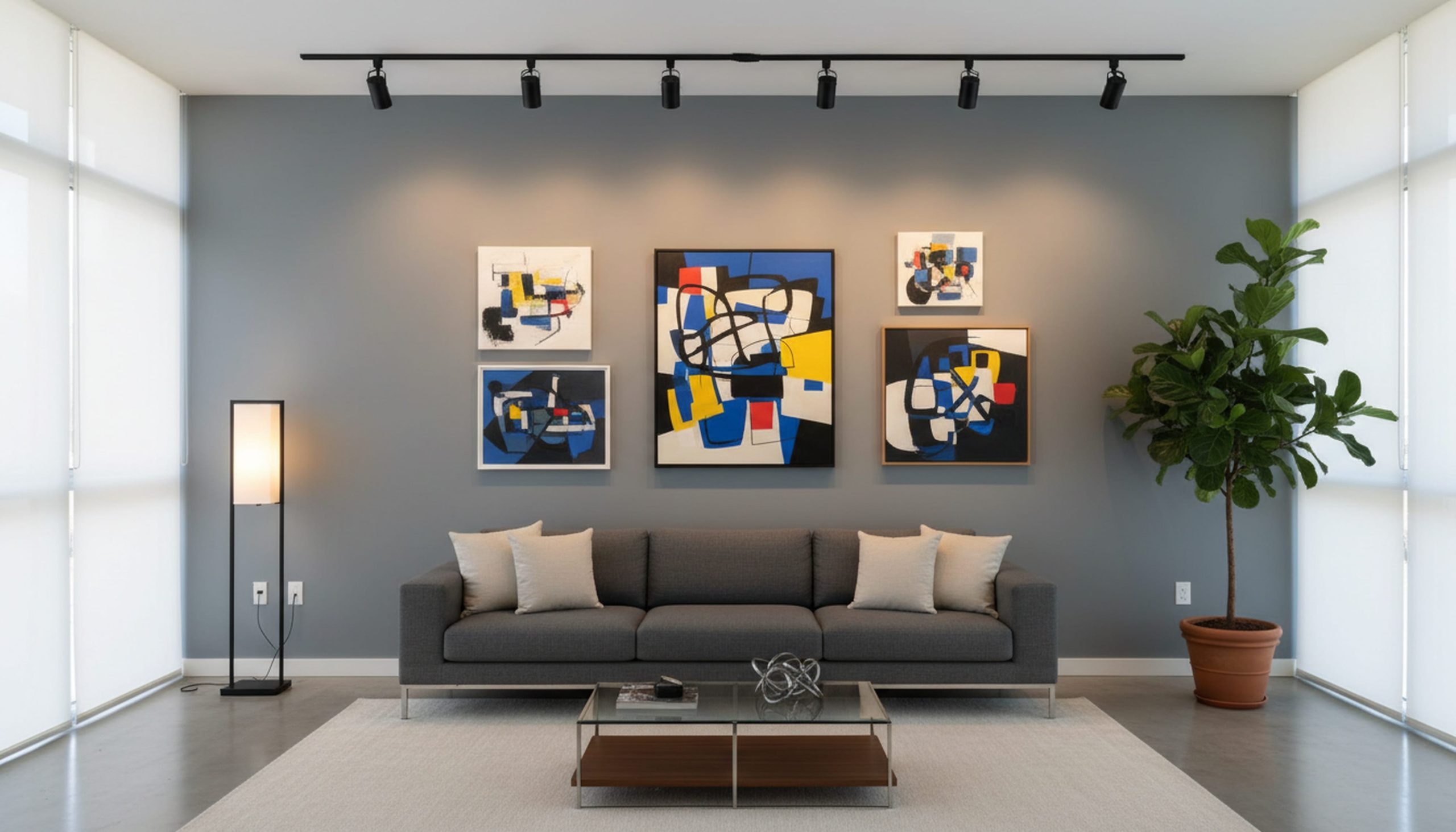
The items around us influence how we feel, even when we don’t consciously notice them.
Happy people usually choose artwork, photographs, and decorations that create positive emotions. They fill their walls with memories, inspiration, beauty, or things that represent what matters to them.
Artwork that constantly creates feelings of sadness, anxiety, or heaviness may not support a peaceful atmosphere.
This doesn’t mean every home must have bright colors or cheerful images. Some people love dramatic artwork or minimalist designs. The key is whether the space creates a feeling that matches the life they want to experience.
A painting of a peaceful landscape, family photographs, meaningful objects, or inspiring quotes can make a living room feel personal and emotionally rewarding.
The best decorations tell a story and make people feel at home.
Other Posts You Might Like
- Paint Colors That Can Look Worse in Sunny Rooms, According to Interior Designers
- 6 Essential Guide to Bedroom Organization for Students: Maximize Space and Boost Productivity
- 6 Simple Habits That Help Minimalists Live Clutter-Free
- Common Decluttering Myths That Are Making Your Home Messier
- 8 Household Items That Could Be Quietly Putting Your Family at Risk
The post 6 Things Happy People Never Keep in Their Living Rooms first appeared on Crafting Your Home.
If you like what you just read, then subscribe to our newsletter and follow us on social media.


