
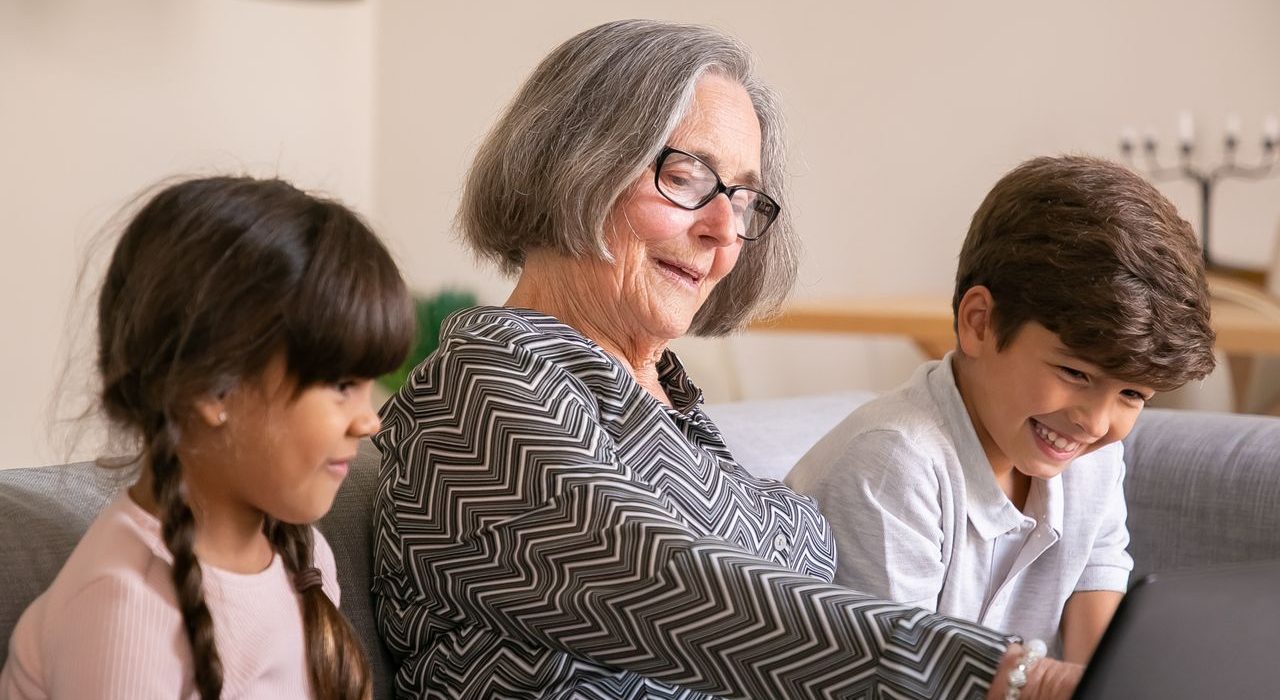


The post 10 Things Grandkids Remember About Grandma Long After She’s Gone first appeared on Crafting Your Home.
Some of the most meaningful childhood memories are surprisingly ordinary. They may involve sitting beside Grandma in the kitchen, listening to a story for the tenth time, receiving a comforting hug after a difficult day, or being allowed one extra treat before going home. At the time, these moments might have seemed small. Years later, however, they can become treasured reminders of a person whose love helped shape a family.
When a grandmother passes away, grandchildren may remember details that once seemed unimportant: the sound of her laughter, the way she called their names, the meals she prepared, and the familiar feeling of being welcomed into her home. Not every grandchild will remember the same things, and not every grandmother-grandchild relationship looks alike. Yet shared experiences, affection, and family traditions can all become meaningful parts of a person’s personal history.
Here are ten precious memories of Grandma that grandchildren may continue to cherish long after she is gone.
The Sound of Her Voice Calling Their Name
There is something deeply personal about the way a grandmother speaks to her grandchildren. Perhaps she had a special nickname for each child, a familiar greeting at the door, or a particular way of saying their name when she wanted their attention. These small details could become closely tied to feeling recognized and welcomed. For a grandchild, hearing Grandma call from another room might have been an ordinary part of visiting her home. With time, that familiar sound can become a reminder of the relationship they shared. A particular expression, gentle joke, or phrase she repeated may bring back a memory more vividly than a photograph alone.
A 2019 study examined 401 college-aged grandchildren and explored associations between grandparents’ affectionate communication, shared family identity, loneliness, depressive symptoms, and stress. The researchers found an indirect association between affectionate communication and lower loneliness through stronger shared family identity, but the relationship depended on how participants viewed their grandparents’ future possibilities.
This study suggests that affectionate communication can be meaningful within family relationships. Years later, grandchildren may repeat Grandma’s favorite sayings or remember the warmth in her voice. Those details can become a personal way of recalling how she made them feel.
The Kitchen Where Every Visit Felt Like a Celebration

For many families, the kitchen is more than a place to prepare food. It is where conversations happen, stories are exchanged, and relatives gather without needing a special occasion. Grandma’s kitchen might have smelled of freshly baked bread, simmering soup, fried potatoes, or a favorite dessert waiting on the counter. The food itself may be memorable, but the experience surrounding it can matter just as much. A grandmother might save a favorite portion for a grandchild, invite them to stir a pot, or let them taste something before it’s ready. Even a simple meal could become a familiar expression of care.
Food can also preserve family history. A recipe passed from one generation to another may carry memories of celebrations, relatives, childhood homes, and cultural traditions. The instructions might never have been written down precisely because Grandma knew them by heart. Grandchildren may remember watching her cook without measuring ingredients or explaining every step.
Related: 12 Old-Fashioned Foods Your Grandma Made That You Rarely See on Dinner Tables Today
The Bedtime Stories That Made the World Feel Safe
Grandma’s stories may have included fairy tales, family adventures, childhood memories, or accounts of how the family lived before the grandchildren were born. Sometimes she told the same story again and again. The details might have changed a little each time, but the familiar beginning and ending made it comforting.
Stories shared between generations can do more than entertain. They give children opportunities to learn about family members, understand earlier generations, and discover experiences beyond their own lives. A grandmother’s account of her first job, a difficult journey, or an important family celebration can provide a personal connection to the past.
Grandma’s stories often matter most for the personal details they include. She may have explained why the family moved to a new town, how an older relative overcame hardship, or why a certain tradition mattered. These stories can help grandchildren understand where they came from and how earlier generations lived.
The Secret Treats She Kept Just for Them
Many grandchildren remember a special treat Grandma kept just for them. It might have been a biscuit hidden in a tin, a piece of fruit offered after school, a favorite sweet reserved for visits, or an occasional permission to stay up a little later than usual. These small acts stand out because they made a child feel remembered as an individual. Grandma knew what her grandchild liked and made an effort to bring a little happiness into an ordinary day. The treat did not need to be expensive or elaborate. Its meaning often came from the relationship behind it.
For some families, these memories involve food. For others, they involve a small toy, a handwritten note, an extra story, or a special activity shared between grandmother and grandchild. The specific gesture varies, but the personal attention is what makes it memorable.
In the 2019 study of 401 college-aged grandchildren, researchers examined how affectionate communication related to shared family identity and certain measures of mental well-being. The findings support exploring how everyday expressions of affection fit into family relationships, rather than assuming that large gifts or dramatic gestures are necessary to make a relationship meaningful.
The Advice She Gave at Just the Right Moment
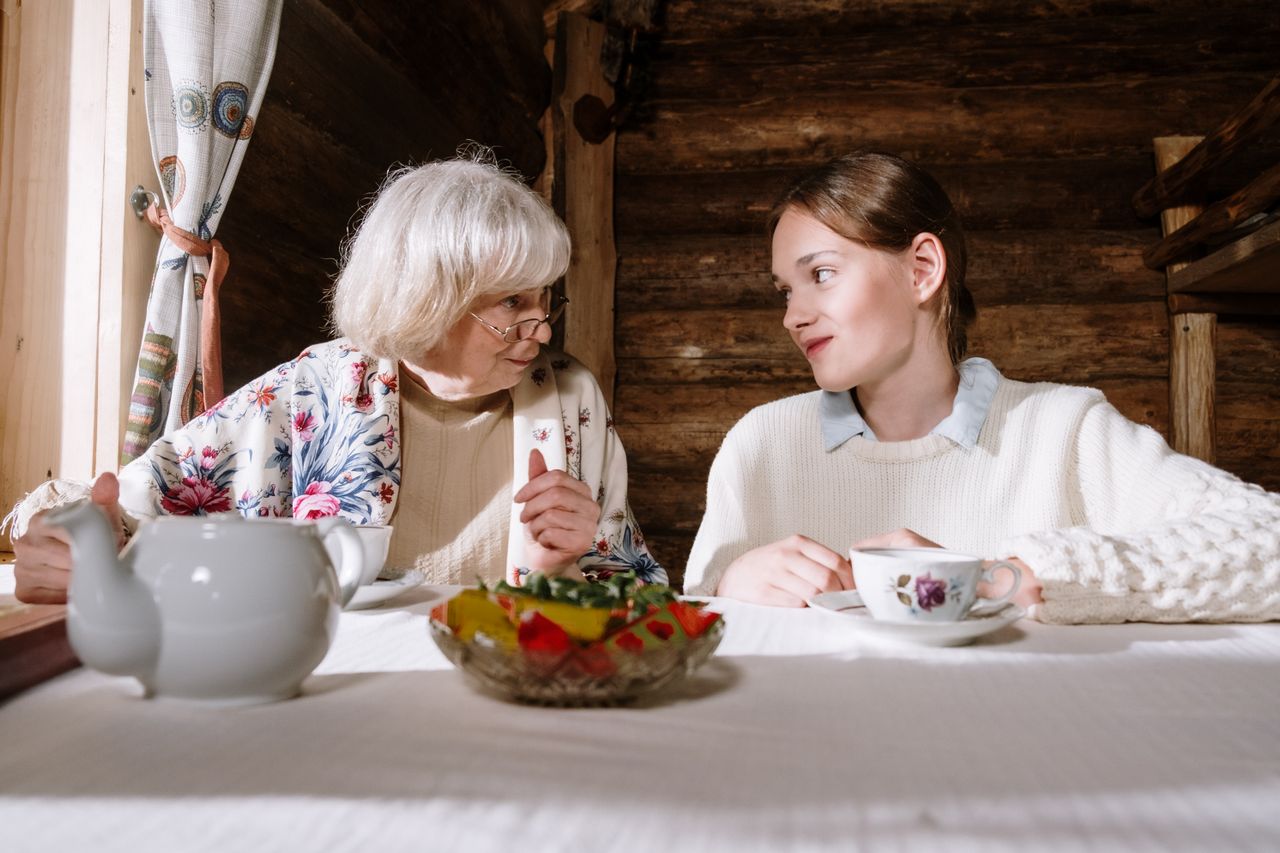
Grandmothers sometimes offer advice in ways that feel different from formal lessons. They may speak while folding laundry, walking through a garden, preparing dinner, or sitting quietly beside a grandchild. Their words might concern friendship, money, patience, hard work, or the importance of treating others fairly. Not every piece of advice is remembered immediately. A child may dismiss a suggestion or fail to understand why it matters. Later, after experiencing disappointment, making a difficult decision, or becoming a parent, that same person may recall something Grandma once said.
Her advice may have reflected her own life circumstances. Perhaps she learned to save money during a difficult period, discovered the value of persistence through work, or understood the importance of family after experiencing separation or loss. Sharing these experiences allowed her to pass on lessons drawn from her own history.
The 2022 review in the European Journal of Ageing brings together 42 empirical studies using an intergenerational solidarity framework to examine these connections. The review does not prove that grandparents’ advice always influences later decisions. Family relationships are complex, and grandchildren interpret advice differently. Still, Grandma’s words may become meaningful because they are connected to years of shared experiences and trust.
Related: 7 Boomer Advice That Doesn’t Work Anymore
The Games, Walks, and Adventures They Shared
Some of the happiest childhood memories are built around simple activities. Grandma might have taken her grandchildren for walks, taught them to play cards, helped them plant flowers, or sat with them while they drew pictures. These moments did not require expensive outings or carefully planned entertainment. They simply gave children time to enjoy her company. A familiar activity could become special because Grandma approached it with patience and interest. She might have let a grandchild lead a game, answered endless questions during a walk, or encouraged them to try something new. What mattered wasn’t necessarily the activity itself, but the chance to share it with someone who cared.
Grandparent-grandchild relationships can also change as children grow older. A young child may remember games and outings, while an adult grandchild may value conversations, practical help, or the opportunity to discuss important decisions. The relationship develops alongside the child’s changing needs and interests.
A 2022 systematic literature review on grandparenting, health, and well-being examined 117 studies reported in 92 articles. The review found that outcomes associated with grandparenting varied by circumstance, including the type and intensity of involvement. The findings caution against assuming that every grandparenting experience has the same effects.
The Family Stories Nobody Else Told Quite Like Her
Every family has stories that are repeated at gatherings. There may be an amusing account of a relative’s childhood, a story about a memorable celebration, or a description of how the family overcame a difficult period. Grandma may have remembered the details and brought those stories to life.
She might have known which relative was especially stubborn, how a family tradition began, or why an old photograph was important. Sometimes she could explain the background behind a name, an inherited object, or a custom that younger family members followed without understanding its origins.
These accounts connect family members to experiences that occurred before they were born. They can also reveal that parents and grandparents once had their own childhoods, worries, ambitions, and relationships. When the relative who remembers these stories dies, gaps in family knowledge may become more noticeable. Grandchildren may realize that they never asked about a particular photograph or wrote down the details of an important event.
The Way She Comforted Them Through Difficult Days

Children experience disappointment, fear, embarrassment, and uncertainty just as adults do. When a child is upset, Grandma might offer a quiet place to sit, listen to what happened, give a reassuring hug, or help them see the problem from another perspective. Sometimes comfort comes through conversation. At other times, it comes from a familiar presence that does not demand an explanation. A grandmother may have let a child cry without rushing them to feel better, or she may have distracted them with a favorite activity until they were ready to talk. These experiences can become important memories because they are connected to moments of vulnerability. A grandchild may remember not only what Grandma said but also the sense that they could turn to her when something went wrong.
A 2019 narrative review of continuing bonds among bereaved children and young people examined 20 articles and identified different ways young people maintain a sense of connection with deceased family members. These included spontaneous reminders, physical keepsakes, and memories that become part of how a person understands the relationship. The review does not mean that every memory brings comfort or that remembering a loved one always makes grief easier. People respond to loss differently, and memories can evoke both sadness and affection.
For some grandchildren, recalling Grandma’s support may help them remember how they were cared for during difficult times. Others may find such memories painful at first. Both responses can be part of the grieving process.
Related: 10 Simple Habits to Recharge Your Mind and Body
The Holidays and Birthdays She Made Magical
Birthdays, religious celebrations, family reunions, and seasonal holidays often become associated with particular people. Grandma may have organized a family meal, decorated the house, remembered everyone’s birthday, or made sure younger relatives had a place at the table. Her traditions might have been simple. Perhaps she prepared the same dish every year, insisted everyone gather for a photograph, or called relatives who couldn’t attend. These repeated activities gave family celebrations a familiar rhythm.
A tradition does not need to be elaborate to become meaningful. Its significance may come from repetition, shared participation, and the people who make it feel special. When Grandma played a central role, her presence could become part of what family members expected from the occasion.
After her death, celebrations may feel different. A familiar chair may remain empty, a favorite dish may be missing, or family members may notice that no one tells a particular story anymore. These changes can make the loss especially noticeable during occasions that were once associated with her.
The Unspoken Feeling That They Were Always Loved
Perhaps the most enduring memory is not one particular event. It is the overall feeling of having been loved by Grandma. That feeling may be connected to countless small experiences: the way she listened, the time she made for a visit, the interest she showed in a school project, or the encouragement she offered after a disappointment. Individually, these moments might seem unremarkable. Together, they may shape how a grandchild remembers the relationship.
Of course, not every grandchild experiences an uncomplicated or affectionate relationship with a grandmother. Some relationships are distant, strained, or marked by painful experiences. Memories are personal, and there is no requirement to describe a relationship as perfect simply because the person has died. However, for grandchildren who experienced a loving bond, the relationship may remain meaningful well into adulthood.
Key Takeaways

Long after Grandma is gone, her grandchildren may remember the sound of her voice, the taste of a favorite meal, the stories she told, and the ordinary activities they shared. They may recall her advice during a difficult moment or the familiar traditions that made family celebrations feel complete.
Not every memory will be happy, and not every relationship will have been the same. But for many grandchildren, remembering a grandmother provides a way to reflect on their family history, recognize the importance of shared experiences, and understand how a relationship has shaped their lives.
Grandma’s legacy does not have to be a grand achievement or a collection of valuable possessions. It may live in a recipe passed down to the next generation, a story retold at a family gathering, or a small act of kindness inspired by how she treated others.
Sometimes the longest-lasting memories are the simplest: a familiar voice, a warm welcome, and the feeling of being loved.
Other Posts You Might Like
- 9 Emotional Wounds Strict Parents May Have Left You Carrying Into Adulthood
- 8 Things You Must Never Do for Family, No Matter How Much You Love Them
- How to Comfort a Child After a Grandparent Dies
If you like what you just read, then subscribe to our newsletter and follow us on social media.


