7 Things Baby Boomers Were Taught in School That Don’t Exist Today

Image Credit: lightfieldstudios/123rf
You step into a classroom from the 1960s, and you’d feel like you’d traveled back in time—chalkboards, paper notebooks, and lessons that most students today wouldn’t even recognize. Baby Boomers picked up skills and knowledge that shaped their generation, but as technology takes over, many of those valuable lessons are fading away.
So, what exactly did Baby Boomers learn in school that’s now gone missing in today’s classrooms?
Home Economics

In the 1950s and 1960s, Home Economics was the main life skills class. Students learned more than just cooking or sewing; they also learned to balance budgets, plan meals, and manage chores. The course focused on practical skills everyone needed as adults.
Today, fewer than 10% of schools offer Home Economics as a separate class. In the 1950s, about 75% of girls took these classes. Even with all our technology, some skills are still best learned hands-on. Many teens now might struggle to cook a meal or manage money on their own.
As one advocate for home economics puts it: “When schools stopped teaching Home Economics, something changed. We lost the skills that once gave families independence and peace.”
Shop Class
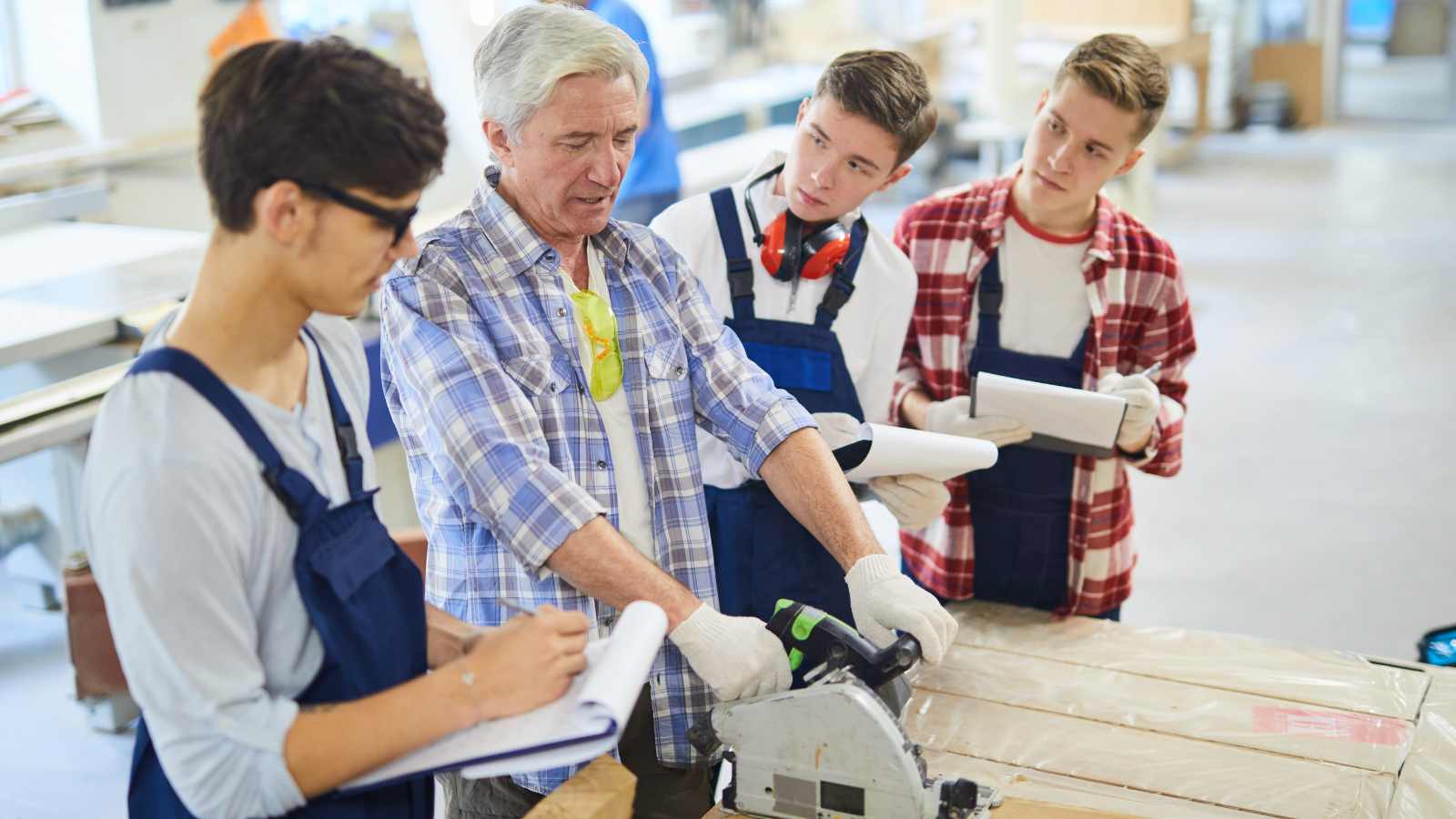
For Baby Boomers, shop class was a key experience. Students worked with wood, metal, or learned to fix cars. These classes introduced them to skilled trades, offering good jobs without needing a college degree.
But vocational classes like shop have mostly disappeared from public schools. Deloitte predicts the U.S. will be short 2 million skilled workers by 2030. As schools focus more on academics and college prep, fewer students learn practical trades, even though these jobs are still in demand.
As Marc Tucker, President of the National Center on Education and the Economy, notes: “The decline of vocational education in secondary schools has contributed directly to the lack of skilled labor in America.”
Typing

In the past, typing was a must for most office jobs. Students learned to type on manual typewriters, which took real skill and accuracy. Many people still remember this practice fondly.
Today, typing is taught mainly through a few digital literacy lessons, with more focus on speed than proper technique. Now, quick texting and digital communication have replaced careful typing. Most teens wouldn’t know how to use a manual typewriter.
This change may look like progress, but it has taken away the discipline and focus that typing once taught, skills that helped students get ready for work.
Cursive Handwriting
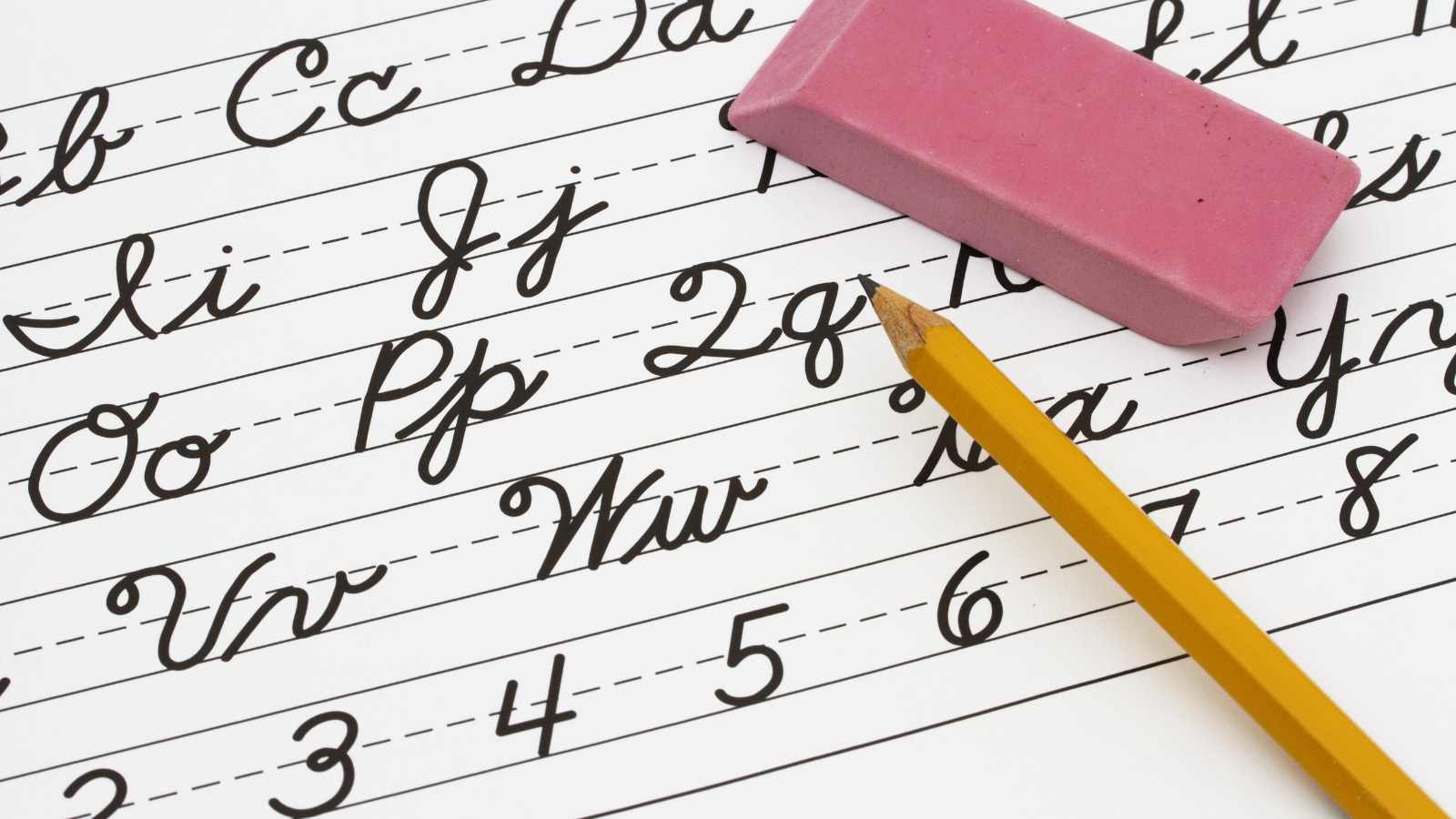
How many people today can still read cursive? Most younger people can’t. Cursive used to be a basic skill taught in elementary school. Baby Boomers spent hours learning to write neatly and clearly.
Today, cursive is almost gone from most classrooms. With digital devices everywhere, students type more than they write by hand. Still, handwritten notes feel more personal. Studies show writing by hand helps the brain in ways typing does not. Yet, this important skill is being lost.
This shows we may be losing more than a way of writing; we could also be missing out on a valuable mental exercise.
The Dewey Decimal System & Card Catalogs – Analog Research vs. Digital Search. Before Google, libraries used the Dewey Decimal System to organize books. Students spent hours learning to use card catalogs, understand the Dewey system, and find books on the shelves.
Today, students don’t use card catalogs or do much hands-on research. Google and digital libraries do most of the work. This is faster, but it removes the critical thinking needed to search for information in person. In the past, finding books taught students about organizing knowledge. Now, information is just a few clicks away, and students rarely see how it’s organized.
Bookkeeping and Checkbook Balancing

Do you remember learning to balance a checkbook in school? For Baby Boomers, financial literacy was a key part of education. They learned basic budgeting, how interest works, and how to balance a checkbook—skills that are still useful today.
Now, most schools don’t teach basic financial literacy. More than 60% of U.S. students don’t get personal finance education, even though these are the skills many young adults struggle with after graduation.
Financial experts say the lack of financial literacy is a growing problem. Students who don’t learn basic budgeting and planning may not be ready for adult life. Maybe schools should reconsider how important it is to teach these skills, since managing money is so crucial.
Debate and Public Speaking
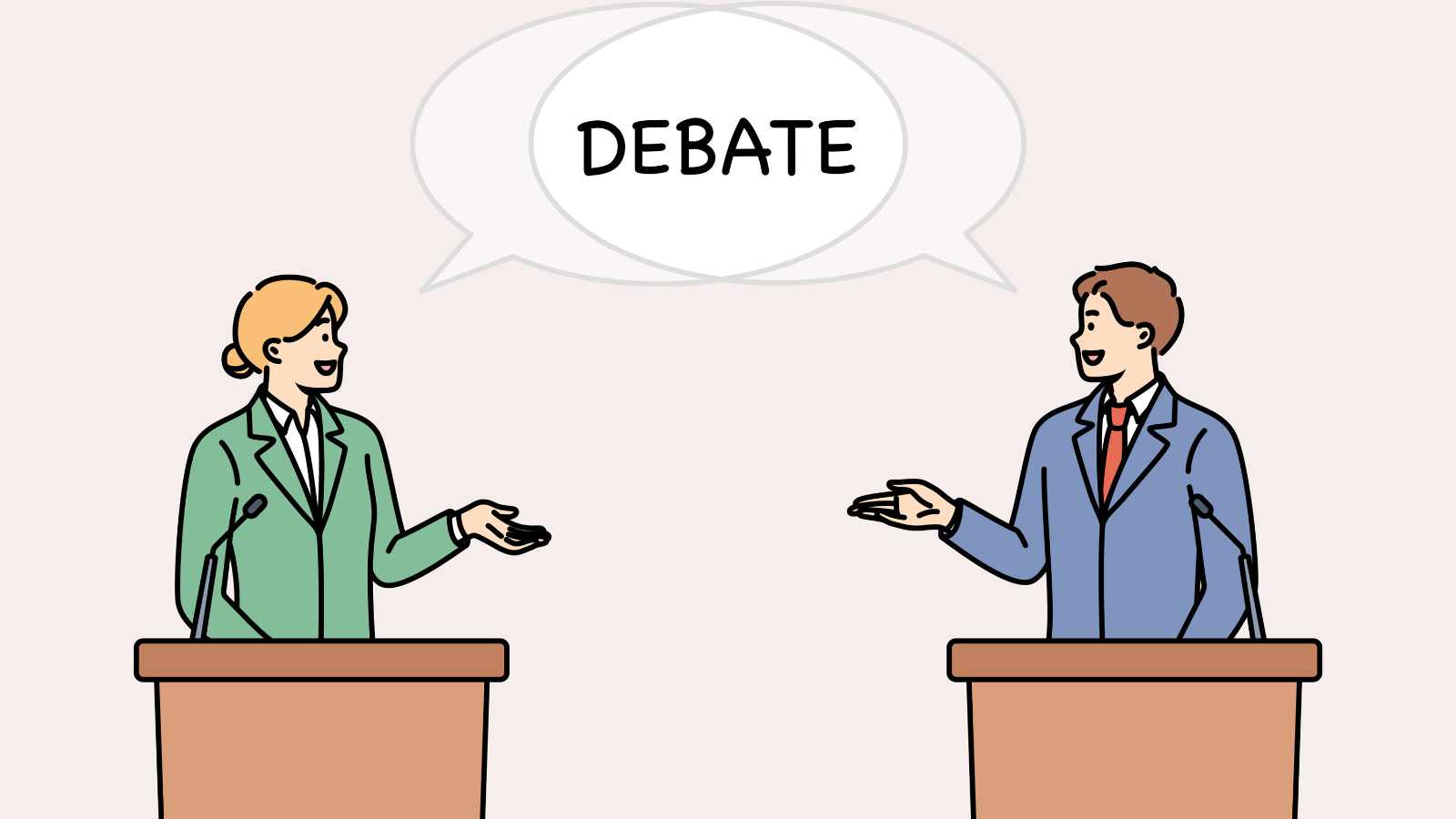
Baby Boomers learned more than just facts; they learned how to make their case. Debate and public speaking were important parts of school. These classes taught students to argue, think critically, and speak confidently.
Now, debate and public speaking are often just electives, if they’re offered at all. Schools focus more on academic subjects that can be tested. Even though critical thinking and communication are very important, students rarely get to practice them in class.
This is a big missed chance, especially since communication skills matter so much today. With fewer debate classes, many students are less ready to take part in respectful discussions, which is an important skill now.
The Missing Pieces of Modern Education

/123rf
What do these lost subjects say about today’s education? While we’ve
improved in digital skills and testing, we’ve lost some basic skills that used to help students become independent and well-rounded.
improved in digital skills and testing, we’ve lost some basic skills that used to help students become independent and well-rounded.
As we focus on making classrooms more tech-savvy, we should ask if we’re losing something important by dropping these subjects. Digital skills are important, but so are practical skills like cooking, budgeting, and public speaking. These may matter now more than ever.
Some schools are starting to bring back these old subjects, like financial literacy classes, career and technical education, or creative problem-solving courses. For now, though, parents and communities often have to fill in the gaps.
The real question is whether bringing back these practical skills could help prepare future generations for life after school.
Key Takeaways
As we continue advancing into the digital age, it’s important not to lose sight of the skills that helped earlier generations thrive. Maybe it’s time to rethink what really matters in education—because the lessons from the past still have a lot to offer.
As we continue advancing into the digital age, it’s important not to lose sight of the skills that helped earlier generations thrive. Maybe it’s time to rethink what really matters in education—because the lessons from the past still have a lot to offer.