The post 8 Things Baby Boomers Are Quietly Sad About but Rarely Talk About first appeared on Crafting Your Home
There’s something bittersweet about getting older that doesn’t always make its way into everyday conversation. One moment, you’re looking through old family photographs, smiling at the memories. The next, you realize how much life has changed since those pictures were taken.
For many Baby Boomers, born between 1946 and 1964, growing older brings pride, gratitude, nostalgia, and occasional sadness. It’s not necessarily about being unhappy with life. Sometimes, it’s simply about missing people, places, and experiences that once felt permanent.
Research suggests older adults can experience greater emotional stability as they age. Still, certain changes can carry an unexpected emotional weight.
Here are eight experiences some Baby Boomers may find particularly bittersweet.
Watching Their Children Grow Up and Need Them Less

Remember when the house was filled with school bags, noisy dinners, and children asking for help with everything? Now those children have careers, families, and responsibilities of their own. Their independence is something to celebrate, but it can also leave parents missing the little moments they once took for granted.
According to Pew Research Center, 36% of surveyed parents of young adults said they communicated with their children less frequently than they wanted. That doesn’t mean their relationships are unhappy. In fact, most surveyed parents rated their relationships positively.
Sometimes, parents simply miss being included in ordinary moments, like hearing about a difficult workday or sharing a spontaneous afternoon together. They don’t necessarily want their children to become dependent again. They just miss being part of the everyday story.
Realizing Some Friendships Have Quietly Disappeared
One of the strangest parts of growing older is realizing that some friendships ended without an argument, disagreement, or even a proper goodbye. The coworker you used to share lunch with every Friday? You haven’t spoken in years.
The neighbors who regularly visited for coffee? They’ve moved away. And that friend who always remembered your birthday? Somehow, you’ve both lost touch.
A 2024 University of Michigan poll found that 34% of adults aged 50 and older considered maintaining friendships harder than when they were younger. Interestingly, 75% still felt they had enough close friends.
The sadness isn’t always about having nobody around. Sometimes, it’s about remembering people who once played important roles in your life but gradually became distant. A smaller circle can still be fulfilling, even when certain friendships are deeply missed.
Missing the Family Traditions That Once Held Everyone Together
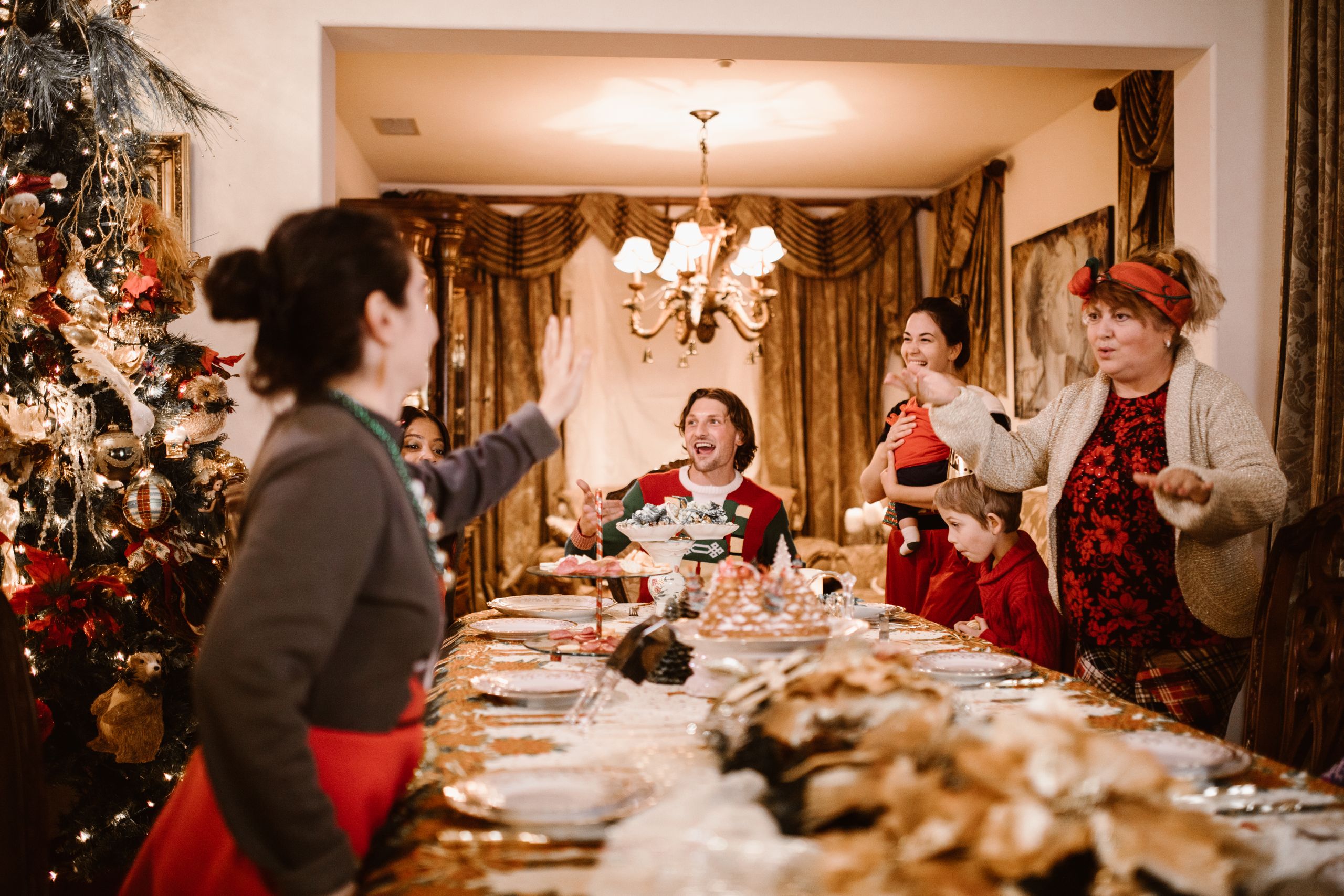
Thanksgiving dinner at Grandma’s house. Sunday afternoons around the kitchen table. Christmas mornings when everyone knew exactly where they belonged. For some Baby Boomers, these traditions weren’t merely activities. They were the moments that made family life feel familiar.
Then circumstances changed. Children established their own traditions. Relatives moved away. The person who always hosted Christmas passed the responsibility to someone younger.
Research on family rituals, including a review published in the Journal of Family Psychology, explains how repeated traditions help families express shared identity and meaning. That’s why a smaller Thanksgiving dinner might stir unexpected emotions.
The new celebration isn’t necessarily worse. Sometimes, the sadness comes from remembering the people who once occupied those chairs and realizing those gatherings can never happen in quite the same way again.
Feeling Like Their Experience Matters Less Than It Once Did
Imagine spending decades building a career, raising children, solving problems, and learning valuable lessons. Then suddenly, people begin treating your experience as outdated. Perhaps a younger employee dismisses your suggestions. A family member assumes you can’t understand new technology.
Someone makes an important decision without asking for your opinion. These moments can feel surprisingly personal. A University of Michigan national poll found that 45% of adults aged 50–80 reported experiencing interpersonal ageism sometimes or often.
Of course, younger generations have valuable knowledge, too. Respecting experience doesn’t mean accepting every piece of advice. But for someone who once felt essential at work or home, being overlooked can create a quiet sense of loss. Sometimes, all they want is the opportunity to contribute something meaningful again.
Watching Familiar Neighborhoods Become Unrecognizable
There’s something comforting about walking into a familiar store and being greeted by someone who knows your name. Maybe it’s the diner where you met friends every Saturday or the neighborhood bakery that’s been around for decades. Then one day, the business closes.
The building gets renovated, longtime neighbors move away, and familiar routines gradually disappear. Sociologist Stacy Torres has studied how neighborhood businesses and informal gathering places help older residents maintain social connections and a sense of belonging. For some Baby Boomers, losing these places means more than losing convenient shopping or dining options.
It can feel like losing small pieces of personal history. Neighborhoods naturally change, and new developments can bring welcome improvements. Still, it’s understandable to miss the familiar faces and everyday interactions that once made a community feel like home.
Discovering Retirement Isn’t Always What They Imagined

For decades, retirement was supposed to be the reward. No more early alarms. No demanding supervisors. Finally, enough time for hobbies, travel, and leisurely mornings. But retirement doesn’t always unfold exactly as planned.
Some people miss their coworkers, daily routines, and the satisfaction of feeling productive. Others discover that their retirement budget doesn’t stretch as far as expected. According to the 2026 EBRI Retirement Confidence Survey, 41% of surveyed retirees reported spending more than they expected.
Yet 66% agreed they were enjoying the retirement lifestyle they had envisioned. Both experiences can exist together. Someone might genuinely appreciate retirement while missing the purpose that came from professional responsibilities.
The challenge isn’t always finding something to do. Sometimes, it’s discovering a new identity beyond the career that shaped much of adulthood.
Related: 9-things-baby-boomers-were-promised-about-retirement-that-dont-always-hold-up
Wishing They Had Spent More Time With Loved Ones
Looking back on life can bring immense pride, especially when years of hard work created stability and opportunities for a family. But hindsight also raises difficult questions. What if you’d taken that family vacation instead of accepting another work assignment?
What if you’d attended more school performances or spent another afternoon visiting your parents? Research on regret identifies career, education, relationships, and parenting among the areas people commonly reconsider. That doesn’t mean Baby Boomers universally regret working too much.
For many, long working hours were necessary to support their families. The emotional complexity comes from recognizing that a decision can have been reasonable at the time, even while leaving something important behind. Sometimes, people aren’t wishing they had lived entirely different lives. They’re simply wishing they could revisit a few ordinary afternoons.
Knowing Some of Life’s Best Moments Won’t Happen Again
Perhaps the most emotional realization comes when familiar experiences become memories. You can revisit an old family home, but the people who gathered there may no longer be around. You can listen to a favorite song, but the person you once danced with might be gone.
You can prepare your mother’s signature recipe, but you can’t call her to ask whether you’ve added enough seasoning. The National Institute on Aging explains that grief is deeply personal and can remain part of life even as people continue finding happiness. For some Baby Boomers, this is the hardest part of growing older.
It’s not that the present lacks joy. It’s that certain moments from the past are irreplaceable. A family gathering can still be wonderful while quietly reminding you of who’s missing.
The Beauty and Sadness of Looking Back
Growing older doesn’t automatically mean becoming lonelier, less fulfilled, or unhappy. Research by psychologist Laura Carstensen and colleagues suggests emotional well-being and stability can actually improve with age. But that doesn’t erase the bittersweet feelings that accompany life’s changes.
Some Baby Boomers miss familiar traditions, old friendships, meaningful routines, and the people who helped shape their lives. Often, these feelings don’t require dramatic solutions. A thoughtful phone call, asking someone to share an old story, preserving a family tradition, or simply including an older relative in everyday plans can carry real meaning.
The past can’t be recreated, but the people who remember it still have stories, wisdom, and love to share today. And sometimes, being remembered, included, and appreciated matters just as much as remembering the good old days.
If you like what you just read, then subscribe to our newsletter and follow us on social media