These Top Travel Destinations Are Now Restricting Older Boomers

Ever planned a dream trip — then discovered you might actually get a “you’re too old for this” vibe at the gate? If you thought travel was ageless, think again. Some once‑welcoming bucket‑list spots are quietly tightening the ropes for older visitors. I’ve poked around the facts, and yeah — it’s happening more than you’d expect.Let’s talk about what’s going on, who’s getting affected, and how to still travel smart as you age.
Aging Tourists — A Big Market, But Also a Challenge
First: seniors and boomers aren’t a fringe group. In fact, the older‑traveler cohort is often seen as a key growth segment in tourism. A global report on “senior tourism” notes that with rapidly greying populations around the world, demand from people over 60 is rising steadily.
Still, age brings complexity. A 2021 study found that people 60+ face greater travel difficulties due to mobility, stamina, or health issues, which can make certain vacations risky or impractical.
That tension — booming interest + fundamental limitations — creates a tricky balancing act for popular tourist destinations.
Why Some Destinations Are Clamping Down on Older Visitors
Too Many People, Not Enough Infrastructure
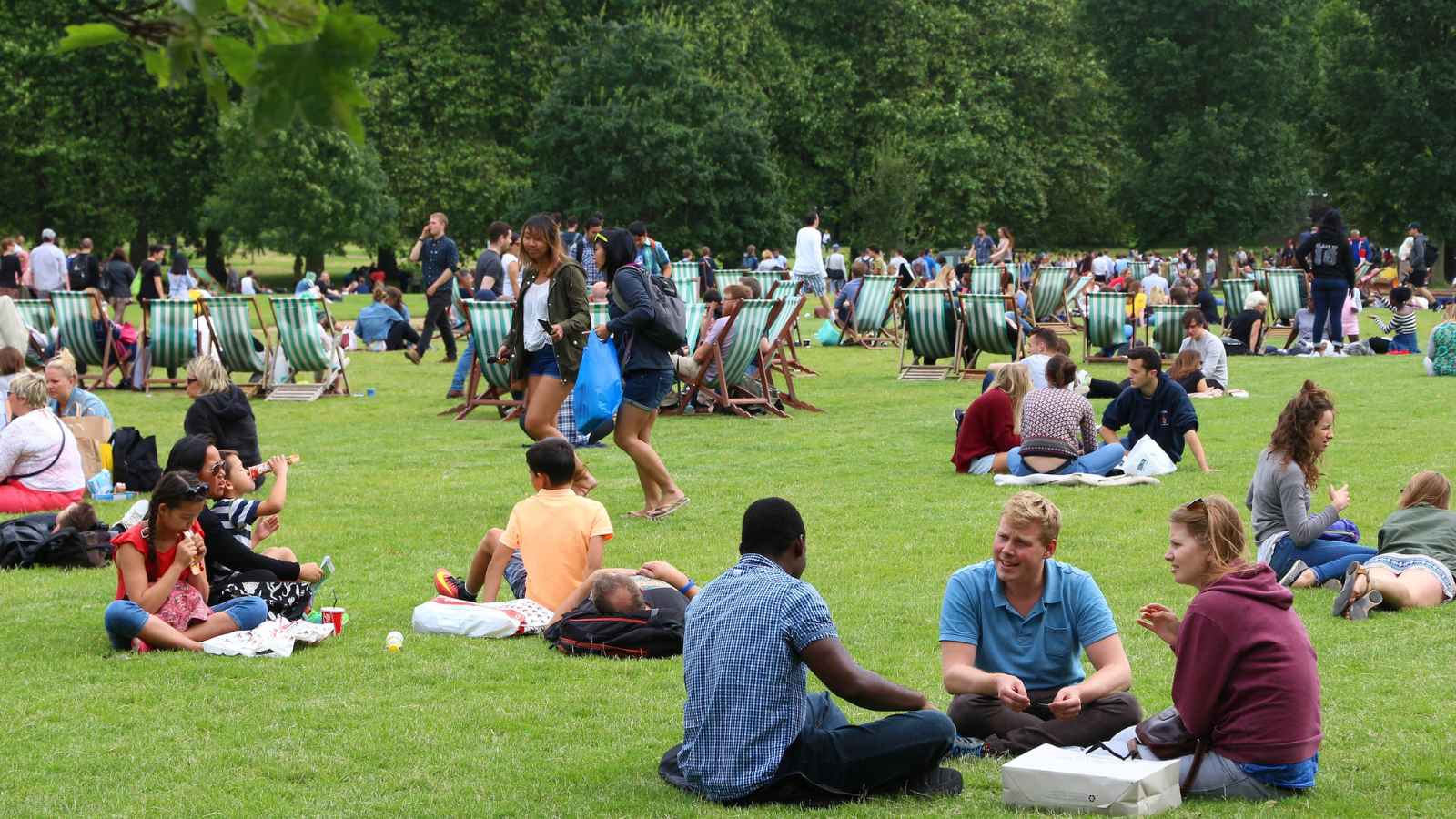
Many of the world’s favorite spots now suffer from overtourism — massive crowds, worn‑out trails or facilities, and increased safety risks. Local authorities sometimes see restricting access (or funneling only more physically capable folks) as the easiest way to protect heritage sites and minimize accidents.
Safety and Accessibility Concerns
Older travellers tend to be more vulnerable to altitude sickness, long hikes, steep climbs, or uneven terrain. That’s especially true when a destination is remote or physically demanding. Studies show that when tourism providers don’t adapt infrastructure for older guests, many seniors avoid travel altogether.
So… tightening the rules feels like a compromise between keeping a site accessible and avoiding medical emergencies.
Real Examples — Places That Are Becoming Less “Boomer‑Friendly”
Machu Picchu, Peru
You’d think this iconic Inca citadel welcomes everyone — and generally, it does. There’s no official age restriction, and even visitors as old as 80 sometimes make the trip.
But — there’s a catch. In recent years, the governing authorities have drastically reduced daily visitor numbers (to preserve the ruins) and redesigned access paths and circuits. The limit varies by season: 5,600 daily visitors during peak season (May to September) and 4,500 during low season (January to April and October to December).
What does that mean for older tourists? It means slower‑paced routes might get replaced by circuits that demand more stamina or fast walking. The more relaxed, senior‑friendly paths are not always guaranteed — and that can make a big difference if you’re not springy anymore.
Senior Travel Worldwide — Trends Suggest Growing Barriers
Despite representing a growing share of the population, seniors remain noticeably underrepresented in Europe’s tourism scene — and the gap is widening. Eurostat data from 2022 revealed that more than half of EU residents aged 65 and above skipped travel altogether, compared with just a third of younger adults.
Even when they did venture out, seniors accounted for only one in four tourism nights, underscoring an apparent participation shortfall. By 2024, global surveys showed that 37% of all travelers were seniors. Yet, enthusiasm among the 50+ crowd had dropped sharply, squeezed by rising costs and lingering health concerns.
As destinations begin tightening rules rather than adapting to mobility and wellness needs, older boomers are finding themselves increasingly sidelined from the very experiences they once helped define
What This Means If You’re a Boomer — And You Still Want to Travel

Okay — I don’t want to kill your wanderlust. There are still tons of places out there ready for seasoned travelers. But if you’re booking that next epic trip, here’s what I’d do if I were you:
- Check the fine print ahead of time. Look for visitor‑limit rules, circuit changes, and physical‑fitness requirements for older age groups.
- Be honest about stamina and mobility. Even if there’s no official “age limit,” the walking, altitude, or climate might still hit harder than you expect.
- Plan for flexibility. Choose tours with optional easy‑route alternatives or shorter circuits instead of full‑on hikes.
- Consider off‑peak or less‑crowded places — you’ll avoid both crowd stress and physical strain.