


At first glance, mysterious countries often look like fascinating travel destinations filled with hidden cultures, untouched landscapes, and rare traditions.
But behind the curiosity and viral “weird facts” headlines lies a more complicated truth. Many of these nations are not just mysterious because of culture or geography; they are shaped by isolation, political control, economic struggle, environmental pressure, or limited global transparency.
In 2026, as global travel content spreads faster than ever online, the line between “interesting” and “misleading” has become increasingly blurred.
What is often presented as fun trivia can mask deeper realities about how people actually live in some of the world’s least understood countries.
Mystery Is Often a Symptom of Isolation, Not Wonder
Many of the countries labeled “mysterious” are not intentionally mysterious in a romantic sense. Instead, their limited global visibility often comes from restricted media access, government control, geographic isolation, or economic underdevelopment.
For example, nations with tight information control systems or limited press freedom often appear frequently in “strange facts” lists. But what is framed as a mystery is sometimes simply a lack of accessible reporting.
Similarly, remote island nations or landlocked regions with minimal tourism infrastructure are often turned into internet curiosities rather than fully understood societies.
This creates a distorted global image in which complexity is reduced to “weird facts,” stripping away context on politics, daily life, and structural challenges.
North Korea
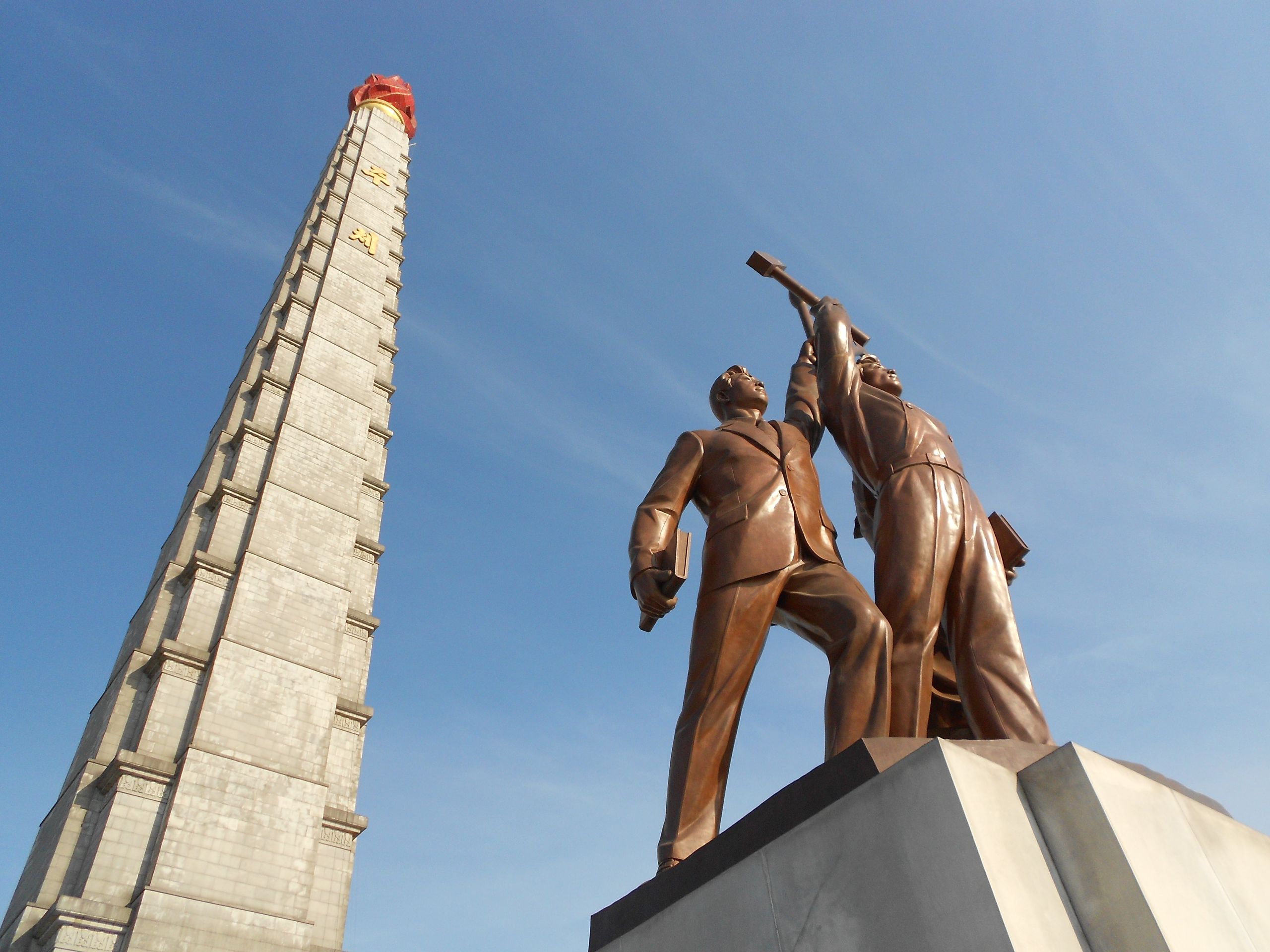
North Korea is frequently labeled the world’s most mysterious country, and for good reason. It remains one of the most isolated nations on Earth, with tightly controlled tourism, limited external communication, and strict state-managed information flow.
Visitors can only enter under approved guided tours, and movement inside the country is heavily restricted. What the outside world sees is carefully curated, which fuels global curiosity but also misunderstanding.
While it is often reduced to unusual headlines, the reality is more serious: economic hardship, sanctions, restricted freedoms, and deep political control define everyday life far more than any “weird facts” list suggests.
The mystery surrounding North Korea is not just cultural, it is structural.
Bhutan
Bhutan is often described as a peaceful Himalayan kingdom focused on “Gross National Happiness.” While this branding has attracted global attention, it also hides a tightly controlled tourism system.
Independent travel is restricted, and visitors must book through approved operators, limiting spontaneous cultural exchange. The country carefully manages its global image, prioritizing controlled exposure over open access.
Although Bhutan is admired for its environmental policies and cultural preservation, critics argue that its mystery is partly manufactured through regulation of tourism and information flow.
Turkmenistan
Turkmenistan is often ranked among the world’s most closed countries, with strict government control over media and limited external reporting.
Public information is scarce, and access to international journalism is highly restricted. As a result, global understanding of the country is fragmented, often based on rare official releases or indirect accounts.
This lack of transparency contributes to its reputation as “mysterious” and also raises concerns about governance, human rights, and information control.
Cuba and Laos
Countries like Cuba and Laos often appear in “mysterious facts” lists due to their political systems and limited integration into global media ecosystems.
Cuba, despite being a popular tourist destination, still operates under a tightly managed political and economic system that shapes what visitors see and experience. Local narratives are often filtered through official channels.
Laos, meanwhile, remains less globally visible due to lower tourism volume and limited international media presence. Its economic development challenges and rural geography contribute to its reduced global footprint.
In both cases, “mystery” is less about the unknown and more about controlled or limited storytelling.
Small Island Nations Turned Into Internet Curiosities
Some of the world’s most “mysterious” countries are actually small island nations such as Comoros and Suriname, as well as Pacific microstates.
These places are often reduced to quirky statistics, population density, rare wildlife, or unusual geography. While these facts may be true, they often overshadow serious challenges such as climate vulnerability, limited infrastructure, and economic dependence.
For example, low-lying island nations face existential threats from rising sea levels, yet global attention often focuses more on novelty than survival risks.
This imbalance creates a shallow understanding of regions that are far more complex than viral content suggests.
The Problem With “Weird Facts” Culture
Online content that compiles “strange facts” about countries has become extremely popular because it is easy to consume and highly shareable.
But this format often removes context. Countries are reduced to single statistics, obesity rates, population density, language diversity, or unusual laws, without explaining why those conditions exist.
For example, a country may appear on a list for having extreme demographics or environmental conditions, but the deeper causes, colonial history, economic systems, climate pressures, or policy decisions, are rarely included.
This creates a simplified global map in which nations are entertainment categories rather than real societies.
Hidden Challenges Behind the Headlines
Many countries labeled as “mysterious” share underlying issues that are far more important than their viral facts suggest.
These can include: Political isolation or limited press freedom; Economic inequality or underdevelopment; Geographic remoteness or infrastructure limitations; Climate vulnerability, especially for island nations; and Restricted international access or tourism controls.
When these factors are ignored, the result is a distorted global narrative where complexity is replaced by curiosity-driven stereotypes.
Why These Labels Matter More Than They Seem
Calling a country “mysterious” may sound harmless, but it shapes how global audiences understand entire populations.
It can turn real societies into abstract ideas, making it easier to overlook serious issues such as governance challenges, human rights concerns, or environmental risks.
It can also reduce cultural identity to entertainment, where traditions and daily life are viewed as curiosities rather than lived realities.
In some cases, it even discourages deeper engagement because mystery is treated as a substitute for understanding.
The Reality Behind the “Mysterious Country” Label
When examined closely, most of the world’s so-called mysterious countries are not mysterious at all.
They are simply less visible.
Their stories are shaped by access, media coverage, geography, and politics, not by inherent strangeness or exoticism.
The real issue is not that these countries are unknowable, but that global audiences are often only given fragments of the truth.
A More Honest Way to View the World
Instead of categorizing countries as “mysterious,” a more accurate approach is to recognize uneven visibility.
Some nations dominate global headlines, while others remain underreported or misunderstood. That imbalance creates the illusion of mystery where there is simply limited information.
Understanding this difference is important in a world where content travels faster than context. Because behind every “weird fact” is a real place, with real people, real challenges, and real histories that deserve more than a headline.


