


This article was originally published on Crafting Your Home. A human contributor also wrote and edited the post
Sharing a home means sharing more than rent. These everyday roommate rules can prevent small annoyances from turning into major conflicts.
Living with a roommate can be a practical way to reduce housing costs, divide household expenses, and avoid the loneliness that sometimes comes with living alone. For many people, having a roommate can even lead to a lasting friendship. But sharing a home with another person also requires patience, communication, and a willingness to compromise.
The lease might explain when rent is due, who handles certain repairs, and what happens if someone moves out. What it usually doesn’t explain are the everyday expectations that come with sharing a kitchen, bathroom, living room, and refrigerator. Those details become the unspoken rules of living together, and ignoring them can create tension surprisingly quickly.
Clean Up After Yourself
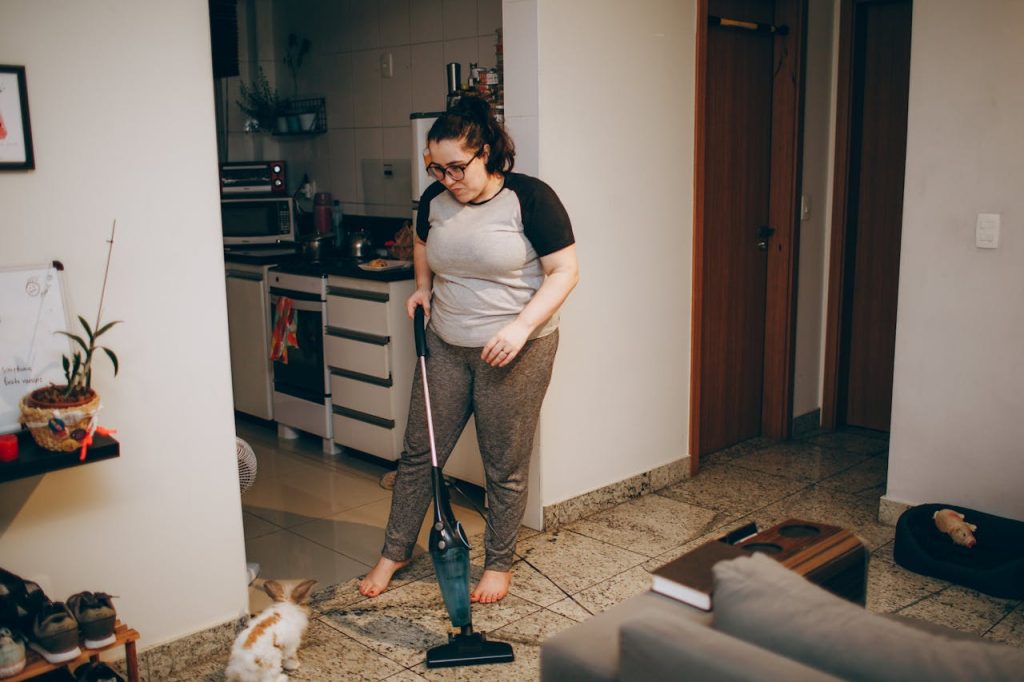
One of the biggest unspoken rules is simple: clean up after yourself. A plate sitting in the sink for a few hours probably won’t cause a major problem. But when dirty dishes, food containers, laundry, or other clutter begin taking over shared spaces, frustration can build.
Nobody wants to feel as though they’re responsible for cleaning up after another adult. You don’t have to keep the home spotless every minute, but common areas should generally be left in a condition everyone can use comfortably.
Ask Before Borrowing Personal Things
Another important rule involves borrowing personal belongings. Sharing a home doesn’t mean everything inside it automatically becomes communal property. Clothes, electronics, toiletries, kitchen equipment, and other personal items should generally be left alone unless you’ve been permitted to use them.
Even something as small as borrowing a phone charger can become irritating when it happens repeatedly without asking. A quick question before borrowing something can prevent an unnecessary disagreement later.
Respect Quiet Hours
Noise is another area where roommates often discover that they have very different expectations. One person might enjoy watching movies late at night, while another needs to wake up early for work. Someone might prefer listening to music while cooking, while their roommate tries to study or sleep.
Establishing reasonable quiet hours can make a major difference. It doesn’t mean everyone has to live in complete silence, but it does mean recognizing that the home belongs to more than one person.
Communicate About Guests

Guests can create a similar issue. Having friends or family visit is normal, but unexpected visitors can make a roommate feel uncomfortable in their own home. A large gathering or overnight guest can be particularly disruptive if the other person wasn’t expecting it.
Roommates don’t necessarily need to ask permission every time someone comes over, but giving advance notice about parties, large groups, or overnight visitors is usually a basic courtesy. Communication helps everyone plan and prevents unnecessary tension.
Keep Food Boundaries Clear
Food is another subject that deserves clear boundaries. Unless roommates have specifically agreed to share groceries, it’s generally safest to assume that food belongs to the person who purchased it.
Eating someone’s leftovers or using their expensive groceries without asking might seem like a small offense, but repeated incidents can quickly create resentment. Some roommates are happy to share everything, while others prefer keeping groceries completely separate. Either arrangement can work as long as everyone understands the agreement.
Replace What You Finish

The same principle applies to household supplies. Toilet paper, dish soap, laundry detergent, paper towels, and cleaning products can seem insignificant until one person repeatedly uses the last of something without replacing it.
If you finish an item that everyone relies on, replacing it or adding it to a shared shopping list is a small gesture that can prevent a much bigger source of frustration. It also shows you’re paying attention to the household’s needs, not just your own.
Be Clear About Money
Money should also be discussed openly. Rent and utilities are obvious expenses, but smaller costs often pop up throughout the month. Someone buys cleaning supplies. Another person pays for internet. Someone else picks up household necessities from the store.
Without communication, it can become difficult to remember who owes what. Tracking shared expenses and agreeing in advance on how to split them can eliminate many awkward conversations.
If someone expects to be late with their portion of rent or utilities, communicating that as early as possible is also important. Financial surprises can quickly damage trust between roommates.
Don’t Keep a Secret Scoreboard

One of the most important roommate rules is not to keep a secret scoreboard. It’s easy to start counting every time you take out the trash, clean the bathroom, or buy household supplies.
You might begin thinking, “I’ve done this three times, and my roommate has only done it once.” Noticing an imbalance is reasonable, but silently keeping score can make the relationship increasingly hostile.
Instead, recurring problems are usually better handled through a direct but respectful conversation. If one person always takes out the trash, for example, the roommates can agree to alternate the responsibility. If cleaning becomes an issue, they can set up a simple schedule.
Respect Personal Space
Living together doesn’t mean roommates have to spend all their free time together. One person may want to socialize after work, while the other may prefer to close their bedroom door and have a quiet evening.
That doesn’t necessarily mean there’s a problem with the relationship. Respecting someone’s need for privacy can actually make shared living more comfortable.
A roommate should be able to enjoy time alone without feeling guilty or pressured to socialize. Personal boundaries matter in a shared home as much as they do anywhere else.
Talk About Problems Before They Explode

When disagreements do happen, addressing them early can prevent them from becoming much bigger. A small annoyance that is ignored for weeks can eventually turn into anger over every little thing.
Instead of waiting until you’re frustrated enough to argue, bring up the issue calmly and explain what is bothering you. Specific conversations are often more productive than accusations.
Saying, “Could we agree to keep the kitchen clean after dinner?” gives someone a clear expectation. Saying, “You never clean anything,” is much more likely to make them defensive.
The Golden Rule of Roommate Living
Ultimately, no single formula makes you the perfect roommate. People have different schedules, personalities, cleanliness standards, and lifestyles. Some roommates become close friends, while others share a home and maintain a respectful relationship. Both situations can work.
The most important rule is to remember that the person across the hallway or sitting on the other side of the living room also considers the place home. Respect their belongings, schedule, privacy, and comfort just as you expect them to respect yours.
Most roommate conflicts aren’t caused by one enormous disagreement. They often result from small frustrations that accumulate.
The unspoken rules of living with roommates may never appear in a lease, but following them can make shared living considerably easier. Clean up after yourself, communicate about guests and money, respect personal boundaries, replace what you use, and speak up when something isn’t working. A little consideration can go a long way toward turning a shared house into a home that everyone can enjoy.
Other post you might like:
- Taylor Frankie Paul Wins Stalking Case Against Dakota Mortensen’s Roommate as Her Legal Battles Keep Piling Up.
- Before You Share a Home, Have These 7 Conversations That Can Make or Break Your Relationship.
- 6 Conversations Couples Need to Have Before Signing That Lease Together
If you like what you just read, then subscribe to our newsletter and follow us on social media


