The Quest for Life on Mars: 10 Groundbreaking Discoveries
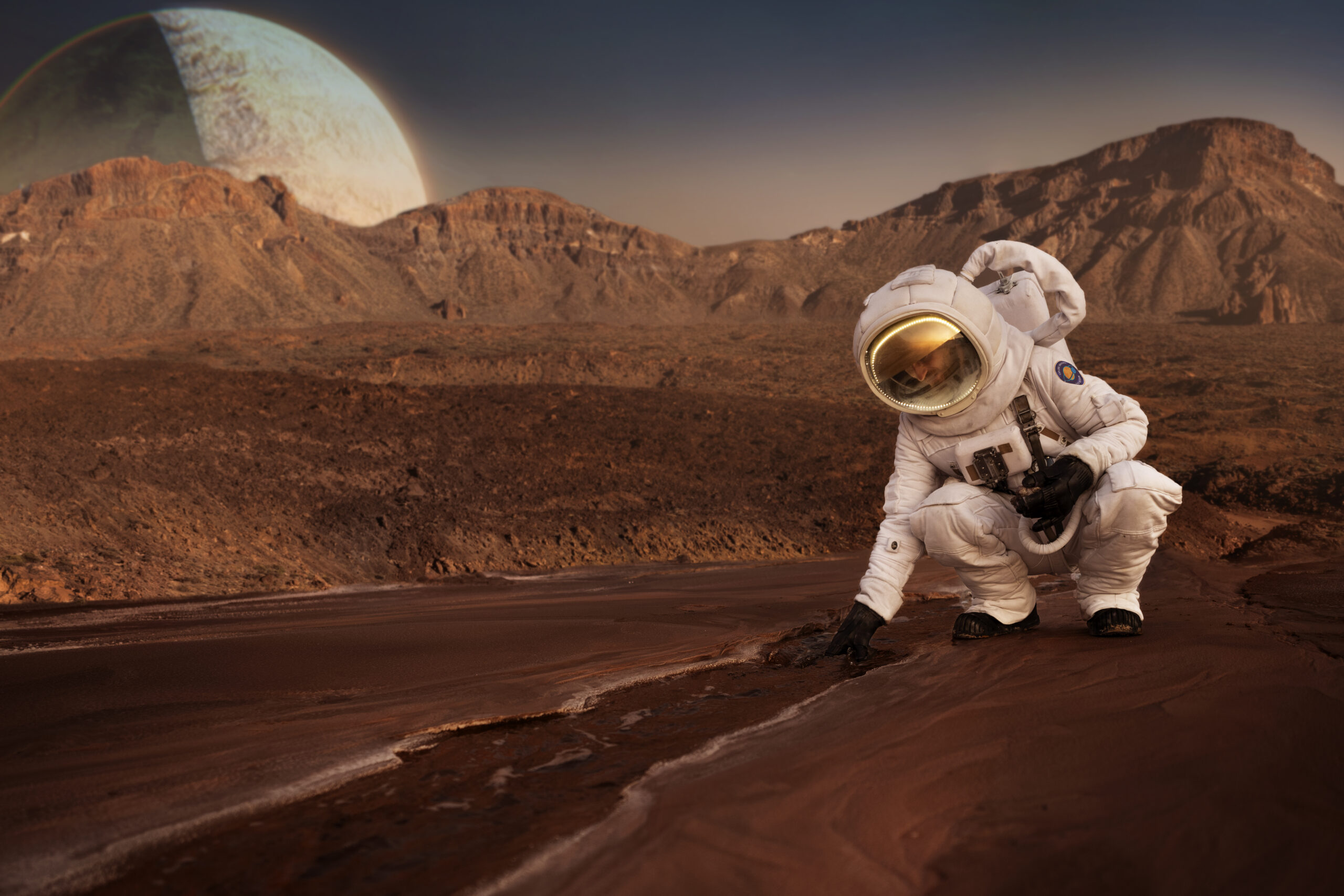
Mars, the fourth planet from the Sun, has long captivated human curiosity. The question of whether life exists or ever existed on Mars is perhaps the most profound inquiry in modern science.
Recent discoveries and advancements in space exploration are progressively unraveling the secrets of Mars, with the tantalizing possibility that life may have once thrived, or may still be hidden beneath its desolate surface.
In this article, we will explore 10 groundbreaking discoveries that bring us closer to understanding life on Mars.
Evidence of Liquid Water in Mars’ Ancient Past
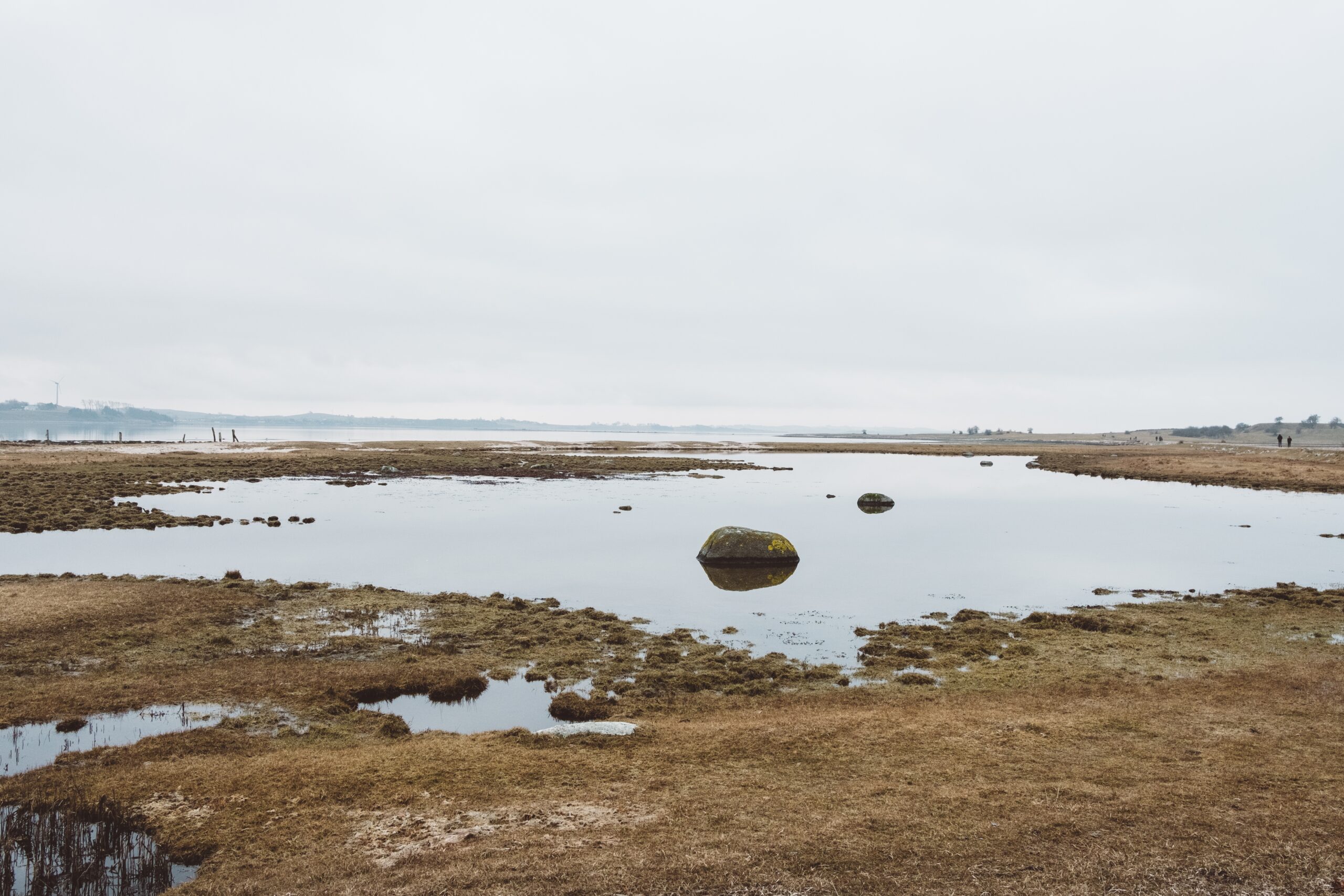
One of the most compelling pieces of evidence pointing to the possibility of life on Mars is the discovery of ancient liquid water. Geological features such as river valleys, lakebeds, and deltas suggest that Mars once had a much wetter and more Earth-like environment.
Research indicates that liquid water flowed across its surface billions of years ago, potentially creating the ideal conditions for life.
Recent studies have provided more evidence of ancient rivers and lakes. Mars’ Gale Crater, once home to a large lake, has been identified as a critical location where water persisted far longer than scientists initially believed.
The discovery of water in various forms, such as brine and slush, raises the possibility that microbial life could have existed in these habitats. Researchers are now investigating whether Mars’ ancient water could have supported life.
The Presence of Methane on Mars
The detection of methane on Mars has sparked excitement among scientists, as methane is often a byproduct of biological processes on Earth. While methane can also be produced by geological activity, its presence in Mars’ atmosphere has led to theories that microbial life could still be responsible for its release.
In 2003, NASA’s Mars Express spacecraft detected seasonal fluctuations of methane in the Martian atmosphere, suggesting that some active process, whether biological or geological, is generating methane.
This discovery continues to fuel speculation that life may be present or once existed. The search for the origins of methane on Mars is ongoing, with missions like Perseverance and Curiosity providing new data.
The Discovery of Organic Compounds in Martian Soil
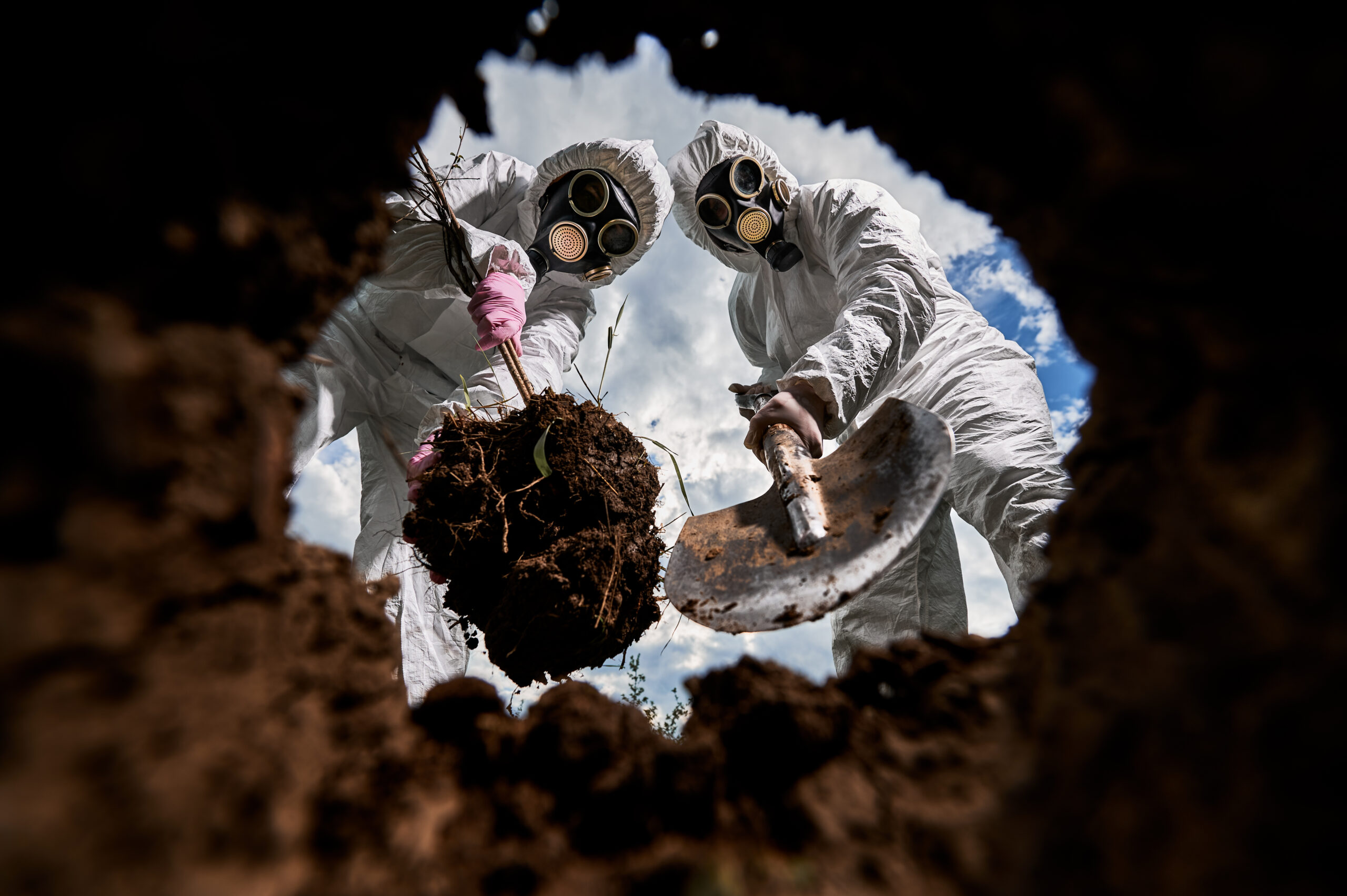
Organic compounds, the building blocks of life, have been detected on Mars by NASA’s Curiosity rover. In 2014, Curiosity found complex organic molecules in the soil of Gale Crater.
These compounds are carbon-based, a critical ingredient for life as we know it. The discovery was groundbreaking, as it suggested that Mars had the necessary chemistry for life to evolve.
The presence of organic molecules on Mars raises the intriguing possibility that, even if life did not originate on the planet, it could have been imported through comets, meteorites, or other cosmic phenomena.
Moreover, the discovery of these compounds prompts further investigations into Mars’ ancient environment, including whether it once had a hospitable atmosphere.
Signs of Ancient Martian Shorelines and Oceans
Mars wasn’t always a dry, barren world. Evidence from Mars’ surface, particularly from China’s Zhurong rover, reveals ancient shorelines and ocean deposits that suggest Mars once had large bodies of liquid water.
This discovery paints a picture of Mars as a potentially habitable world billions of years ago, with vast oceans that could have supported marine life.
Satellite images and rover data reveal deposits of materials typically associated with water, such as salts, which indicate that Mars was home to massive seas that covered much of its surface.
The presence of these ancient shorelines offers new insights into the planet’s climate history and increases the likelihood that life could have evolved in these conditions.
Martian Underground Water Reserves
Despite its dry surface, Mars has vast reserves of water hidden deep beneath its crust. Using seismic waves generated by “Mars-quakes,” scientists have detected the presence of water deep within Mars’ interior.
Estimates suggest that Mars has enough water to cover the planet’s surface to a depth of approximately one mile.
Although this water is currently inaccessible, it suggests that life may survive underground. If life once existed on Mars, it may have been sustained by these hidden water reservoirs, protected from the harsh surface conditions.
The discovery of underground water also opens the door to future human exploration, as these reserves could potentially be tapped for future missions.
Microbial Life Detection
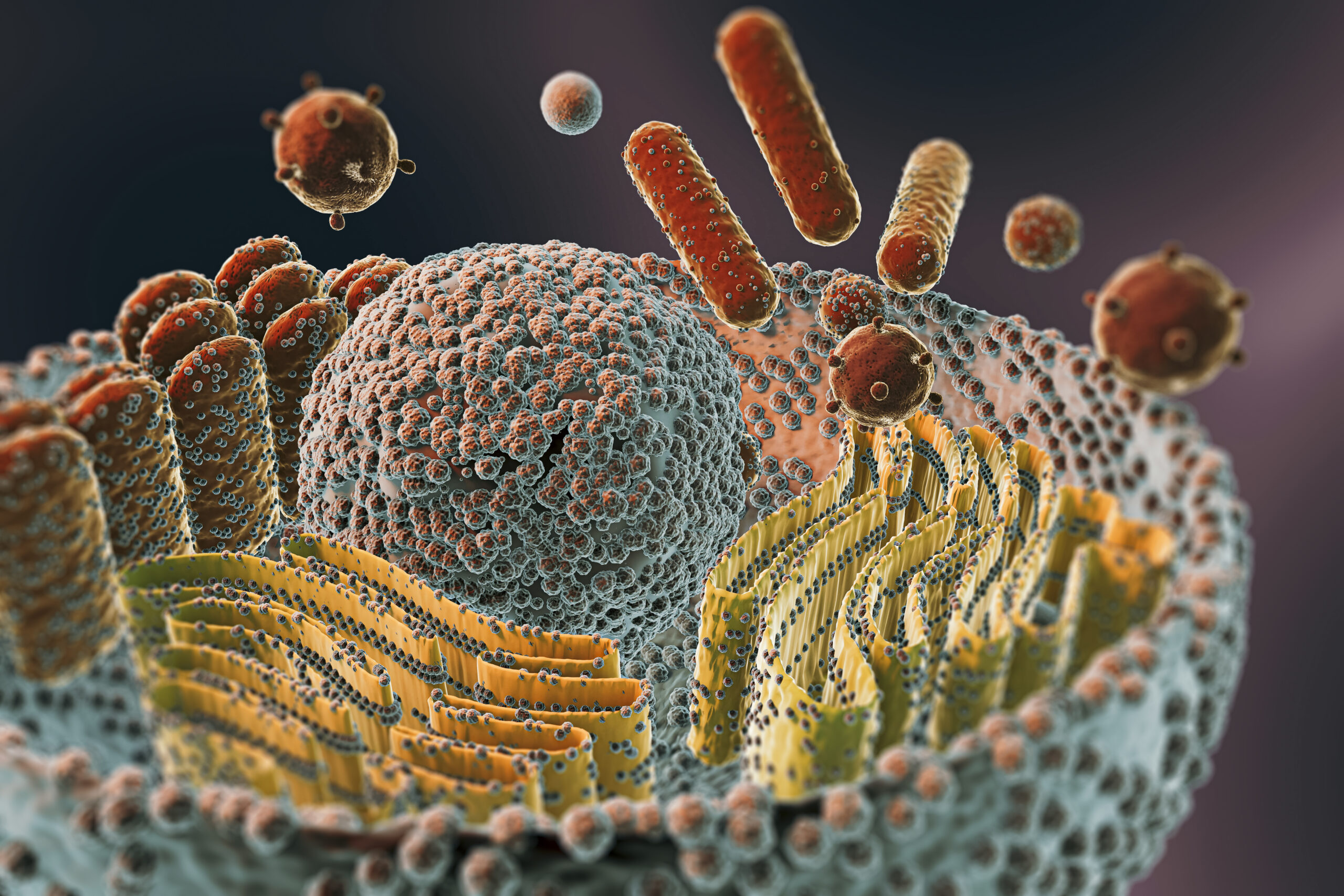
NASA’s Perseverance rover has been on Mars since 2021, searching for signs of past life. One of its most exciting discoveries involves the identification of strange formations on the Martian surface, which scientists have described as “leopard spots” and “poppy seeds.”
These formations, found in the Neretva Vallis riverbed, could indicate microbial life that once inhabited the red planet.
The Search for Martian Fossils
As scientists continue to search for evidence of life on Mars, they are focusing their attention on the planet’s deeper layers. Fossils, such as microbial remains, could be buried deep beneath the surface, shielded from the planet’s harsh conditions.
NASA’s rovers are using advanced drilling techniques to reach these layers and extract samples that may contain fossilized life forms.
In addition to searching for fossils, scientists are also focusing on searching for more complex molecules, such as lipids (fat molecules), which may offer clues to past life.
These molecules are integral components of cellular structures and are less likely to form through non-biological processes. Detecting lipids in Martian rocks could significantly bolster the case for the existence of past life on the planet.
Mars as a Former “Habitable Paradise.”
Mars was once a planet that could have supported life. Before its transformation into a cold, desolate world, it may have been a warm, wet, and potentially habitable environment.
Recent evidence gathered by the Zhurong rover suggests that Mars once had the ideal conditions for life to thrive: warm enough temperatures to support liquid water and an atmosphere that could have maintained stable weather patterns.
This “habitable paradise” is thought to have existed billions of years ago, during the Noachian period, when Mars had an active magnetic field and a thicker atmosphere.
These conditions would have protected Mars from the harsh radiation that now bombards its surface. The collapse of this protective environment is thought to have triggered the planet’s transition to its current arid state.
Mars- A “Planet of Rivers”
Mars may have been a “planet of rivers” for billions of years. Research based on satellite imagery and rover data has revealed that Mars once had an extensive network of rivers.
These rivers would have played a crucial role in transporting water and minerals, making the planet more hospitable for microbial life.
The discovery of ancient riverbeds on Mars supports the idea that liquid water once flowed freely across the planet’s surface, providing essential resources for life.
These rivers may have helped sustain life forms in Mars’ early history, and their discovery is one of the most exciting pieces of evidence for astrobiologists searching for signs of life.
Hydrothermal Activity
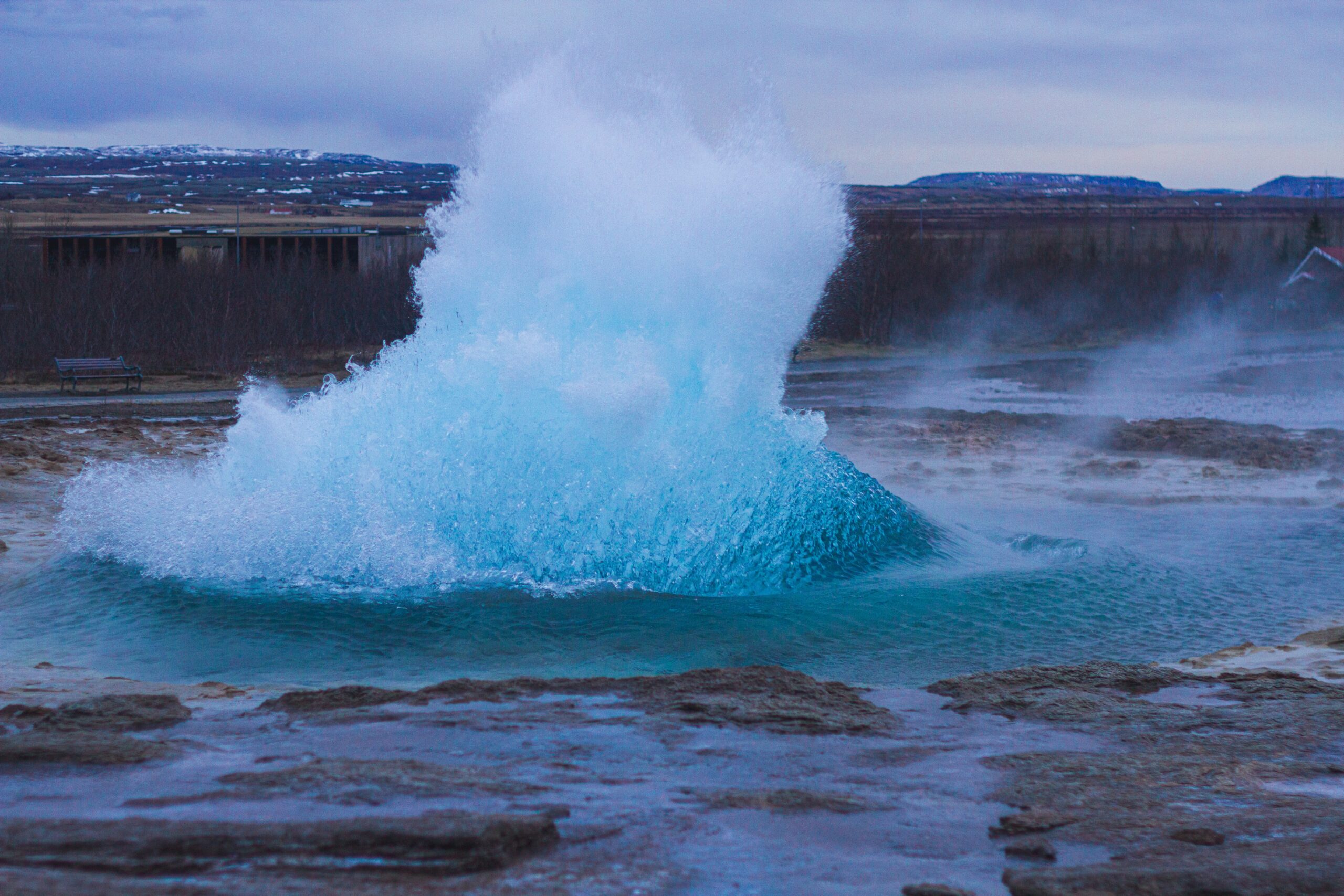
Mars may have once hosted hydrothermal systems similar to those on Earth. These systems, found in places like Yellowstone National Park, are rich in minerals and heat, providing a perfect environment for microbial life.
Impact events on Mars could have created hydrothermal environments in craters, offering an opportunity for life to flourish in the warmth and mineral-rich waters.
The discovery of hydrothermal activity on Mars opens up new possibilities for the existence of life. While the surface of Mars is inhospitable, subsurface environments could have provided a refuge for life forms in the planet’s past.
Hydrothermal systems would have created stable, warm conditions that could support life, much as deep-sea vents on Earth do.
Conclusion
The discovery of life on Mars, or at least evidence that life once thrived on the planet, remains one of the most exciting scientific frontiers of our time.
As technology and exploration continue to advance, future missions to Mars will no doubt provide even more groundbreaking discoveries.
Whether we uncover the remains of ancient Martian life or discover that life still exists beneath the planet’s surface, the journey to understanding life on Mars is only just beginning.