


It always starts the same way.
A route looks simple on a screen. A dispatcher approves it. A driver trusts it. A truck turns into the mountains.
And then everything collapses.
In Vermont’s Smugglers’ Notch, a narrow alpine corridor carved through the Green Mountains, oversized trucks continue to enter a road that was never designed to support them. What follows is immediate and unmistakable. Tight curves become impossible angles. Forward motion turns into gridlock. Emergency crews are called into terrain that punishes even small mistakes. A scenic mountain pass becomes a logistical failure zone in real time.
The pattern has repeated often enough that Vermont is no longer treating it as an isolated driving error. It is treating it as a structural breakdown between modern freight systems and physical geography.
A Road Built by Mountains, Not Modern Logistics
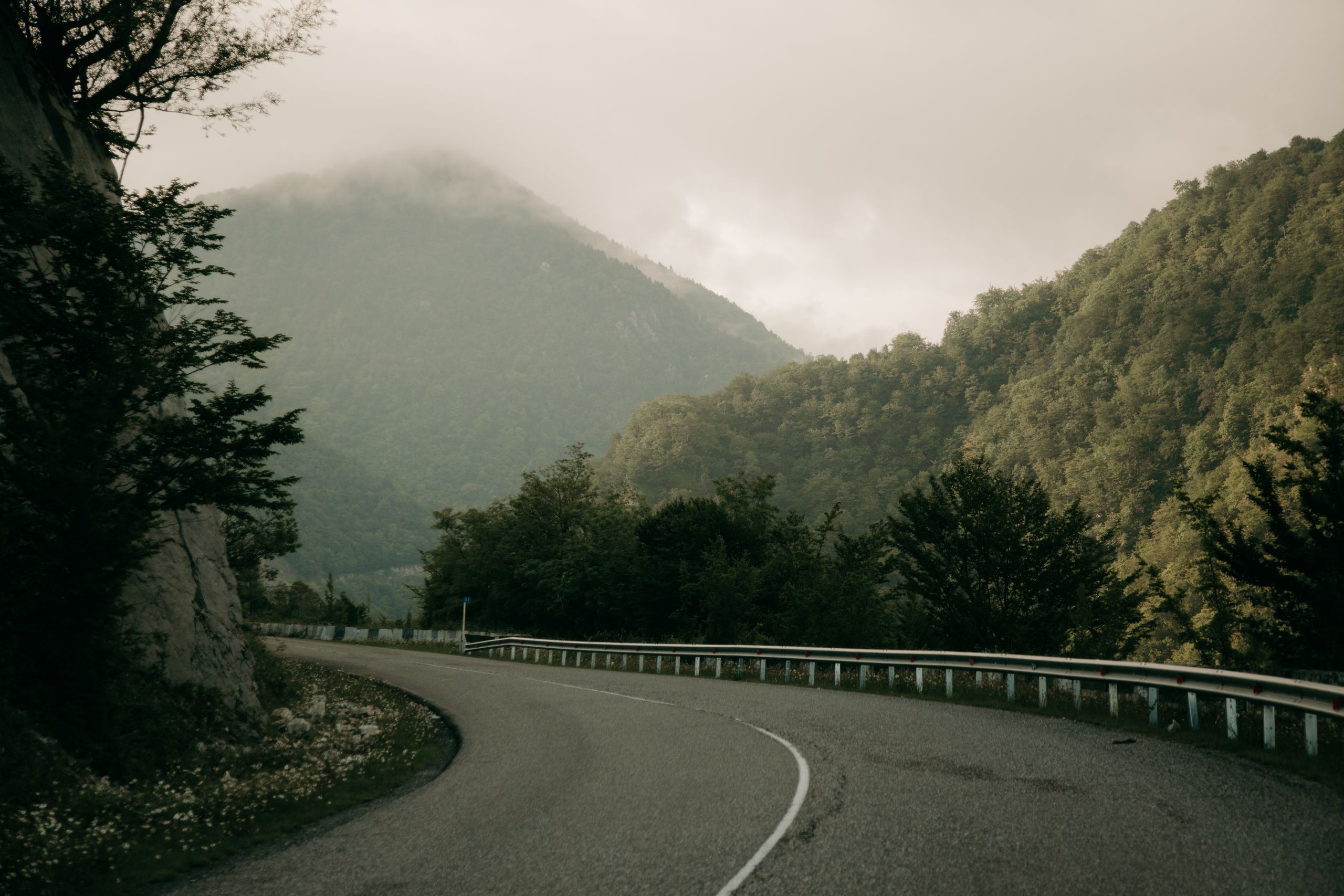
Smugglers’ Notch is not a typical roadway. It is a constrained mountain pass between Stowe and Cambridge, shaped by natural geology rather than commercial engineering. The road narrows sharply in multiple sections, bends tightly around exposed rock faces, and limits visibility in ways that make large commercial vehicles fundamentally incompatible with its design.
State authorities have long restricted oversized trucks from entering the route. Those restrictions are reinforced through signage, physical deterrents, and seasonal controls designed to protect both drivers and the surrounding environment. Yet despite decades of warnings, incidents continue to occur.
When a truck becomes trapped, the consequences extend far beyond the driver. Traffic stops completely. Regional movement between communities is disrupted. Emergency responders are pulled into complex recovery operations. In some cases, the road remains partially or fully closed for hours while crews carefully extract a vehicle from a space it never should have entered.