The Dark Side of Bananas

Bananas are among the most beloved fruits worldwide, celebrated for their nutritional benefits and versatility in a wide range of dishes.
Yet, beneath their bright, cheerful exterior lies a dark and complex history that has been shaped by exploitation, tragedy, and even death.
In this article, we explore the unsettling and lesser-known dark tales surrounding this iconic fruit.
The Banana Massacre
The dark history of bananas is inextricably linked to the exploitation of labor. One of the most chilling events was the Banana Massacre in Colombia in 1928. Workers at the United Fruit Company, later known as Chiquita, went on strike, demanding better working conditions and fair wages.
In response, the Colombian government, siding with the fruit giant, sent an army of 700 soldiers to disperse the strikers. What followed was a massacre that left between 1,000 and 2,000 workers dead. This tragic event exposed the violent lengths to which powerful corporations would go to protect their profits, with the lives of innocent workers treated as expendable.
Racism and Bananas
Bananas have long been a tool of racism and bigotry. In the early 20th century, a harmful stereotype emerged associating Black people with monkeys, often depicted eating bananas. This dehumanizing imagery was used as a form of insult, and the fruit became a symbol of racism.
The association between bananas and Black people was particularly prominent in sports, where fans hurled banana peels at Black athletes as a form of racial mockery. Despite efforts to stop these racist acts, incidents like the throwing of a banana at a Black soccer player in Spain in 2014 and at Brazilian players in 2022 continue to remind us of how deeply entrenched this racist symbolism remains.
Bananas and Pesticides
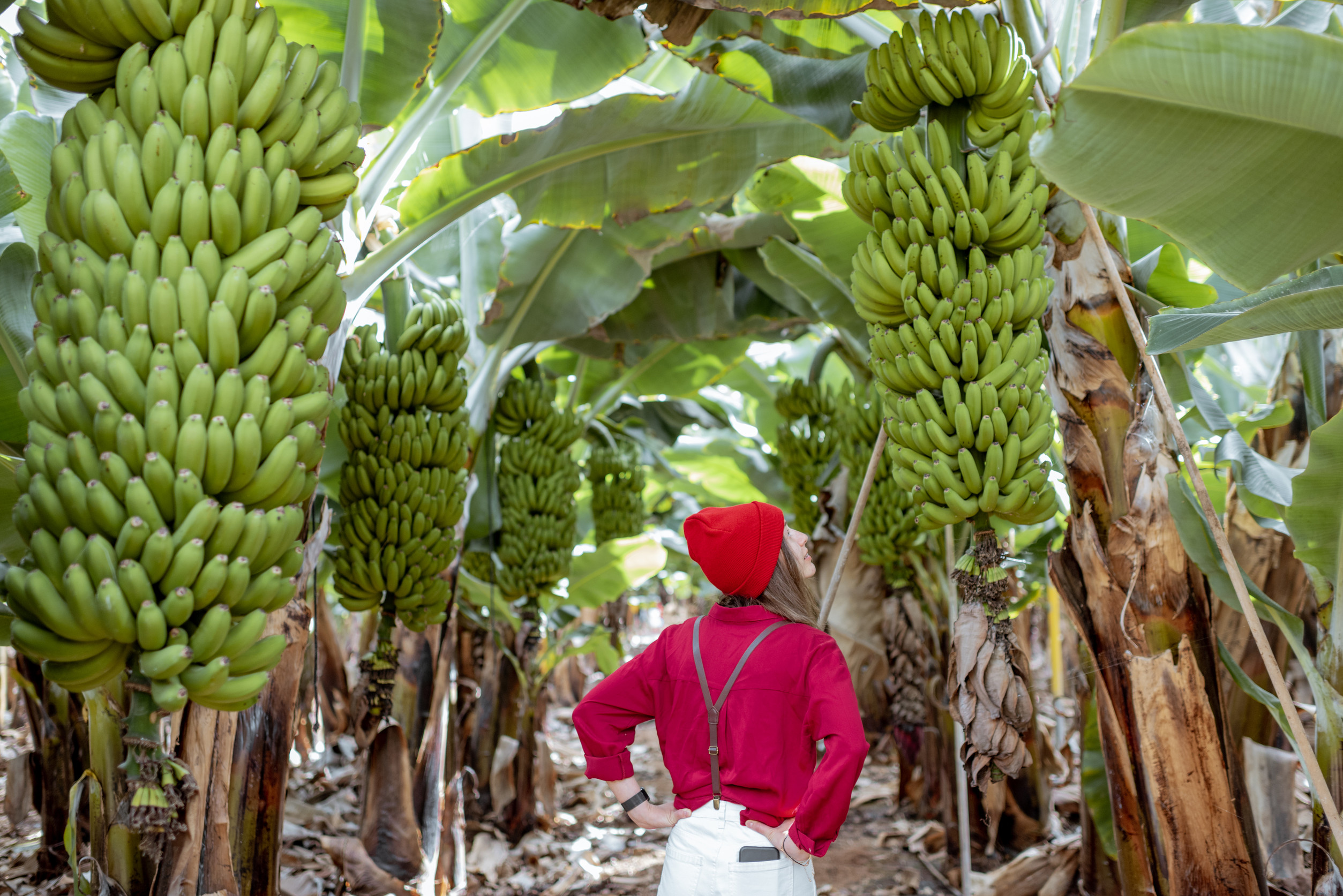
The banana industry’s reliance on harmful pesticides is another dark chapter. In 2022, workers at a banana plantation in Cambodia experienced severe health issues after being exposed to pesticides; symptoms such as dizziness, nausea, and fainting led to mass hospitalizations.
Initially, the workers were told that their symptoms were due to laziness, but soon, it became clear that pesticide exposure was the true culprit. Tragically, three workers died from the effects. This incident highlighted the toxic working conditions and the neglect of worker safety in banana plantations.
Pesticide exposure remains a serious issue in many banana-producing regions, raising concerns about the long-term health consequences for workers.
The Death of a Worker Over Bananas
A tragic and unnecessary death occurred in the United States when a man named Jerril Garris was killed over a simple accusation involving bananas. Garris, accused of eating a banana and leaving a store without paying, was confronted by police.
What should have been a minor issue quickly escalated into violence when Garris resisted arrest. The police, believing Garris was reaching for a weapon, shot him in the neck. Garris was left paralyzed and died a week later.
This case not only underscores the danger of overreaction by authorities but also reflects the deep societal tensions that can lead to fatal consequences over trivial matters.
Slipping on a Banana Peel
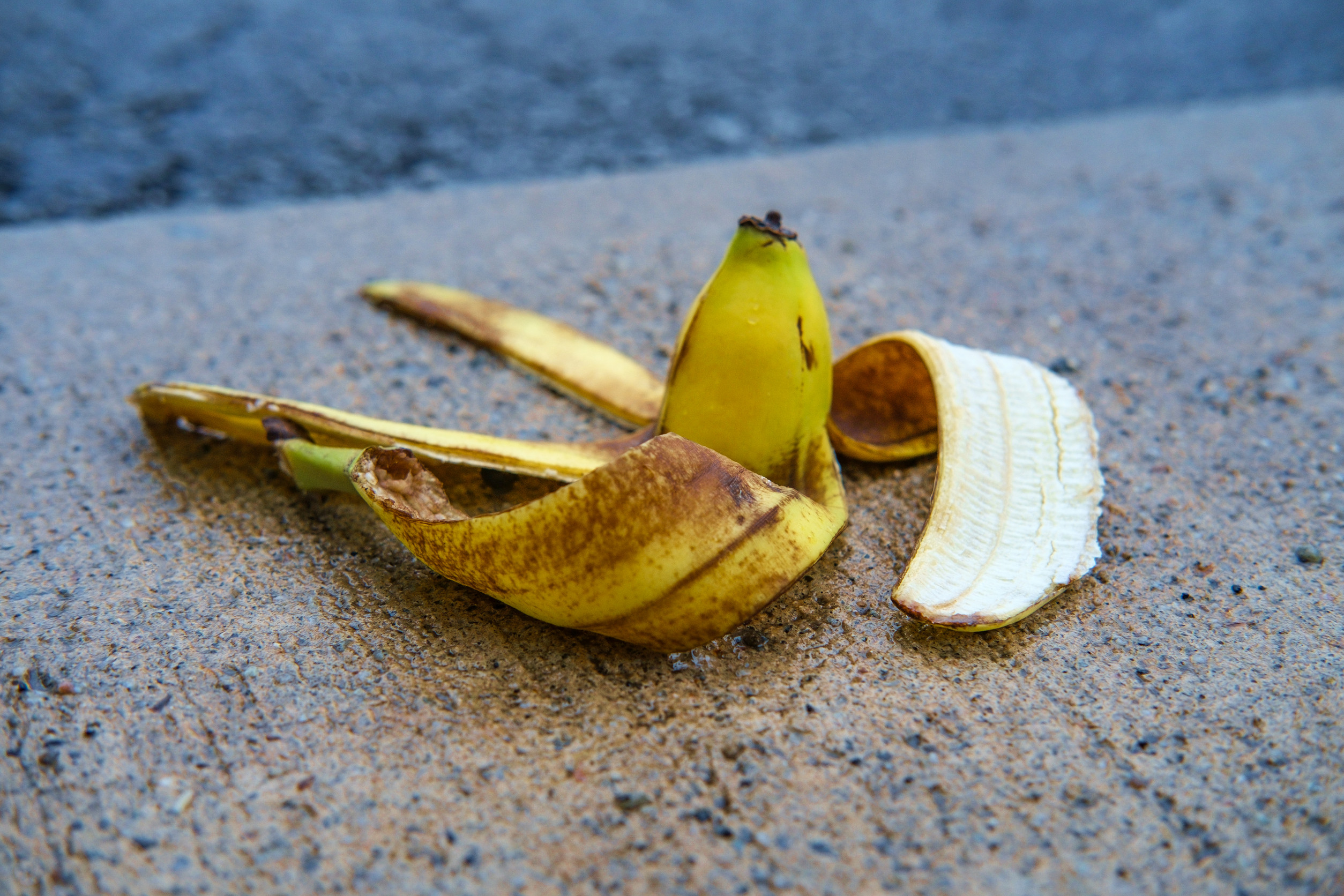
The iconic image of slipping on a banana peel may seem like a harmless cartoon trope, but it has a darker real-world history. In 1884, a wealthy merchant in New York slipped on a banana peel in front of his house, resulting in injuries that led to his death. Similarly, in 1920, a young boy slipped on a banana peel and was struck by a truck, ultimately dying from his injuries.
These incidents show that while banana peels may appear harmless, they have, in some cases, led to fatal accidents, sparking concerns about the dangers of littering.
Banana Truck Crash
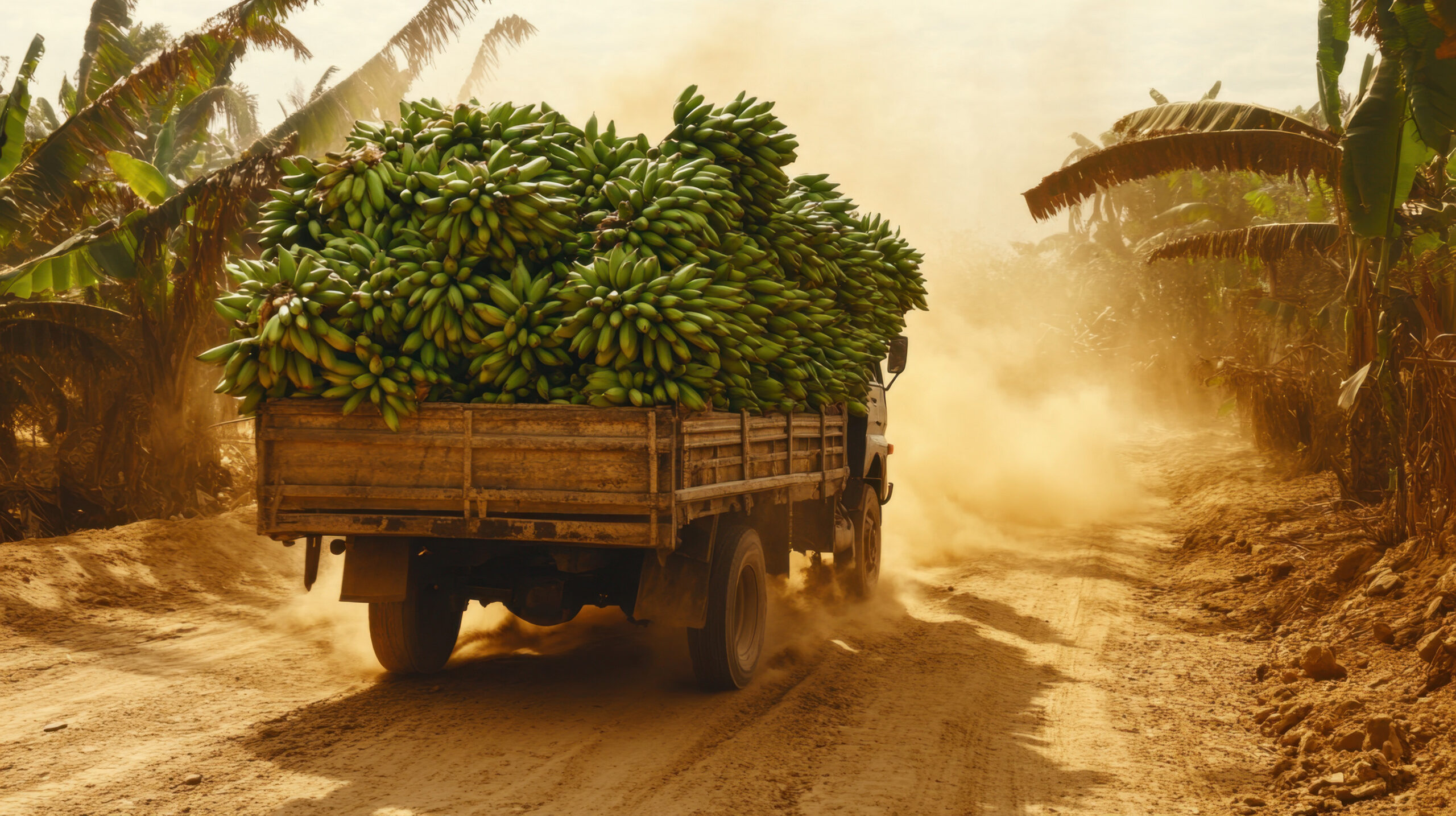
One of the most bizarre and tragic accidents in the history of bananas occurred in 1965 in Scranton, Pennsylvania. A truck carrying 30,000 pounds of bananas lost control on a steep descent. The driver, Eugene Sesky, was ejected from the truck and killed in the crash, which also injured 15 other people.
Bananas were scattered everywhere, making it one of the most unusual and tragic crashes in American history. This event later inspired the folk-rock song “30,000 Pounds of Bananas” by Harry Chapin, further cementing its place in the annals of banana-related lore.
Bananas and the Hangman
In one of the more bizarre chapters of banana history, a veteran hangman from India, Nata Mullick, revealed that bananas were an essential part of his work. Mullick, who executed over 25 people during his career, claimed that bananas helped lubricate the ropes used in hangings.
According to Mullick, mashed bananas mixed with oil provided the ideal slippery texture for the rope, making executions smoother. This peculiar connection between bananas and death is a chilling reminder of the fruit’s association with both life and death.
Key Takeaways

While bananas are often seen as a symbol of health and vitality, their history is marked by exploitation, tragedy, and even death. From the massacre of workers to the ongoing struggles with pesticides and diseases, bananas have a shadowy side that many are unaware of.
By understanding the dark stories behind this seemingly innocent fruit, we can better appreciate the complex and often troubling role bananas have played in shaping our world.
Read the original article on Crafting Your Home