


The post The 8 Toxic Workplace Behaviors Americans Are Finally Refusing to Tolerate first appeared on Crafting Your Home
A difficult job is not always a bad job. Many employees understand that work comes with deadlines, pressure, and accountability. What more workers are questioning is workplaces where disrespect, unclear expectations, intimidation, and unfair treatment become part of everyday culture.
The conversation around “toxic” workplaces is increasingly focused on repeated behaviors rather than one frustrating moment. These patterns can include managers who embarrass employees, companies that reward constant availability, or workplaces that ask for honesty but discourage people from speaking up.
Research suggests workplace culture can play a major role in whether employees stay or leave. MIT Sloan Management Review found toxic culture was a stronger predictor of employee attrition than compensation in its analysis of early Great Resignation turnover.
Recent workplace data also shows challenges with engagement and connection. Gallup’s 2025 U.S. workplace data found that 32 percent of employees were engaged at work, while 50 percent said they had experienced a lot of stress the previous day.
Here are eight workplace behaviors many employees are pushing back against.
Public humiliation disguised as feedback
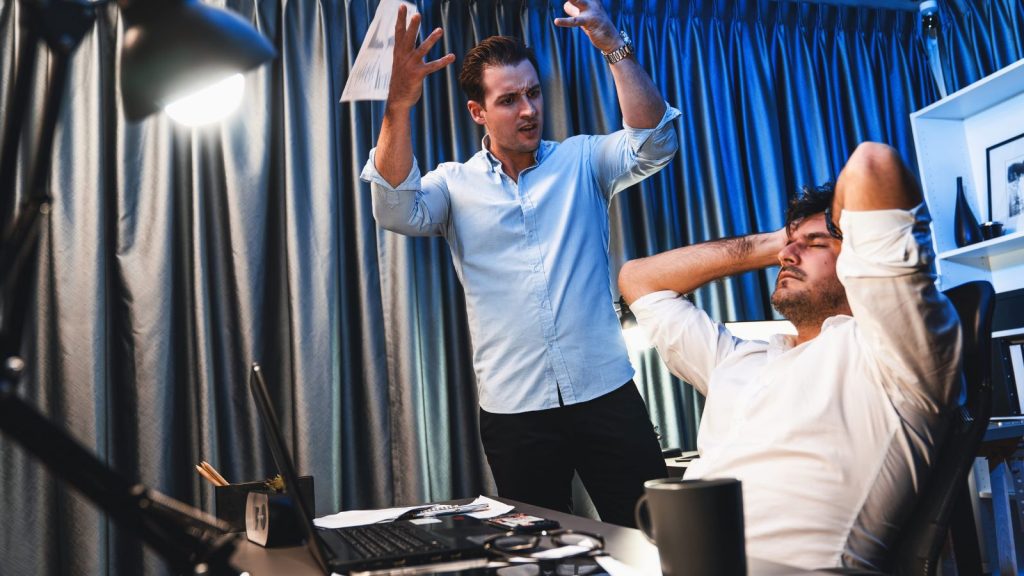
Employees generally expect feedback as part of doing a job well. The problem comes when criticism becomes embarrassment, mockery, or public targeting.
MIT Sloan identifies disrespectful behavior as one of the culture factors associated with employee attrition.
There is a difference between direct communication and making someone feel small in front of colleagues. Feedback should help improve the work, not diminish the person doing it.
Micromanagement that replaces trust
Clear expectations can help employees succeed. Constant monitoring, excessive approvals, and unnecessary control can create a workplace where people feel they are trusted with responsibility but not trusted to make decisions.
Gallup reported that only 47 percent of U.S. employees strongly agreed they knew what was expected of them at work.
The issue is not every form of oversight. Some jobs require quality checks, safety rules, or compliance steps. The concern is when control becomes excessive or arbitrary and begins to replace trust.
Expecting constant availability
Some employees are challenging the idea that being always reachable is the same as being committed.
This can appear through expectations of late-night replies, weekend messages, vacation check-ins, or immediate responses even when those demands are not part of the role.
Gallup’s workplace figures show that half of U.S. employees experienced a lot of stress the previous day, though the data does not prove that after-hours communication caused that stress.
Employees are increasingly asking whether every urgent request is truly urgent, or whether poor planning is being passed down as a personal responsibility.
Punishing people for speaking up

Many workplaces say they value honesty and feedback. Problems arise when employees feel they are treated as difficult for raising concerns, asking questions, or pointing out problems.
Gallup found that only 28 percent of U.S. employees strongly agreed that their opinions count at work.
Employees are not necessarily asking for every suggestion to be accepted. They are asking for a workplace where raising a concern does not automatically make someone seem disloyal.
Favoritism presented as fairness
Employees notice when opportunities, flexibility, praise, or second chances appear to follow unwritten rules.
Favoritism can damage trust when organizations say decisions are based only on performance but do not provide clear standards. MIT Sloan lists non-inclusive behavior among culture factors associated with turnover.
The concern is not that every employee must receive identical treatment in every situation. It is whether people understand how decisions are made and whether expectations are applied consistently.
Related: The Most Burned-Out Cities in America and Why Workers Are Struggling
Chronic understaffing treated as normal
Every workplace has busy periods. The issue is when temporary pressure becomes a permanent pattern and employees are expected to absorb additional responsibilities without a clear plan.
MIT Sloan’s research found toxic culture predicted attrition more strongly than compensation, suggesting employees consider daily workplace conditions alongside pay.
Many workers are questioning workplaces where “pitching in” repeatedly means the same people carry the extra workload.
Cutthroat behavior rewarded as performance
Healthy ambition can motivate teams. Problems arise when workplaces reward behaviors such as taking credit from others, withholding information, undermining colleagues, or creating fear around mistakes.
MIT Sloan identifies cutthroat behavior as one of the cultural elements associated with negative workplace outcomes.
Employees may accept competition, but many are less willing to work in environments where success depends on making coworkers less successful.
Demanding loyalty without offering respect
The final issue connects many workplace frustrations: employees being asked for commitment while feeling overlooked, unheard, or replaceable.
Gallup found that only 31 percent of U.S. employees strongly agreed someone at work encourages their development, while 32 percent felt strongly connected to their organization’s mission or purpose.
Many workers still value loyalty. What they increasingly question is whether loyalty should only flow in one direction.
The broader workplace conversation is changing. Employees are not asking for jobs without expectations or challenges. They are asking for workplaces where accountability exists alongside respect, fairness, clarity, and trust.
For readers reflecting on their own workplace, a useful question is simple: what behavior did you once accept as normal that you would no longer accept today?
Other post You Might Also Like
If you like what you just read, then subscribe to our newsletter and follow us on social media.


