The 7 Most Common Lies People Tell and Why You Should Care
Lies are a part of everyday life, whether we like to admit it or not. Some lies are harmless, while others can cause harm, confusion, or tension in relationships.
From small, seemingly insignificant white lies to more significant fabrications, everyone tells a lie at some point. The question is: why do we lie, and what are the most common things people lie about?
In this article, we’ll explore the seven most common lies people tell, why they tell them, and the impact these lies have on society and personal relationships.
Understanding the reasons behind these lies can help us become more honest and aware of the behaviors we may not even realize we are engaging in.
The Lie Everyone Tells: “I’m Fine”
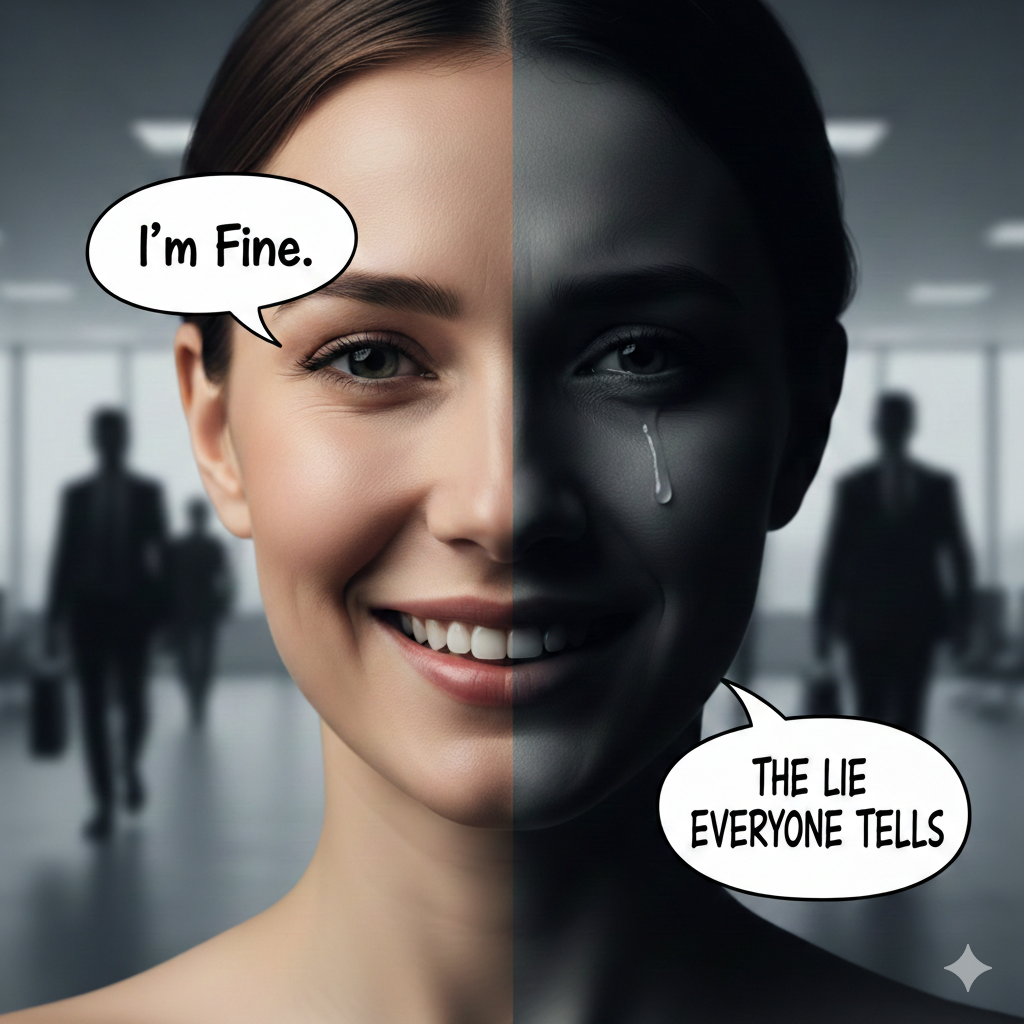
One of the most common lies people tell every day is the classic, “I’m fine.” This white lie has become so ingrained in our daily conversations that it’s often said without thought. Whether you’re at work, in a social setting, or just talking to a friend or family member, this lie is used to avoid discomfort or burdening others with personal issues.
Why Do We Say “I’m Fine”?
When you say “I’m fine” even when you’re clearly not, it’s usually to avoid making others uncomfortable. In a fast-paced society where people often don’t have the time or energy for deep emotional conversations, claiming you’re fine allows the conversation to move on.
It’s easier than explaining the challenges you’re facing. Additionally, many people don’t want to seem weak or vulnerable, so they hide their true feelings with a simple lie.
While it’s natural to want to protect yourself or others from uncomfortable emotions, constantly lying about how you’re feeling can take a toll on your mental health. It can prevent you from addressing underlying issues, and over time, it can lead to feelings of isolation.
The “I’m fine” lie is one of the most harmless on the surface, but it can have a ripple effect if used too often. It can create emotional distance between people, making it harder to form genuine connections. It also keeps you from processing emotions in a healthy way.
In relationships, whether romantic, familial, or platonic, being honest about your feelings allows for deeper understanding and connection.
“I Love That Movie” or “I Read That Book”

How many times have you pretended to love a movie or claim you’ve read a book just to avoid the awkwardness of saying otherwise? This is a common lie used to fit in or avoid confrontation.
Why Do People Lie About Movies and Books?
The desire to be seen as well-read or culturally aware often leads people to lie about their familiarity with popular media.
We don’t want to feel left out of conversations, so we fabricate a response that fits. “I loved that movie,” we say, even though we barely remember the plot. Or, we nod in agreement when someone talks about a book we’ve never even opened, hoping they won’t ask us for details.
While these lies may seem harmless, they create a false image of who we are. The more we lie about things we haven’t experienced, the more disconnected we become from our true selves. It’s also exhausting trying to keep up with the lies.
The next time someone brings up a book or movie, be honest! It’s okay not to have seen or read everything. Fostering genuine interests and being authentic is far more valuable than pretending to like something for the sake of conformity.
“I’ll Call You Later” or “I’ll Text You”
Promises to call or text later are among the most frequently broken lies. You may say them with the best intentions, but life often gets in the way, and that phone call never happens. These casual promises can lead to feelings of disappointment or frustration when they’re not followed through.
Why Do People Lie About Calling or Texting?
People often say “I’ll call you later” or “I’ll text you” because they want to avoid confrontation or seem like they’re more available than they really are. It’s a polite way to end a conversation without actually committing to it.
We may want to appear considerate without the actual follow-through. In a world of constant connectivity, this lie has become a social norm, but it’s one that can easily lead to hurt feelings if left unchecked.
When you fail to follow through on these small promises, it can erode trust over time. People begin to question your reliability and whether they can depend on you for anything substantial.
This behavior can have a snowball effect on your relationships, where others begin to feel that their time is not valued. While it’s okay to get busy, it’s better to be upfront and honest about not being able to follow through rather than offering false hope.
“I Didn’t Get the Email” or “It Went to Spam”
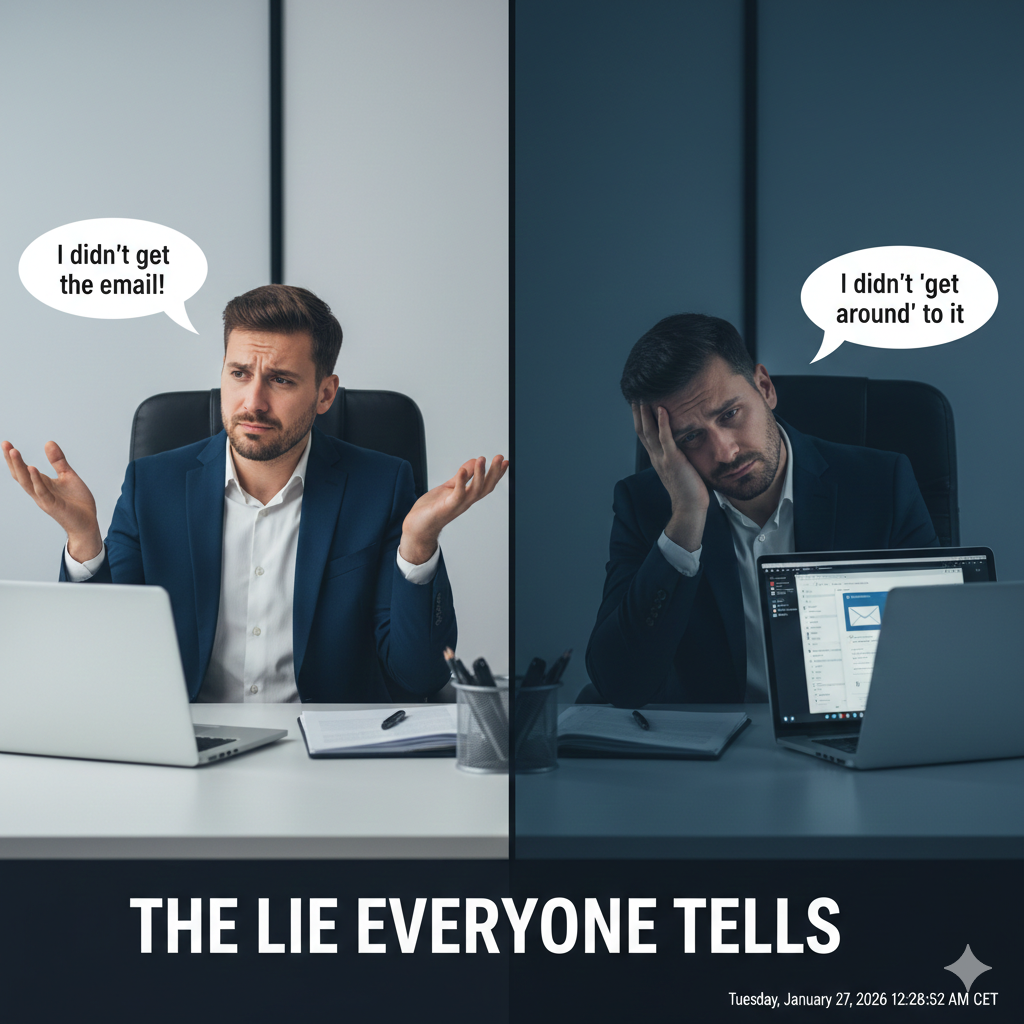
How many times have you claimed that you didn’t receive an email? Or that it went to your spam folder when, in reality, you just hadn’t gotten around to reading it? This is another common lie, often told in the workplace or in personal communication.
Why Do We Say We Didn’t Get the Email?
There are two main reasons people lie about not receiving emails: to avoid responsibility or to buy time. When you’re overwhelmed with tasks or simply don’t want to deal with something immediately, claiming you never got the email can buy you a little breathing room. Other times, it might be an attempt to avoid difficult or uncomfortable conversations.
Lying about missed emails can damage your credibility and create friction in professional and personal relationships. If this lie becomes a habit, people will start to doubt your honesty and question whether you’re truly organized. It’s far better to simply address the issue directly and either follow through or explain why you haven’t had time to respond yet.
“I’m on My Way” or “I’ll Be There in 10 Minutes”
We’ve all said it: “I’m on my way,” when we’re still in our pajamas, or “I’ll be there in 10 minutes,” when we haven’t even left the house. These lies are typically told to avoid the awkwardness of being late or to make it seem like you’re making an effort when you’re actually nowhere near ready.
Why Do We Lie About Our Arrival Time?
People often lie about their arrival times because they want to save face. They don’t want to seem rude or disrespectful, so they exaggerate how close they are to being ready. These lies can be especially common when you’re running late but don’t want to keep others waiting for too long.
While these lies might seem minor, they can lead to feelings of frustration in others. When you’re constantly late or keep promising you’re on your way, it can damage relationships by showing a lack of respect for other people’s time. A more respectful approach would be to give a realistic estimate or simply let people know you’re running behind.
“I’m Not Mad” or “It’s Fine”

The phrase “I’m not mad” is one of the most commonly used lies in relationships. Often, people say this when they’re upset or frustrated but don’t want to escalate the situation. It’s a way to avoid confrontation, but it can actually make things worse.
Why Do We Say “I’m Not Mad”?
The need to keep the peace often leads people to lie about their feelings. We want to avoid conflict or appearing overly emotional, so we pretend we’re not angry when, in reality, we are. Saying “it’s fine” when it’s clearly not fine can create a sense of confusion, as it doesn’t address the root of the problem.
Saying “I’m not mad” when you’re clearly upset can build resentment over time. Bottling up anger or frustration can cause it to come out in unhealthy ways later on, such as passive-aggressive behavior or outbursts. Being honest about your feelings, even when it’s uncomfortable, is crucial for resolving conflicts and maintaining healthy relationships.
Conclusion
Lying, whether intentional or not, is an ingrained part of human behavior. The lies we tell, whether small or significant, can have a lasting impact on our relationships, mental health, and overall well-being.
From telling people “I’m fine” when we’re not to promising we’ll call later and then forgetting, these common lies can create distance, breed mistrust, and even damage our personal growth.
However, it’s important to remember that not all lies are malicious. Many are told to protect others or avoid unnecessary discomfort.
While some lies are harmless, it’s crucial to strive for honesty, especially in relationships where trust and emotional intimacy are key. By being truthful and addressing issues directly, we create deeper connections, promote healthier mental states, and live more authentic lives.
The next time you catch yourself telling one of these common lies, ask yourself: what would happen if I told the truth instead? Honesty might be uncomfortable at first, but it fosters deeper understanding and mutual respect.
Start small, whether it’s admitting you’re not “fine” or being upfront about the movies you haven’t seen, and see how it transforms your relationships and your life.
Read the Original Article on Crafting Your Home