
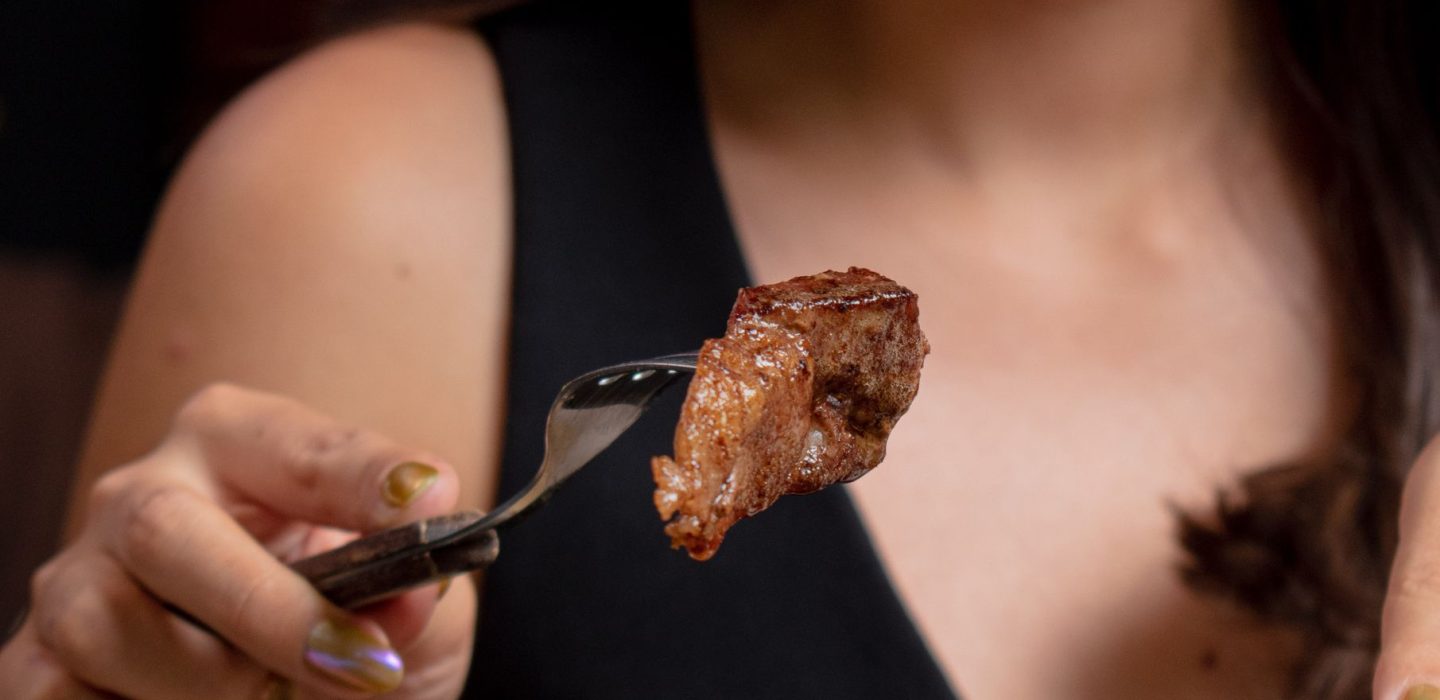

In a time when every dollar spent on dining out feels increasingly measured, even a simple steak dinner can ignite a national conversation. That is exactly what happened after a LongHorn Steakhouse customer claimed that a 6-ounce steak he was served appeared noticeably smaller than he expected.
What might once have been a private complaint has now evolved into a broader cultural moment. Online viewers debated everything from portion accuracy to inflation psychology, turning a routine restaurant visit into a reflection of how Americans now perceive value, trust, and fairness in everyday spending.
At the center of the discussion is not just steak, it is the growing tension between what consumers expect, what they see, and what they believe they are paying for in a shifting economic landscape.
What Happened
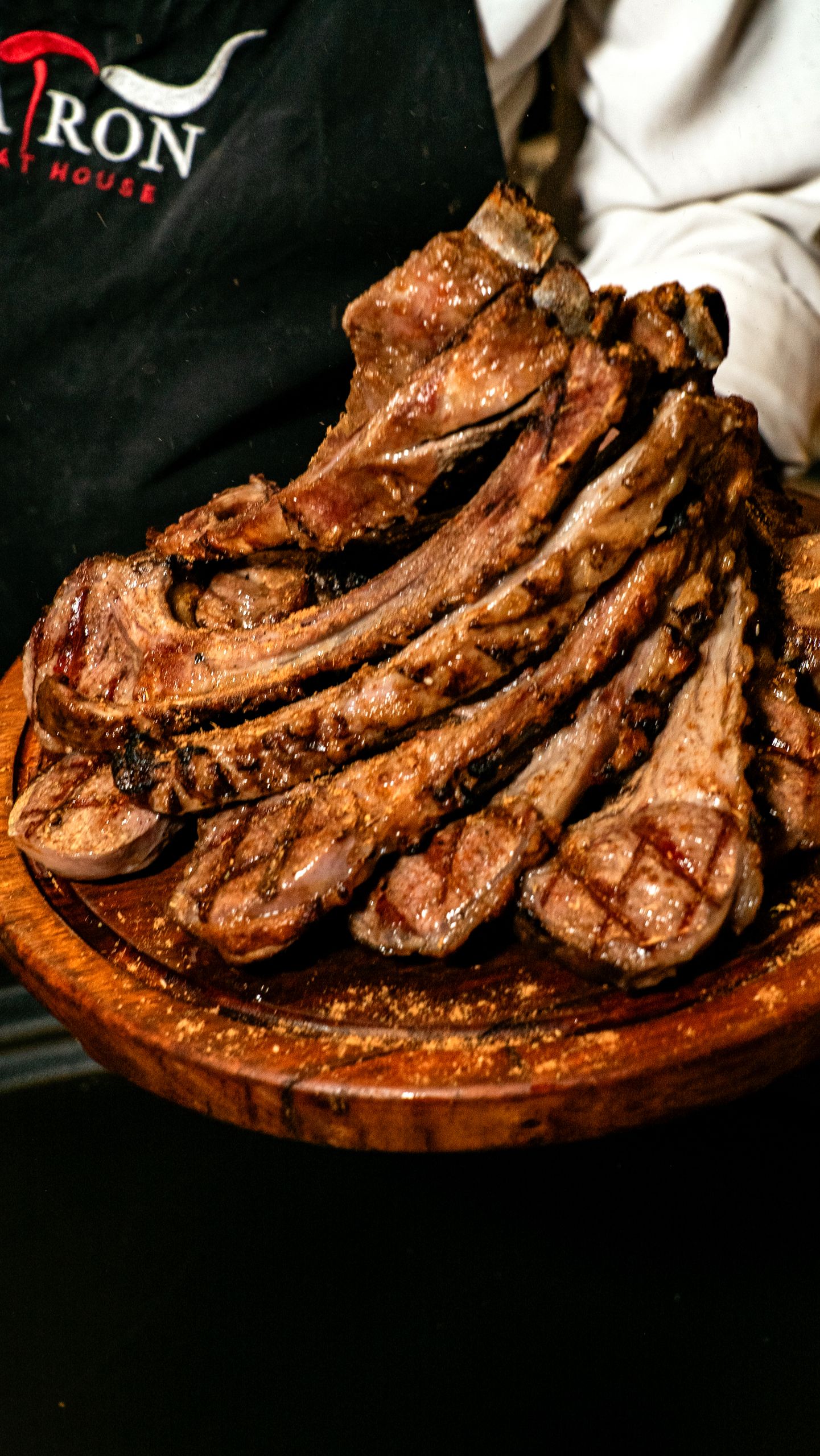
The incident began when a diner ordered a 6-ounce steak meal at LongHorn Steakhouse, a nationwide chain known for standardized cuts and consistent portion control systems. After receiving his plate, the customer recorded his reaction, suggesting the steak appeared significantly smaller than advertised.
In his view, the portion looked closer to 2–3 ounces rather than the listed 6-ounce serving. The visual comparison quickly became the focal point of discussion as the clip circulated across social platforms, where users debated whether the steak was truly undersized or simply perceived that way due to presentation and camera distortion.
LongHorn Steakhouse operates under strict portion guidelines, where steaks are pre-portioned by weight before cooking. This system is designed to ensure consistency across locations. However, once the video entered the online space, the conversation shifted away from restaurant operations and into broader questions about value, inflation, and consumer trust.
What followed was not just a food complaint; it became a viral case study in how quickly perception can reshape reality in the digital age.
The Human and Economic Impact
Inflation Anxiety and the Psychology of Value
For many Americans, dining out has become a more deliberate financial decision than in previous years. Rising food prices have created what experts call inflation sensitivity, in which consumers scrutinize even minor differences in portion size or presentation.
In this context, a steak labeled “6 ounces” is no longer just a menu item; it becomes a benchmark of fairness. Even if the portion is technically accurate, customers are increasingly likely to question whether they are getting full value for their money.
The Trust Gap in Chain Restaurants
Chain restaurants like LongHorn rely on consistency to build trust. But modern consumers are no longer passive diners; they are active evaluators. Social media has amplified this shift, turning every meal into a potential point of comparison.
This has created a subtle but growing trust gap:
- Restaurants rely on standardized systems.
- Customers rely on visual judgment.
- Social media amplifies disagreement.
Once that gap appears, even correctly portioned food can become controversial.
Shrinkflation Anxiety and Consumer Fear
Beyond restaurants, a deeper cultural anxiety is at play: the belief that products are quietly getting smaller while prices rise. Whether in groceries, fast food, or dining experiences, consumers increasingly interpret changes through the lens of suspicion about shrinkflation.
Even without actual changes in portion size, the expectation of a reduction can influence perception. A steak that is fully compliant with weight standards may still “feel” smaller simply because the broader economic environment has shifted expectations.
The Social Media Courtroom Effect
What makes incidents like this unique is how quickly they evolve online. Once posted, a single image or video is no longer a private complaint; it becomes public evidence in a digital courtroom.
Users assume roles:
- investigators analyzing the plate.
- Critics are judging the portion’s fairness.
- defenders explaining restaurant standards.
This transforms a personal dining experience into a collective debate where perception often outweighs fact.