


A population surge is redrawing the Texas map and reshaping affordability.
Across Texas, a quiet but powerful shift is underway. Cities once considered suburban or secondary markets are now absorbing massive population inflows, reshaping housing prices, rental demand, infrastructure pressure, and even commuting patterns.
Recent data from the U.S. Census Bureau, combined with housing market reports from Zillow Research, Redfin, and labor statistics from the U.S. Bureau of Labor Statistics (BLS), show that Texas continues to lead the nation in net population growth. But that growth is not evenly distributed.
Instead, it is concentrating in a cluster of fast-expanding cities, each experiencing its own version of the same challenge: growth that is pushing affordability to its limits.
From North Texas suburbs to Central Texas tech corridors, the question is no longer whether these cities are growing but whether residents can still afford to live there.
Frisco and McKinney: Growth engines of North Texas
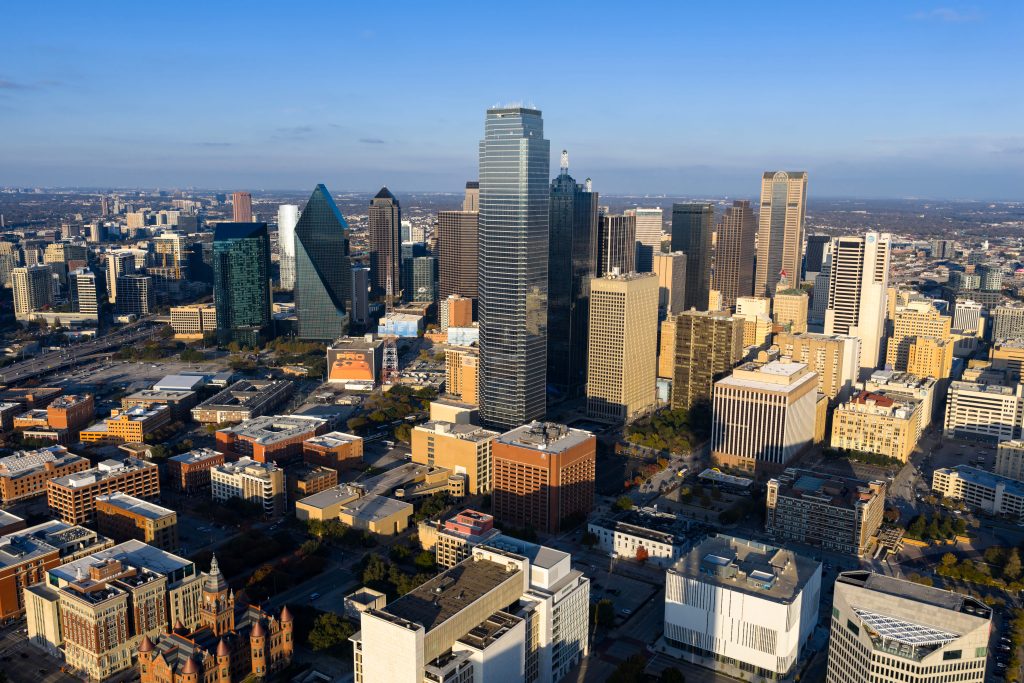
Few places illustrate Texas growth more clearly than Frisco and McKinney, two North Dallas suburbs that have transformed from quiet residential communities into high-demand urban hubs.
According to recent housing trend data from Zillow, both cities have seen sustained home price increases over the past several years, driven by strong school district ratings, corporate relocation, and proximity to Dallas job markets.
Frisco, in particular, has become a magnet for corporate headquarters and sports infrastructure development, while McKinney continues to attract families seeking larger homes and suburban amenities.
But that demand comes with rising costs. Rent increases in both cities have outpaced wage growth for many service and middle-income workers, creating pressure on commuters who now travel longer distances to Dallas for work.
Austin: Tech growth meets affordability strain
Austin remains one of the most closely watched housing markets in the United States.
Once considered relatively affordable compared to coastal tech hubs, the city has experienced sharp home price appreciation over the past decade. Data from Redfin shows that while price growth has cooled compared to pandemic-era spikes, affordability remains significantly strained.
The city’s tech-driven economy, anchored by companies in software, AI, and semiconductor manufacturing, continues to attract high-income professionals. However, this growth has also widened the gap between high earners and service workers.
Rent in central Austin neighborhoods remains among the highest in Texas, pushing many residents into surrounding areas such as Round Rock and Pflugerville, where commute times are increasing.
San Antonio: Slower growth, rising pressure
San Antonio presents a different picture. While it is not growing as rapidly as Austin or North Texas suburbs, it is still experiencing steady population increases driven by military bases, healthcare expansion, and manufacturing jobs.
According to BLS regional employment data, healthcare and logistics remain key employment sectors in the city.
However, housing affordability is tightening. Even moderate rent increases have placed pressure on lower-income households, particularly in neighborhoods closer to downtown and major employment centers.
Unlike Austin, San Antonio’s challenge is not explosive growth, but gradual pressure that accumulates over time.
Housing affordability: The statewide pressure point
Across Texas, housing affordability is becoming the defining issue of 2026.
A combination of population growth, limited housing supply in high-demand areas, and rising construction costs has created uneven pressure across the state.
According to Zillow Home Value Index trends, suburban markets near major metros are now competing with city centers on price, reducing the affordability advantage they once held.
This has led to a pattern of “housing spillover,” where residents move farther outward in search of lower rents, often trading affordability for longer commutes.
Jobs and wages: Growth that doesn’t always match cost increases
Texas continues to rank among