
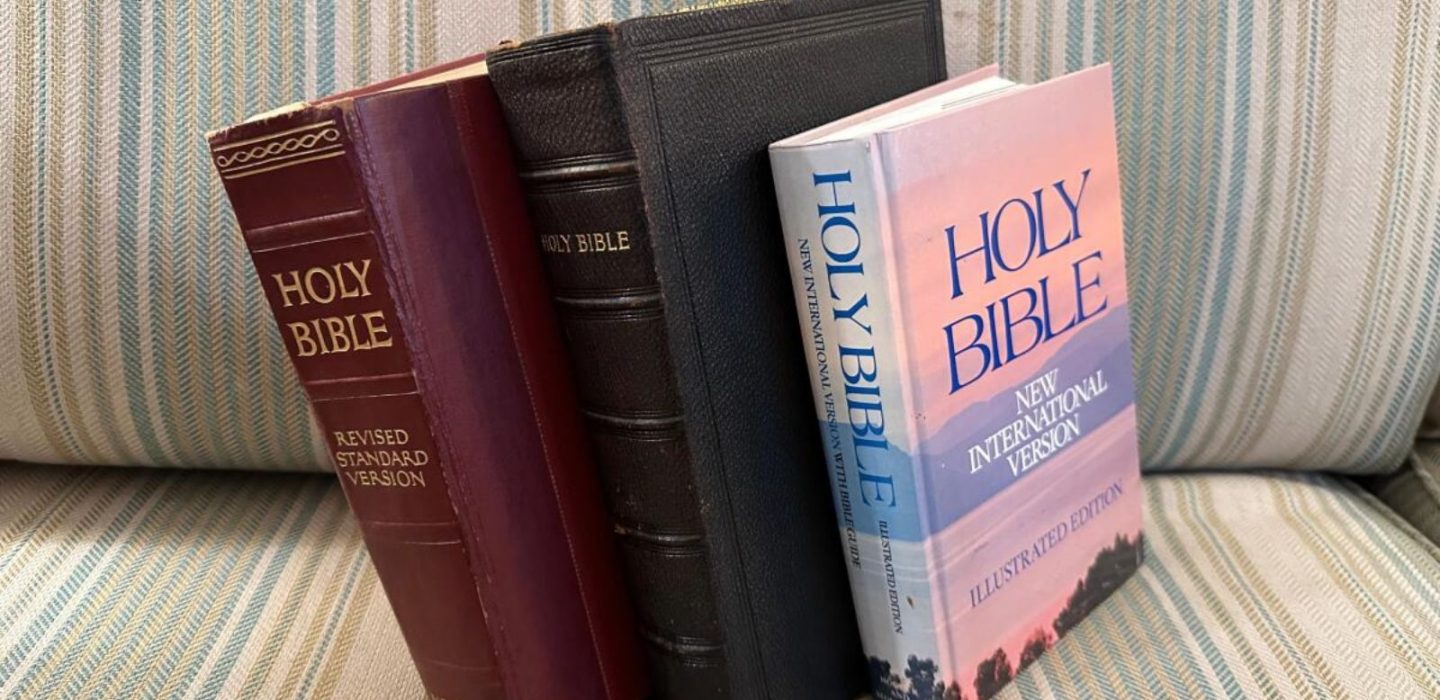

Texas has opened a new chapter in America’s long fight over what children should read, who gets to decide it, and where the line sits between cultural history and religious instruction. The Texas State Board of Education has approved a required reading list for more than 5 million public school students that includes Bible passages, placing the state at the center of a national debate over religion, public education, and political power in the classroom.
The rollout will begin in 2030 with elementary school students, before expanding across grade levels. The decision marks a major shift from the traditional approach in which local districts, schools, and teachers select much of what students read. Instead, Texas will now require students to encounter a state-approved list of literary works, historical materials, essays, books, and religious passages.
Supporters see the move as a restoration of cultural memory. Critics see it as a government-backed religious preference wrapped inside a reading list.
A Reading List With Bible Passages at Its Center
The approved list includes around 200 texts, far more than the minimum required under a 2023 state law that ordered at least one literary work to be taught at each grade level. The list includes well-known works such as Charles Dickens’ “Great Expectations,” Jane Austen’s “Pride and Prejudice,” and Shakespeare’s “The Tragedy of Julius Caesar.” But the part drawing national attention is the inclusion of Bible stories and New Testament passages.
Elementary school students will encounter picture-book stories such as “David and Goliath” and “Daniel and the Lion’s Den.” By fourth grade, students will read passages about Jesus in the New Testament. Middle school students will be assigned passages that include Jesus’ teachings, such as his famous sermon and instructions to set aside earthly worries and seek the kingdom of God.
For high school students, Bible passages will appear as supporting materials alongside classic literary works. That structure is why the debate has grown larger than one state’s reading list. The question is no longer just whether students should know biblical references that appear throughout Western literature. The deeper question is whether Texas is using literature to teach cultural context or as a doorway to Christian religious instruction.
Texas Becomes a National Test Case

Texas is not just another state making a curriculum decision. It educates roughly one in 10 public school students in the United States, which gives its education policies unusual national weight.
The state has already moved aggressively on religion in public education. Texas allows public schools to hire chaplains to counsel students. It has mandated displays of the Ten Commandments in classrooms. It has also approved an optional Bible-infused curriculum. Now, with Bible passages appearing in a required reading list, Texas is pushing further into territory that education observers say may be unique in the country.
That matters because Texas often becomes a testing ground for conservative education policy. What begins in Austin can become a model for other Republican-led states. If this reading list survives legal, political, and public challenges, it could encourage similar efforts elsewhere.
Supporters Say the Bible Belongs in the Story of America
Supporters argue that students cannot fully understand American history, literature, or civic life without learning about Judeo-Christian traditions. They say biblical references are woven into speeches, legal arguments, novels, paintings, political movements, and public rituals. To them, leaving the Bible out of the classroom is not neutrality. It is an omission.
Some supporters frame the decision as part of the country’s 250-year story, arguing that America was shaped by Christian values and that public schools should not be afraid to acknowledge that influence. From this view, Bible stories are not merely religious texts. They are cultural documents that help explain the language, symbols, and moral debates that shaped the nation.
That argument carries emotional power for parents and grandparents who believe public schools have drifted away from faith, family values, and tradition. For them, the Texas decision feels less like a political takeover and more like a correction.
Critics Warn the List Elevates One Religion

Critics see the matter very differently. They argue that Texas public schools serve children from many religious backgrounds, including students who are Jewish, Muslim, Hindu, Buddhist, Sikh, atheist, agnostic, or raised with no religious identity at all.
Their concern is not simply that students may read Bible passages. Many educators already teach biblical allusions in literature, especially when reading older Western texts. The concern is that one religious tradition appears to be singled out as required, while other traditions receive far less attention.
That imbalance, critics argue, sends a message to students: one faith tradition belongs at the center of public education, while others stand at the margins. They also warn that mandatory reading lists can narrow teacher judgment. Instead of trusting educators to choose age-appropriate, culturally diverse, and locally relevant materials, the state is imposing a political and ideological filter on the classroom.
A Larger Fight Over Books and Diversity
The reading list debate also lands inside a broader national fight over books, identity, and censorship. Critics argue that the list leans conservative and excludes many diverse voices. They say students need books that help them understand different cultures, communities, family structures, racial histories, and life experiences. When the required list becomes too narrow, students may receive a thinner version of the world.
One example drawing attention is the requirement that students reading Shakespeare’s “The Tragedy of Julius Caesar” also read Margaret Thatcher’s eulogy for President Ronald Reagan. To critics, that choice reflects an ideological preference rather than a neutral literary judgment.
Supporters may argue that traditional texts create a shared foundation. Critics respond that a shared foundation should not mean a narrow one. This is the heart of the conflict. Public schools do not simply teach reading. They teach children what a society considers worthy of attention. Every required book is also a statement of value.
Teachers Could Lose Room to Teach

Another major concern is classroom flexibility. Teachers often choose texts based on student needs, reading levels, community context, and instructional goals. A rigid state list can make that harder. It can turn reading into compliance rather than discovery.
The debate becomes especially sharp in early grades. Critics question why even kindergarten teachers need a state-required list that includes books such as “Chicka Chicka Boom Boom.” Their argument is simple: if teachers cannot be trusted to choose board books for young children, what does that say about the state’s trust in educators?
That question reaches beyond Texas. Across the country, teachers have increasingly found themselves caught between parents, lawmakers, school boards, activists, and state agencies. The classroom has become a political stage, and the teacher is often left standing in the middle.
The Constitutional Question Will Not Fade
The First Amendment issue is likely to follow this policy closely. Public schools may teach about religion. They may explain religious influence on history, literature, art, and culture. What they cannot do is promote religion or pressure students toward a particular faith.
Texas officials and supporters will likely argue that the Bible passages are being used for literary and historical context, not worship. Critics will argue that the pattern of recent state actions points toward religious favoritism, especially toward Christianity.
That legal distinction will matter. A Bible passage in a literature class is not automatically unconstitutional. But a state-mandated curriculum that appears to privilege one faith tradition can invite serious legal scrutiny. The fight, then, may turn on intent, implementation, and classroom practice. How teachers are instructed to present the material may become just as important as the material itself.
Why This Decision Matters Beyond Texas
The Texas decision is not only about Bible stories. It is about who holds power over public education. Is reading a local decision or a state mandate? Should schools emphasize shared cultural tradition or broaden the canon to reflect a changing country? Can biblical literacy be taught without religious preference? Can public schools honor history without making some children feel like outsiders? Those questions will not be settled by one vote in Austin.
By approving this list, Texas has made itself a national symbol in the fight over education and identity. Supporters will call it a return to roots. Critics will call it a warning sign. Parents will argue over values. Teachers will wait for guidance. Students, eventually, will be the ones sitting at desks, turning the pages.
And in those classrooms, the real test will begin: whether Texas can teach the Bible as literature and history without turning public school into a battleground over belief.


