

Subway used to feel impossible to miss. It was in strip malls, gas stations, airports, college towns, Walmart corners, and small neighborhoods where other big chains barely bothered to show up. For years, that was the magic trick. Subway did not need flashy dining rooms or giant drive-thrus because it had reach, convenience, and a familiar promise wrapped in fresh-baked bread.
Now that reach is getting smaller. The sandwich giant closed a net 729 U.S. locations in 2025, a number that sounds less like a routine cleanup and more like a warning bell. One bad year can be explained away.
Ten straight years of domestic shrinkage tell a bigger story about competition, franchise pressure,changing customer habits, and a brand trying to decide what it wants to be next.
A Giant Built on Convenience Is Losing Its Everyday Grip
Subway’s biggest strength was always simple: it was everywhere. Customers did not need to plan a Subway visit the way they might plan a trip to a trendier fast-casual spot. They just found one nearby, ordered a footlong, picked toppings, and moved on with lunch.
That kind of convenience made Subway feel less like a restaurant and more like part of the American routine. The problem is that routines change. Shoppers have more lunch options now, from fast-casual bowls to upgraded burger chains to grocery-store prepared meals that feel fresher than they used to.
Delivery apps also changed the map. A customer no longer has to settle for the nearest sandwich shop if twenty restaurants can reach their couch in half an hour. Subway’s old advantage, being close to everyone, does not hit the same way when the phone brings competitors even closer.
The closure figure also raises a painful question: were too many Subways too close together for too long? A huge footprint can look powerful from the outside, but it can also create crowded markets where franchisees compete against the same brand down the road.
Closing weaker stores may help the surviving ones, but it still changes the public mood. When people see dark windows where a familiar green-and-yellow sign used to be, they start wondering whether the chain is fading.
Franchise Pressure Is Becoming Harder to Ignore
Subway is a franchise-heavy system, which means local owners carry much of the day-to-day burden. Rent, labor, food costs, remodeling expenses, and local competition all hit operators hard. A national brand can announce new menus and redesigned stores, but individual franchisees still have to make the math work in their own neighborhoods.
If sales soften and costs keep rising, even a famous name cannot protect every location. That is why the 729 closures matter beyond the raw number. They suggest that some stores no longer made enough sense to keep open, especially in locations with weaker traffic or aging layouts.
Subway has described its strategy in recent years as a push toward better locations, stronger operators, and modernized restaurants. That may be smart business, but it also means the company is no longer chasing size for size’s sake.
There is a harsh tradeoff here. A smaller, healthier Subway may be better than a bloated one with struggling franchisees. Yet customers rarely see strategy first. They see closures.
They see a brand that once seemed untouchable pulling back from places where it once dominated. For a chain built on visibility, shrinking can create its own public relations problem, even when the company argues that the move is part of a long-term reset.
Subway Still Has a Path Back, But It Has to Feel Exciting Again
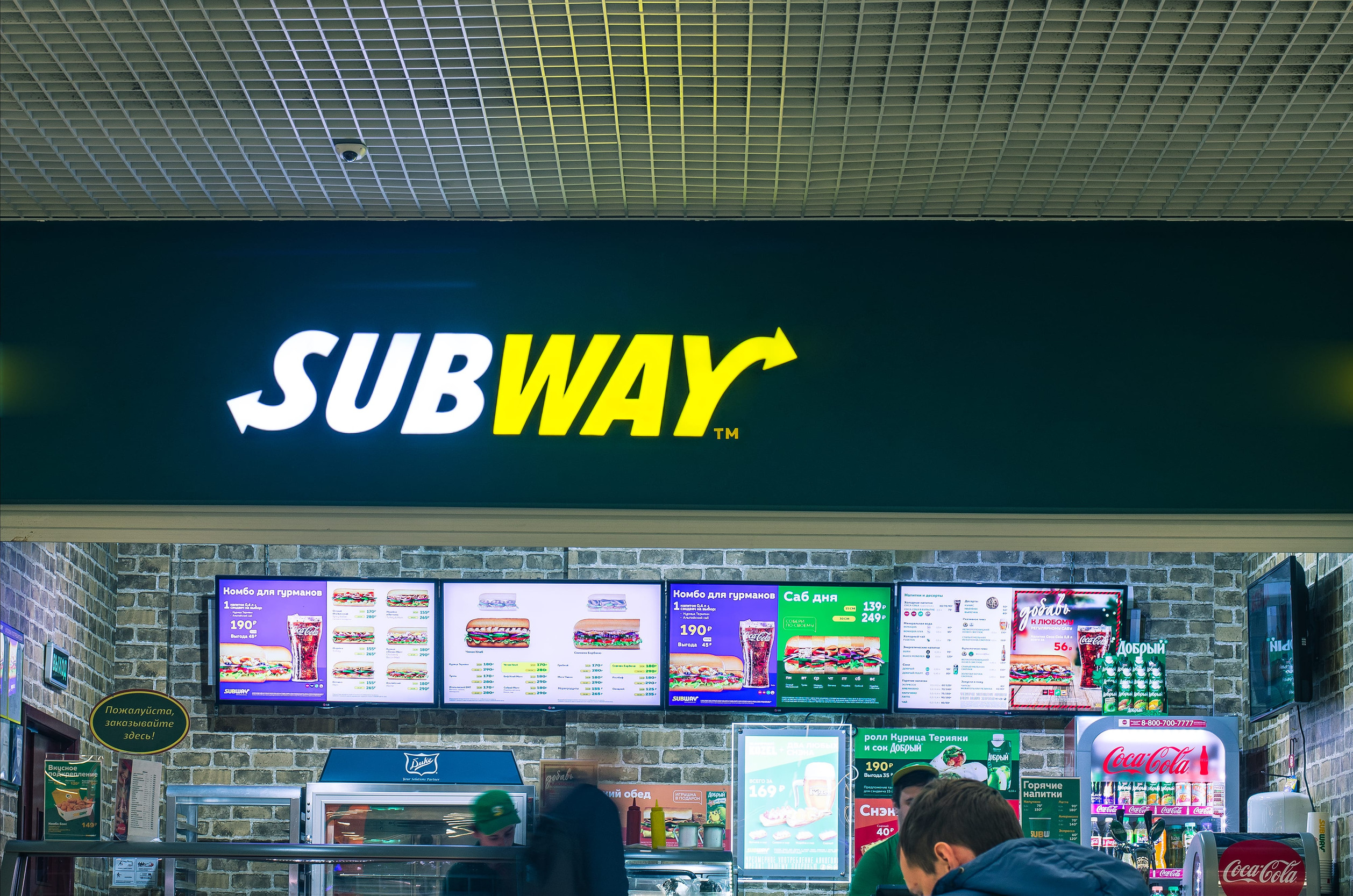
Subway is not disappearing. The chain still has thousands of U.S. locations and a massive global presence. It also has advantages many restaurant brands would love to have: name recognition, customizable food, broad price appeal, and a menu format that can adapt quickly.
The challenge is not survival in the basic sense. The challenge is making customers care again before the brand becomes something they remember more than something they crave. The company has tried to fight back with refreshed store designs, digital ordering upgrades, menu changes, and value-focused deals.
Those moves matter because Subway cannot rely on nostalgia forever. A cleaner, brighter restaurant may help. Better digital pickup may help. Sharper pricing may help. But the real test is emotional. Customers need a reason to choose Subway when the lunch market is louder, faster, and more crowded than ever.
That is the warning hidden inside the 729 closures. Subway’s problem is not just that stores are closing. It is the brand’s responsibility to prove its smaller footprint can become a stronger one.
If the closures lead to better restaurants, happier franchisees, fresher experiences, and clearer value, the sandwich giant could turn shrinkage into a comeback story. If not, each closed location will feel like another bite taken out of a brand that once seemed too big to stumble.