

You tap, dip, or swipe your card dozens of times a month without a second thought. A tank of gas, a quick cash withdrawal, dinner out. But some of the most ordinary places to pay are also the ones criminals love best, because they’re busy, unsupervised, or give strangers a few private seconds with your card.
The FBI estimates that card skimming costs financial institutions and consumers more than $1 billion a year. The good news is that a few smart habits make you a much harder target.
Here are six places to think twice before you pay, why each one is risky, and what to do instead. How many do you use without thinking?
Standalone ATMs (the Ones Outside a Bank)
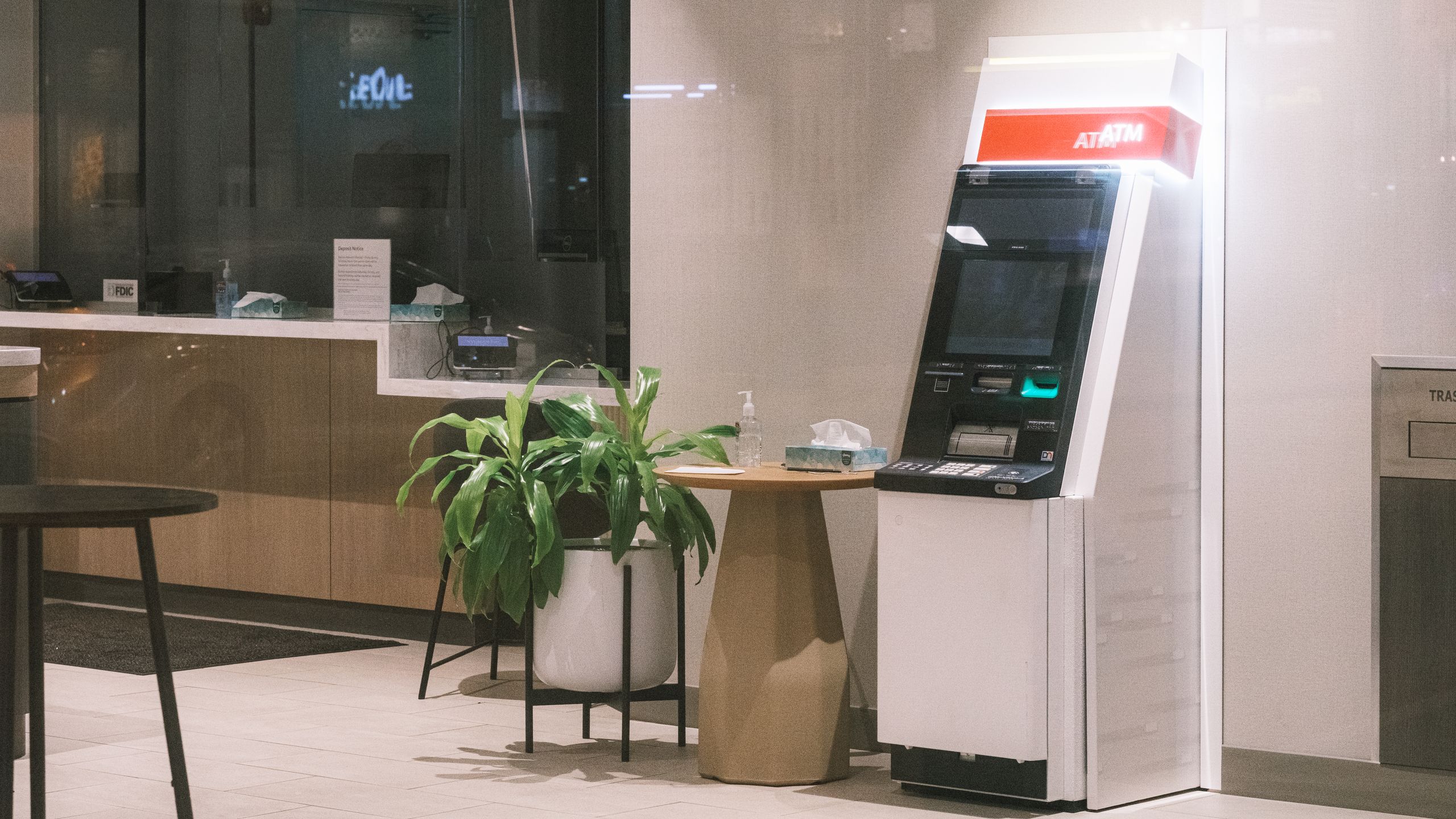
An ATM in a corner store, on a sidewalk, or in a dark parking lot may be convenient, but experts say criminals often target them because they’re less likely to be inspected.
Banks regularly check the machines at their own branches, while stand-alone ATMs in busy stores get less attention. Skimmers are often fitted over the card slot, and a hidden camera can capture your PIN.
Whenever possible, use an ATM at a bank or credit union, ideally indoors and in a well-lit area. Look for anything loose, crooked, scratched, or mismatched on the card slot and keypad, and cover your hand when you type your PIN.
If the machine doesn’t return your card after you cancel a transaction, contact your bank immediately. It’s one place where a few extra steps are worth the trouble.
Related: If Someone Insists on One of These 5 Ways to Pay, It’s Probably a Scam
Restaurants and Bars Where Your Card Disappears
Here’s a risk most people accept without thinking: after dinner, the server takes your card away and returns it a few minutes later. A prosecutor quoted in one report said skimming occurs most at restaurants because the server has to walk away with your card.
Bars can be even trickier, since patrons often hand over a card to keep a tab open. During those minutes, a dishonest employee could copy your information with a small hidden device.
Most servers are honest, but you can reduce the risk. Ask to pay at the table if the restaurant uses portable terminals, so your card never leaves your sight.
Better yet, pay with a phone wallet or tap-to-pay card when it’s available, since those methods don’t expose your actual card number the same way. At fast-food drive-throughs and retail counters, keep your card in view whenever you can, and consider paying with cash for small bills.
The Gas Pump
Gas stations are a favorite hunting ground for skimmers, the illegal readers thieves attach to payment terminals. Pumps see lots of customers, sit outdoors, and often get little supervision.
During a 2018 crackdown, the Secret Service reportedly found almost 200 skimmers at 400 gas stations. The tricky part is that some devices are installed inside the pump, which makes them hard to spot, and some come with tiny cameras that record PINs.
Before you pay, do a quick check. Look at the security seal on the pump’s panel: if the tape is broken, peeling, or says “void,” skip that pump. Wiggle the card reader to see if it feels loose, and compare it with the pump next to you.
Choose a pump close to the store and in view of the attendant, since those are less likely to be targeted. If you’re really concerned, the FTC suggests paying inside. Use a credit card or phone payment instead of a debit card, so a thief can’t access your checking account.
Related: Most Families Aren’t Prepared With the Emergency Cash Needed at Home
Self-Checkout Lanes and Unattended Payment Terminals
Self-checkout feels fast and secure, but the FBI has warned that skimmers can be placed on point-of-sale terminals as well as ATMs and fuel pumps, usually on the outside of self-checkout readers. Parking meters and ticket kiosks are also common targets. Unattended machines give criminals time to tamper without anyone noticing.
Take a few seconds to look at the reader before you use it. If it looks bulky, loose, or different from the others in the row, move to another lane or find an employee.
If you can, use the chip slot or tap-to-pay instead of swiping, because chip and contactless methods are considered more secure than the magnetic stripe. Then check your statement regularly, since skimming often goes unnoticed until you see an unfamiliar charge.
Festivals, Flea Markets, Pop-Ups, and Food Trucks
Temporary vendors can be wonderful, but they’re harder to verify. Pop-up events and mobile vendors often use portable card readers, wireless connections, and temporary setups, and consumer experts include them on lists of riskier places to use a card.
A temporary stall doesn’t carry the accountability of a permanent store with a reputation to protect. You don’t have to avoid street food or craft fairs. Just keep your risk low. Use a credit card, not a debit card, and pay with your phone when possible.
Make sure the card reader looks professional, never hand over your card for someone to take out of sight, and keep a little cash for stalls that seem questionable. If you’re not comfortable with a vendor, it’s perfectly fine to walk away.
Hotels and Car Rental Counters
This one isn’t about thieves; it’s about a hidden cost: the hold. When the final bill isn’t known in advance, hotels and rental agencies place an authorization hold that temporarily reserves part of your credit limit or bank balance.
Experts say holds can last anywhere from a day to about a month, and for hotels and car rentals, they often last until you check out or return the car, plus a few days. For debit cards, the money can disappear from your account, not just your credit line.
One card company notes that rental agencies can hold an extra deposit on top of the rental cost. Plan ahead. Ask the business how much the hold will be, make sure you have enough available credit, and use a credit card rather than debit so your cash isn’t frozen.
Use the same card to pay the final bill, and when you check out, ask when the hold will be released. A surprise hold can derail the rest of a vacation.
Related: Apart From Your Wallet or a Safe, Here Are 8 Places to Hide Emergency Cash Around Your Home
Conclusion
You don’t need to stop using your card. You just need to be a little more strategic about how and where you use it. Credit cards generally offer stronger protection than debit cards, since debit card fraud can drain your actual bank balance.
Tap-to-pay and phone wallets add another layer, because they don’t expose your real card number the way a swipe can. And a few seconds of inspection, or a quick wiggle of the reader, can save you weeks of headaches.
Whatever you use, check your accounts often and set up alerts for every transaction. Catching a strange charge quickly is your best defense. If you do spot something suspicious, call your card issuer right away and ask for a replacement card.
If you like what you just read, then subscribe to our newsletter and follow us on social media.