


The post 7 States That Allow Overnight Rest Stops in Your Car—and the Rules You Should Know first appeared on Crafting Your Home.
Picture this: You’re halfway through a long American road trip, it’s getting late, and the nearest hotel isn’t part of your plans. You spot a highway rest area and wonder whether you can legally park your car and sleep until morning.
The answer depends on where you are.
Some states explicitly allow overnight parking, while others provide time limits long enough for an overnight rest stop. But there’s an important catch: sleeping inside a parked vehicle isn’t necessarily the same as setting up camp.
Before settling in, it pays to understand the rules. Here are seven states where published regulations accommodate overnight-length rest stops and what travelers should know before parking.
California: You Can Stay for Up to Eight Hours
California might be famous for its scenic highways, but its roadside rest areas come with a fairly strict time limit.
Under California Code of Regulations, Title 21, Section 2205, visitors may remain at designated highway rest areas for no more than eight hours within any 24-hour period. That provides enough time for an overnight stop, as long as your entire visit stays within the limit.
However, California prohibits camping, pitching tents, and erecting other shelters. You also can’t use a rest area as a parking base while heading off for activities such as hiking or fishing.
The takeaway? A quick overnight rest is one thing. Turning the parking lot into your personal campground is another.
Idaho: Longer Stops Are Allowed on Certain Highways
Idaho offers one of the more straightforward explanations of overnight rest-area parking. According to the Idaho Transportation Department, travelers can stop for up to 10 consecutive hours at interstate rest areas.
The allowance increases to 16 hours at rest areas along U.S. and state highways. That’s quite a difference, especially when planning where to stop.
However, Idaho doesn’t permit camping at these facilities. Travelers also cannot connect vehicles, generators, or camping equipment to electrical outlets or attach hoses to water faucets. In other words, the state allows extended rest stops but doesn’t let visitors turn rest areas into temporary campsites.
Check which type of highway you’re traveling on before assuming the longer allowance applies.
Kansas: One Overnight Stay Is Specifically Permitted
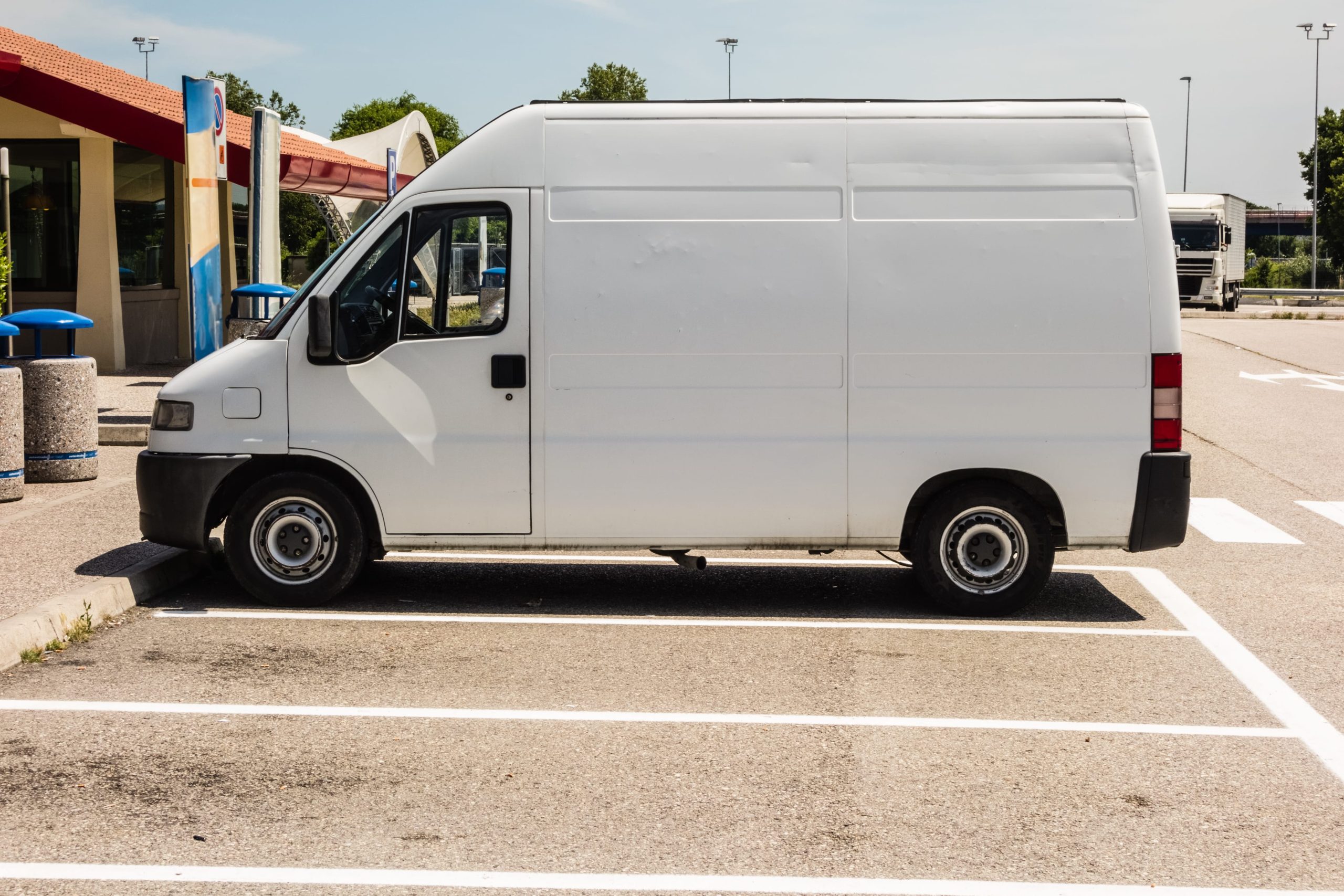
Kansas has a particularly interesting rule because its regulations directly address overnight stays. Under Kansas Administrative Regulation 36-32-2, overnight camping is permitted for one night at roadside facilities maintained by the Kansas Department of Transportation.
The regulation also prohibits parking for more than 24 hours. That’s a fairly generous window compared with states that require travelers to leave much sooner. However, visitors cannot obstruct roadside facilities, and trucks and equipment must use designated temporary parking areas.
An important distinction concerns jurisdiction: these rules specifically apply to KDOT-maintained facilities.
Kansas Turnpike service areas are operated under a different authority, so travelers shouldn’t automatically assume every facility follows precisely the same regulations.
Montana: Overnight Parking Is Allowed for 12 Hours
Montana leaves little room for confusion about whether overnight parking is permitted. The Montana Department of Transportation explicitly allows overnight parking at its rest areas.
However, visitors are limited to a 12-hour maximum stay. Another requirement to remember: each vehicle may occupy only one parking space.
Camping is also prohibited. That means you can plan an overnight parking stop, but you can’t spread equipment across multiple spaces or set up a campsite.
Montana also warns that rest areas may temporarily close for maintenance or repairs. Before choosing your stopping point, check the state’s current rest-area information to avoid an unexpected change of plans.
Nevada: The 18-Hour Rule Has an Important Catch
At first glance, Nevada’s rest-area parking allowance might sound especially generous. The state permits overnight-length stops under an 18-hour occupancy limit. But here’s the detail travelers shouldn’t miss: that limit applies to any two-week period, not simply each visit.
Under Nevada Administrative Code 408.595, parking, camping, or occupancy at roadside parks and safety rest areas is limited to 18 hours within that period. This distinction matters if you’re planning multiple stops while traveling through Nevada. The regulation doesn’t clearly explain how time is aggregated across different facilities.
Rather than assuming you receive a fresh allowance at every rest area, check the posted rules and seek clarification when necessary.
Oregon: Overnight Rest Is Possible, but Camping Isn’t
Oregon gives travelers a practical window for an overnight rest stop, provided they follow the state’s restrictions. Under Oregon Administrative Rule 734-030-0010, visitors cannot remain at a rest area for more than 12 hours within any 24-hour period.
That makes an overnight stay possible. However, the same regulation prohibits camping, setting up tents or other structures, and parking outside designated spaces.
Visitors must also follow any parking regulations posted at individual locations. The key takeaway is that permission to stay overnight doesn’t turn a highway rest area into a campground.
For travelers hoping to stop, rest, and continue their journey, the published time limit offers a useful planning guideline.
Texas: Travelers Can Stay for Up to 24 Hours
Texas offers one of the longest published rest-area stay allowances among the states on this list. According to the Texas Department of Transportation, visitors can remain at designated safety rest areas for up to 24 hours.
That gives travelers plenty of flexibility for an overnight stop. TxDOT also reports that restrooms at its safety rest areas are available around the clock. Most facilities have attendants working 24 hours a day, while others operate with attendants from 6 a.m. to 6 p.m.
However, the 24-hour allowance shouldn’t be interpreted as unrestricted permission to establish a campsite. The department describes it as a visitor length-of-stay limit.
As with any highway facility, checking the specific location’s posted requirements remains important.
Before You Sleep at a Highway Rest Area, Check the Rules
Highway rest areas can be convenient places to pause during a long journey, but their overnight parking policies aren’t identical across the country. California allows eight hours, Montana and Oregon provide 12-hour windows, and Texas publishes a 24-hour limit. Idaho’s allowance depends on the highway, while Kansas expressly permits one night at qualifying facilities.
Nevada’s two-week restriction is particularly important for repeat visitors. The biggest takeaway is simple: overnight parking and camping are not always the same thing.
Before planning a stop, check the relevant transportation department’s guidance, confirm that the facility is open, and read the posted parking restrictions.
A little preparation can make the difference between a straightforward overnight stop and an unexpected interruption to your road trip.
If you like what you just read, then subscribe to our newsletter and follow us on social media.


